










Macron seeks peace through Lukashenko Analysis by Limansky
The Belarusian leader has revealed some details of his recent conversation with French President Emmanuel Macron. The discussion touched upon issues of war and peace, European security, nuclear weapons, as well as Minsk’s possible role as a mediator in dialogue between the EU and Russia. Additional interest in these contacts was sparked by reports of a closed visit by a representative of the French president to the Belarusian capital.
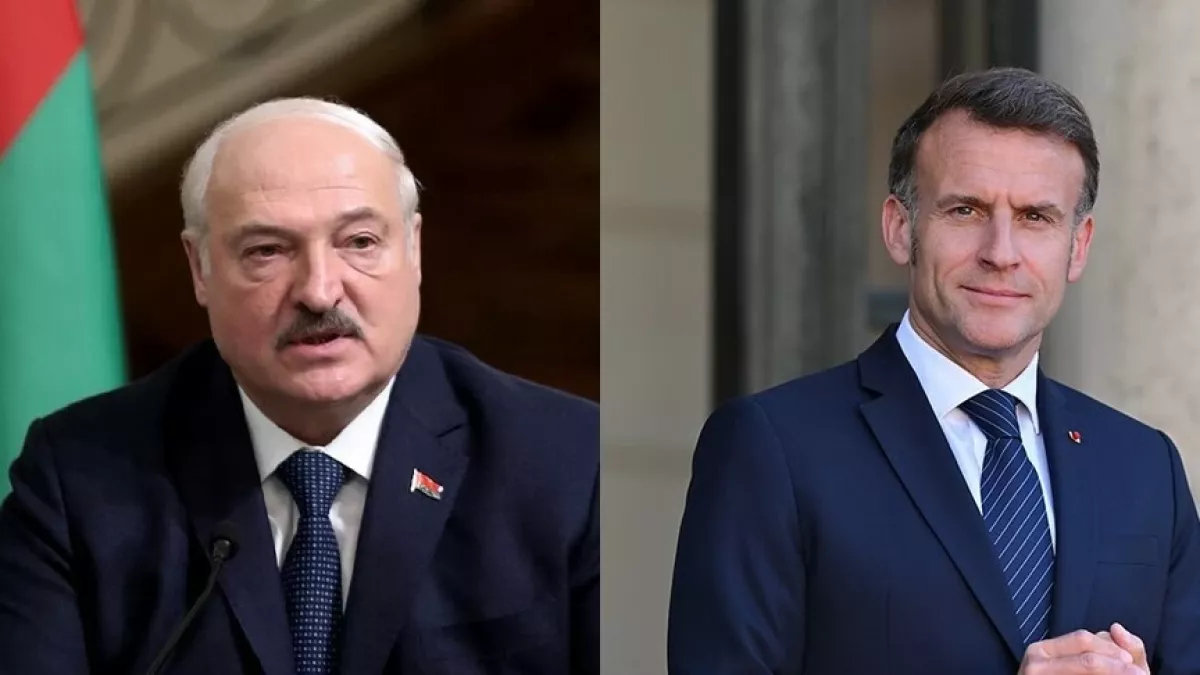
Macron and Batka
On May 24, at the initiative of the French side, a phone conversation took place between Lukashenko and Macron. The talks were held against the backdrop of Belarusian army exercises involving the use of nuclear weapons conducted jointly with the Armed Forces of the Russian Federation. Western and Belarusian opposition media immediately reported that Macron had allegedly warned Belarus about a supposed plan to enter the war in Ukraine and even issued threats.
On May 29, during the EAEU summit in Astana, the Belarusian leader disclosed some details of that conversation to journalists.
Alexander Lukashenko said: “No, that was discussed. But as for someone warning me… Emmanuel Macron knows me well enough to understand that I should not be warned. Before I do anything, I think about it over a thousand times. I think about what comes next, unlike them. It was a friendly, good, though long (one hour and forty minutes) conversation. We recalled our previous talks and so on. But there was no coercion or pressure.”
Incidentally, the French president’s representatives also described the conversation as a “good discussion” to the TF1/LCI television channel.
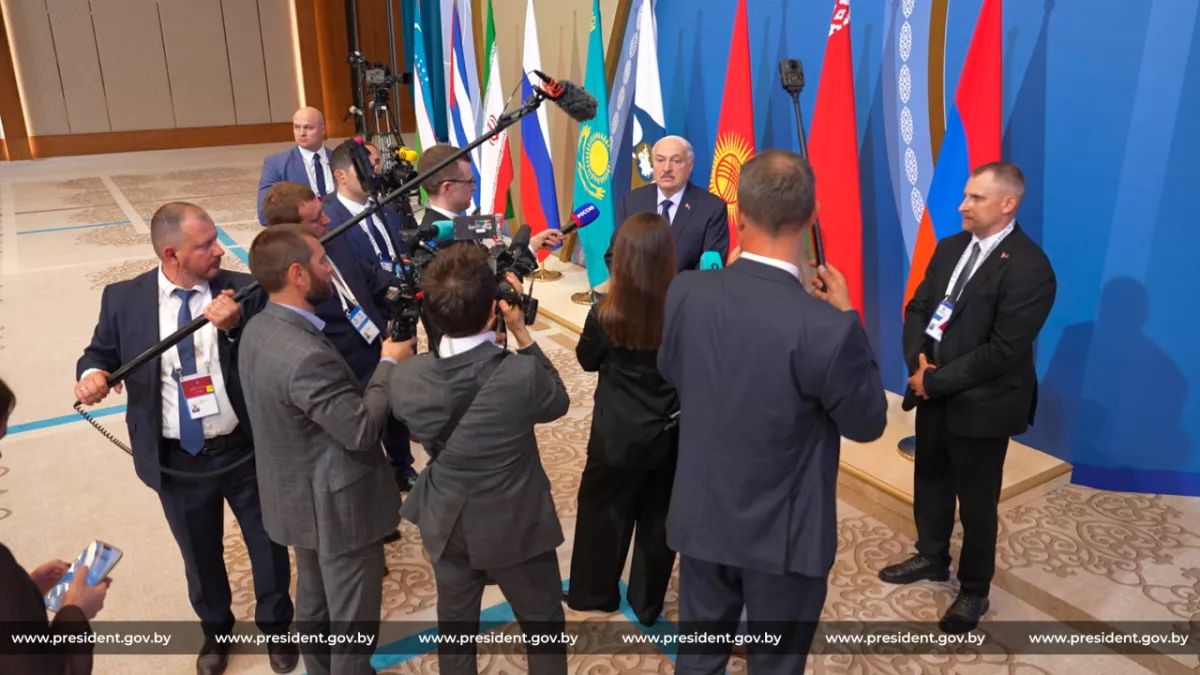
Commenting on his conversation with Emmanuel Macron, Alexander Lukashenko also said that the French president had asked about reports of a possible Belarusian entry into the war in Ukraine and about joint exercises with Russia involving the use of nuclear weapons.
According to the Belarusian leader, he immediately dismissed such assumptions. “Oh, come on, I’m not planning to enter anything anywhere — why would I enter?” Lukashenko recalled in response to Macron’s question.
The Belarusian president also claimed that the French leader asked whether Minsk was considering the possibility of using nuclear weapons following the recent exercises conducted together with Russia. In response, Lukashenko reiterated his previously stated position: nuclear weapons could only be used in the event of aggression against Belarus.
“I have publicly said this: only in one case — if aggression is committed against Belarus. That’s it,” he emphasised.
Minsk as a platform for peace
Having rejected suggestions of Belarus’s possible involvement in the war in Ukraine, Alexander Lukashenko also outlined an initiative he said he raised during his conversation with Emmanuel Macron.
According to him, the French president stated that in the event of a renewed offensive by Russian and Belarusian forces from the north, the West would be forced to respond. In reply, Lukashenko urged focusing not on retaliatory measures, but on finding ways to achieve peace.
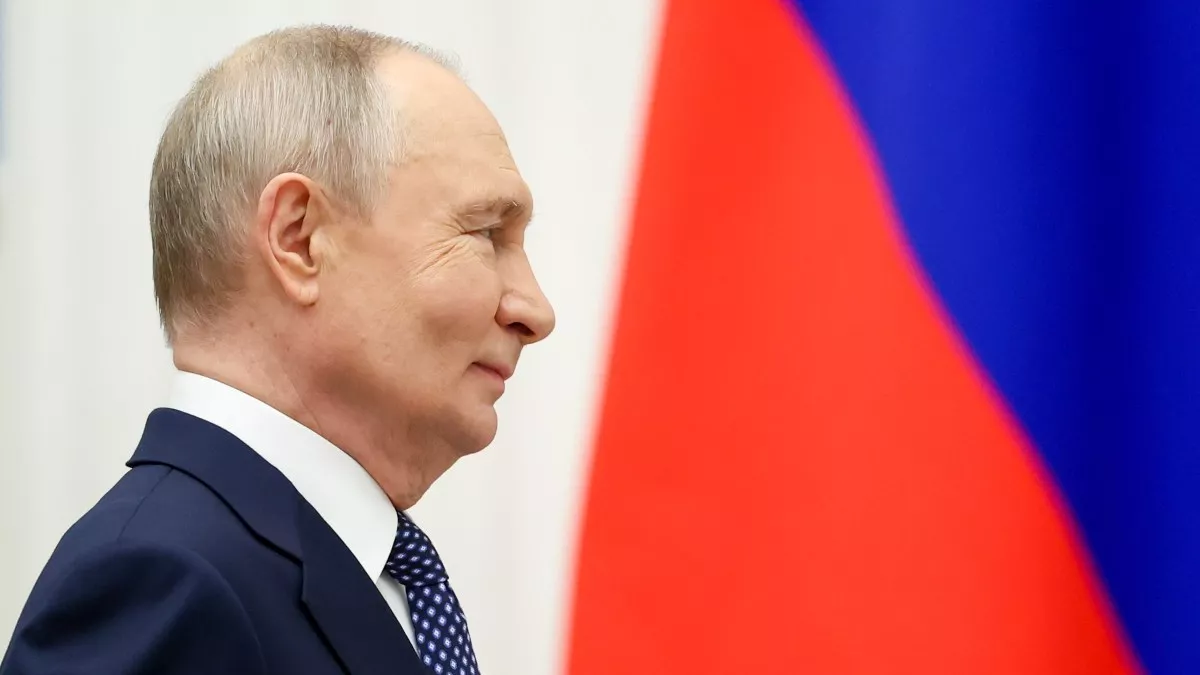
The Belarusian leader noted that he proposed to Macron to consider a personal meeting with Vladimir Putin in Minsk. According to him, he reminded the French president that after a visit to Yerevan, he could continue his trip and hold talks with the Russian leader on Belarusian soil.
As Lukashenko recounted, Macron did not rule out such a possibility, but said he would need to discuss the matter with his European Union partners.
In response, the Belarusian president urged the French leader to take a more active role in promoting the negotiation process. Lukashenko stressed that Macron is one of the most experienced European politicians and could act as a driving force for such dialogue.
“I say: wait, you are an aksakal, you have been in power for so many years! And who is there? [German Chancellor Friedrich] Merz is a very young politician. [UK Prime Minister Keir] Starmer is also quite young. Who is going to talk? All of them are young. In Italy, there is a female prime minister. What, do you want to put such responsibilities on a woman? You are an aksakal, start moving. You are, one might say, the main figure and engine of Europe today,” Lukashenko reportedly said, recounting his position.
According to the Belarusian leader, it is precisely direct dialogue between European leaders and Moscow that could help find ways to resolve existing contradictions.
The head of the Fifth Republic, in turn, reportedly promised that he would soon send his representative to Minsk for confidential and detailed discussions of these issues: “Mr President, can you receive my trusted envoy, speak with him, and have him report everything back to me?” To which Lukashenko replied: “Please, if you are afraid to fly to Minsk yourself, send your trusted representative.”
Less concretely, but Macron’s entourage also reportedly stated that the conversation included “necessary steps to improve relations between Belarus and Europe.” However, French media offer different interpretations of the call. In particular, it is suggested that its purpose was to convey that the lifting of US sanctions on Belarusian potash is a matter for Trump personally, while the EU’s hardline stance towards Belarus remains unchanged.
Europe’s security is its own responsibility
During the phone conversation, Lukashenko and Macron also discussed a number of related issues. Indeed, talks between Belarus and the United States were also addressed, with both sides reportedly agreeing on one point: all matters of European security must be decided in Europe.
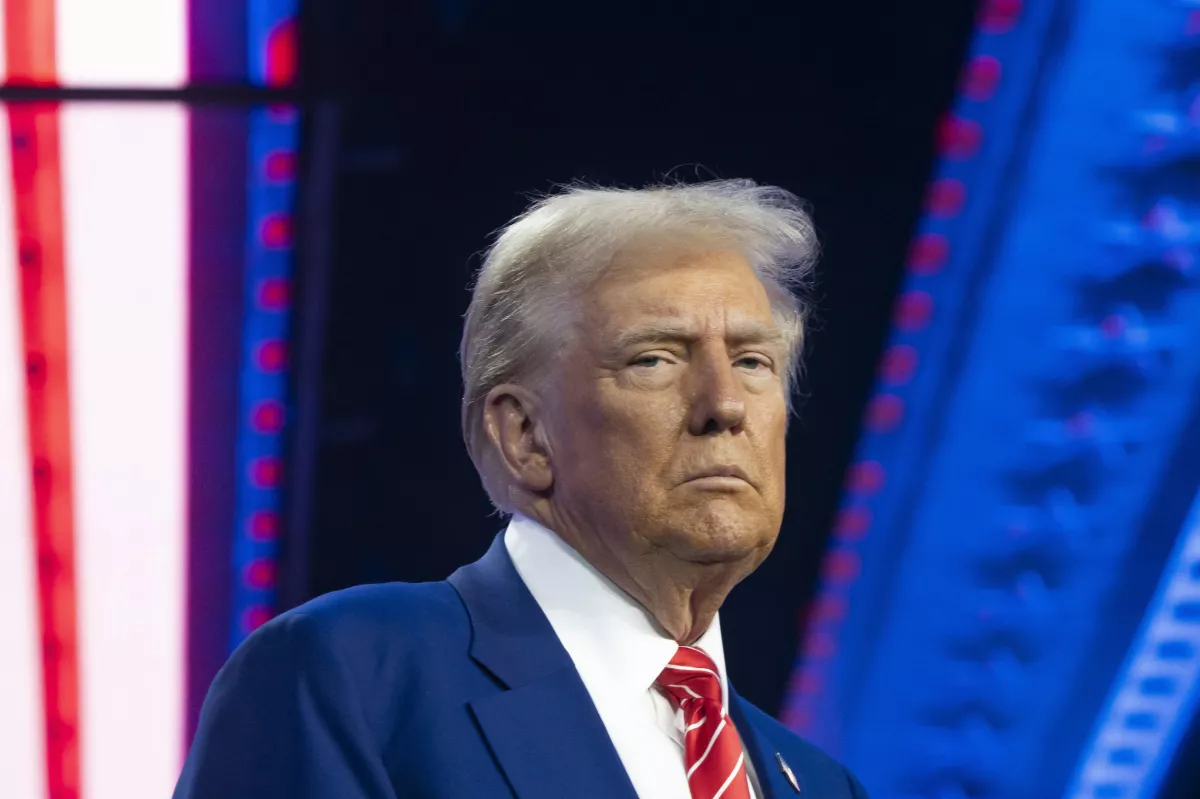
“It is not Donald Trump who should be patting us on the head there and pushing us toward peace or anything else. We must resolve these issues ourselves, because we live here directly,” the Belarusian leader noted.
Macron also offered, as part of efforts to normalise relations with Belarus, his assistance on the issue of Belarusian potash fertilisers in the EU. In response, the Belarusian “Batka” said that all volumes of Belarusian potash, as well as phosphate and nitrogen fertilisers, had already been contracted, and that there were no particular problems in this regard despite the efforts of the Belarusian opposition: “Well, this is all coming from our ‘quiet-loud ones’ — those fugitives. They tell them everything: ‘It’s all about potash, and that’s it!’ Markets have already been reconfigured and redirected. Of course, it would have been better if, as before, we were loading this potash right next to us in Lithuania. That would have brought even higher margins. But it didn’t work out — they don’t want to cooperate with us — so we ship through Russia. It’s not a problem.”
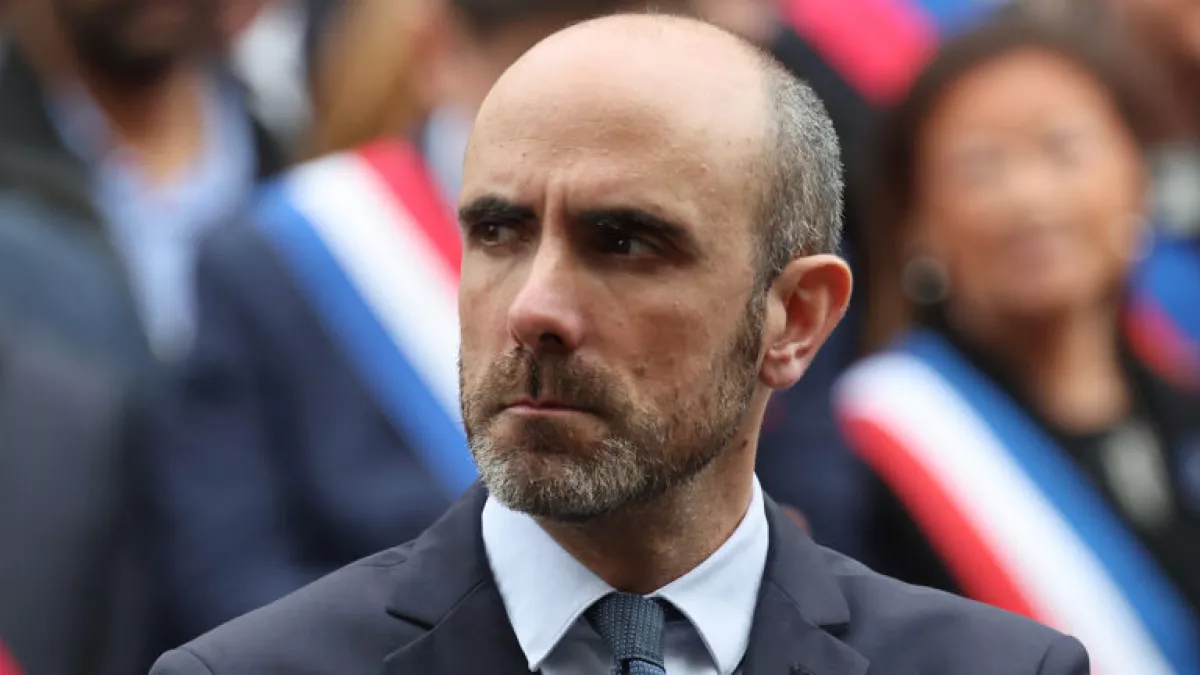
As for whether the promised visit by Macron’s unnamed envoy, announced for early June, actually took place, neither the Belarusian nor the French side has officially confirmed anything. However, according to unofficial sources, Minsk was reportedly already visited by Nicolas Lerner, Director General of France’s Directorate-General for External Security (DGSE).
During these non-public talks, discussions are said to have focused on regional security, preserving Belarus’s non-nuclear status, and ensuring its non-involvement in the Russian–Ukrainian conflict. Issues such as the release of “political” prisoners, sanctions, and further dialogue between Minsk and the EU were also addressed.
It is reported that the Élysée Palace is currently satisfied with the progress of the negotiations. And if this information is accurate, then the visit of the head of French foreign intelligence became one of the most significant contacts between Belarus and the EU in recent times.
A platform for peace
It is quite evident that in recent times a new trend has emerged in Western Europe — certain circles have begun exploring options for normalising relations with Russia and Belarus, against which unilateral sanctions were imposed back in 2020. Paris appears to be attempting to position itself as the leader of this process.
On February 5–6, 2026, a senior representative of the French Ministry of Foreign Affairs visited Minsk at the invitation of the Belarusian side. Prior to that, on February 3, Emmanuel Bonne, the diplomatic adviser to Macron, visited Moscow. Although no immediate results were achieved at the time, the process had clearly been set in motion.
On May 28, the idea of direct negotiations with Russia was discussed at a meeting of EU foreign ministers in Limassol, Cyprus, but European officials failed to agree on a mediator or on the format of such talks.
At the same time, the French newspaper Le Monde reports that Paris has managed to secure the support of several other European states for talks with Moscow. It is suggested that the most likely format for a negotiating group could be E3 — France, Germany, and the United Kingdom.
“With US-led talks stalled and Russian forces suffering mounting losses amid a stalemate on the battlefield, the three nations see an opportunity to potentially bring Russian President Vladimir Putin to the negotiating table,” Bloomberg writes, citing sources.
According to the publication, Ukraine is also actively involved in this process. Moreover, it is allegedly Kyiv that would have the final say on whether such negotiations take place at all. In this context, Europe may also attempt to act as an independent global political actor, distancing itself from the United States.
At the same time, the “party of war” remains strong, continuing to reject any negotiations and insisting on further escalation of hostilities.
It is possible that the unprecedented and unprovoked escalation in recent times against Belarus by Kyiv is linked precisely to these potential negotiations.
In this context, several scenarios are possible. Some actors may simply oppose Minsk being considered as a potential mediator in a dialogue process. By drawing Belarus into the conflict, such unfriendly forces may be seeking to strip it of this role.
Alternatively, the “hawks” may believe that by expanding the war — including potentially onto Belarusian territory — they could disrupt the entire peace settlement process.
Another possibility is a coordinated “good cop, bad cop” approach aimed at extracting maximum concessions from Minsk in a direction favourable to the West.
At the most aggressive end of the spectrum, certain Western circles may even see an opportunity, under the cover of escalation and before any agreement with Russia is concluded, to effectively “close the Belarusian question” through military escalation.
Meanwhile, the Belarusian leadership, as evidenced by recent contacts with President Macron, appears ready to do everything within its power to facilitate a swift peace settlement between Russia and Ukraine and to develop a long-term security framework for Europe.







 editor@caliber.az
 +994 55 444-88-98
 Азербайджан, Баку, ул. Низами, 203, Af Business House, 5-й этаж