










Cuba in Washington’s crosshairs: why does the US need the island? Article by Matanat Nasibova
Although the main focus of the United States is concentrated on the confrontation with Iran, Washington does not lose sight of the “Cuban question” either.
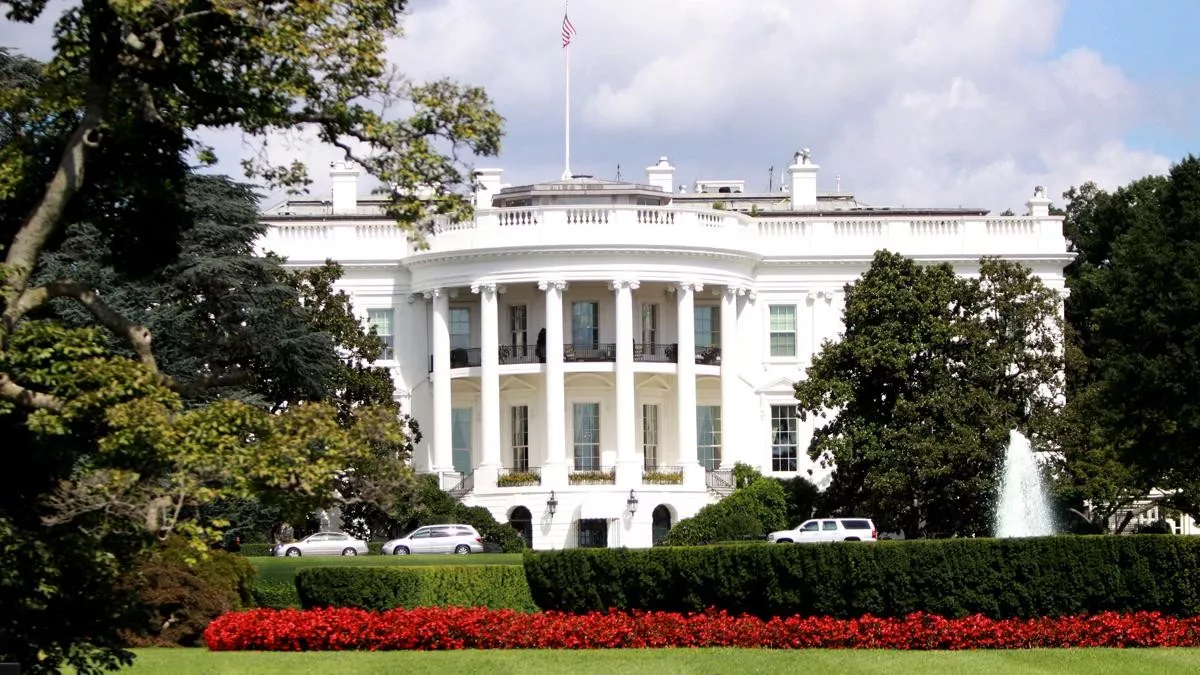
In particular, in recent days, following the signing by Trump of an executive order expanding measures against the island, the White House has taken another step to intensify pressure on Havana, imposing sanctions on Cuban President Miguel Díaz-Canel, his wife, and other key representatives of the Cuban leadership. According to a statement signed by Secretary of State Marco Rubio, those targeted by the sanctions “direct or fund the regime and its efforts to mobilise its radical revolutionary movements in the United States and around the world.”
This move, as expected, provoked an immediate reaction from the Cuban authorities: Díaz-Canel stated that American “political blindness adds to the coercive measures applied in recent weeks against our country, designed to harm the Cuban people.” He also accused Trump of making “new threatening statements against Cuba,” noting that “these measures are aimed at reinforcing the blockade and escalating the conflict between Cuba and the United States.”
“The aggression and perversion of the U.S. government will clash with our resolve to confront the worst-case scenarios and resist the imperial onslaught,” the Cuban president wrote on social media platform X.
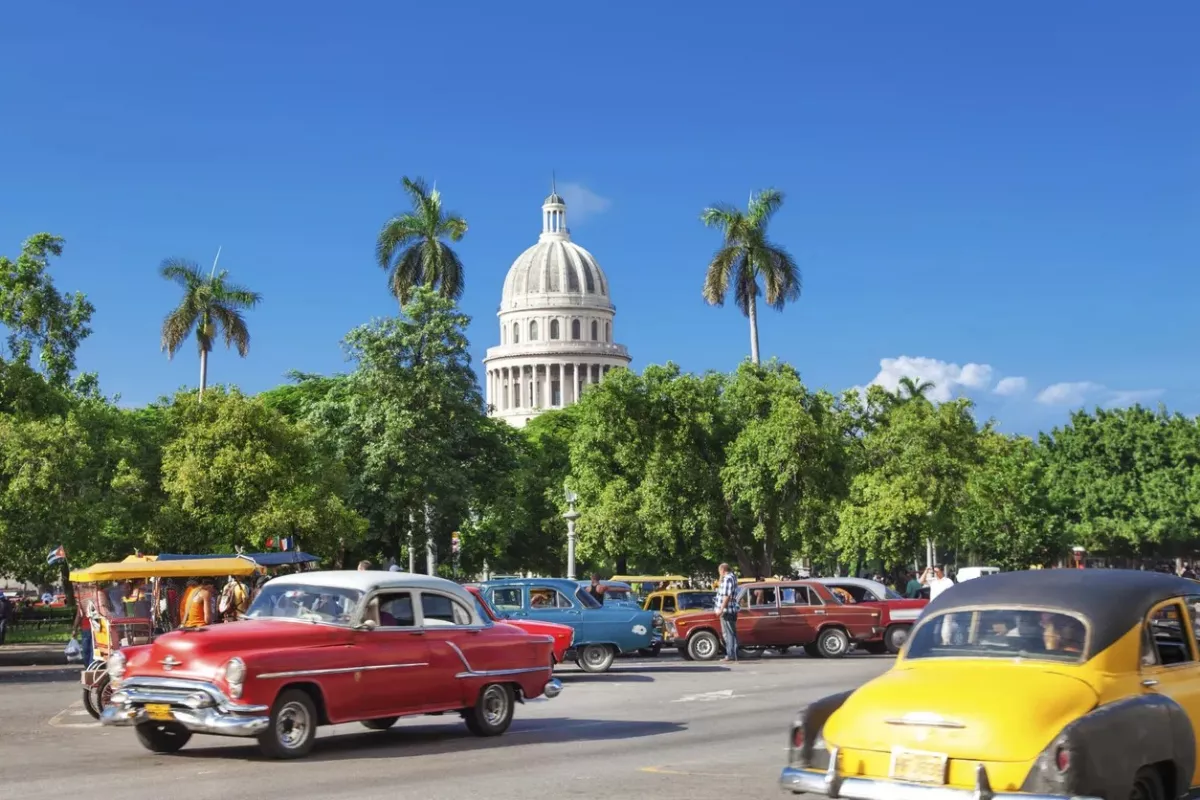
To begin with, it should be noted that the new sanctions are being introduced against the backdrop of threats by US President Donald Trump to use military force against Cuba, which were voiced after an American military operation in Venezuela that resulted in the overthrow of Nicolás Maduro, and the imposition of an energy blockade against the Island of Freedom, which has led to power outages, food shortages, and economic collapse.
Overall, Washington justified these actions by claiming that the Cuban government poses a threat to US national security. “We will not allow foreign states to support this regime by providing it with vital energy resources. From now on, any country supplying oil to Havana will face economic consequences in the form of tariffs on its goods upon entry into the United States,” the White House stated.
At the same time, on June 4, when asked by journalists whether the sanctions were aimed at accelerating Cuba’s collapse, Trump said: “We just want them to be a nicely run country. The country is starving, and it’s got no energy, it’s got no oil, it’s got no money, it’s got nothing. It’s got a beautiful piece of land. You could have beautiful resorts.” The American president also noted that Cuba “sort of collapsed,” adding that “we’re going to handle that as soon as we’ve finished” military operations in Iran.
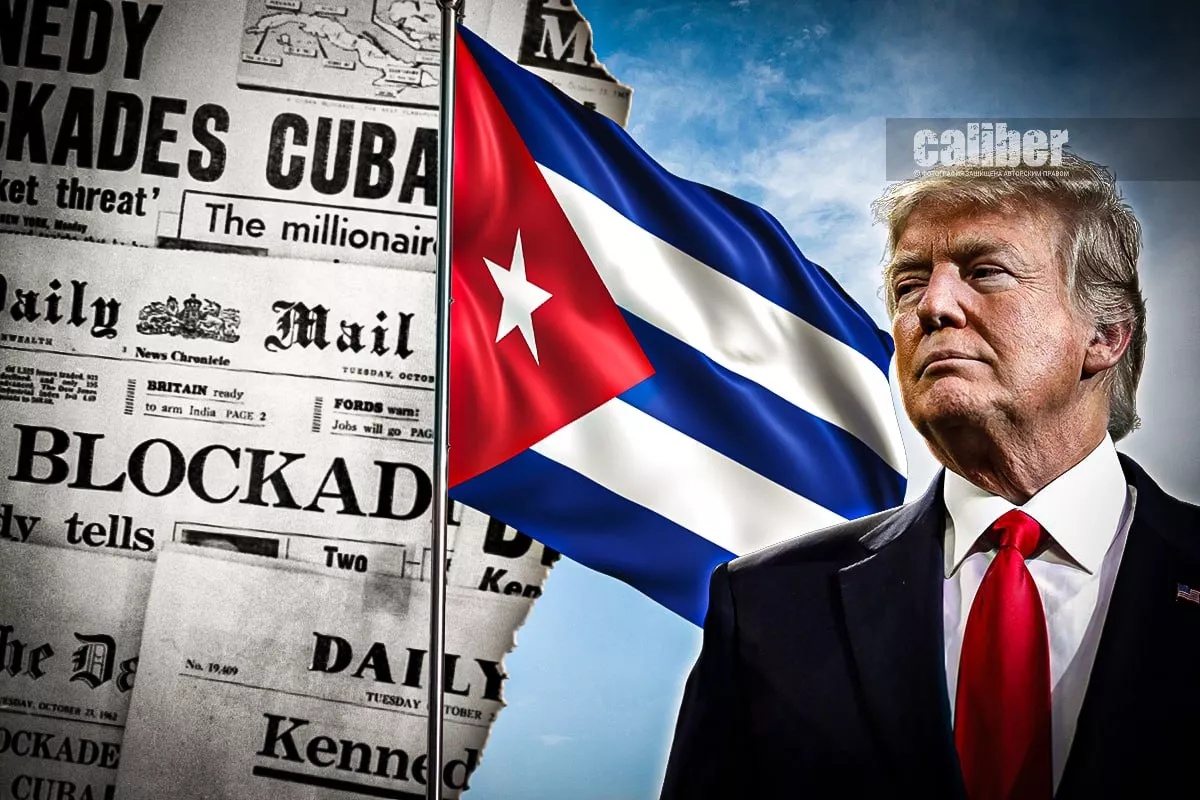
In other words, the White House chief has effectively reiterated that his plans regarding Cuba remain unchanged. In this context, it is worth recalling that in March 2026, amid a major energy crisis on the island, Trump stated that it would be an honour to seize Cuba, and in May, during a speech in Florida, he described a scenario in which the US aircraft carrier Abraham Lincoln would simply stop 100 yards off the Cuban coast, after which local authorities would immediately surrender.
The American president has, in effect, once again publicly confirmed Washington’s main objective: to achieve regime change in Cuba and facilitate the implementation of democratic reforms there. This intention on the part of the US leadership is indirectly supported by Politico reports that, against the backdrop of the so-called 2026 Caribbean crisis, US agencies have begun increasing their military presence in the region.
Taking all of this rhetoric into account, it can be stated with confidence that Washington is deliberately moving towards the dismantling of the socialist system and a change of leadership in Cuba, currently using as its main instrument a strategy of harsh economic and financial pressure, including sanctions against the Cuban leadership. This raises the question: “Will the United States dare to launch a large-scale military intervention against Cuba?”
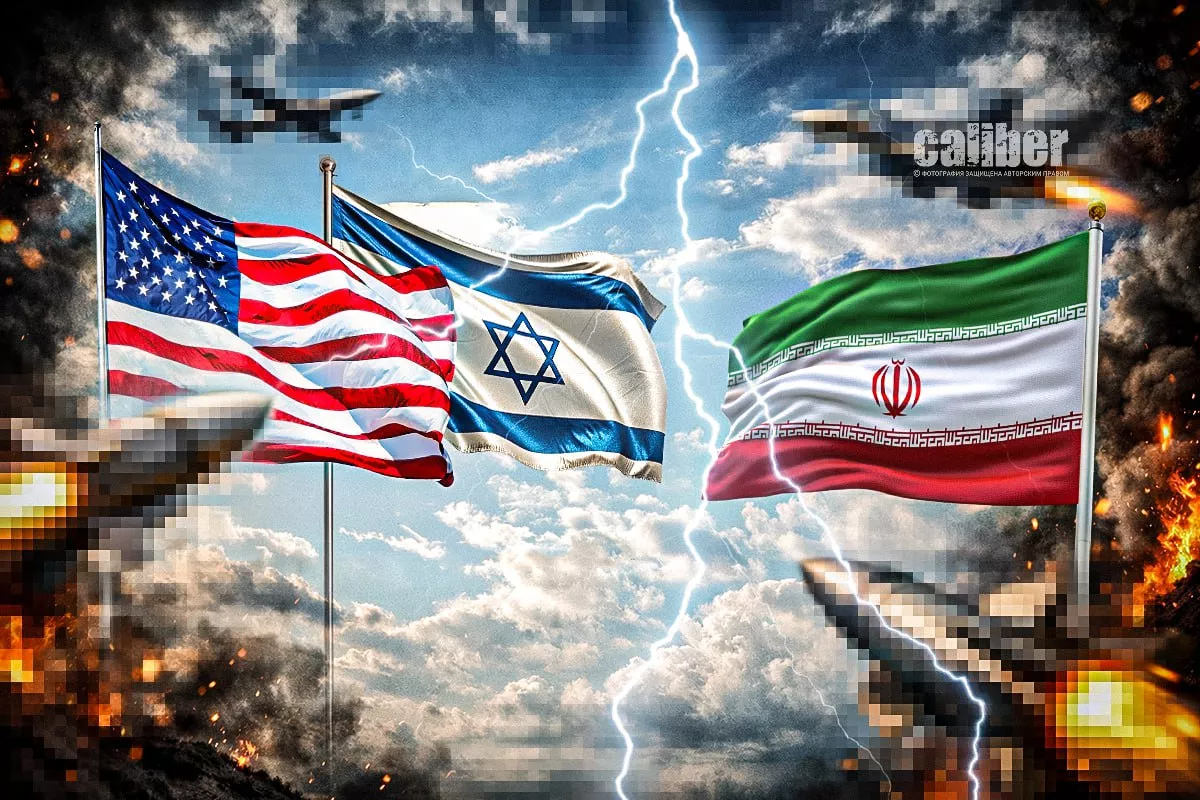
From a theoretical point of view, such a scenario cannot be ruled out; however, in the foreseeable future, its likelihood remains extremely low, since a full-scale military campaign is a costly undertaking, and US expenditures on the military operation against Iran have already exceeded $95.2 billion.
At the same time, the overall burden on the American economy is assessed as even higher: the US national debt has increased by more than $400 billion. Thus, the economic factor does not work in favour of Washington’s plans to open a “major front in the Caribbean.”
However, the US administration may opt for limited operations, such as strikes on Cuban air defence systems, as well as military and intelligence facilities—scenarios that are already reportedly under consideration.
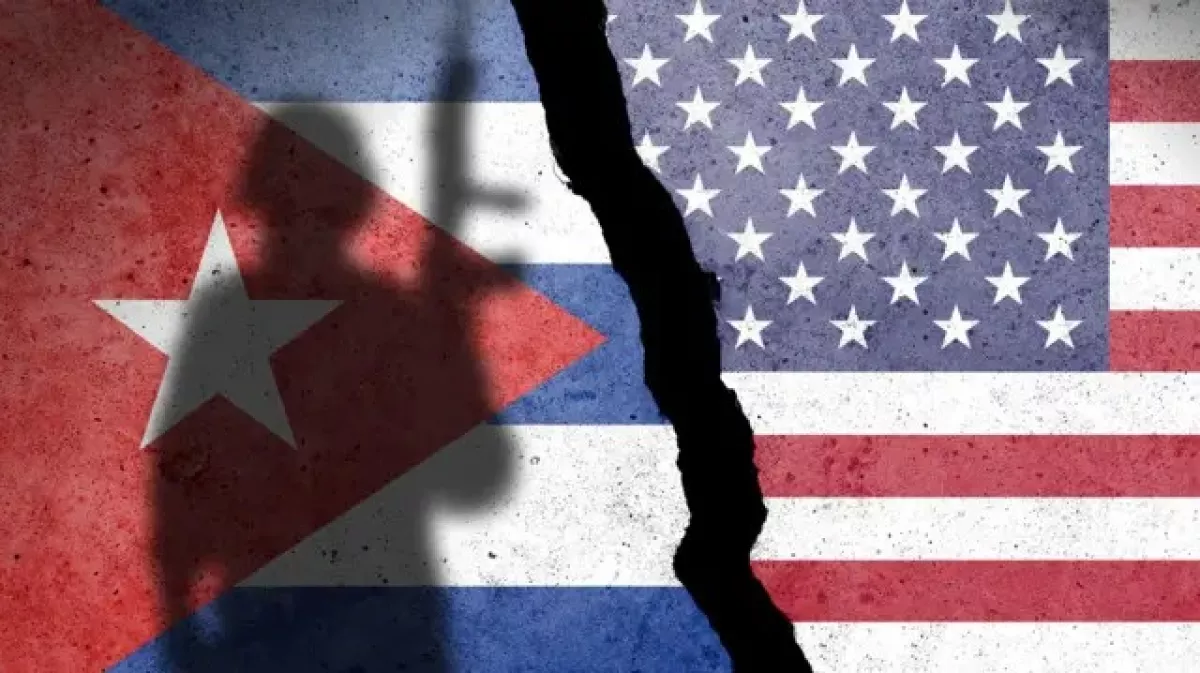
At the same time, the likelihood that the United States will abandon its “Cuban plans” is virtually zero due to a number of factors.
First, there is the geopolitical interest, reflected in Cuba’s close cooperation with Russia, China, and Iran across multiple areas, including political alignment. This is a significant irritant for Washington, as is the island’s communist ideology, which is based on the adaptation of the Soviet socialist model to Cuban political realities.
The second aspect is economic interests. As is known, Cuba ranks fifth in the world in terms of confirmed nickel reserves and is among the top three global leaders in cobalt reserves. It is precisely these resources that the United States seeks to gain access to, which is why it has intensified pressure on Cuba’s military-economic conglomerate GAESA, a pillar of the country’s economy, by imposing large-scale sanctions against it.
Third, these actions by Washington fully align with the US National Security Strategy adopted in December last year and Donald Trump’s doctrine of “America First,” which is based on the promotion of American interests both regionally and globally. However, the extent to which the United States will be able to realise its ambitions in the Caribbean basin will be shown by time and judged by history.







 editor@caliber.az
 +994 55 444-88-98
 Азербайджан, Баку, ул. Низами, 203, Af Business House, 5-й этаж