










The Pashtun knot: Kabul and Islamabad on the brink of a major war Analysis by Shereshevskiy
Pakistan has carried out another round of airstrikes on Afghan territory. Islamabad stated that 26 militants were killed, while the Afghan government claims that 13 civilians were among the dead.
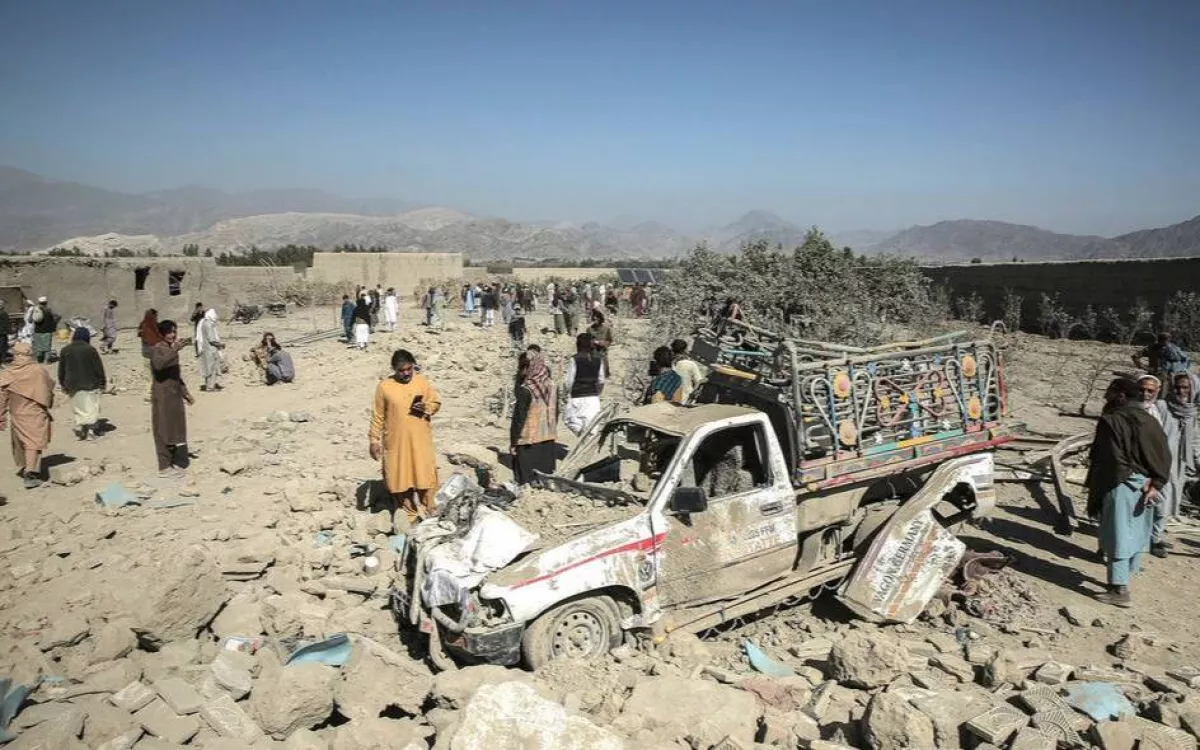
On June 10, Pakistan's Information Minister Attaullah Tarar announced that the military had carried out precision strikes along the border, targeting hideouts of the Pakistani Taliban — the TTP (Tehrik-i-Taliban Pakistan), allies of the ruling Taliban movement in Afghanistan that have established bases on Afghan territory.

Tarar said that 26 militants were killed and four targets were destroyed, including a training centre and an ammunition depot. He added that the operations were conducted in response to a series of recent attacks, including a TTP assault on a federal police post in Musa Dara on June 9, a suicide attack on a military checkpoint in North Waziristan on June 2, and a suicide bombing at a police station in Bannu, Khyber Pakhtunkhwa Province, on May 9.
Meanwhile, Zabihullah Mujahid, spokesperson for Afghanistan's Taliban government, stated that 11 children, one woman, and an elderly man were killed as a result of Pakistani attacks on the provinces of Kunar, Khost, and Paktika.
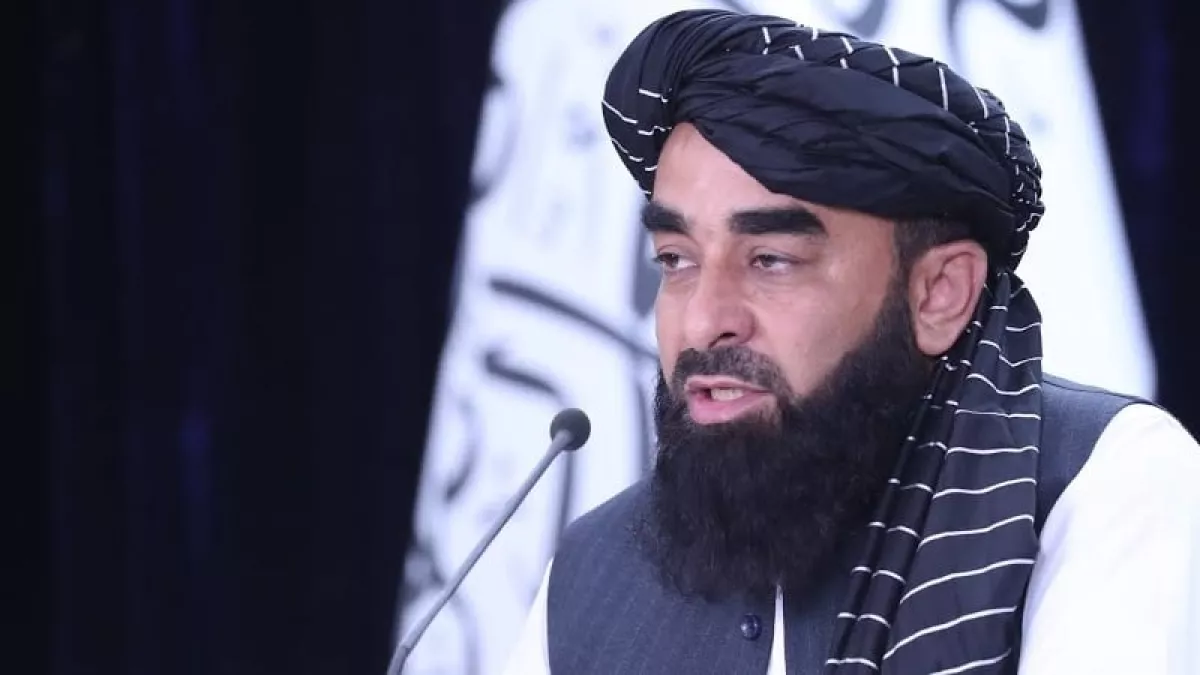
“We strongly condemn this humanitarian crime and act of aggression,” he added.
The Pakistani airstrikes carried out late on June 9 were the deadliest in recent weeks. They followed a period of relative calm along the Afghan–Pakistani border.
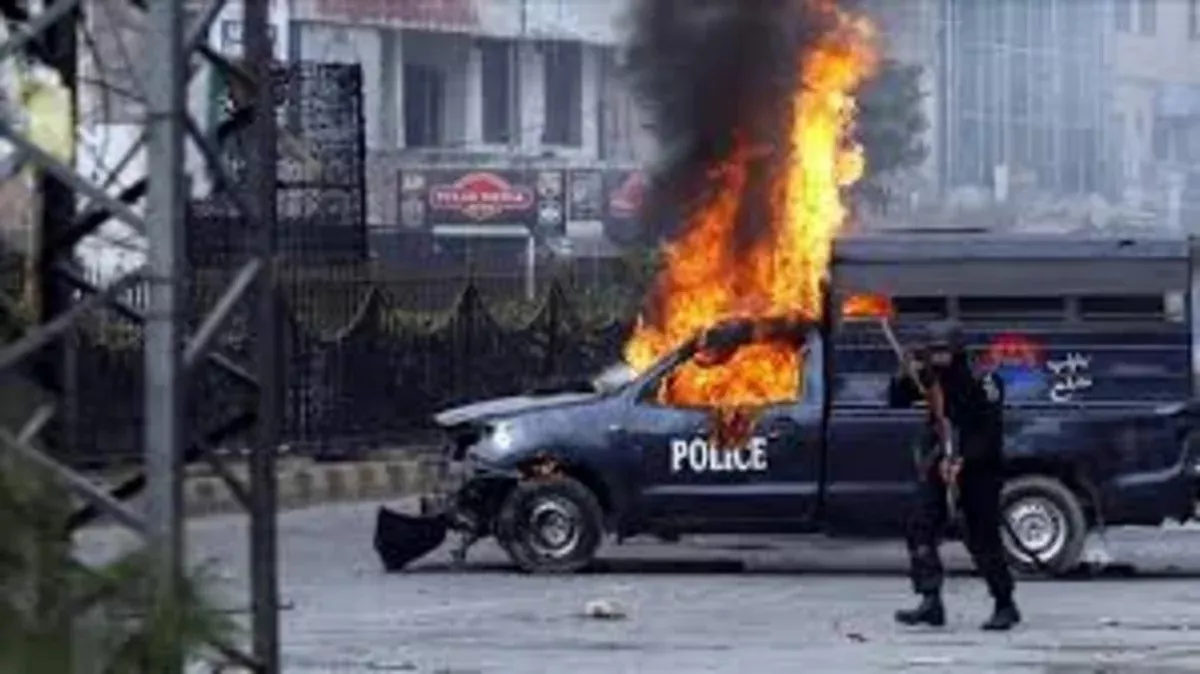
Pakistan responded after TTP militants attacked a security post in the Hassan Khel area of Pakistan’s northwestern province of Khyber Pakhtunkhwa, which borders Afghanistan. The attack triggered a fierce exchange of fire that resulted in the deaths of six Federal Police officers.
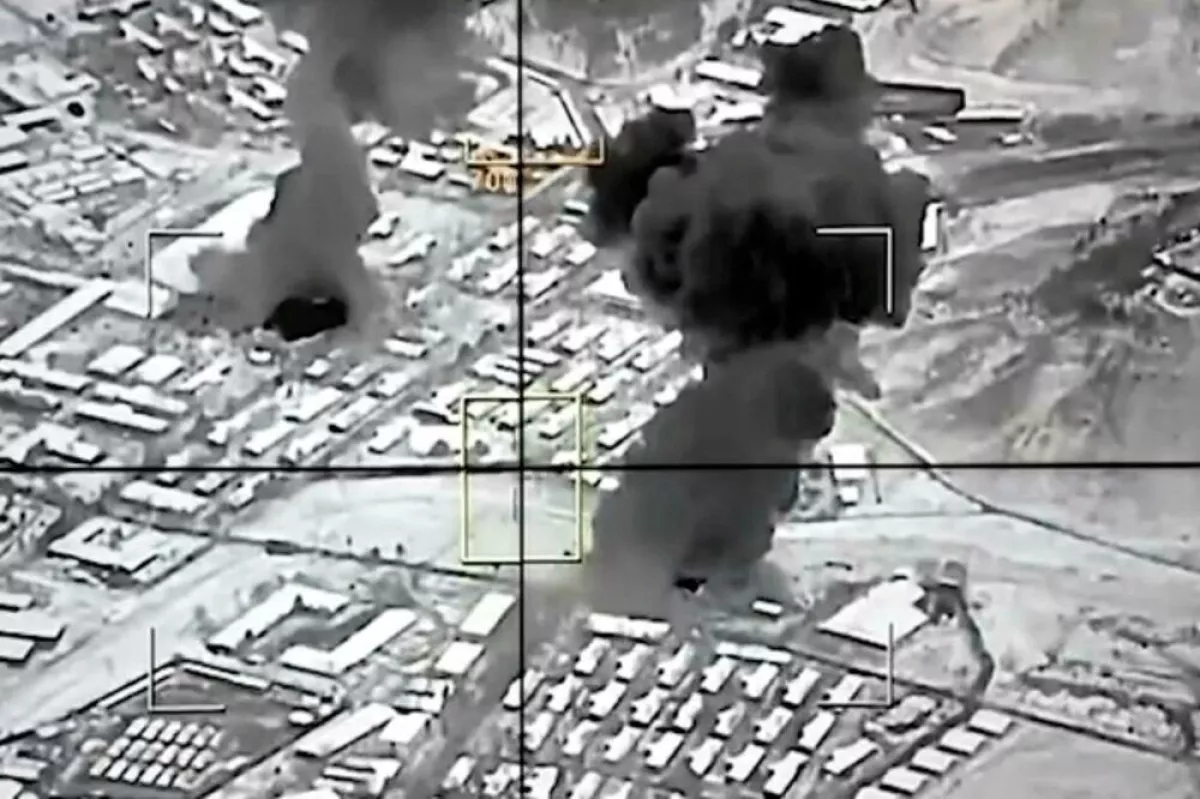
Hostilities between the two countries escalated in late February after Afghanistan launched a cross-border attack on Pakistan in response to Pakistani airstrikes on Afghan territory. Islamabad accuses Kabul of harbouring militants responsible for deadly attacks inside Pakistan, particularly members of TTP.
In March, the two countries reached a fragile ceasefire agreement. However, it collapsed on June 9 after both sides accused each other of violating it.
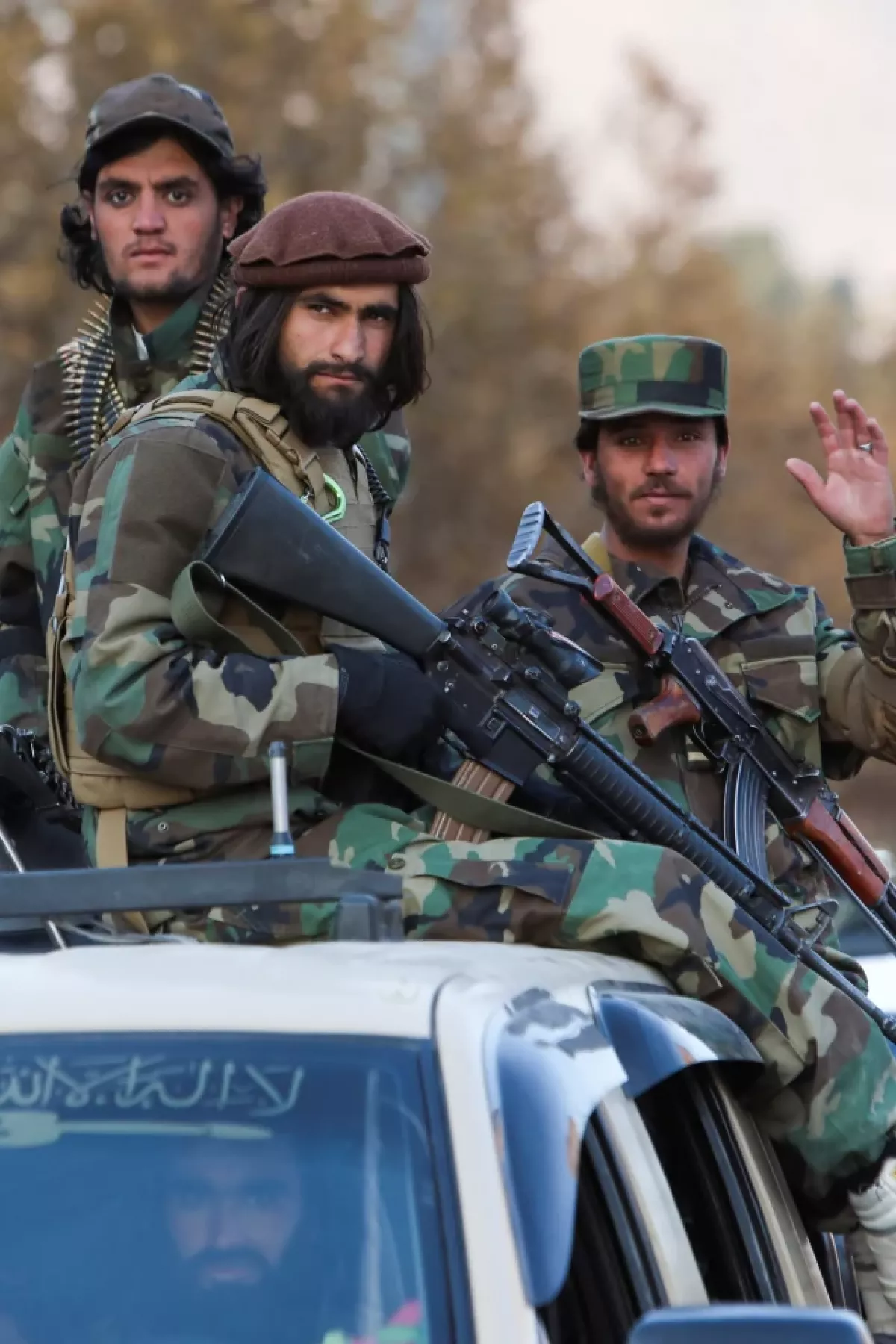
At first glance, the Afghan–Pakistani conflict appears paradoxical. Pakistan provided military and financial support to the Afghan Taliban, thereby helping them come to power by overthrowing the pro-American government in 2021. A key reason behind Pakistan’s policy was its concern over the growing ties between the pro-American Afghan government of Ashraf Ghani and the government of India, which provided substantial financial assistance to pro-American forces in Afghanistan.
The primary concern of Pakistan’s leadership is that India and Afghanistan could form an alliance, placing Pakistan in a geopolitical pincer. This is a scenario that the country’s military establishment considers unacceptable. As a result, Pakistan spent years supporting the Afghan Taliban in order to secure their victory over the pro-American forces that maintained close relations with India.
And then the Taliban came to power in Afghanistan, establishing a Sunni Islamist government whose ideology is associated with the highly conservative Deobandi school of thought.
At first glance, Pakistan’s strategy appeared to have worked perfectly. Afghanistan was now governed by an Islamist regime that was ideologically and politically far removed from New Delhi while maintaining close ties with Islamabad, including in matters of financing and arms supplies. At the time, the Taliban government had not been recognised by any country, and Afghanistan was in need of diplomatic recognition as well as broader economic and political engagement. Pakistan therefore had every reason to expect that the new authorities in Kabul would become a loyal ally.
The disappointment that followed was all the greater. As is often said in the region, Afghans can be hired to carry out a particular mission, but they cannot be bought.
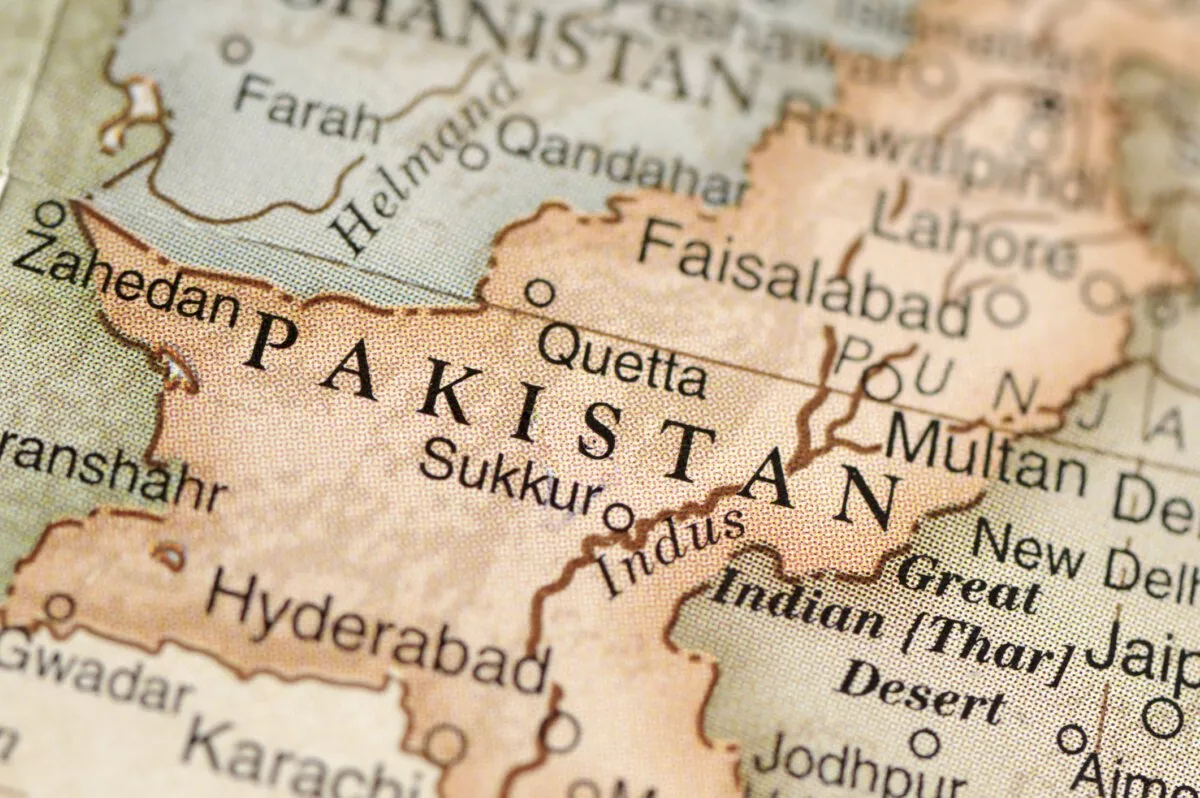
Geopolitics has proven stronger than the ties between the Afghan Taliban and Pakistan. One of the main sources of discord is the Durand Line, the de facto border between the two countries, drawn by the British during their colonial rule in the nineteenth century.
The problem is that this line runs through mountainous regions inhabited by Pashtun tribes, effectively dividing them. Afghanistan does not recognise the Durand Line and is unlikely to do so as long as representatives of the Pashtun tribes remain in power.
Although the Taliban is an Islamist movement that advocates social and political governance based on its particular interpretation of Sunni Islamic principles, another equally important factor is that the movement is led by influential Pashtun tribal leaders who exercise authority over their tribes. The bulk of its fighters—now forming the country's official armed forces—also come from Pashtun tribal backgrounds. This is the most conservative segment of Afghanistan’s population, which to some extent helps explain the Taliban’s ideology.
What is particularly important, however, is that Pashtuns make up less than half of Afghanistan’s population. The remainder consists primarily of Persian-speaking and Turkic-speaking peoples—Tajiks (who, according to some estimates, already account for about 35–40 per cent of the population), Hazaras, Uzbeks, and Kyrgyz. Together, they constitute the majority of the country’s inhabitants.
For example, Kabul, the country’s capital, is a city of around three million people where Pashtuns make up only about 20 per cent of the population, while the overwhelming majority consists of Persian-speaking Tajiks and Hazaras. In other words, for the residents of Kabul, the Pashtun-dominated Taliban represents an alien phenomenon in terms of language, tribal affiliation—which is of paramount importance in Afghan society—as well as religion and social culture.
Under such conditions, the Taliban, in order to maintain the power they seized by force, are compelled to prioritise the consolidation of Pashtun tribes. At the very least, they cannot afford an escalation of inter-tribal tensions that already exist.
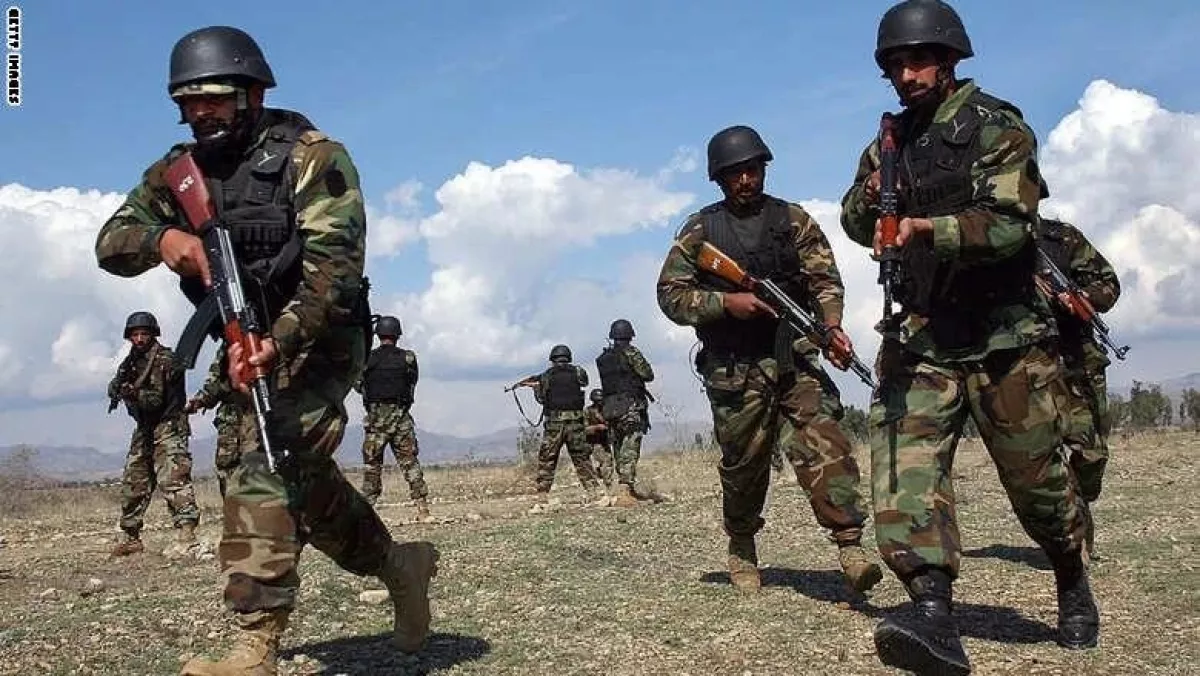
The Pakistani group TTP, which is ideologically close to the Afghan Taliban, also consists of members of Pashtun tribes and advocates the creation of a religious state in the areas where they live. To achieve this goal, the TTP is waging war against the Pakistani government.
The Afghan Taliban may not approve of everything the TTP does, including certain religious differences between the two movements, and would likely prefer not to strain relations with Pakistan. However, it cannot take a stand against the TTP despite Islamabad’s demands.
Moreover, TTP units have established bases on the Afghan side of the Durand Line and retreat there after carrying out attacks on Pakistani police and military personnel. Some experts believe this has significantly strengthened the TTP, whose numbers are estimated to have grown to around 20,000 fighters.
Pakistan could not remain indifferent. It had helped the Afghan Taliban come to power and at the very least expected understanding from them on this issue, but the outcome turned out to be the exact opposite. Moreover, under the Taliban’s protection, the activities of its Pakistani counterparts in the TTP intensified, and the group’s size continued to grow.
In the end, Pakistan began carrying out artillery and airstrikes on Afghan territory in order to inflict losses on the TTP.
Afghanistan responded, and in a way that is particularly unfavourable for Pakistan. In response to the strikes, rapprochement between Kabul and New Delhi began.
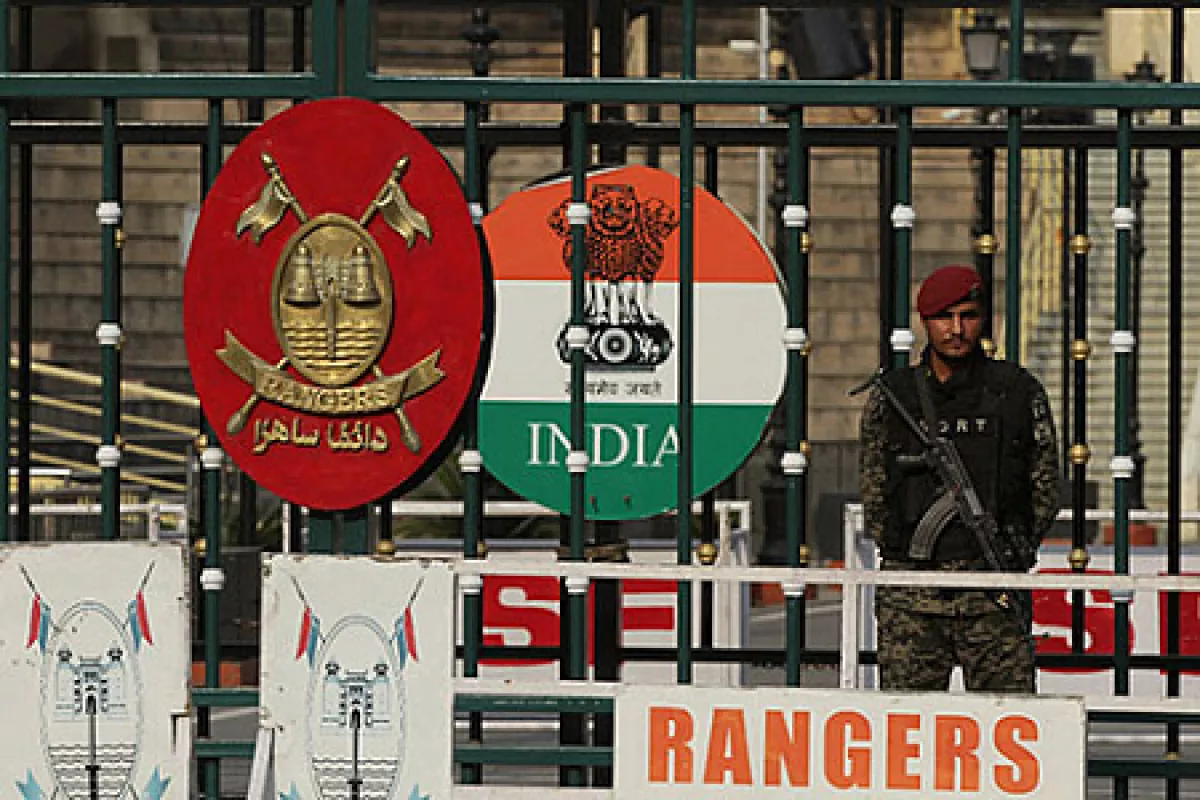
In winter 2026, India upgraded the status of its diplomatic mission in Afghanistan, and in February allocated tens of millions of dollars to the Taliban government as support. This came after the armed clash between Pakistan and India in the spring of 2025.
As already noted, Pakistani military leaders are almost obsessed with the threat of an emerging Indo-Afghan alliance and the possibility of the country being strategically encircled. It was largely in order to prevent such a scenario that they helped bring the Taliban to power in Afghanistan. However, today the situation is effectively returning to its starting point.
Thus, the Afghan-Pakistani conflict cannot be viewed separately from the broader India-Pakistan confrontation. It is a true knot of regional contradictions, and it will be difficult—if not impossible—to untangle it within the existing geopolitical and social reality.







 editor@caliber.az
 +994 55 444-88-98
 Азербайджан, Баку, ул. Низами, 203, Af Business House, 5-й этаж