










Iran’s Hormuz card and the US dilemma Between deterrence and escalation
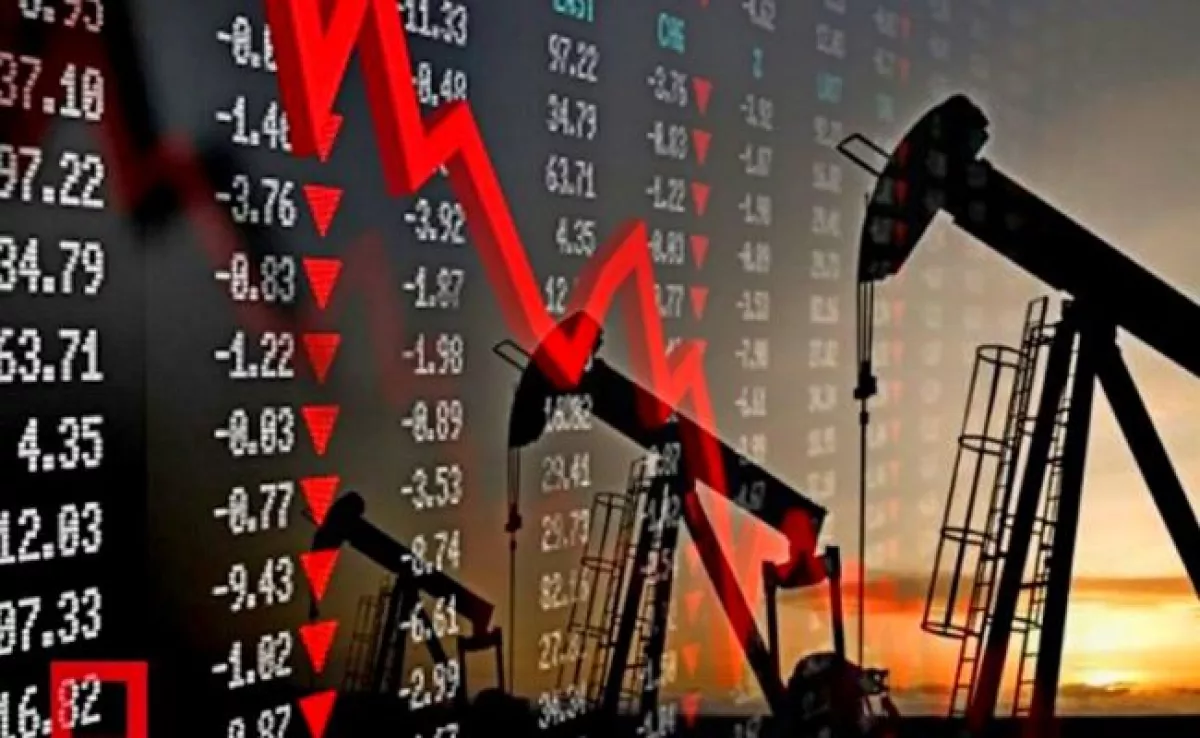
Oil prices on global markets have dropped sharply — by as much as five dollars — due to investors’ hopes for a possible deal between Washington and Tehran.
In broad terms, the draft agreement provides the following.
First, another 60-day ceasefire is declared.
Second, Iran lifts its blockade of the Strait of Hormuz, and the global market once again receives oil from the Persian Gulf states, whose supplies have so far been disrupted due to missile and drone strikes on tankers. In return, the Americans lift the blockade on Iranian ports, allowing Iran to supply up to two million barrels of oil per day to global markets. In this scenario, oil prices begin to fall, the likelihood of a global economic recession decreases, and fuel prices in the United States decline — to the satisfaction of Americans who closely monitor this indicator. Trump’s approval ratings stop declining, although the latter still raises questions, but more on that below.
Third, issues related to Iranian uranium enriched to near-weapons-grade levels — with the Americans demanding the transfer of 450 kg of this uranium in exchange for partial sanctions relief — as well as Iran’s renunciation of any uranium enrichment, even for civilian purposes, are moved into negotiations that are likely to continue indefinitely.
An American official told Axios that the draft agreement envisions the opening of the Strait of Hormuz in exchange for the U.S. lifting its naval blockade of Iran. While the Strait remains open and the global economy gets a “breathing room,” the sides will discuss restrictions on Iran’s nuclear program.
If an agreement is reached, what will it ultimately mean?
If a temporary agreement between Iran and the United States is concluded, it could be interpreted as a political victory for Tehran. In that case, it would appear that Iran has demonstrated such an effective tool of pressure on global and American markets — namely, the ability to block the Strait of Hormuz — that it has shocked Washington into abandoning further military escalation and lifting the naval blockade. This would be perceived as Iran becoming stronger after effectively demonstrating that it can, at any moment, again deploy this powerful lever.
As for the nuclear negotiations, Iran has been engaged in talks for years even with a far more accommodating administration under Joe Biden, yet the outcome remained zero. There is therefore no problem in continuing negotiations and dragging them out, especially if what is being discussed is only preliminary consultations on the format of future talks.
Why does Iran’s leadership want to possess nuclear weapons?
The Iranian leadership is unlikely to be willing to give up its ability to enrich uranium and is not interested in handing over its stockpile of enriched uranium to the United States. And this is not only a matter of national prestige, although that factor does matter as well.
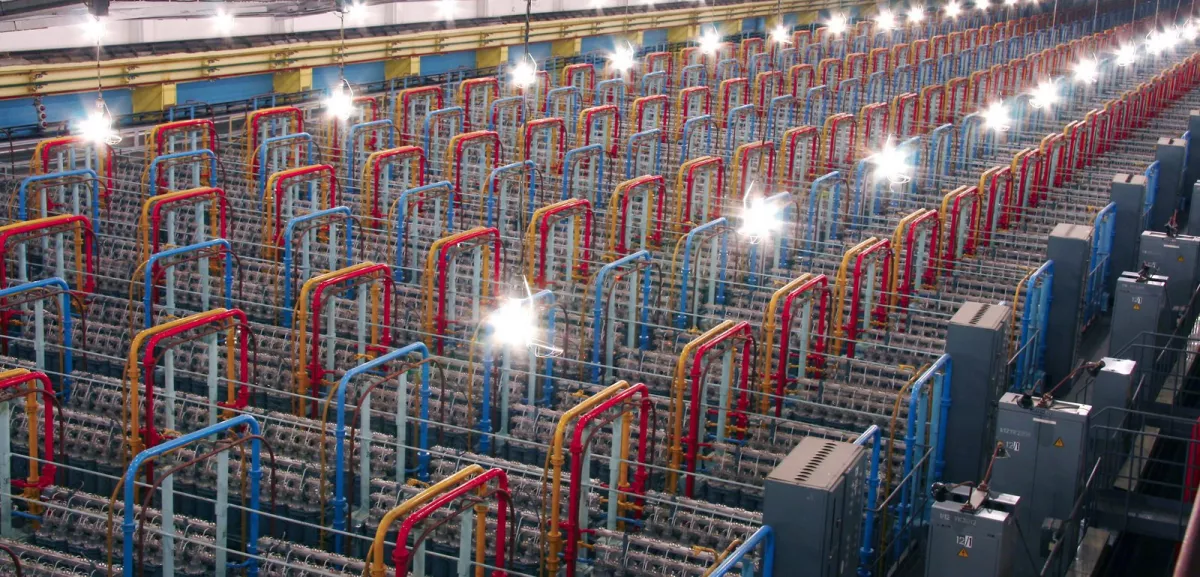
The core issue is that nuclear weapons provide certain, though not absolute, guarantees of regime survival, whereas their absence means the lack of such guarantees. For example, the leadership of North Korea — an adversary of the United States — is not subjected to bombings thanks to its possession of nuclear weapons and continues to control a population of 26 million people, largely employed in state-run enterprises that sustain the ruling elite. No one attempts to dismantle this system or threatens the physical elimination of the North Korean leadership.
In contrast, Iran has been subjected to American strikes, as Iraq was before it, precisely because it does not possess nuclear weapons. In both cases, parts of the ruling structures were eliminated, although in Iran the regime itself survived, but with changes in its leadership.
At the same time, Iran has had a negative experience with agreements with the United States. In 2015, Tehran concluded a nuclear deal with the administration of Barack Obama, with the participation of other countries, effectively exchanging limits on its nuclear program for partial sanctions relief, and largely complied with its terms.
However, in 2018, Donald Trump unilaterally withdrew the United States from the agreement and imposed the harshest sanctions in the history of U.S.–Iran relations. This raises the question: what would prevent a future U.S. president from abandoning Trump’s agreement as well?
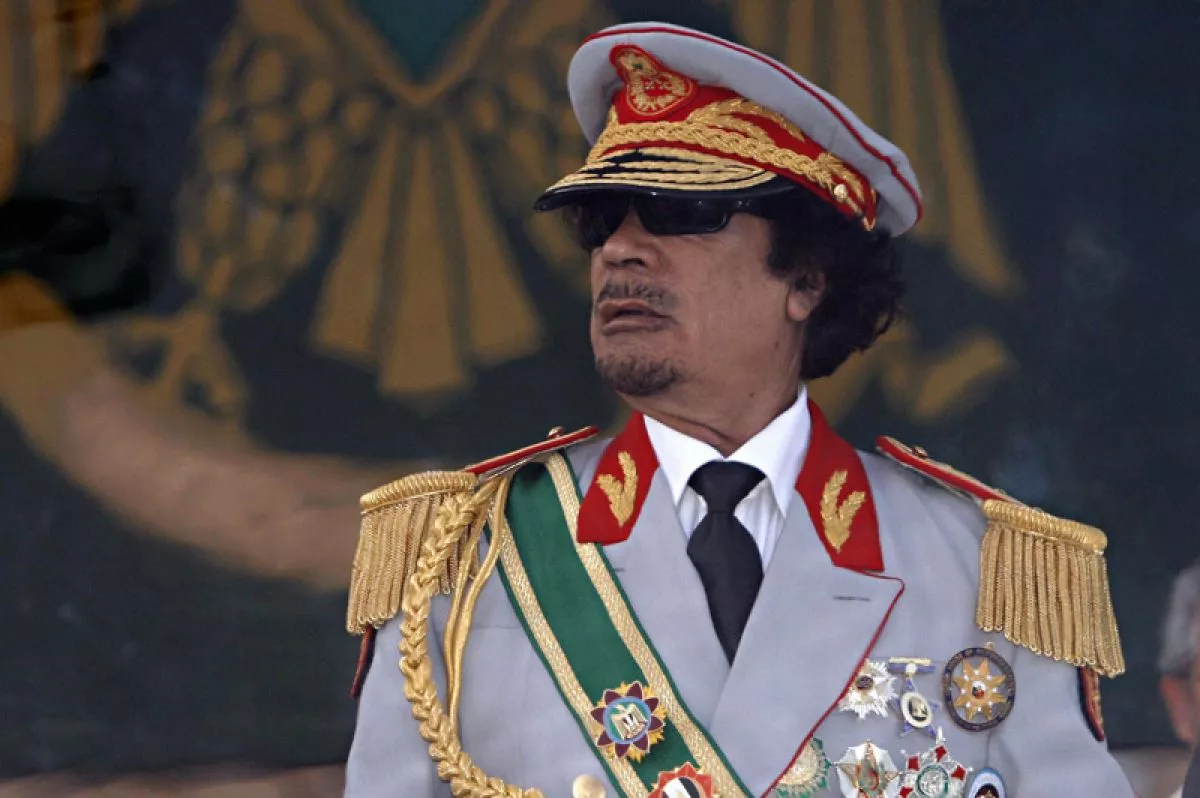
It would be a mistake to think the problem is exclusively due to Donald Trump's personality. Long before the agreement with Iran, the United States and its European partners reached an understanding with Libyan leader Muammar Gaddafi that, in exchange for abandoning his nuclear programme, Libya would not be attacked and would receive investment in its economy. However, when an uprising broke out in the country in 2011, American and European forces supported the rebels with airstrikes and helped overthrow and kill Gaddafi.
In Tehran, this was interpreted as evidence that American commitments do not carry much weight. As a result, Iran’s leadership concluded that it is more reliable to rely on nuclear weapons, as North Korea does, since this provides an effective deterrent against major powers.
The downside of such a choice is sanctions, leading to protests, strikes, rising prices, and unemployment. However, the examples of Iraq and Libya on the one hand, and North Korea on the other, appear to have convinced the Iranian elite that the nuclear path is the correct one, despite all the risks and costs involved.
Would Trump agree to a temporary deal with Iran?
The problem is that such an agreement would hardly look like a victory for Trump. Moreover, many would likely perceive it as a failure.
First, Trump launched a confrontation with Iran in order to force Tehran not only to abandon the development of nuclear weapons, but even to stop uranium enrichment for civilian purposes altogether, fully closing off the possibility of Iran acquiring nuclear weapons and making its nuclear sector dependent on international fuel supplies. In addition, Washington demanded the transfer of around 450 kg of uranium enriched to 60 per cent.
Second, the United States demanded that Iran abandon the development of its ballistic missile programme — potential delivery systems for nuclear weapons — and cease funding its proxy groups in the Middle East, including Lebanon’s Hezbollah.
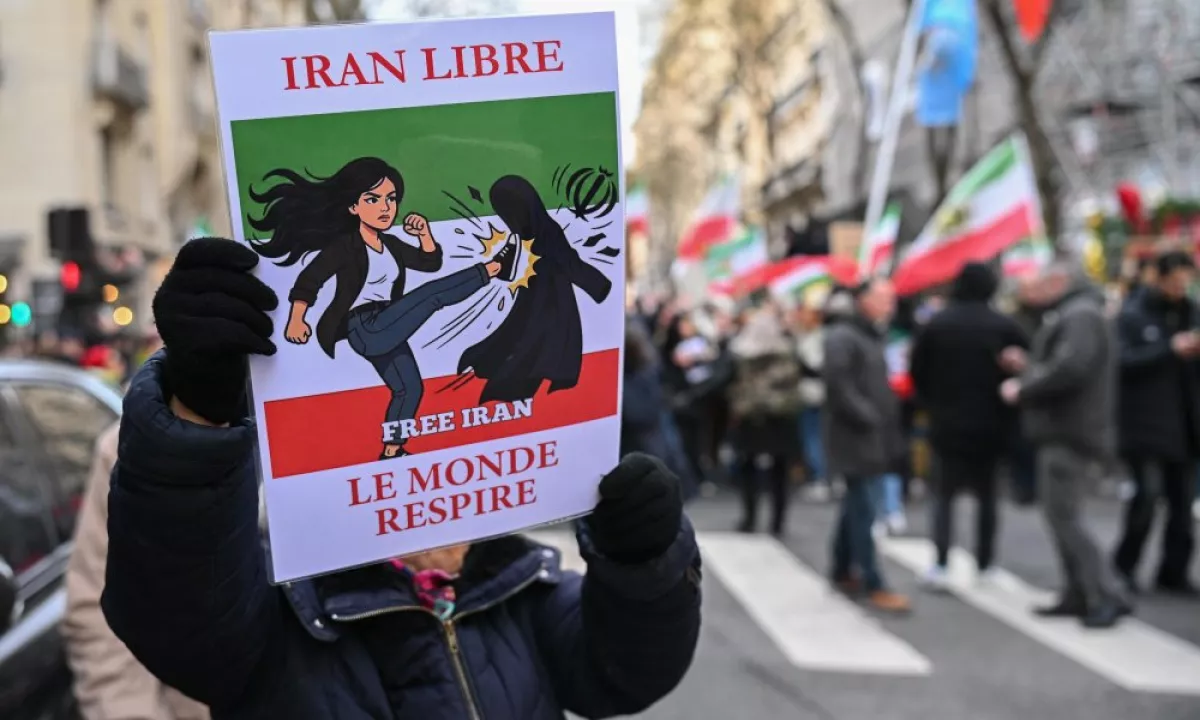
Finally, Trump stated his desire to support Iranian protesters in overthrowing the regime, promising them protection from the Islamic Republic.
If none of this is achieved, and instead Iran merely promises “negotiations on a nuclear deal” that could continue indefinitely, a natural question arises: what was the point of starting the confrontation at all?
The likely response from the U.S. administration would be that, together with Israel, it managed to inflict serious damage on Iran, setting back its nuclear and defence programmes by years. This is indeed true. However, even in that case, a temporary agreement with Tehran would mean that the main objectives of the confrontation have not been achieved. What does the United States actually gain in the end? In exchange for lifting the blockade on Iran — the lifting of the blockade of the Strait of Hormuz, which in practice did not exist before the war.
Critics of the administration in Washington would point out that as a result of these actions, people have died, including American service members, and the global economy — according to recent estimates — has lost around 25 billion dollars and has come to the brink of a recession that could lead to losses in the trillions. In addition, the United States has spent between 25 and 85 billion dollars on the war in the Persian Gulf, according to various estimates. But for what purpose? To ultimately return the situation to the state that existed before the war?
At the same time, Iran is now capable of keeping its hand on the throat of the global economy and dictating its terms, controlling the Strait of Hormuz and having the ability to block it at any moment.
Finally, although most Americans oppose the war, according to opinion polls, they simultaneously support a complete rejection by Iran of any nuclear programme, uranium enrichment, and the very possibility of developing nuclear weapons. And if such a deal is not reached, this would become an extremely uncomfortable story for the American leadership and would negatively affect its popularity.
All of this criticism will inevitably fall on Donald Trump and is unlikely to contribute to an increase in his approval ratings ahead of the elections scheduled in the United States for this autumn. On the other hand, continuing the war would lead to higher fuel prices, which would also negatively affect his ratings.
It is possible that the U.S. administration understands all of this. Especially since Iran continues to put forward new conditions, seeking to humiliate Washington. In addition, Israeli Prime Minister Benjamin Netanyahu is exerting significant influence on Trump in this matter, advocating the continuation of the war. One indicator of a possible continuation of the conflict is the fact that over the past month, the United States has been increasing its military capabilities in the Middle East, which means it has both the means and the motivation to continue hostilities.
Trump may believe that he will only be able to present his actions to Congress and voters as effective and justified if he secures the immediate transfer of Iran’s enriched uranium stockpiles or manages to seize them by force in a ground operation. Therefore, the likelihood of continued U.S. and Israeli military action against Iran remains high.







 editor@caliber.az
 +994 55 444-88-98
 Азербайджан, Баку, ул. Низами, 203, Af Business House, 5-й этаж