










UN, World Cup, and Israel in Africa Today’s geopolitical theatre
Let’s be honest: most Jews are exceptionally clever. That’s undeniable, even to their critics (of which I am not one, though I sometimes question certain decisions on a human level). Israel’s recognition of Somaliland is a textbook example of strategic precision—a long game played with almost surgical accuracy.
Now, consider the timing. The world is busy with Christmas trees, Santa, and New Year’s glitter. Meanwhile, in corners of the globe where these celebrations barely matter, the real decisions are quietly unfolding. Somaliland—what is it, really? Somalia, now split? Two countries? Fascinating.
Israel’s move isn’t random. It cleverly layers onto the rhetoric of President Trump, who dismissed Somalis as a people and called them “trash,” targeting both the nation and its diaspora in the U.S. Take Congresswoman Ilhan Omar, the most prominent Somali-American—under constant attack from the administration and congressional Republicans. Minnesota, their traditional stronghold, feels unprecedented federal pressure. The objective is obvious: to push as many Somalis out as possible. All within the law, of course—but laws are flexible, and new ones are always possible.
Some see Israel’s recognition as a Palestinian relocation scheme. That’s just the tip of the iceberg. Somaliland is a gateway to the Horn of Africa: Eritrea, Djibouti, Ethiopia, Somalia, and connections to Kenya, Uganda, Sudan, South Sudan. It sits on key maritime routes—the Indian Ocean, Gulf of Aden, Red Sea—and gives access to northern Africa and the Arabian Peninsula. In other words, it’s a hub, a strategic springboard.
Pay attention. This isn’t just about borders or politics—it’s about control of routes, influence over regions, and the quiet shaping of the next geopolitical moves.
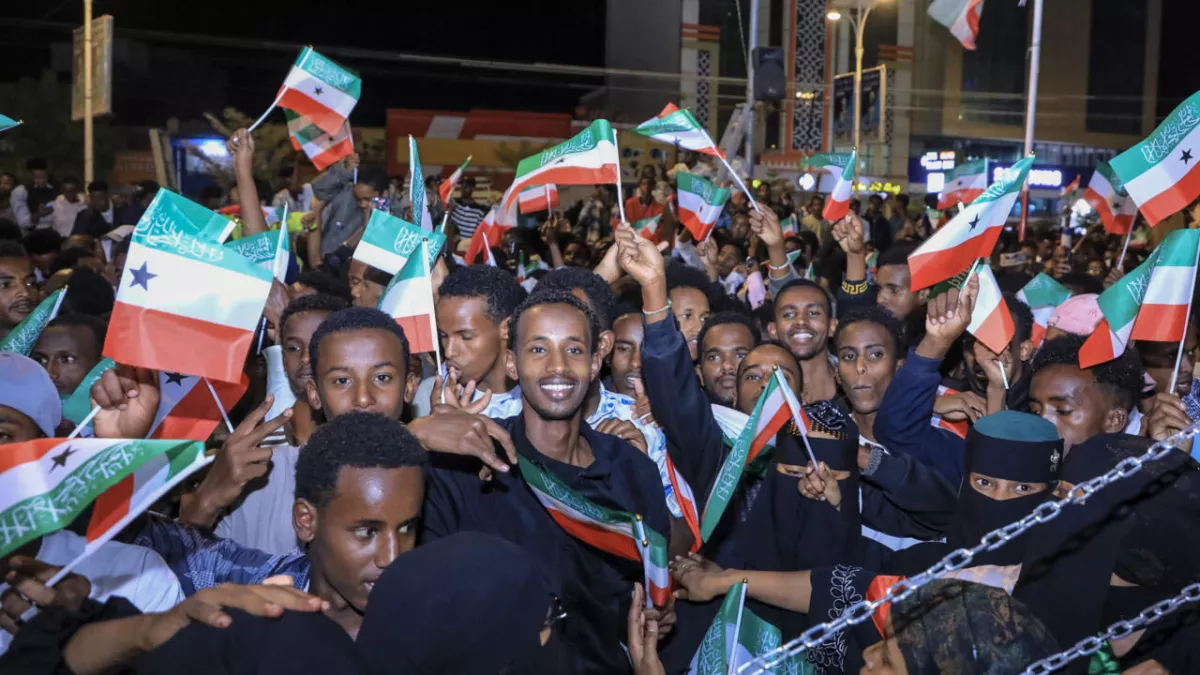
If we examine the conversation between the Israeli Prime Minister and the president of Somaliland—technically unrecognised, though already partially acknowledged—it’s no coincidence that agriculture was highlighted as a priority. The entire region is predominantly agrarian, and even relatively stable countries like Kenya suffer periodic droughts. Unlike Somalia, which is internationally recognised but largely ungovernable, Somaliland has steadily built functioning state institutions. It’s generally safe, has a track record of peaceful power transitions, and demonstrates an ability to cooperate effectively with foreign partners, both governmental and private.
For Israel, revitalising agriculture in this part of Africa could translate into influence over vast territories. Israel already maintains a presence in many African countries—discreet but effective. Another driving factor is competition: Israel and the U.S. are seeking to counter China, Türkiye, and even Russia, all of whom have spent years expanding their influence across the continent. Türkiye, for instance, plays a major role in Mogadishu, while about 7–8 years ago Russian defence officials visited Hargeisa to discuss a potential naval base—though that plan ultimately fizzled, with Somaliland leveraging the proposal for international aid instead.
Israel’s engagement in Hargeisa also fills a void left by the withdrawal of USAID and the sharp decline in foreign humanitarian support. From a strategic perspective, this is a clever move. It’s unlikely Israel will remain the sole country recognising Somaliland for long: Ethiopia signed a document in January 2024 effectively recognising Somaliland in exchange for port access, though the deal stalled. Unlike Ethiopia, Israel has the capacity to act decisively.
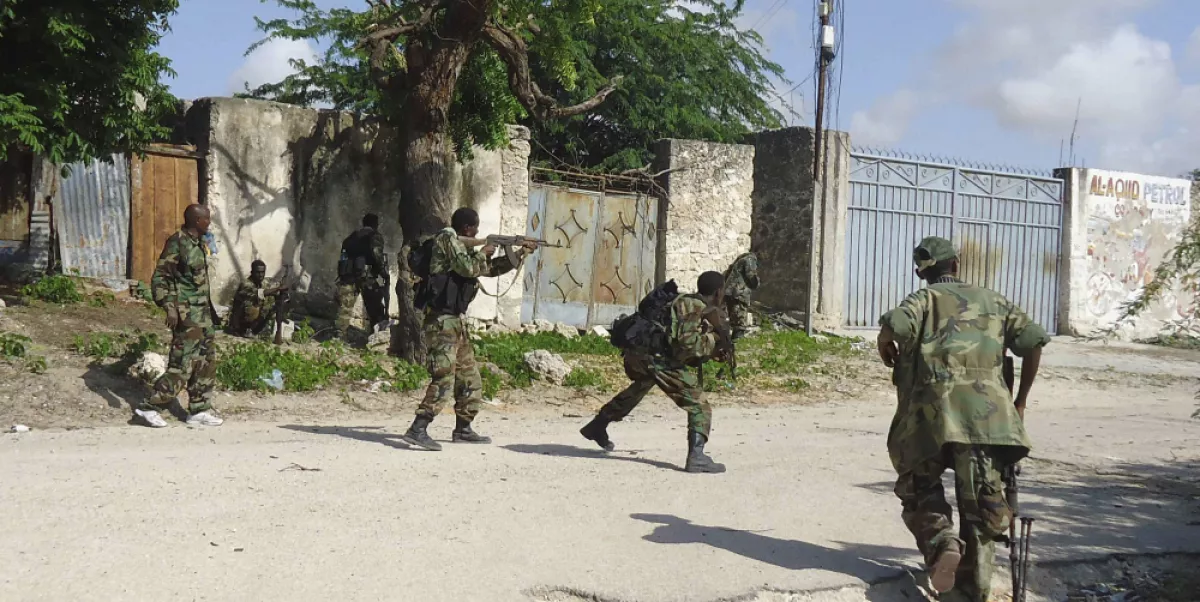
As for Mogadishu, the Somali government cannot be envied. While some nations express rhetorical support, the authorities control little of the country outside Somaliland, making meaningful resistance to the Israel-U.S. strategic push improbable. The real winners, paradoxically, may be Al-Shabaab, which could exploit the chaos with the logic: “We cooperated with the West—so here’s your reward.” Even before Israel’s recognition, Mogadishu was struggling to contain terrorism, and the situation is unlikely to improve.
And what do Iran, Egypt, and LGBT flags have to do with all this? They have nothing to do with it—the topic is different—but here there’s both comedy and tragedy.
On June 26, a World Cup match in Seattle is planned under LGBT banners, a decision by the local minority community. Activists had tried the same in Qatar—only to be warned of “acute activist respiratory distress.” FIFA sided with local traditions, and the stunt was shelved. Seattle, however, is not Doha. Cultural particularities cannot shield this time. Yet the match features Egypt and Iran: Egypt demands its teams not be dragged into the issue, while Iran may withdraw entirely. Ironically, Washington may not mind.
Meanwhile, the UN is electing a “brilliant” Secretary-General—after Guterres, whose tenure was overshadowed by failing to make way for a woman. But does it matter? Twenty years ago, the UN might have restrained Israel on Somaliland. Today? The UN can speak, but its influence is limited, and the world moves forward regardless. Obsessed with rainbow banners, it fails to notice its own blue fading against the global map framed in olive branches. A pity.







 editor@caliber.az
 +994 55 444-88-98
 Азербайджан, Баку, ул. Низами, 203, Af Business House, 5-й этаж