










Armenia: A step toward peace or two steps back? Article by Matanat Nasibova
In his speech at the United Nations Human Rights Council session in Washington, Armenian Foreign Minister Ararat Mirzoyan reiterated Yerevan’s commitment to peace with Baku. Yet, some of his statements raise significant questions.
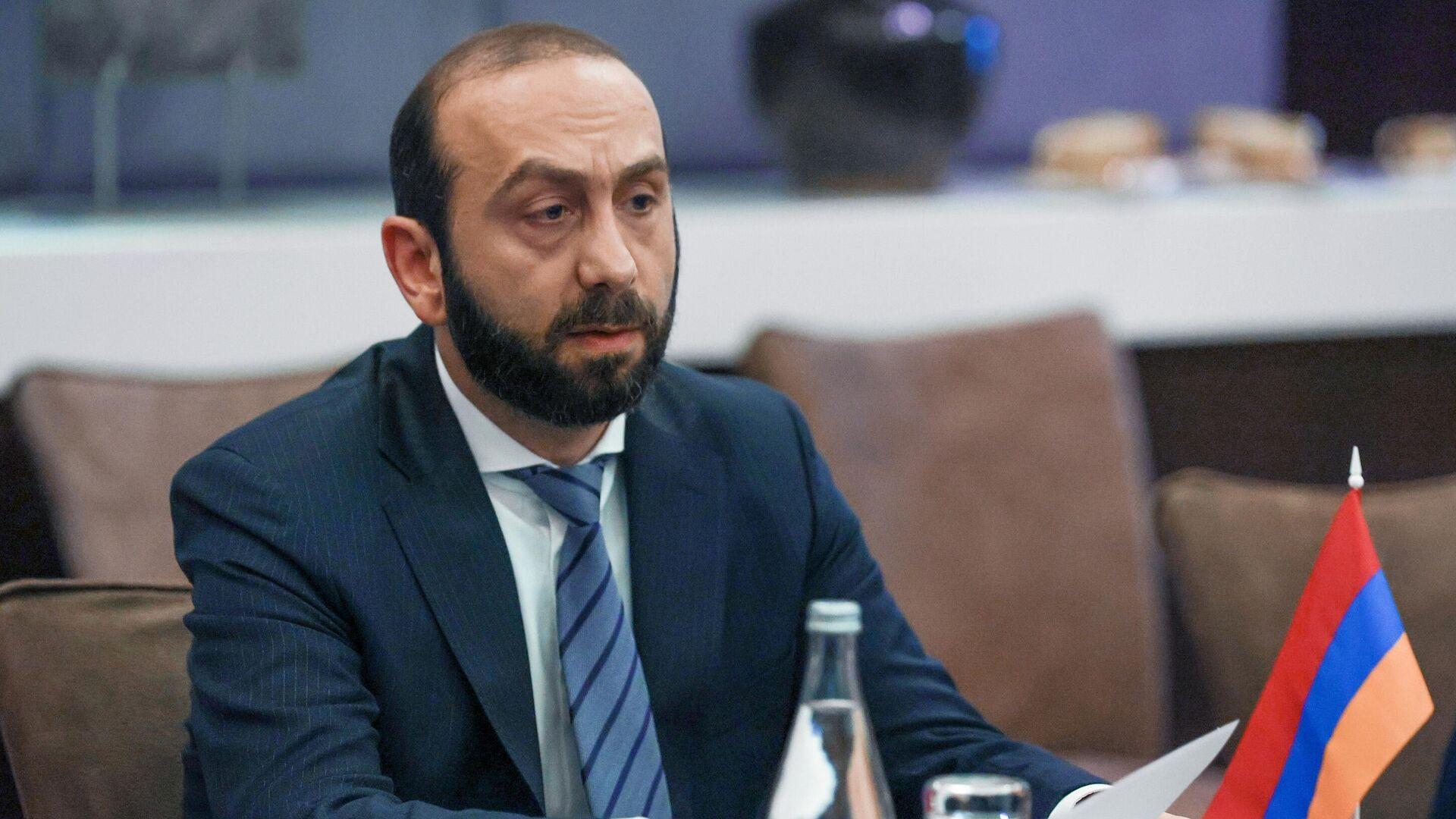
He specifically highlighted that the reconciliation process between Armenia and Azerbaijan is complicated by the presence of “Armenian detainees” in Baku:
"Though the painful humanitarian consequences of the conflict are still to be resolved and the wounds of the distant and recent past linger on, we have chosen the difficult path of reconciliation. This is indeed a difficult endeavor with 19 Armenian detainees still being held in Baku, and need for clarification of the fates of missing persons and cases of enforced disappearances."
This statement by Armenia’s foreign minister not only misrepresents the reality of the situation but also plays into the hands of those intent on obstructing comprehensive peace in the South Caucasus.
First, by using the term “Armenian detainees,” Mirzoyan, whether intentionally or not, ignores the fact that these Armenian citizens committed acts against the Azerbaijani state and its people over an extended period—acts that, under international judicial standards, constitute crimes against peace and humanity. This was established during court proceedings that began on January 17, 2025 and concluded with verdicts issued on February 5 and 17, 2026.
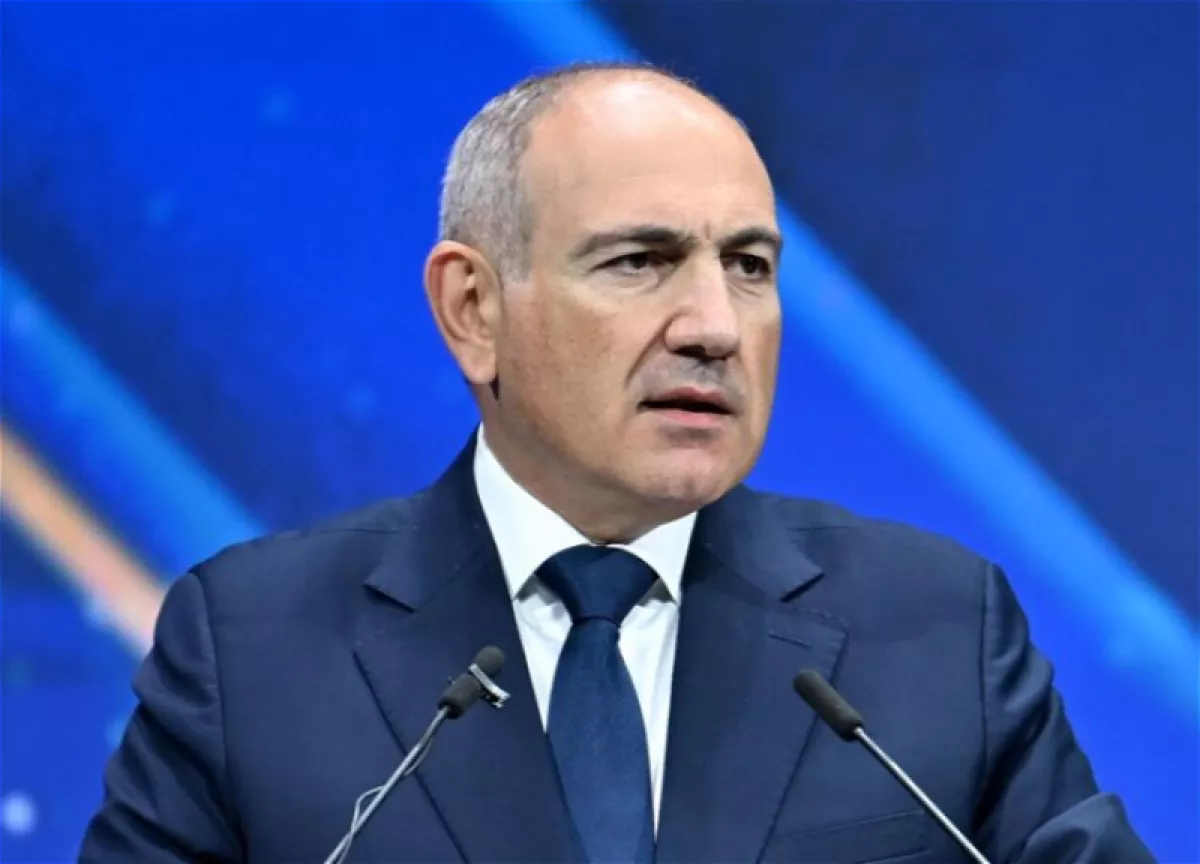
In principle, this topic has frequently appeared on the agenda of Armenian officials. For context, it is worth recalling that relatively recently, in an interview with the Public Television Company, Armenian Prime Minister Nikol Pashinyan stated that the issue of “Armenians detained in Baku” was discussed during the visit of U.S. Vice President J.D. Vance to Yerevan. Earlier, in October 2025, the Armenian leader also mentioned during a briefing for journalists that daily work was ongoing in this direction.
"The Government of Armenia continues continuous daily efforts aimed at freeing those held in Baku," he emphasised, assuring that "maximum efforts are being made to secure the return of Armenian prisoners."
However, Azerbaijani President Ilham Aliyev recently put a definitive end to this issue in an interview with France 24 during the Munich Security Conference. Stating that U.S. Vice President J.D. Vance had raised the topic of releasing Armenian separatists during their meeting in Baku, the head of state noted that "these are the leaders of the illegal separatist regime, which illegally functioned on our territory, on the territory of the sovereign Azerbaijani state, recognized as such by the entire international community, including Armenia."
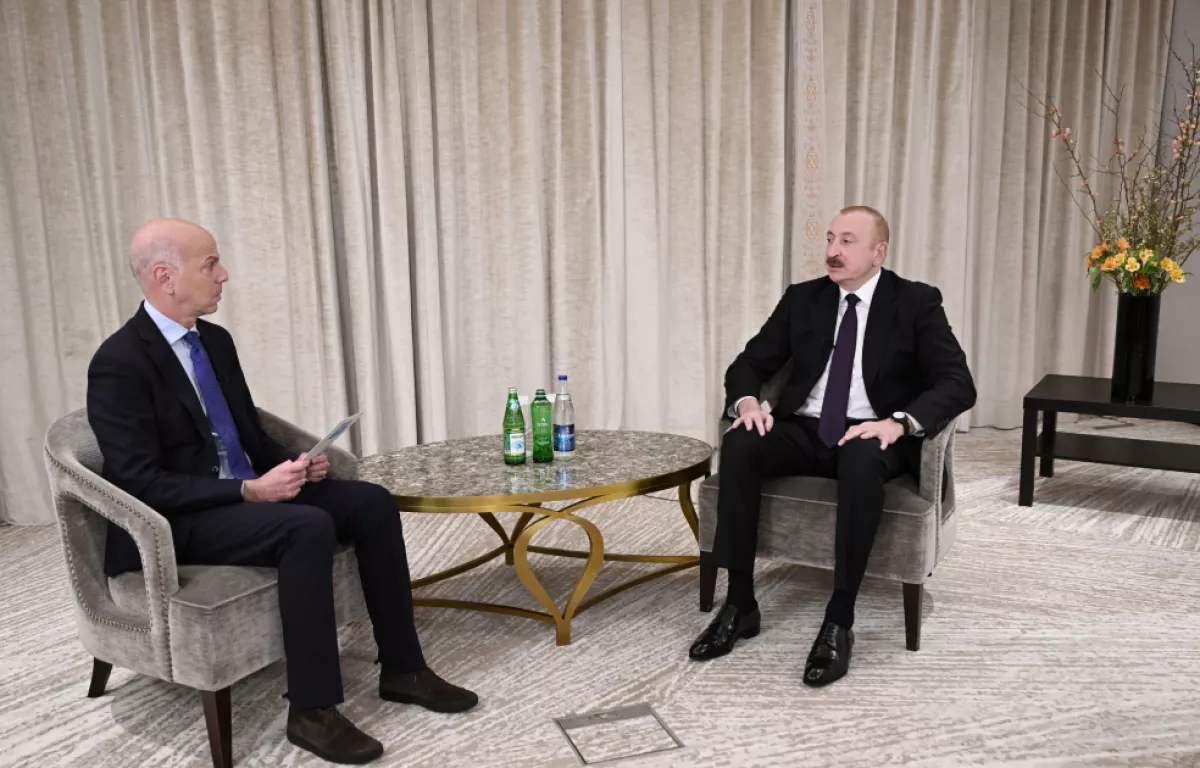
"For many years, these people were masterminds of all the war crimes against Azerbaijanis and Azerbaijan, and they were brought to justice. They were detained in Garabagh as a result of our military operation and brought to justice. They were provided with lawyers. The trial was absolutely transparent. Their crimes were proven by the testimonies of witnesses, numerous testimonies, and there is no question about suspicion of wrongdoing [...] these people committed serious crimes against humanity. Imagine after the Second World War, the Nuremberg trials, and all those Nazi leaders, who were sentenced to death, in two months some would come and say, please release them [...] Their crimes were even worse than what the Nazis did during World War II," said the Azerbaijani leader.
In this way, the President of Azerbaijan responded to all statements from the Armenian side—and beyond—and made it clear to the entire international community that only the Azerbaijani state has the right to make decisions regarding Armenian war criminals. These crimes were committed on the territory of Azerbaijan and against its citizens, in acts of horrific violence such as the Khojaly Genocide. This is precisely a case in which the verdict is not subject to appeal.
Secondly, as is well known, this topic is actively used by opposition circles in Armenia as a card against the current government and to fuel revanchist sentiments. By raising this essentially exhausted issue from such a high platform, Ararat Mirzoyan indirectly opens the door for opponents of peace to influence public opinion. It is quite possible that some ordinary Armenian citizens could fall for such manipulations by supporters of the “party of war,” which bodes poorly for the current authorities, especially ahead of the parliamentary elections scheduled for summer 2026.
Regarding the Armenian side’s intention to present a resolution “On the Prevention of Genocide” at the current session of the Human Rights Council, which the country’s foreign minister also mentioned in his speech, several points deserve attention. In particular, this initiative by Armenia could well be interpreted as a veiled attempt to draw the international community’s attention once again to the so-called “Armenian genocide,” despite Pashinyan’s statement that this issue is no longer part of Armenia’s foreign policy priorities. On the other hand, when viewed in the context of historical events, it also highlights an element of diplomatic pressure applied “with a soft touch,” which contradicts the current regional agenda.
Today, with the South Caucasus de facto entering an era of peace, Armenia has a real opportunity to reshape its reputation and demonstrate to the entire international community its readiness for responsible conduct both regionally and globally. The current Armenian authorities should fully seize this opportunity, as now is the time for concrete actions—an era that does not tolerate symbolic initiatives or loud statements unbacked by deeds.







 editor@caliber.az
 +994 55 444-88-98
 Азербайджан, Баку, ул. Низами, 203, Af Business House, 5-й этаж