










EU enlargement: A panacea for the Union’s problems? Examining the costs and benefits
The head of European diplomacy, Kaja Kallas, stated at the EU Ambassadors’ Annual Conference that the Union’s enlargement should be accelerated, as it is “the antidote to Russian imperialism, and a sign that the most ambitious multilateral project in history, the European Union, is here to stay.”
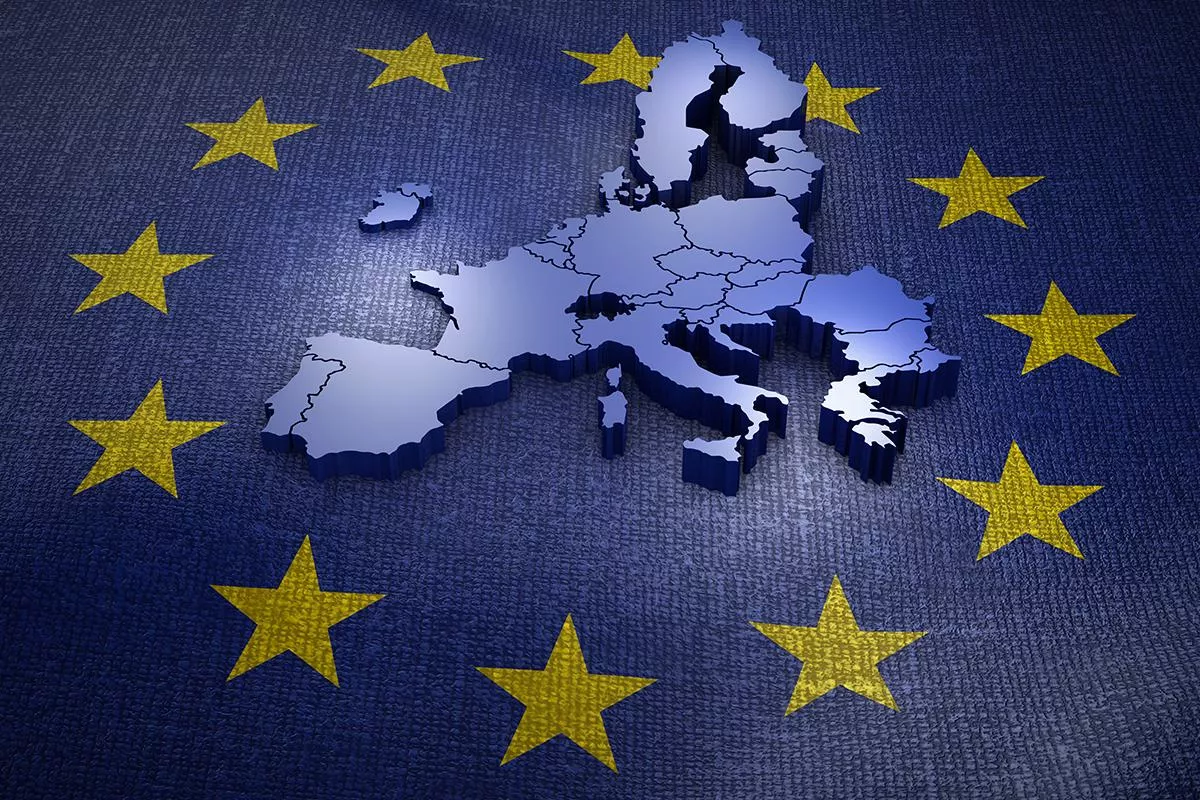
However, a number of members of the European community received this speech rather coolly. It is quite possible that this is due to the fact that since 2013, when Croatia joined the European Union, the organization has faced a fundamental dilemma: “Will the admission of new members strengthen the Union, or will the accession of financially less stable countries with weak democratic institutions, which also have close economic and cultural ties with Russia, only undermine a unified and unbreakable bloc of European countries?”
Meanwhile, despite numerous reasons to oppose enlargement, concerns about potential costs have rarely been taken into account, since the European Union is fully capable of covering the financial expenses associated with admitting, for example, Balkan countries. The situation with Ukraine is somewhat more complex, but with sufficient political will, the financial aspects of its integration are also manageable.
The costs of EU enlargement are usually borne by European taxpayers, whose opinions matter little, while the profits go to the large businesses of Germany, France, and the Netherlands. Their interests carry far more weight for politicians, and it is precisely these companies that are the main beneficiaries of EU expansion, as banks and corporations from wealthy European states gain access to the markets of new countries, whose industries and agriculture are dismantled under the pretext of transitioning to “Euro standards.”
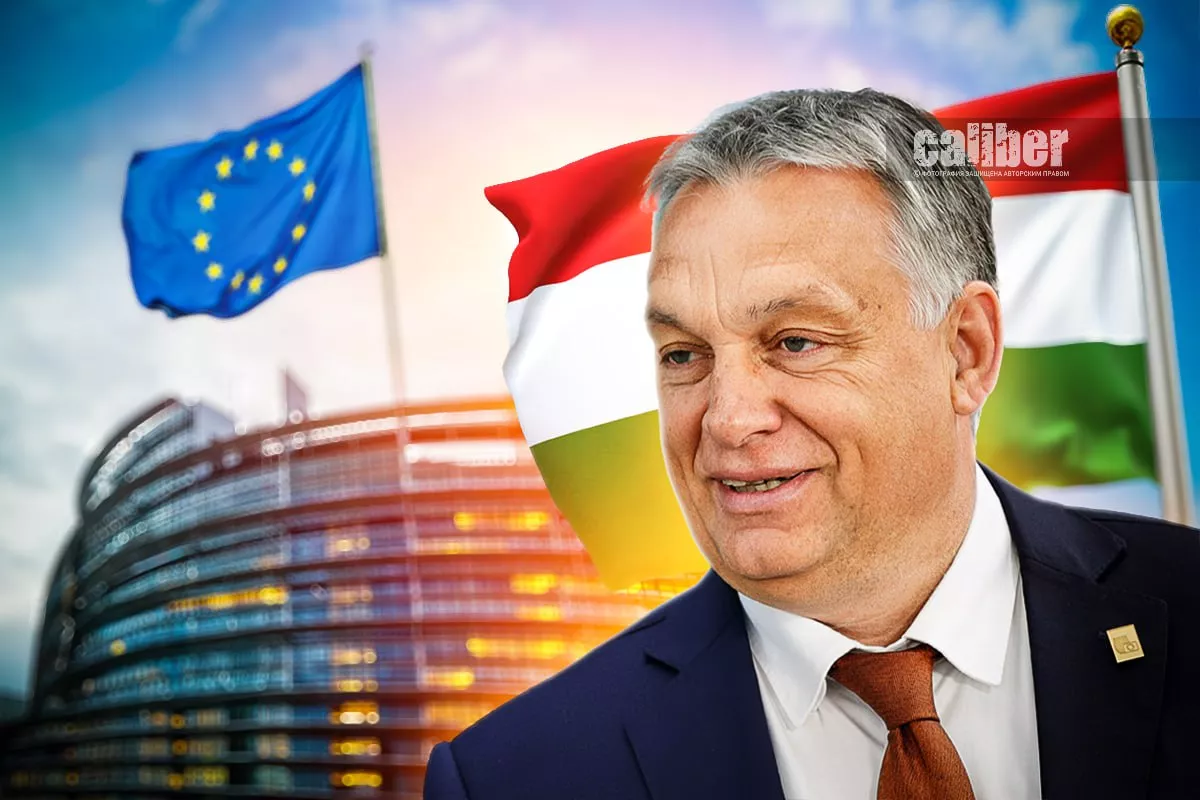
A much greater concern for Euroskeptics is the potential for newly admitted members to use their veto power in decision-making and reject the reforms imposed on them immediately after joining the Union. The most well-known example of such “unforgivable” behavior is Hungary, whose Prime Minister, Viktor Orbán, regularly criticizes European structures, comparing the EU to the former Soviet Union and calling it a “poor imitation” of the USSR. At the same time, Budapest recently blocked European aid to Kyiv, and the country’s parliament passed a resolution opposing Ukraine’s accession to the European Union.
Since the start of the Russian-Ukrainian war, security issues have become the main driver of European integration. In 2022, the list of EU accession candidates was expanded to include Albania, Bosnia and Herzegovina, North Macedonia, Serbia, Montenegro, Ukraine, and Moldova, and in December 2023, Georgia was granted candidate status. In 2026, Iceland is returning to the topic of EU membership, with a referendum on the issue scheduled for August.
As a result, today, caught between the desire to continue expansion and the criticism of Euroskeptics, the European Commission is considering various EU enlargement schemes that would not weaken its decision-making capacity. One possible option is to transform the bloc into a two-tier structure, in which the membership of new countries would be partial: these states would waive their veto rights for an indefinite transitional period but would have full access to EU funds, institutions, and the single market.
In principle, this idea has a precedent—transitional periods for new EU members have been applied before. For example, in 2004, Bulgaria and Romania faced restrictions on the free movement of labor for up to seven years. However, those measures were limited to specific areas, were clearly time-bound, and did not affect the institutional rights of the new EU member states.
At the same time, Brussels emphasizes the need to strengthen guarantees for upholding the rule of law, which will be enshrined in EU accession treaties and allow mechanisms to maintain control over the external and internal policies of new member states. In particular, representatives of the European Commission praise the upcoming accession treaty for Montenegro as the first of a “new generation,” granting the Union tools of oversight and enforcement that can be used if new countries display excessive independence or defiance. However, critics argue that these rules undermine trust in the accession process—essentially, the European Union publicly blurs the concept of membership and changes the conditions halfway through, without taking on clear political commitments regarding timelines.
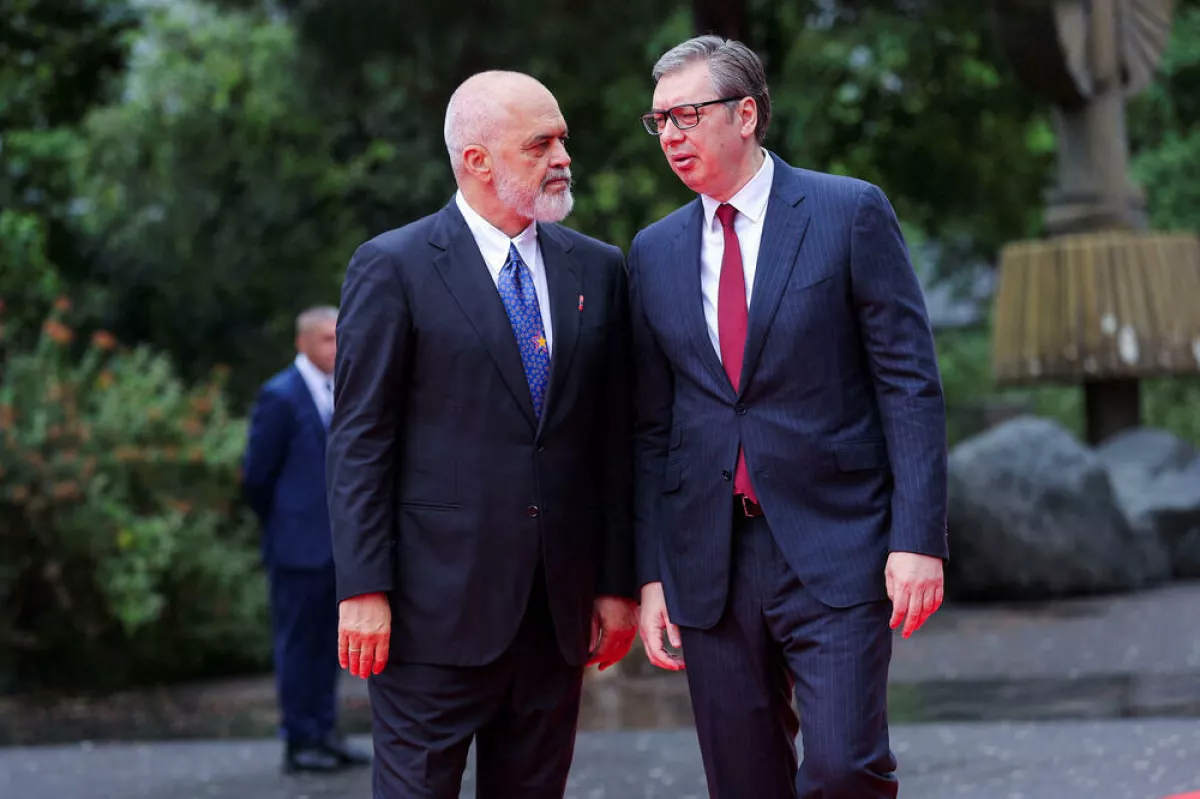
Meanwhile, in a co-authored article for the Frankfurter Allgemeine Zeitung, Serbian President Aleksandar Vučić and Albanian Prime Minister Edi Rama stated that they insist not on full European Union membership, but on their countries being admitted to the single European market and the Schengen Area. This would grant them even fewer institutional rights than those discussed under the EU’s proposed “second-tier membership,” making the Western Balkan countries participants in the European Economic Area, but without the rights enjoyed by EU member states.
This idea is by no means new; it has been discussed for nearly a decade, mainly in think tanks such as the “Berlin Initiative.” The idea is that in the absence of clear political will for enlargement, the European Union should offer candidate countries something reliable and politically feasible for a transitional period, allowing them to remain within the EU’s economic orbit until they are ready to become full members.
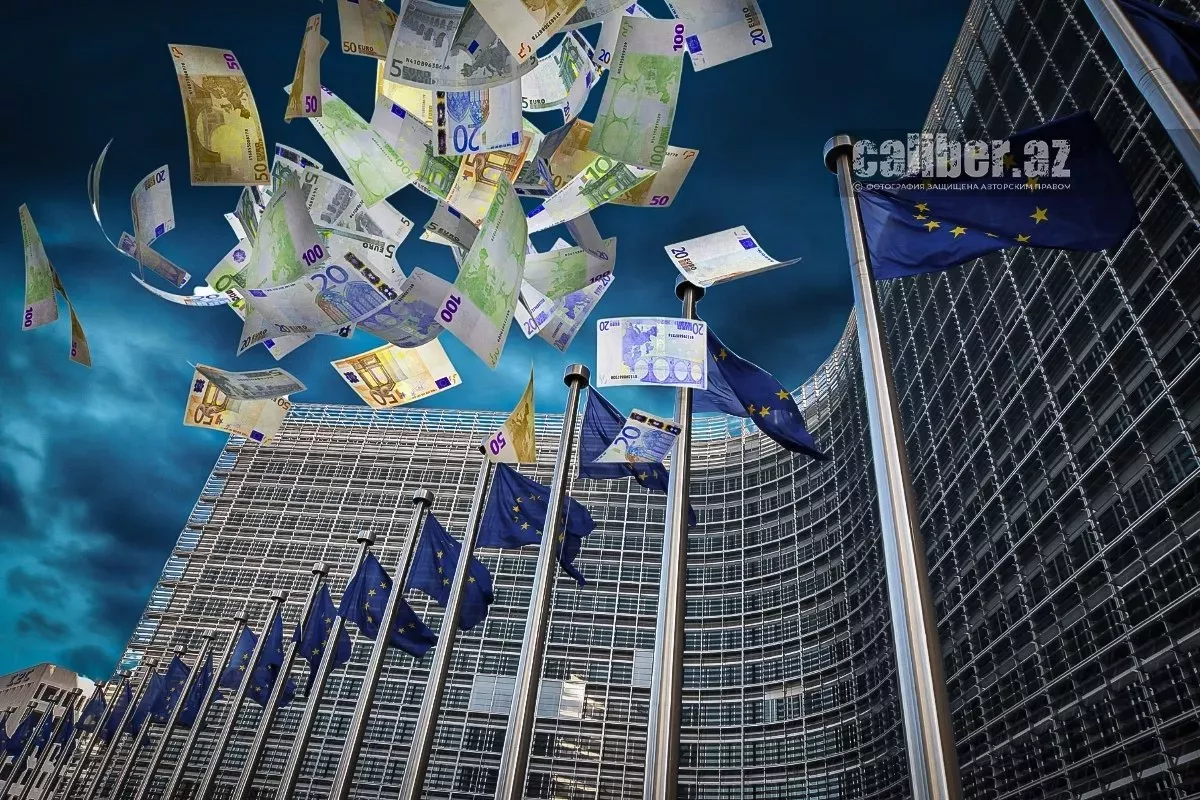
However, there are reasons to believe that support for such ideas from Rama and Vučić is driven by the fact that, according to some reports, Brussels has suspended financial aid to Serbia under the pretext of a “deteriorating rule-of-law situation in the country,” while Edi Rama has become embroiled in a conflict with the country’s judiciary, backed by the EU.
Thus, the leaders of potential EU member states are seeking access to European markets and even EU funding, while avoiding the political dependence imposed by Brussels—a stance that displeases EU institutions and strengthens the position of Euroskeptics.







 editor@caliber.az
 +994 55 444-88-98
 Азербайджан, Баку, ул. Низами, 203, Af Business House, 5-й этаж