










Costa in Baku and the new Khamenei in Iran Caliber.Az weekly review
The editorial team of Caliber.Az presents the latest episode of the programme “Events” with Murad Abiyev.
Azerbaijan
European Council President António Costa paid an official visit to Baku. The main topics of his talks with Azerbaijani President Ilham Aliyev focused on developing Baku–Brussels relations. Key areas of cooperation highlighted by both sides included energy, security, transport, and digital technologies.
In a press statement, President Aliyev emphasised that energy partnership remains a key priority. Since the signing of the 2022 Strategic Energy Cooperation Agreement, Azerbaijan has significantly increased its gas exports to Europe, which are now received by ten EU countries and, overall, sixteen states. Baku plans to further boost gas production, aiming to add at least 10 billion cubic metres to current volumes in the coming years. At the same time, the country is actively developing renewable energy—solar, wind, and hydro—planning eventually to export 6–8 gigawatts of “green” energy.
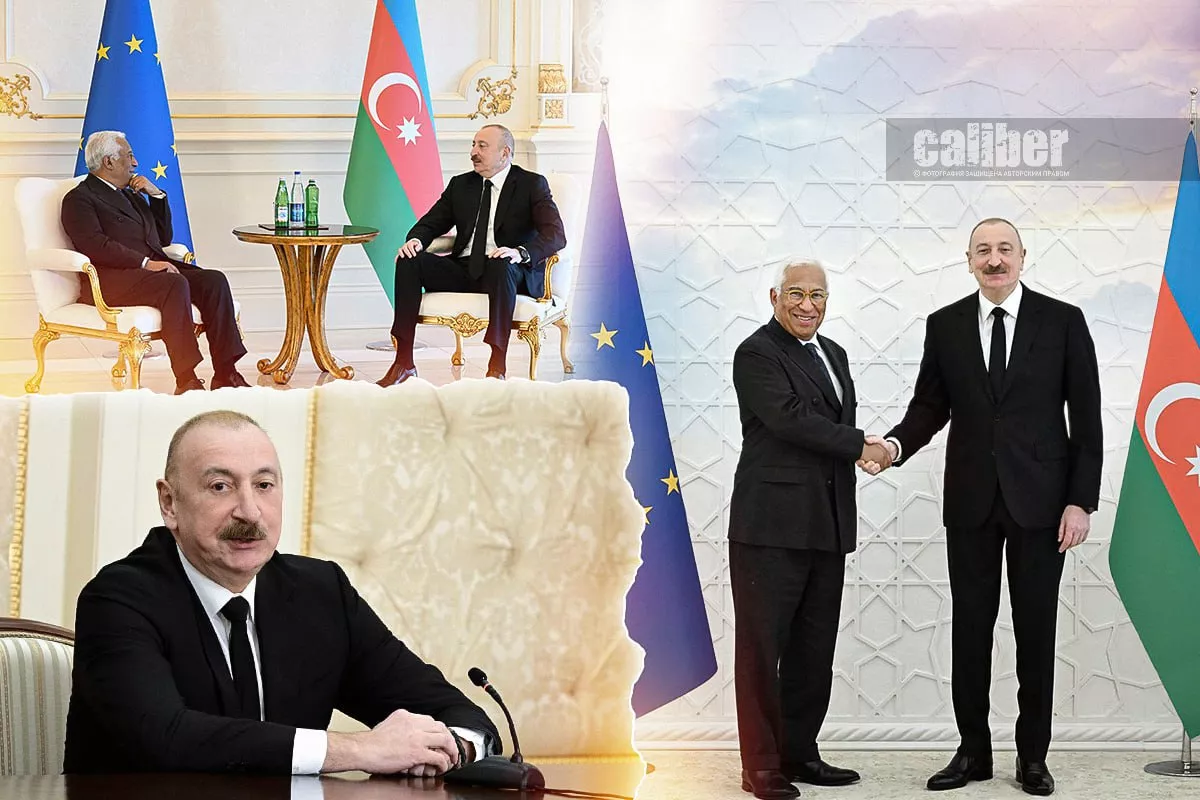
António Costa, among other points, stressed that Azerbaijan plays a key role in the EU’s efforts to diversify energy supplies, particularly through the Southern Gas Corridor, and that in the context of instability in global energy markets, this partnership is even more significant. According to him, the European Union is ready to support Azerbaijan’s energy transition and to attract investments and European companies for the development of clean technologies.
Indeed, Europe, on one hand, is cut off from hydrocarbons needed for electricity generation from Russia. On the other hand, the issue of energy exports and transit from Azerbaijan to Europe becomes even more pressing against the backdrop of the worsening hydrocarbon supply crisis in the Middle East. Even if the war in that region ends soon and supplies return to previous levels, the precedent has already been set. This precedent compels Europe to diversify not only its imports of oil and gas but also the electricity derived from them. Moreover, the transition to renewable energy sources is likely to accelerate, further boosting the project to import green energy from Azerbaijan.
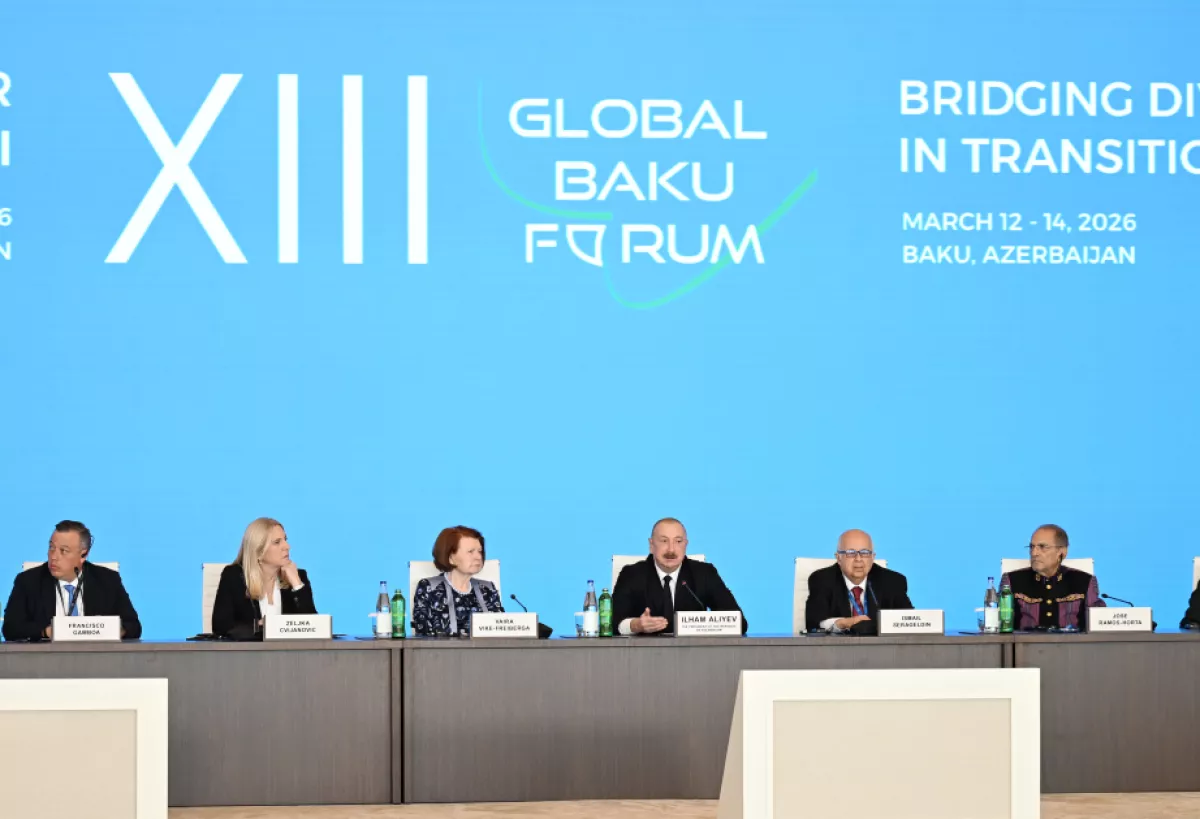
Baku recently hosted the 13th Global Baku Forum on “Bridging Divides in a World in Transition.” President Ilham Aliyev delivered the opening speech at the forum.
In his address, Aliyev touched on global instability and the rising number of conflicts undermining the international legal system, while emphasising the importance of energy security. He highlighted Azerbaijan’s role as a reliable supplier of oil and gas and a participant in the OPEC+ format, advocating for balanced and predictable energy prices.
Another key topic was transport connectivity. Aliyev stressed that Azerbaijan has actively invested energy revenues into developing logistics infrastructure and today plays a central role in the international “East–West” and “North–South” transport corridors. He also noted that peace with Armenia opens additional opportunities for expanding transport routes across the region.
Middle East
The military operation by the United States and Israel against Iran continues. Meanwhile, in Tehran, the Assembly of Experts announced the election of a new Supreme Leader of the country—Mojtaba Khamenei, son of Ali Khamenei.
The new Rahbar is known for his close ties to the Islamic Revolutionary Guard Corps (IRGC), and his election indicates that this structure has prevailed in the internal struggle among Iran’s elite. At the same time, reports suggest that Mojtaba Khamenei may be seriously injured and unable to perform leadership functions. If true, his election further highlights the growing role of the IRGC in Iran’s governance. Sharp statements read out in Mojtaba Khamenei’s name—or by the IRGC, which in this context is essentially the same—confirm Tehran’s intent to continue the war.
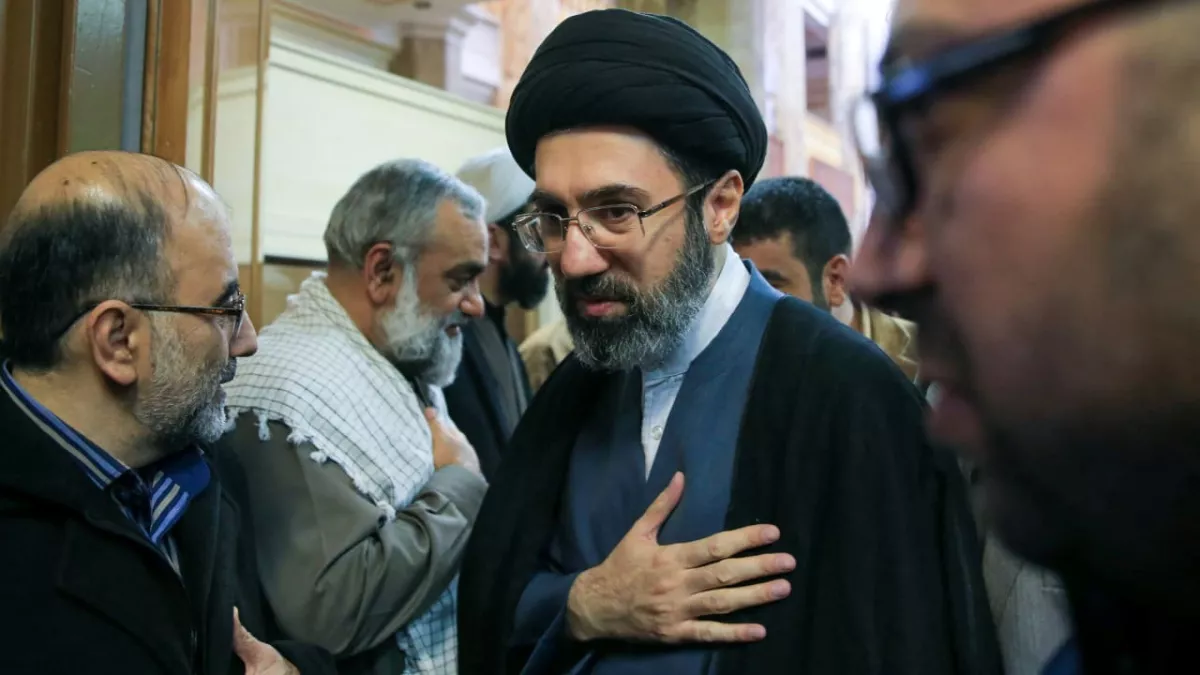
Overall, the very fact of a new Rahbar’s election demonstrates that Iran has withstood the first wave of pressure from the United States and Israel and remains capable of reproducing its governance system under crisis conditions. Hopes among its allies for mass protests in Iran have so far not materialised. On the contrary, war with an external adversary—often a unifying factor—has, if not rallied all Iranians around the current regime, at least clearly reduced the willingness of the protesting segment of the population to take to the streets.
Donald Trump, on one hand, avoids specifying when the war will end, but on the other claims that “we have already won.” In any case, the United States and Israel continue their systematic efforts to dismantle the military potential of the Islamic Republic.
The blockade of the Strait of Hormuz remains Tehran’s main weapon, especially since it does not require much firepower. It is enough, once a week or even once a month, to fire in the direction of any vessel to discourage navigation through the strait. At the same time, Tehran has allowed passage for Chinese and Indian ships. However, the blockade of the strait for other countries, along with strikes on oil infrastructure in the Persian Gulf monarchies, will inevitably drive up oil and petroleum product prices—an issue that also affects U.S. domestic politics and the approval rating of the sitting president.
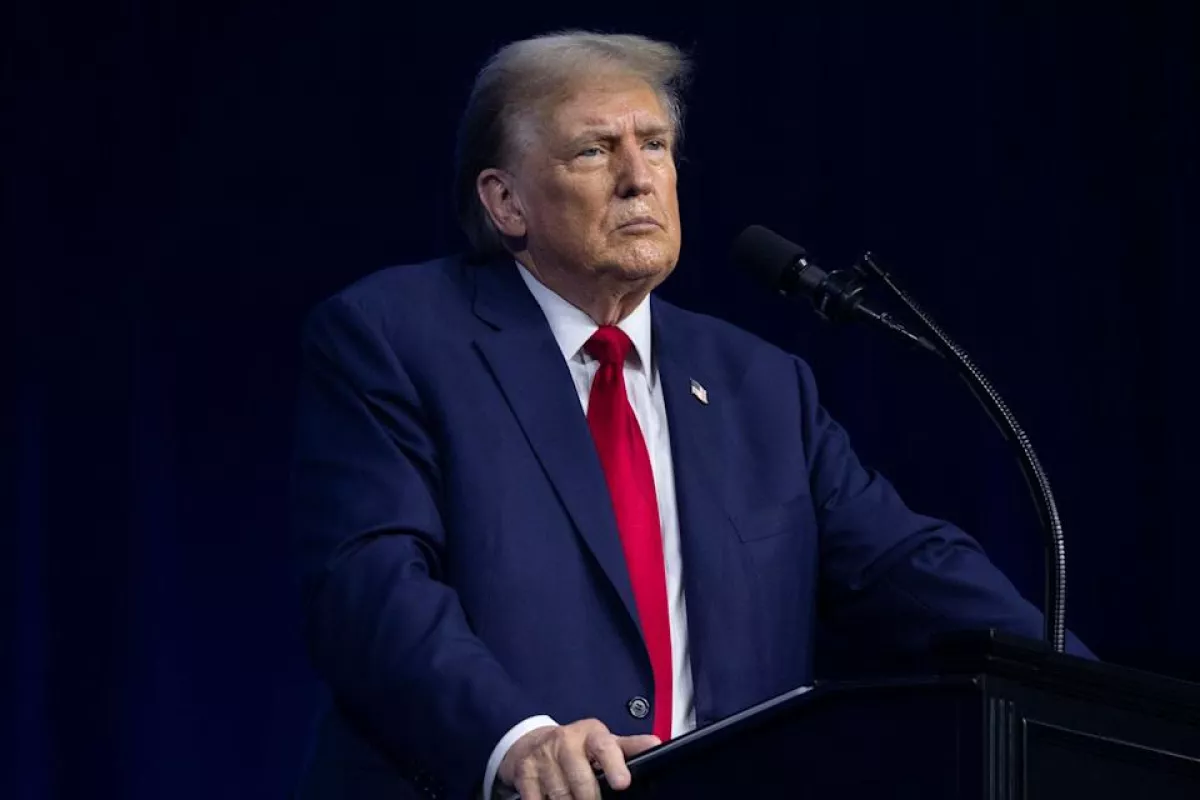
In this sense, Trump has limited room for manoeuvre. He could spend more time fully dismantling Iran’s military potential before declaring an end to the operation. Yet, a U.S. withdrawal from the war does not necessarily mean an end to Iran’s involvement. By maintaining the blockade of the Strait of Hormuz, Tehran can manipulate oil prices for as long as it wants, with all the political repercussions this entails for Trump.
Under these circumstances, the U.S. objective could be either the complete elimination of all current and potential Iranian leaders or a ground invasion. Neither scenario promises a swift end to the conflict.
On the other hand, a sudden end to the war could benefit the current Iranian regime, allowing it to claim the capitulation of its adversaries and further consolidate power, whereas continuing the “oil war” offers no guarantee of ultimate victory. Thus, the possibility of a relatively quick end to hostilities still exists.







 editor@caliber.az
 +994 55 444-88-98
 Азербайджан, Баку, ул. Низами, 203, Af Business House, 5-й этаж