










EU’s new geography — a focus on Baku Costa travels to Azerbaijan
In a period of global turbulence, visits by high-ranking representatives of international institutions to a particular country acquire special significance and interpretation. This context perfectly frames the first official visit of the President of the European Council, António Costa, to Azerbaijan, which takes place today, March 11.
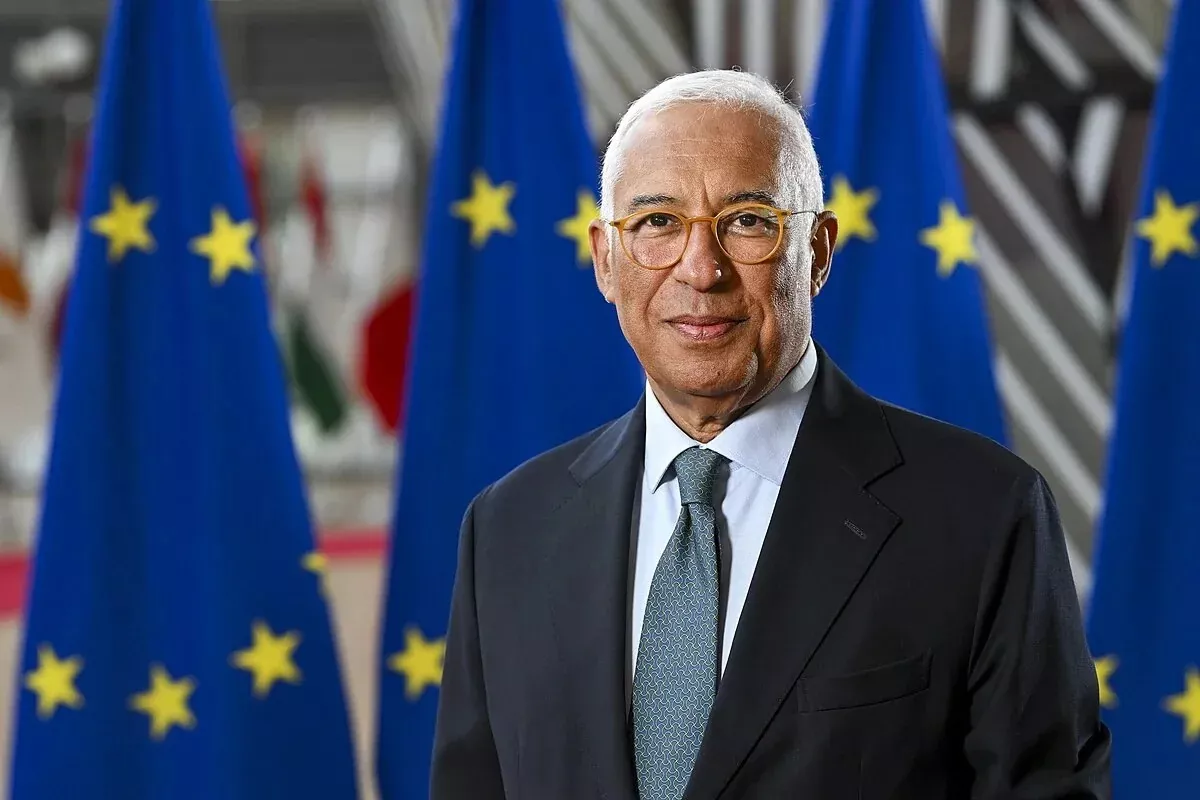
Importantly and notably, Costa’s visit is not regional in nature; it is not part of a tour of the South Caucasus countries. It is focused solely on Azerbaijan, which in itself signals the growing importance of the country in the contemporary international landscape. This has been made possible, in part, thanks to Azerbaijan’s victory in the Patriotic War of Autumn 2020 and the successful one-day anti-terrorist operation in September 2023, which resulted in the full restoration of the country’s territorial integrity and sovereignty. Thus, the long-standing Armenian-Azerbaijani conflict has faded into history, and new realities have emerged in the South Caucasus.
In this context, it is worth noting the efforts of António Costa’s predecessor as President of the European Council, Charles Michel, in mediating the conflict between the two countries. Under his facilitation, negotiations between Azerbaijan and Armenia were held in Brussels over several years, and the post-conflict period included discussions on the normalisation process between the two states.
The signing on August 8, 2025, in Washington, in the presence of the leaders of Azerbaijan, Armenia, and the United States, of the “Agreement on the Establishment of Peace and Interstate Relations between the Republic of Azerbaijan and the Republic of Armenia” was a truly historic event, opening a new chapter of peace in the region’s history. This development is particularly significant today, as the principle of state territorial integrity faces serious pressure and is being challenged in various parts of the world.
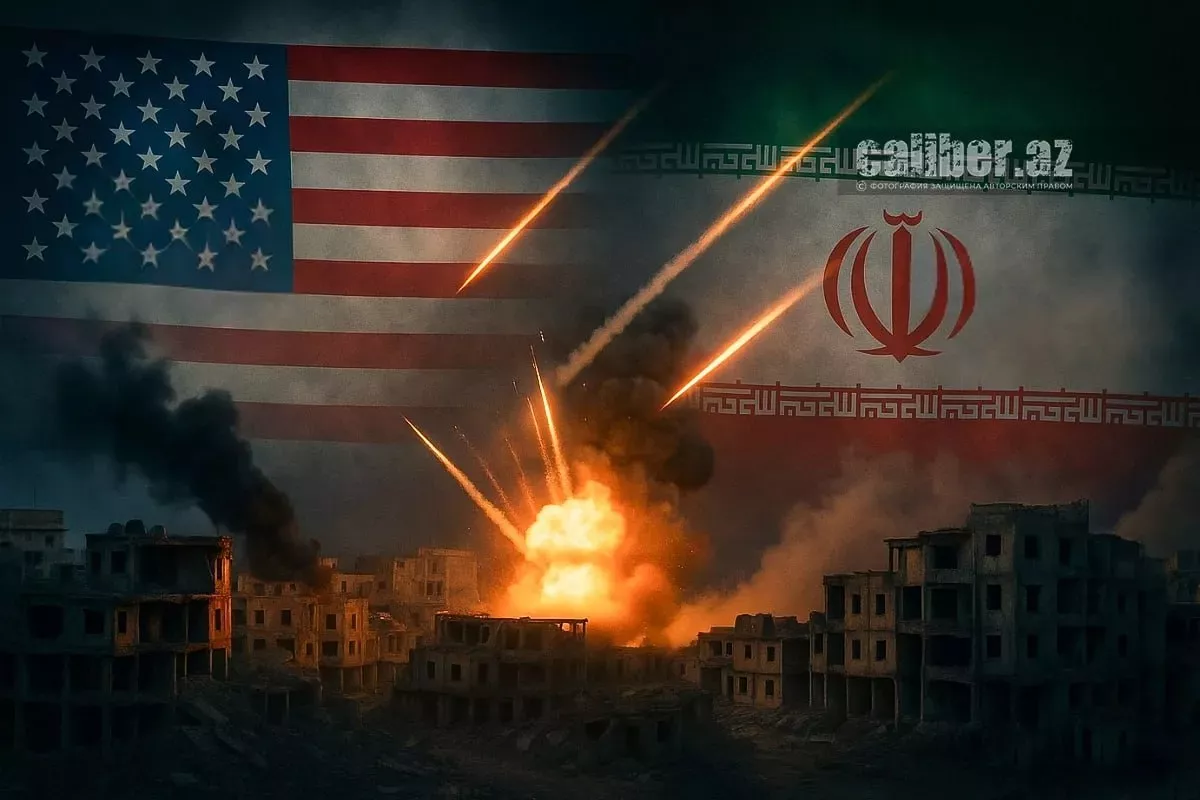
At present, global attention is focused on the conflict that has entered a military phase between Iran, on one side, and the United States and Israel, on the other—a conflict that has already drawn in a large number of countries, particularly Middle Eastern states, which are regularly targeted by missile and drone strikes. This tension is inevitably affecting the global economy: oil and natural gas prices have surged sharply. Moreover, the ongoing global instability is effectively depriving political actors of the ability to plan long-term, leaving the international community in a situation where even the near future is extremely difficult to predict.
Today, Azerbaijan has effectively become one of the region’s key humanitarian and logistical hubs: citizens from various countries are being evacuated through Azerbaijani territory from high-risk zones. In addition, Baku is actively engaged in humanitarian initiatives, demonstrating a responsible and measured foreign policy. At the same time, the country’s role as a reliable exporter of oil and gas is growing: an increasing number of nations view Azerbaijan as a partner capable of ensuring stable energy supplies—a matter of particular importance for European countries, which in recent years have been actively diversifying their energy sources.
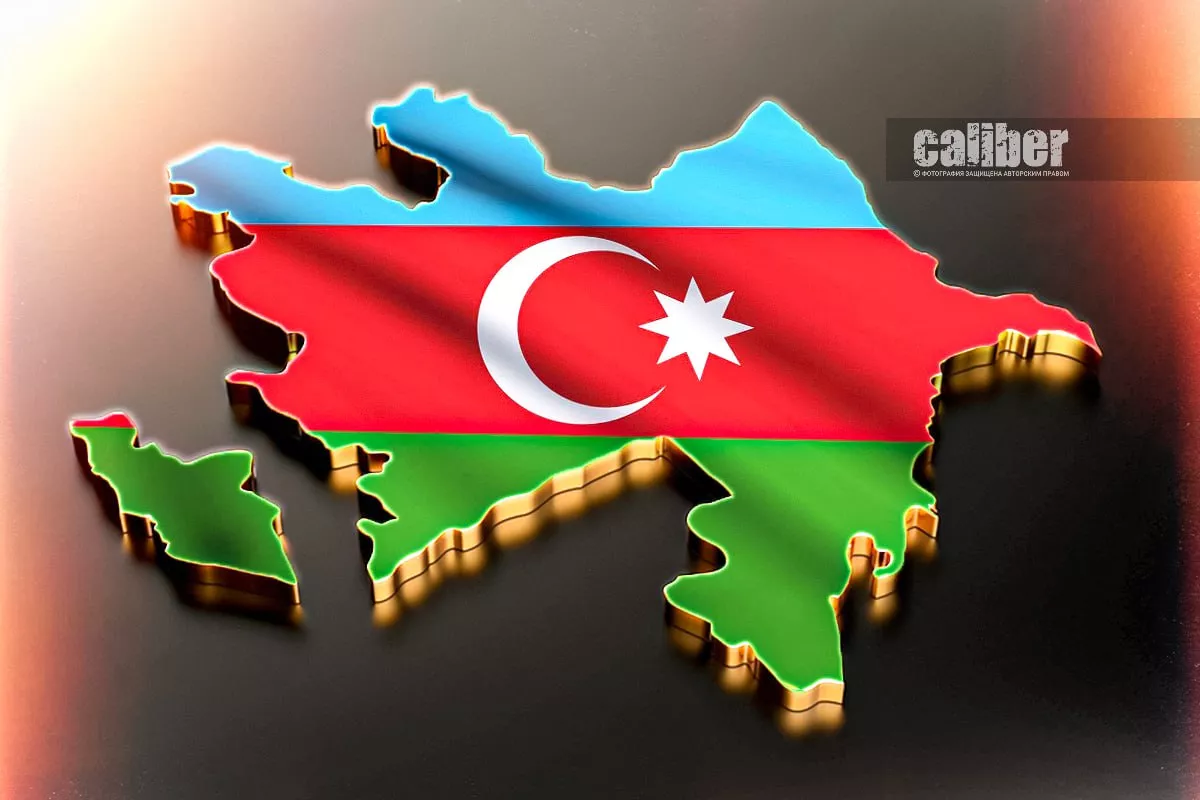
However, Azerbaijan’s strategic significance is determined not only by its energy resources. The development of transport routes connecting Europe and Asia—particularly the extensive Middle Corridor running through the South Caucasus—also plays a crucial role. European Commission President Ursula von der Leyen highlighted this point during a conference of ambassadors in Brussels. According to her, the Middle Corridor can reduce the delivery time of goods from Asia to Europe from 30 to 15 days, meaning this transport artery could become a key component of the emerging international trade system.
In this context, we are essentially witnessing the formation of a new economic geography of Eurasia, in which Azerbaijan occupies a leading role as Europe’s energy partner, a transport hub between East and West, and a state pursuing a pragmatic and responsible foreign policy.
Against this backdrop, the visit of the President of the European Council to Baku appears entirely natural. Moreover, it serves as a clear demonstration of Azerbaijan’s growing international influence. Today, the country is no longer merely a significant regional actor; it is becoming a key centre of stability and cooperation in the Eurasian space, which automatically positions Azerbaijan as a focal point of attention for many leading global players, including the European Union.







 editor@caliber.az
 +994 55 444-88-98
 Азербайджан, Баку, ул. Низами, 203, Af Business House, 5-й этаж