










The Blue Nile as an apple of discord Ethiopia–Egypt tensions grow
While global attention remains fixed on the conflict in the Middle East, Ethiopia is steadily expanding its influence in the northeastern part of Africa. In this process, its interests continue to intersect, as they have in the past, with Egypt’s ambitions.
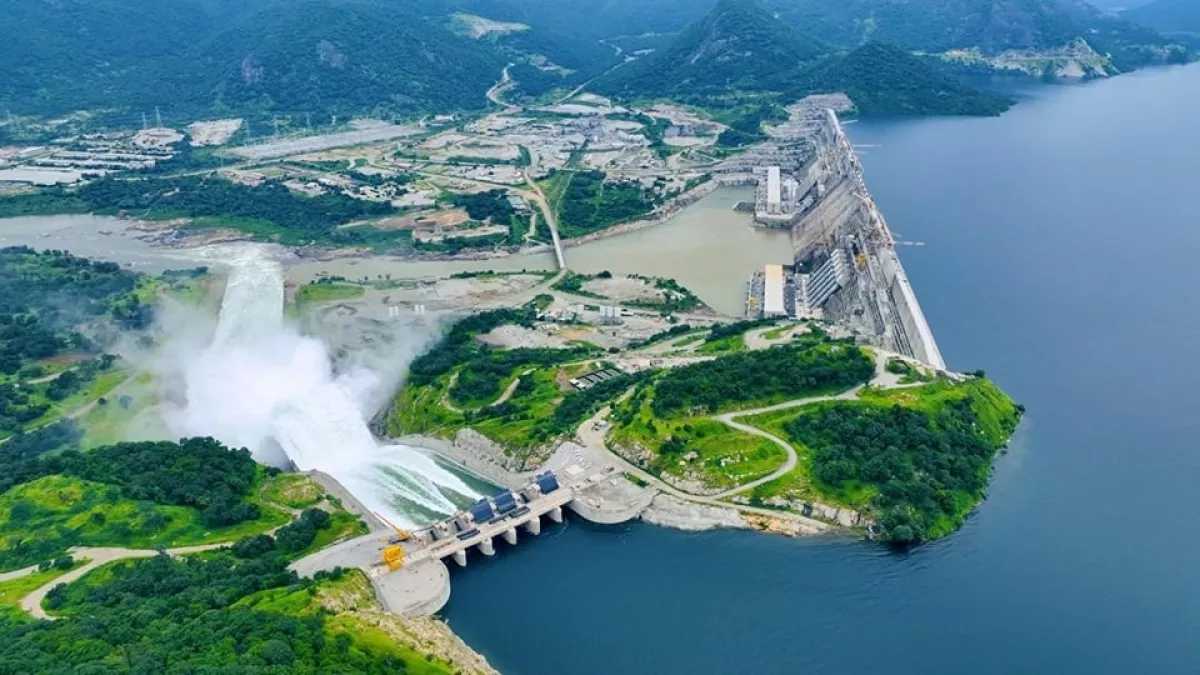
In addition to the already operational “Hidase” (“Grand Ethiopian Renaissance Dam”), Addis Ababa is planning to construct three new, similar hydro-engineering facilities on the Blue Nile. According to media reports, these projects are expected to increase Ethiopia’s electricity generation by 25 per cent and strengthen its control over the region’s energy and water resources. A tender for their construction has already been announced, with the project estimated to cost $10 billion.
Such plans by the Ethiopian authorities are likely to bring little comfort to Egypt, which is undergoing a severe economic crisis, as well as to Sudan, where civil conflict is currently at its peak. These projects are highly likely to become another source of contention in relations with Cairo, which has not yet overcome the negative consequences of the “Hidase” dam. Officially inaugurated in September 2025, it has become Addis Ababa’s strategic “water bank,” supplying electricity domestically and enabling surplus exports. Its completion in Ethiopia was even compared to the famous victory over the Italians at Adwa in the 19th century.
All of this, taken together, is part of Ethiopia’s broader plan to create a cascade of several mega-dams, with “Hidase” serving as the central project and the embodiment of a national aspiration aimed at driving the country’s development. Even Emperor Haile Selassie, who ruled until the mid-1970s, noted that “However generously Ethiopia may be prepared to share this tremendous God-given wealth of hers with friendly neighbouring countries for the lives and welfare of their people, it is Ethiopia’s primary and sacred duty to develop her water resources in the interest of her own rapidly expanding population and economy.”
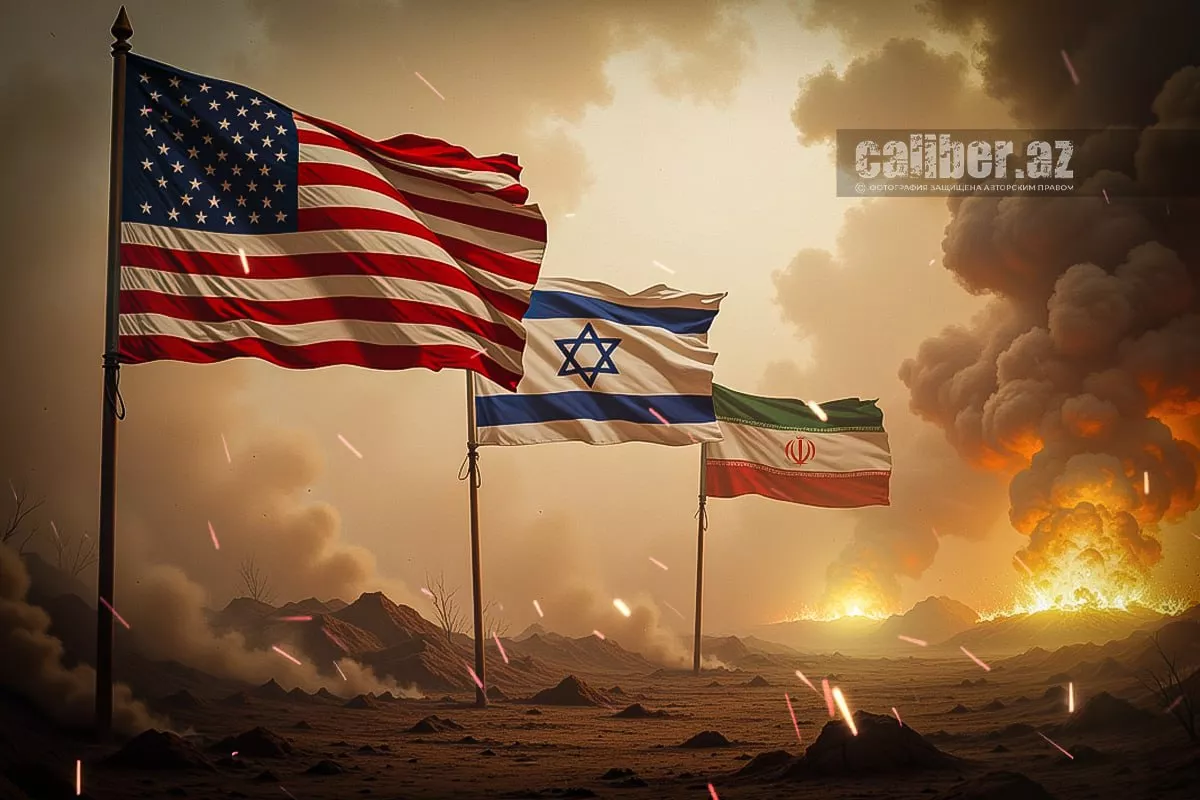
It should also be emphasised that the Ethiopian authorities are skillfully taking advantage of the international political climate in pursuing these ambitions. The construction of the “Hidase” dam, for instance, was carried out during a period when Egypt experienced a revolution and subsequently plunged into prolonged internal turmoil, which culminated in the 2013 coup. Similarly, Ethiopia announced the tender for three new dams against the backdrop of rising Iran–U.S. tensions and, more importantly, increased friction between Cairo and the Gulf states. This situation allows Addis Ababa to hope for financing from wealthy Arab countries, which have already contributed funds to the original dam and now appear willing to support new projects as well.
Meanwhile, such a stance by Arab states can also be interpreted as a form of punishment toward Cairo for its position in the Middle Eastern war. Egypt did not support the U.S.–Israeli strikes on Iran, citing concerns over regional stability, although it also did not side with Tehran and firmly condemned Iran’s attacks on civilian and military targets in the Gulf region. However, for the Gulf countries—which had strongly supported the military takeover in Egypt and since 2013 have invested billions of dollars into the country’s economy in the form of grants, humanitarian aid, and direct investments—mere rhetoric appears to have been insufficient.
It seems that the Arab monarchies had expected President Abdel Fattah el-Sisi’s well-known phrase, “A stone’s throw from us,” to translate into immediate military assistance, or even the deployment of Egyptian forces on their territory. In other words, the statement was apparently interpreted as a commitment to intervene in any conflict at a moment’s notice.
However, it appears that the Gulf states may have misread the situation. Egypt did not join the Saudi- and UAE-led coalition against the Houthi rebels in Yemen, nor did it support Arab countries in the new Middle Eastern war. Collectively, these factors have contributed to a crisis of trust, against which calls in several Gulf states to end support for Cairo and suspend investments have become increasingly frequent. In this context, funding new dam construction in Ethiopia is emerging as a kind of “black mark” for the Egyptian leadership.
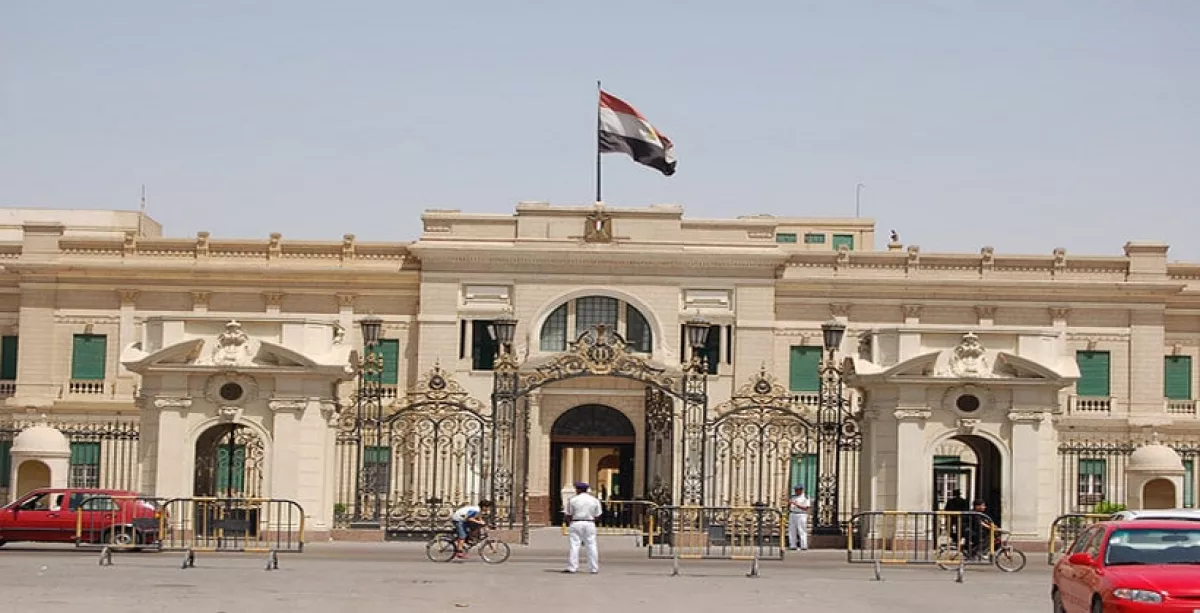
At the same time, these hydroengineering projects represent an existential threat to Egypt, whose economy is largely based on agriculture and which chronically suffers from water scarcity. Egypt’s share of Nile water resources amounts to 55 billion cubic meters per year. In addition, Egyptians rely on rainwater and groundwater, but these volumes are insufficient for both agricultural and industrial needs. This situation has prompted Cairo to introduce new measures to rationalise water consumption, expand the use of drip irrigation, and phase out the cultivation of water-intensive crops such as rice and sugarcane.
Meanwhile, since the time of President Hosni Mubarak, Egypt has been engaged in negotiations with Ethiopia in an attempt to secure guaranteed, uninterrupted access to its share of Nile waters through formal agreements. However, Addis Ababa has regarded such documents as a relic of the colonial era, refused to comply with them, and continued to accumulate water behind the dam.
In parallel with direct negotiations, which ultimately reached an impasse, Egypt has also sought to exert pressure on the Ethiopian authorities through other means. These have included, among others, support for certain internal rebel groups, the deployment of armed forces in Somalia, and opposition to Ethiopia’s efforts to reach an agreement on leasing 20 km of coastline near the port city of Berbera for 50 years. This lease aimed to establish a naval base and commercial port on the Red Sea coast, to which Ethiopia has no direct access.
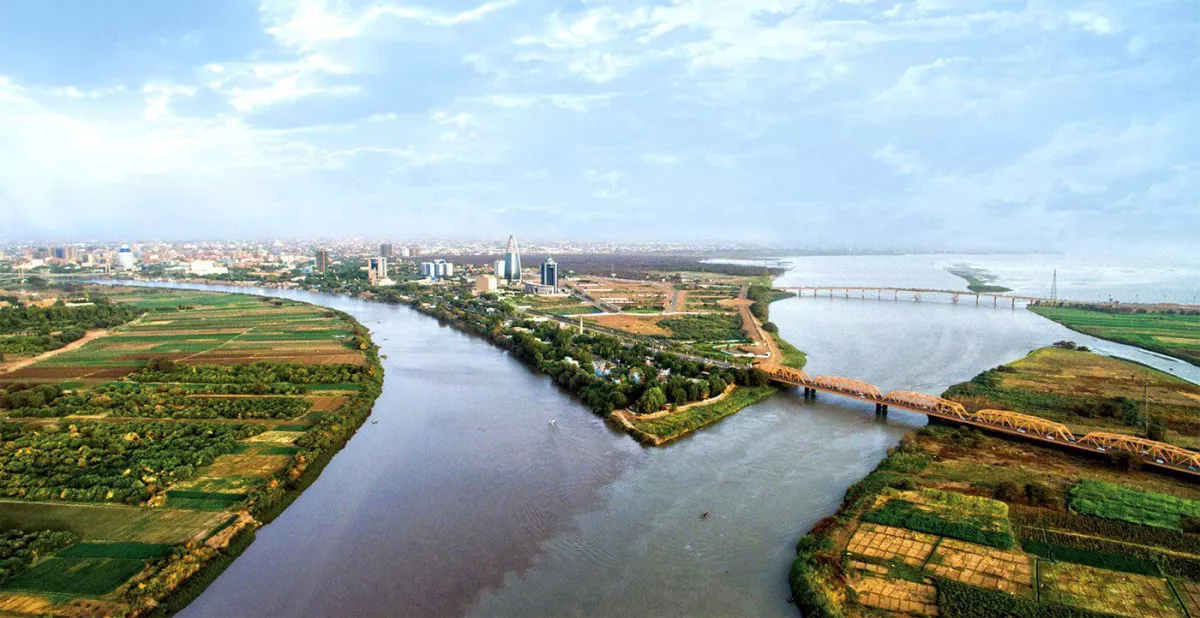
Currently, Egypt has adopted a largely similar strategy and has intensified its diplomatic efforts by sending its foreign and agriculture ministers to Nile Basin countries such as Uganda and Sudan. It has also proposed financing water projects in certain African states, provided that they do not conflict with provisions of international law related to the use of shared water resources. Another key direction of Egyptian diplomacy aimed at countering Ethiopia’s plans is engagement with the African Union and the United Nations. Thus, as the current situation suggests, Egypt and Ethiopia will need to reach a consensus on a number of important issues, such as dam operation rules, drought-period regulation mechanisms, data sharing, and dispute resolution procedures.
If the two states fail to find common ground, it cannot be ruled out that the long-standing “water confrontation” between them could enter a more dramatic phase, potentially deepening the tectonic political fault lines across the African continent.







 editor@caliber.az
 +994 55 444-88-98
 Азербайджан, Баку, ул. Низами, 203, Af Business House, 5-й этаж