










Iran vs UAE, or Tehran’s Hormuz ultimatum Analysis by Shereshevskiy
Tehran is intensifying attacks on the United Arab Emirates (UAE), signalling an expansion of the conflict and increasing pressure on Washington. However, this strategy simultaneously raises risks for Iran itself.
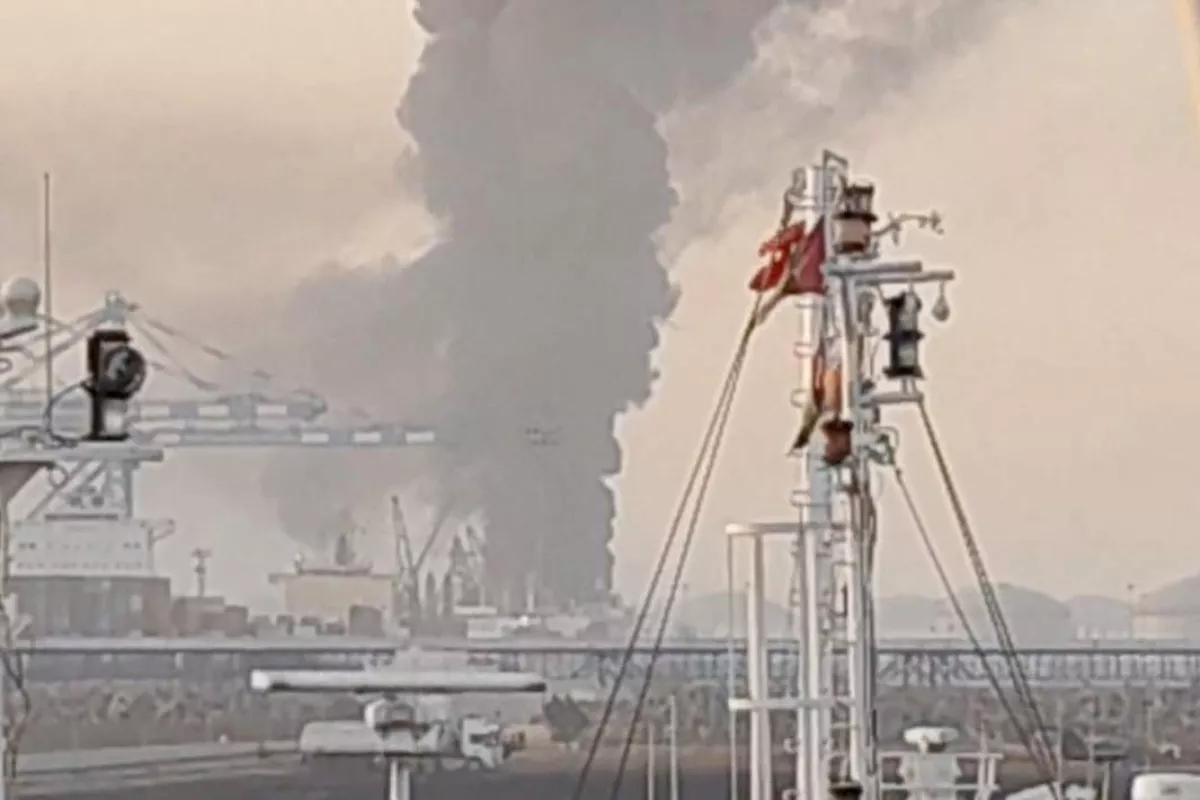
The escalation of Iran’s confrontation with the UAE marks a notable shift in Iranian tactics. Priority is now given to indirect pressure rather than direct escalation against the militarily superior United States. This reflects Tehran’s characteristic asymmetric strategy. Its essence lies not in defeating a far stronger adversary on the battlefield—which is practically impossible—but in economically exhausting it, undermining its regional and global influence, or forcing it to incur painful losses from numerous small-scale attacks—preferably carried out not by Iran itself, but by proxy forces, allies, and affiliated militia structures.
The end of “Freedom”
On the evening of May 3, the U.S. president announced Operation Project Freedom in the Strait of Hormuz. Its aim was to unblock vessels stranded in the Persian Gulf due to the Iranian blockade.
Through the Strait in the recent past, around 20 per cent of global oil trade passed, and by effectively closing this route through missile and drone strikes on tankers, Tehran has sent the global economy into a knockdown. Oil prices surged sharply, while fuel costs in the United States approximately doubled, dealing a blow to Trump’s popularity. On the eve of the congressional elections, the unfolding events became a serious threat to the ruling Republican Party in the United States. And these were only the “first drops”: the global economy in general, and the American economy in particular, stood on the brink of a global recession.
Therefore, Trump decided to launch Operation Project Freedom to unblock the strait. The military reported that U.S. support under the operation would include the deployment of warships, aircraft, and 15,000 troops.
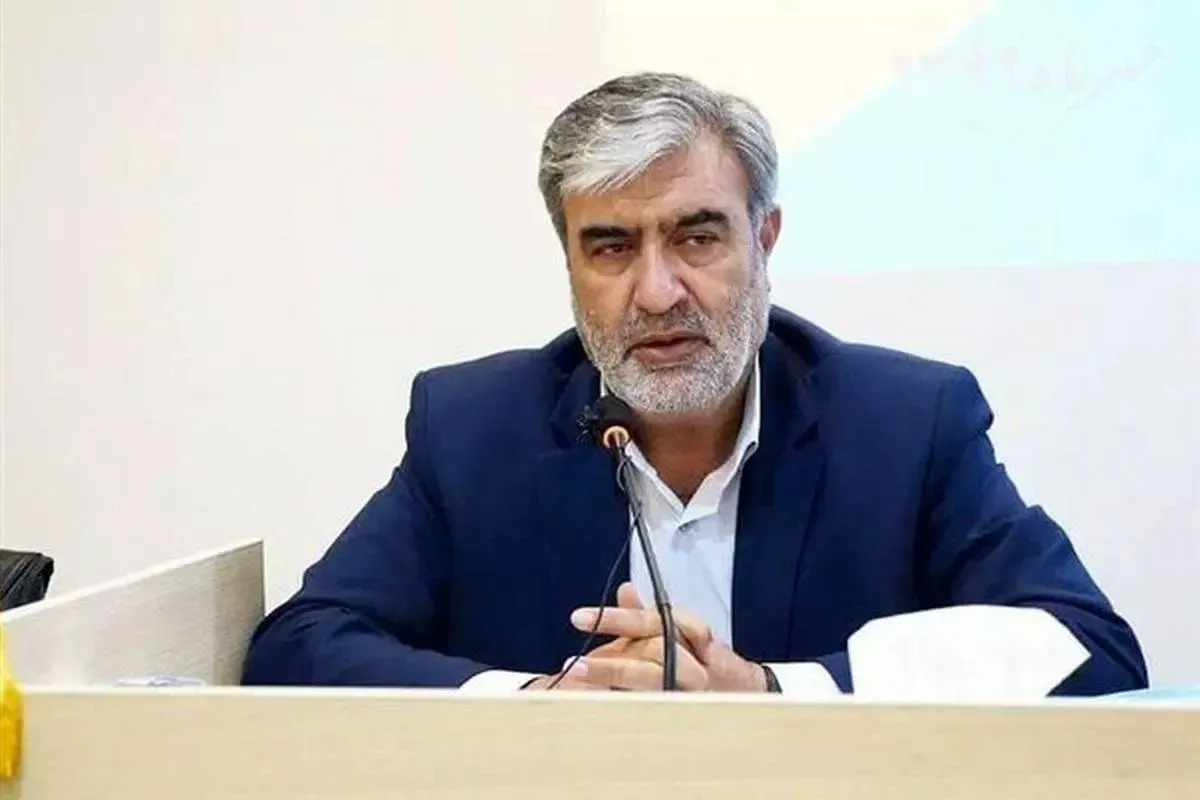
In response, Ebrahim Azizi, head of the Iranian parliamentary commission on national security, stated that Tehran would regard such U.S. actions as a violation of the ceasefire regime. For his part, Trump warned that if Iran attempted to interfere with the American operation, it would be destroyed.
The outcome was as follows: American forces managed to escort one or two civilian vessels through the Strait, after which Iran launched a missile strike on one of the ships and also carried out a combined missile and drone barrage against the UAE. Although the UAE’s air defence systems reportedly managed to intercept most of the missiles and drones, some still reached the port of Fujairah, causing a fire there.
Fujairah lies outside the Strait of Hormuz, and it is through this port that the Emiratis maintain the ability to export around two-thirds of the three million barrels of oil produced daily within the country. The strike on Fujairah demonstrated Iran’s readiness to expand the geographic scope of its attacks, inflict damage on the UAE’s economy, and intensify pressure on oil prices—an issue of clear strategic importance, as noted above.
There were also reports of exchanges of fire between several Iranian fast attack craft and a U.S. naval vessel. According to some accounts, the U.S. Navy succeeded in sinking those boats.
The following day, Trump announced the termination of Operation Project Freedom. However, according to NBC News, citing unnamed U.S. officials, the reason for ending the operation was not Iran’s strikes on the UAE, but rather Saudi Arabia’s reaction.
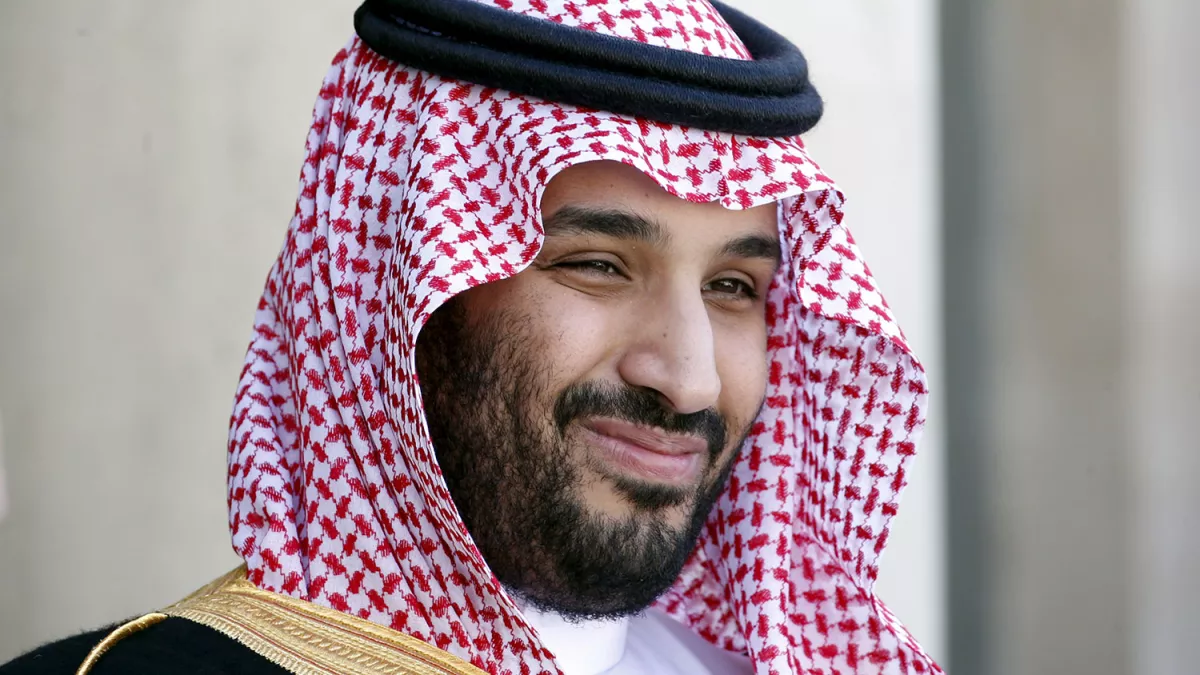
For the de facto ruler of the country, Crown Prince Mohammed bin Salman, it was unacceptable that the United States had not coordinated the operation with Riyadh, and he reportedly barred U.S. forces from using bases on Saudi territory. Without these bases, American military capabilities would have been significantly constrained.
After the operation was halted, the prince once again allowed the Americans to use Saudi territory. Nevertheless, if this information is accurate, the situation appears to represent a victory for Iran—temporary, tactical, and local, but still a victory.
Plausible denial
On May 5, Iran’s Joint Military Command “Khatam al-Anbiya” denied any attacks on the United Arab Emirates in recent days, while warning of a “crushing response” if the Gulf state takes any action against Iran. This reflects a typical position often demonstrated by Iranian security structures in certain situations: first carrying out strikes, and then denying involvement.
Previously, the term “plausible deniability” was widely used—when strikes on American or Israeli targets were carried out by Iran-aligned groups, while Tehran claimed no responsibility. The aim of this tactic was to prevent further escalation by the United States: the argument was that there was no clear evidence of Iranian involvement in the attacks—these were the Houthis, Hezbollah, or perhaps unidentified actors altogether. And if the U.S. were to strike Iranian territory in response, it would appear, in the eyes of much of the world and even parts of American public opinion, as unprovoked aggression.
Why Iran today would officially deny something that appears obvious is not entirely clear. However, it is worth noting that such a behavioural pattern remains a consistent feature of Iranian policy.
Interestingly, Iran’s broader information environment—from conservative media to regime-aligned strategists—has effectively revealed the intentions of the Iranian leadership. As a result, a dual-track strategy emerges: official denial combined with ideological escalation.
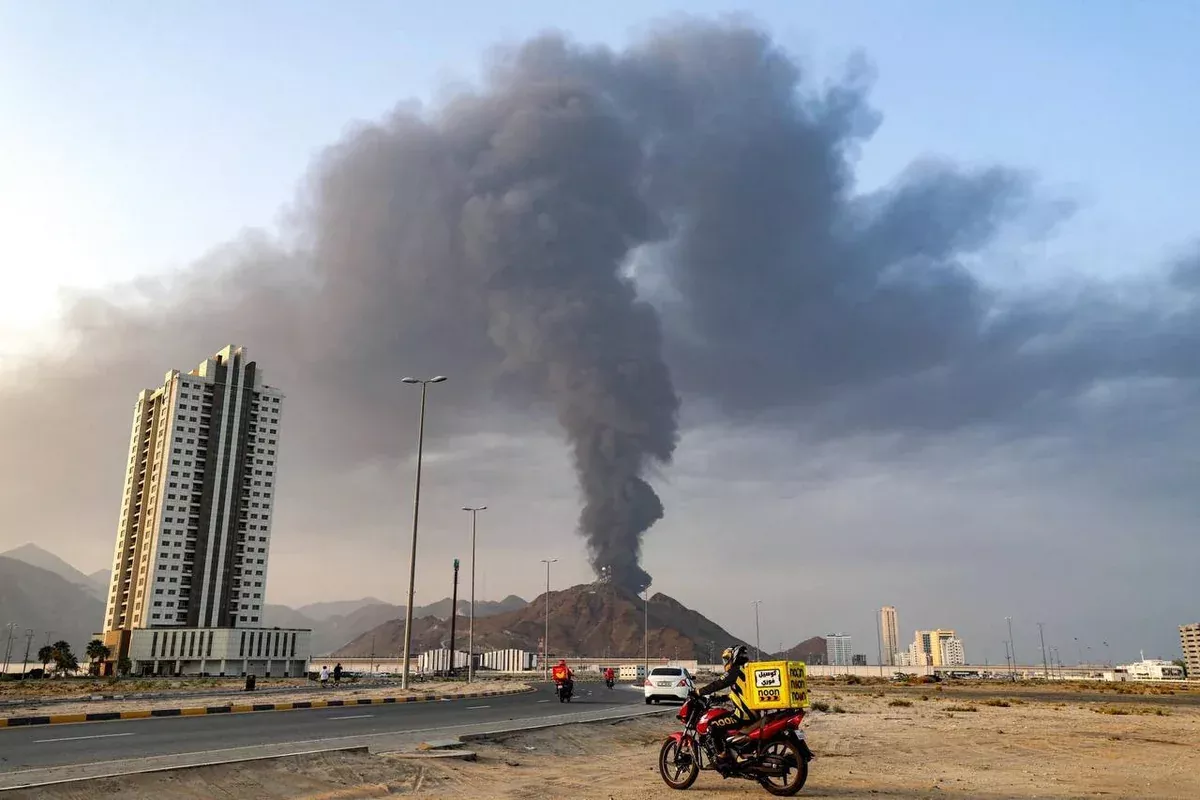
After reports of missile and drone attacks and a fire at the Fujairah oil complex, Iranian state media—citing a senior military source—denied that Tehran had any “plans” to strike the UAE. However, the same source warned that if Abu Dhabi allows Israel to use its territory, it will face consequences it will “never forget.”
As analysts at the international outlet Al-Monitor note, this calibrated ambiguity reflects a familiar pattern in Iran’s strategic communication—distancing the state from escalation while allowing hardline voices to issue more explicit threats.
Just three days after the start of the new escalation cycle, senior Iranian official Ali Khezrian warned in an interview with state television that “dark days await the UAE,” adding that Iran’s target list in the Gulf state had been “updated.”
Beyond parliament, figures linked to the regime went even further. Mehdi Kharratian, an analyst close to Iran’s hardline circles, openly threatened that Iran would occupy Abu Dhabi and return Emiratis to their “camel days.”
Former deputy speaker of parliament Ali Motahari also supported the Monday attacks, stating that the strike on the UAE—“whoever carried it out”—was deserved, and accusing Abu Dhabi of acting as a direct agent of Israel.
“This is a victory for Iran,” he said in an interview published by Iran’s Fars News Agency, claiming that Tehran had now “institutionalised” its control over the Strait of Hormuz.
The conservative daily Vatan-e-Emrooz placed a photograph of the explosion in the UAE on its front page with the headline: “The Emirates Explode.”
Why is Iran striking the UAE?
The strikes on the UAE align with a broader Iranian strategy based on the belief that retreating under U.S. and Israeli pressure only encourages further escalation against the side perceived as yielding.
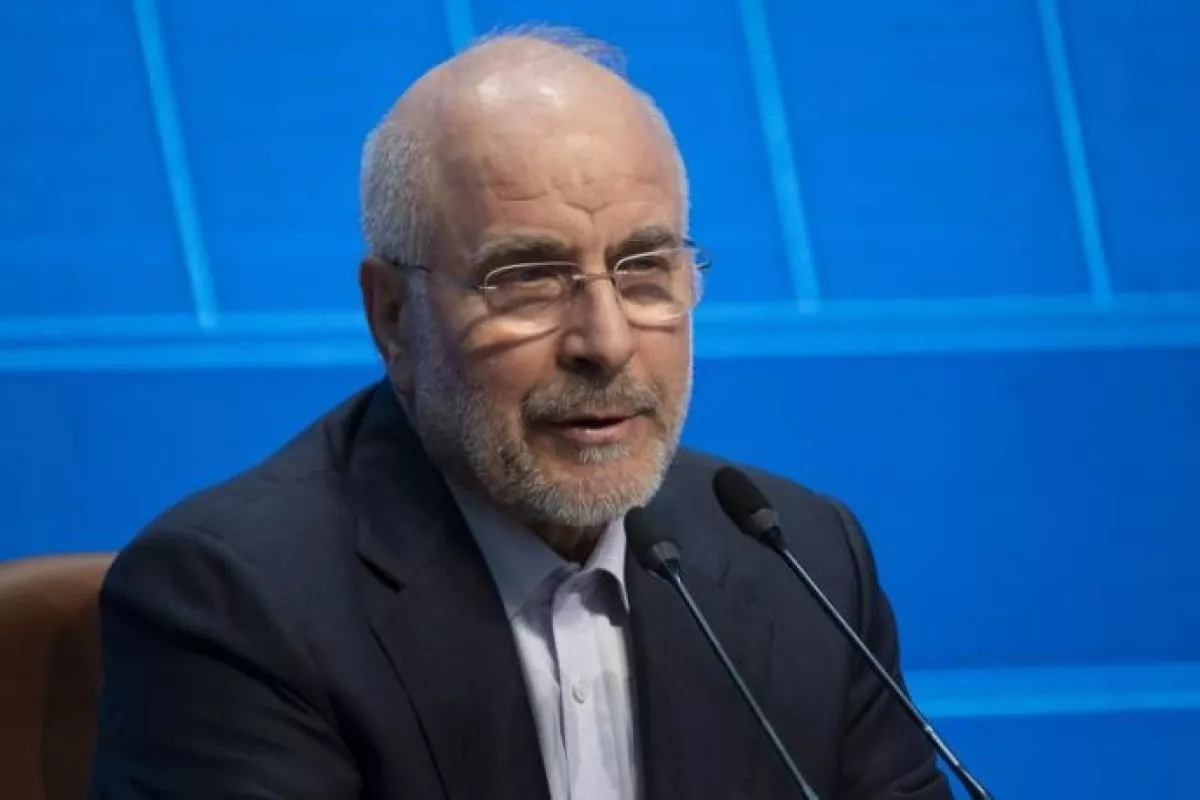
Parliament Speaker Mohammad Bagher Ghalibaf stated on May 5 that “we have not even begun yet,” warning the United States about the consequences of Operation Project Freedom.
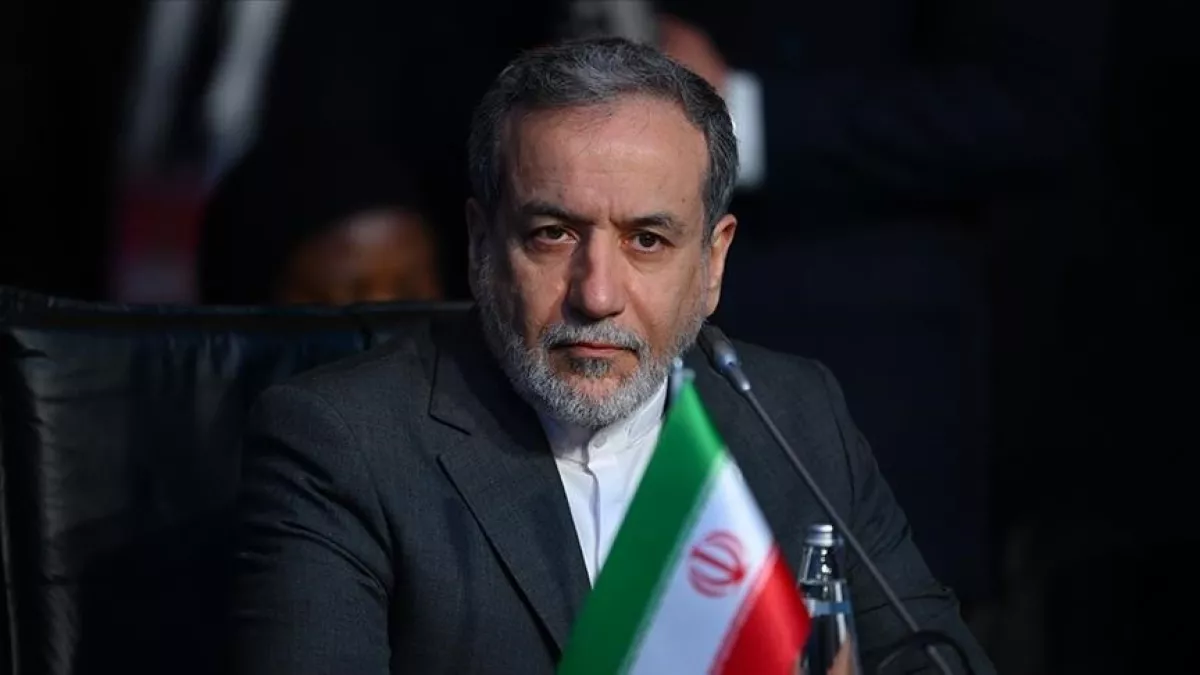
Foreign Minister Abbas Araghchi also warned the UAE of the risk of being drawn into a “quagmire,” signalling that the escalation could deepen if the conflict expands.
Iran’s strikes are the result of a calculated strategy aimed at horizontally widening the conflict while simultaneously avoiding direct military confrontation with the United States, which is capable of delivering devastating strikes against Iran’s infrastructure.
The choice of the UAE as a target is by no means accidental.
First, by targeting the UAE—a key U.S. partner with deep economic and military-political ties to Washington—Tehran is attempting to raise the cost of war for the Americans and their allies. The logic is straightforward: persistent disruptions to the UAE’s energy infrastructure, trade routes, and economic stability could increase pressure on Washington from Abu Dhabi itself.
In addition, Iranian attacks contribute to rising global oil prices and, consequently, higher fuel costs in the United States. This, in turn, becomes a blow to the approval ratings and political standing of Trump and the Republican Party on the eve of elections.
Second, the Strait of Hormuz lies at the centre of this entire strategy. Iranian officials have repeatedly emphasised their ambition to control this waterway, framing the current tensions as part of a “new equation” in maritime security.
According to this logic, Tehran seeks to effectively establish its own rules of engagement in the Strait: levying fees for passage, restricting the movement of vessels linked to countries hostile to Iran, and using the route as an instrument of political pressure.
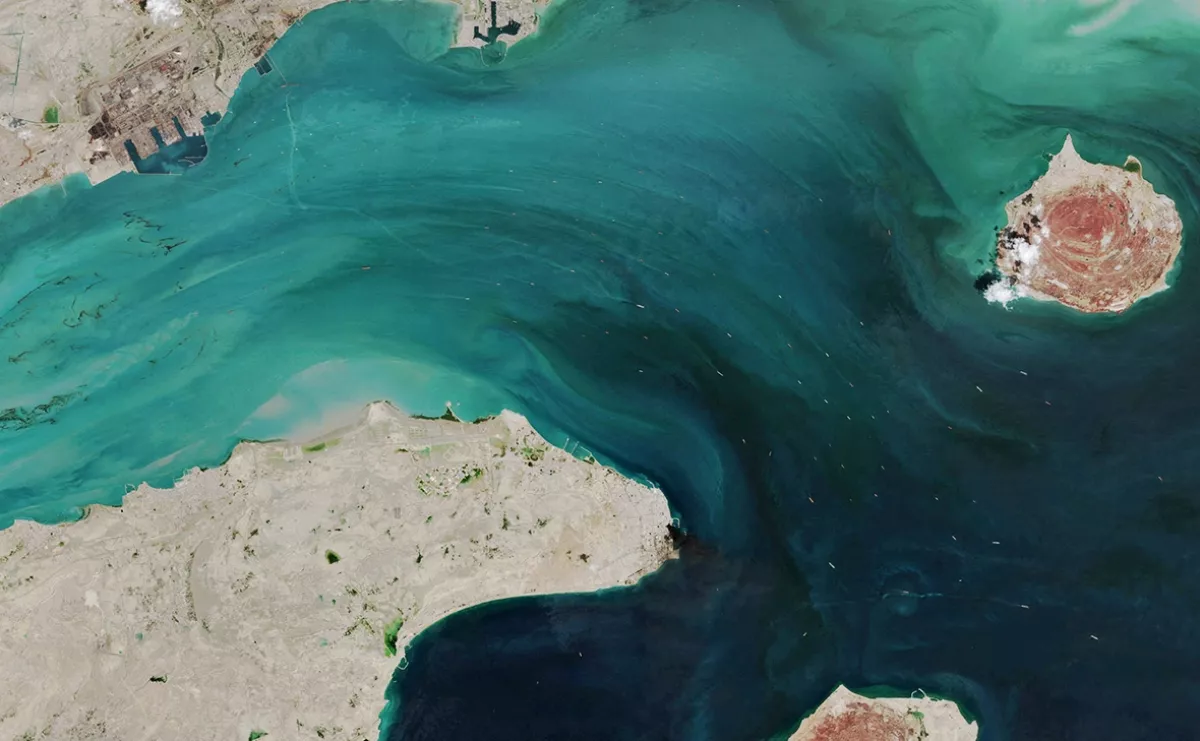
In effect, Tehran is attempting to turn the Strait of Hormuz into something resembling the Suez Canal under Egyptian control. In this context, the UAE—with its critically important energy infrastructure and proximity to the Strait—becomes both a tactical target and a strategic lever of pressure. By striking the Emirates, Iran is effectively sending a message: “The Strait of Hormuz is now ours—do not come closer.”
Third, by exerting pressure on the UAE, Tehran is signalling to the entire region the consequences of cooperation with Israel. The UAE has established diplomatic relations with the Jewish state, their trade ties continue to grow, and the deployment of Israeli air defence systems and personnel on Emirati territory has become a symbol of deepening military cooperation between the two countries.
Since Iran views Israel as its primary adversary and is engaged in a broader struggle with both Israel and the United States for regional influence in the Middle East, Tehran’s reaction to such rapprochement is consistent with its own security logic.
Finally, fourth, the current tensions between the UAE and Iran are rooted in long-standing rivalry and territorial disputes. The question of sovereignty over Abu Musa and the Greater and Lesser Tunbs remains a persistent source of disagreement between the two sides.
Despite a degree of rapprochement in recent years—particularly following the Iran–Saudi Arabia reconciliation brokered by China in 2023—mutual distrust between Tehran and Abu Dhabi has never fully disappeared.
The UAE’s normalisation of relations with Israel and the deepening of its security cooperation with the United States have further reinforced Iran’s perception of Abu Dhabi as a strategic adversary. The war has merely brought these latent contradictions to the surface.
Since the start of the conflict on February 28, Iran has reportedly struck a number of targets on Emirati territory, including energy infrastructure, ports, and strategic facilities. Emirati authorities have condemned these attacks as a “direct threat” to national security.
Until recently, the UAE and Iran had been taking cautious steps toward restoring relations, driven by economic pragmatism and considerations of regional stability. However, the current conflict has effectively undone these efforts.
Implications for the Persian Gulf
At first glance, Iran’s actions appear to be a calculated risk. By avoiding direct confrontation with the United States while simultaneously striking its regional partners, Tehran is implementing a strategy of horizontal escalation that has so far yielded results. Its objective is not an immediate victory, but rather the creation of additional leverage over Washington by increasing the cost of pressure on Iran for the Trump administration. At present, this asymmetric strategy appears to be working.
However, first, as Iranian attacks on Gulf states intensify, these countries—above all the UAE—may shift towards a more forceful response. If the Emiratis continue to limit themselves to concessions to Tehran without delivering any retaliation, this could undermine international confidence in them and further strengthen Iran’s position as a regional power seeking dominance in the Persian Gulf and de facto control over the Strait of Hormuz.
For now, however, the UAE’s response to the attacks remains largely confined to public statements and expressions of condemnation.
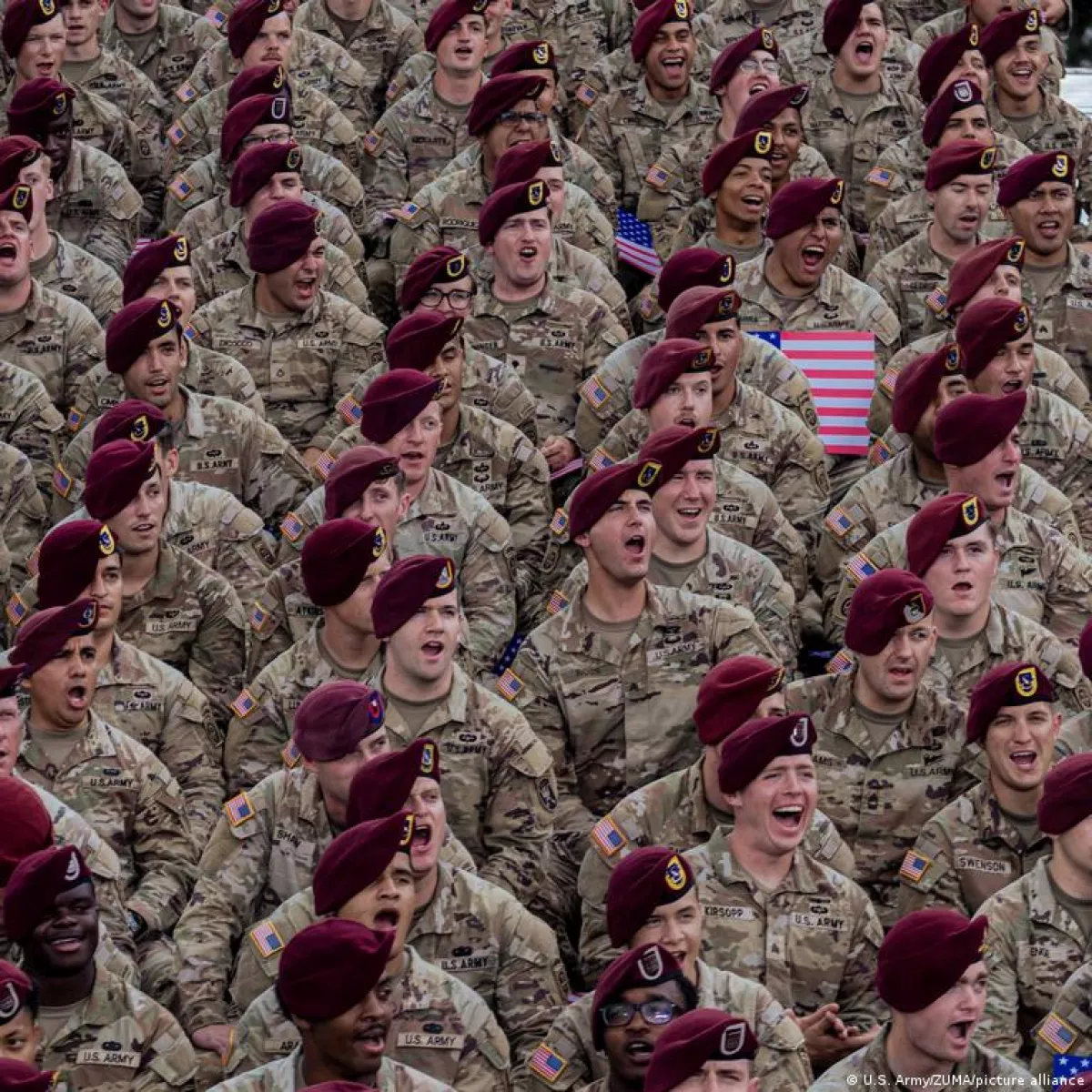
Second, the Middle East continues to witness a rapid build-up of the American military presence. This includes hundreds of flights by U.S. military transport aviation to Israel and the Gulf states, the transfer of large quantities of aerial bombs and missiles, deployments of Marine Corps units and elements of the 82nd Airborne Division, as well as additional warships and strike aviation.
The likelihood of a new U.S.–Israeli military campaign against Iran remains relatively high, although with Trump it is difficult to be fully certain about anything. When exactly such an operation might occur, in what format, and how prolonged a new wave of strikes could be remains unclear.
However, the further course of events is now to some extent also dependent on the armed forces of the UAE—well-trained, well-equipped, and capable of operating both in the air and on the ground. It is unlikely that the Emiratis would independently enter into a direct conflict with Iran, but in the event of a new U.S.–Israeli campaign of strikes on Iranian targets, the UAE could potentially join it.







 editor@caliber.az
 +994 55 444-88-98
 Азербайджан, Баку, ул. Низами, 203, Af Business House, 5-й этаж