










Pragmatism vs bias What is Kaja Kallas bringing to Baku?
The upcoming visit on May 5 by the European Union’s High Representative for Foreign Affairs and Security Policy, Kaja Kallas, to Azerbaijan comes amid growing pragmatism in Baku–Brussels relations and continuing political contradictions within the EU itself. On one hand, Azerbaijan is playing an increasingly important role as an energy partner for Europe; on the other, the European Parliament has taken positions that stand at odds with the EU’s more practical policy line.
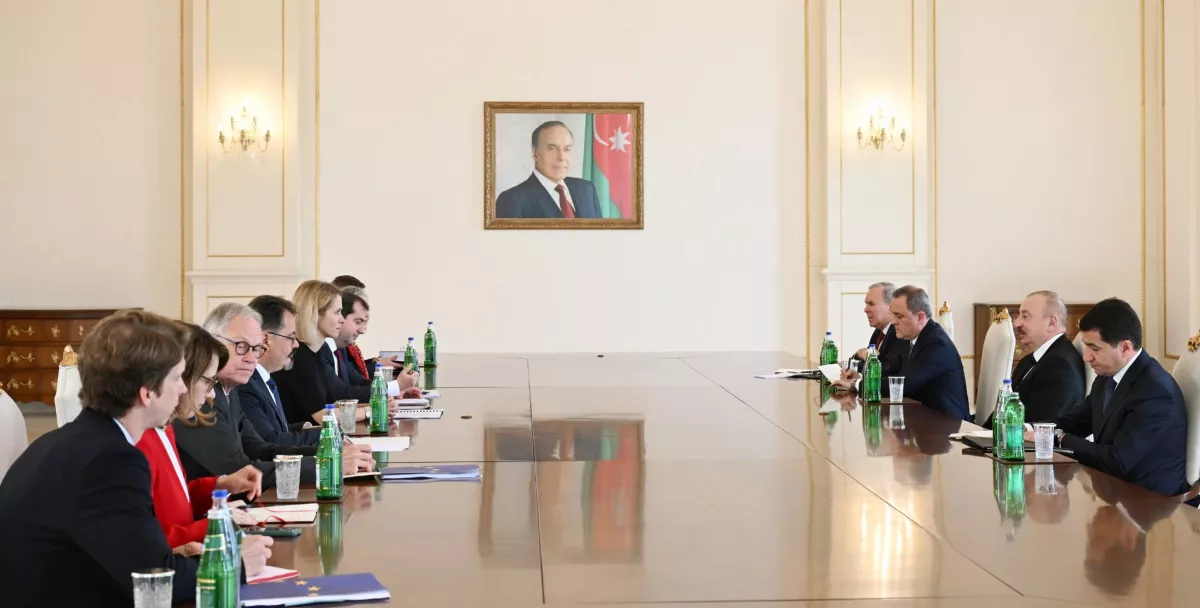
In this context, it is worth recalling that the head of European diplomacy visited Azerbaijan for the first time in April 2025, when important meetings were held with President Ilham Aliyev and Foreign Minister Jeyhun Bayramov. The key message at the time was the recognition of Azerbaijan as an important link in Europe’s energy architecture.
Since then, Azerbaijan’s significance for the EU has further increased, as the geopolitical instability-driven energy crisis and Europe’s efforts to reduce dependence on Russian resources have given additional momentum to cooperation with Baku.
It should also be noted that Azerbaijan was, until recently, viewed in Europe primarily as an oil-producing country; however, in recent years it has undergone a strategic shift, emerging as a key supplier of natural gas as well.
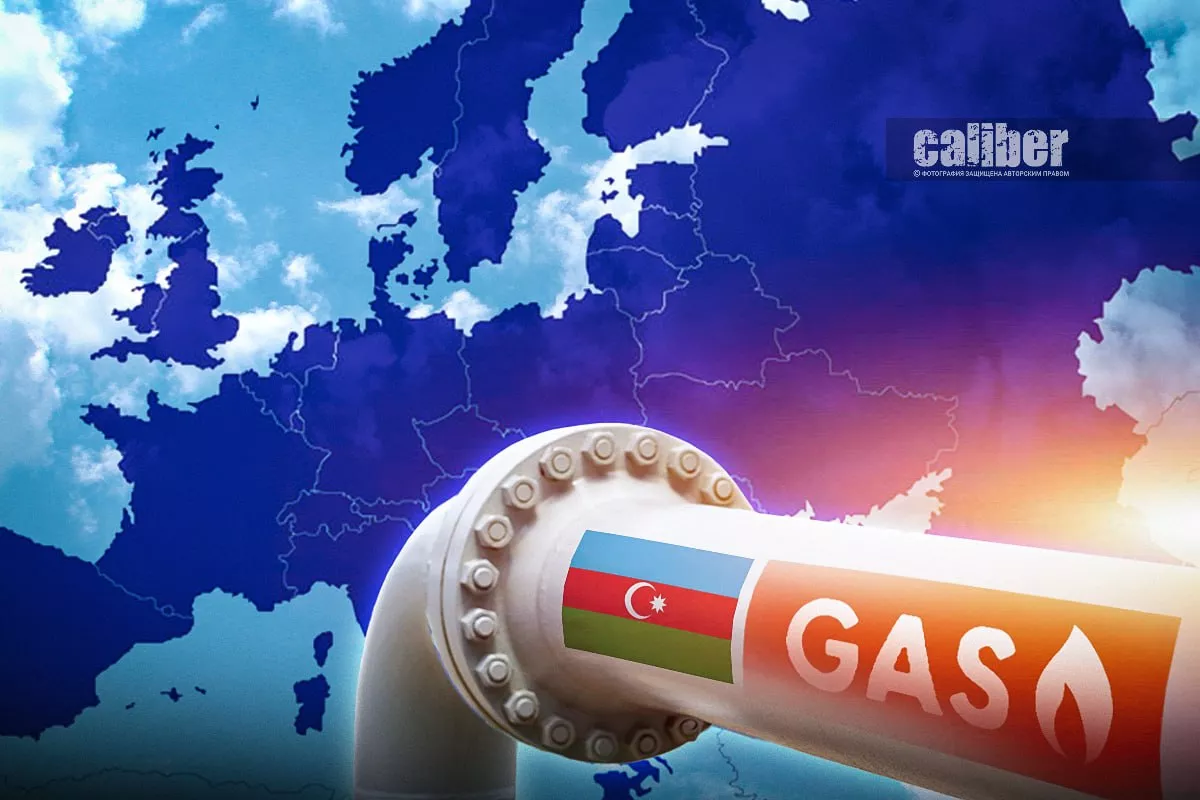
The main factor behind this transformation has been not only the increase in production, but also the resolution of a highly complex transportation challenge. The implementation of the Southern Gas Corridor, including key components such as the Trans Adriatic Pipeline (TAP), has enabled Azerbaijan to gain direct access to the European market. At the same time, infrastructure expansion continues: in January this year, the first phase of capacity expansion at TAP was launched.
The results of this process are evident. While Azerbaijani gas supplies to the EU only began in 2021, by 2025 they had reached 12.5 billion cubic metres, an increase of 53.8%. This trend was further reinforced by the signing in July 2022, during European Commission President Ursula von der Leyen’s visit to Baku, of the Memorandum of Understanding on a Strategic Partnership in the Field of Energy between the Republic of Azerbaijan and the European Union, represented by the European Commission.
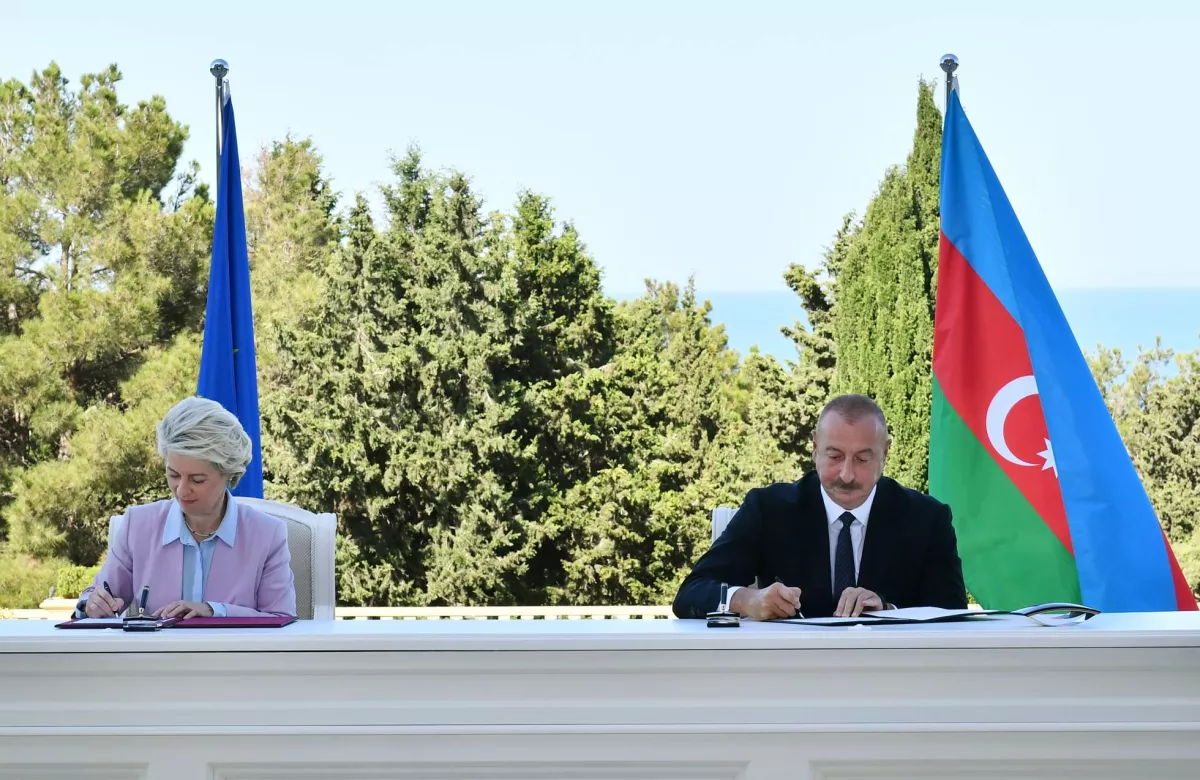
The document foresees an increase in Azerbaijani gas supplies to Europe to 20 billion cubic metres annually by 2027. Thus, Azerbaijan has not only joined the ranks of energy suppliers but has also assumed a central role in Europe’s energy security architecture.
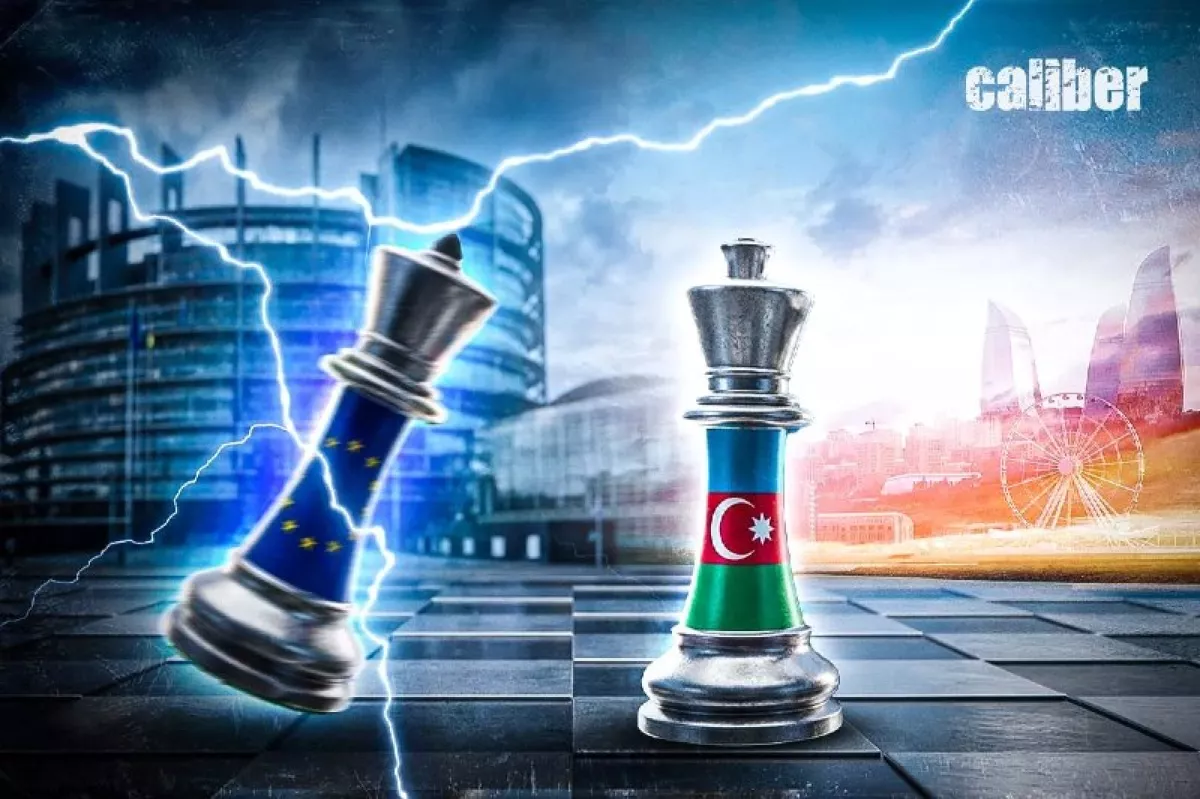
At the same time, a clear contrast is emerging in the approaches of different EU institutions. The European Commission and the European External Action Service are demonstrating a pragmatic stance, focusing on mutually beneficial cooperation with Baku. In contrast, the European Parliament has consistently adopted a more antagonistic line, having passed 14 resolutions critical of Azerbaijan over the past five years.
This approach was criticised by the Azerbaijani president in his address at the European Political Community summit in Yerevan, where he pointed to the issue of double standards. This also served as a clear signal to European partners that Azerbaijan expects a more balanced and equitable approach.
Meanwhile, the reaction of European Parliament President Roberta Metsola to the President of Azerbaijan’s criticism effectively reinforced perceptions of a continued confrontational tone. At the same time, Baku maintains that, despite its important role in Europe’s energy security, it continues to face politically motivated criticism from one of the EU’s key institutions, which inevitably affects the overall climate of relations.
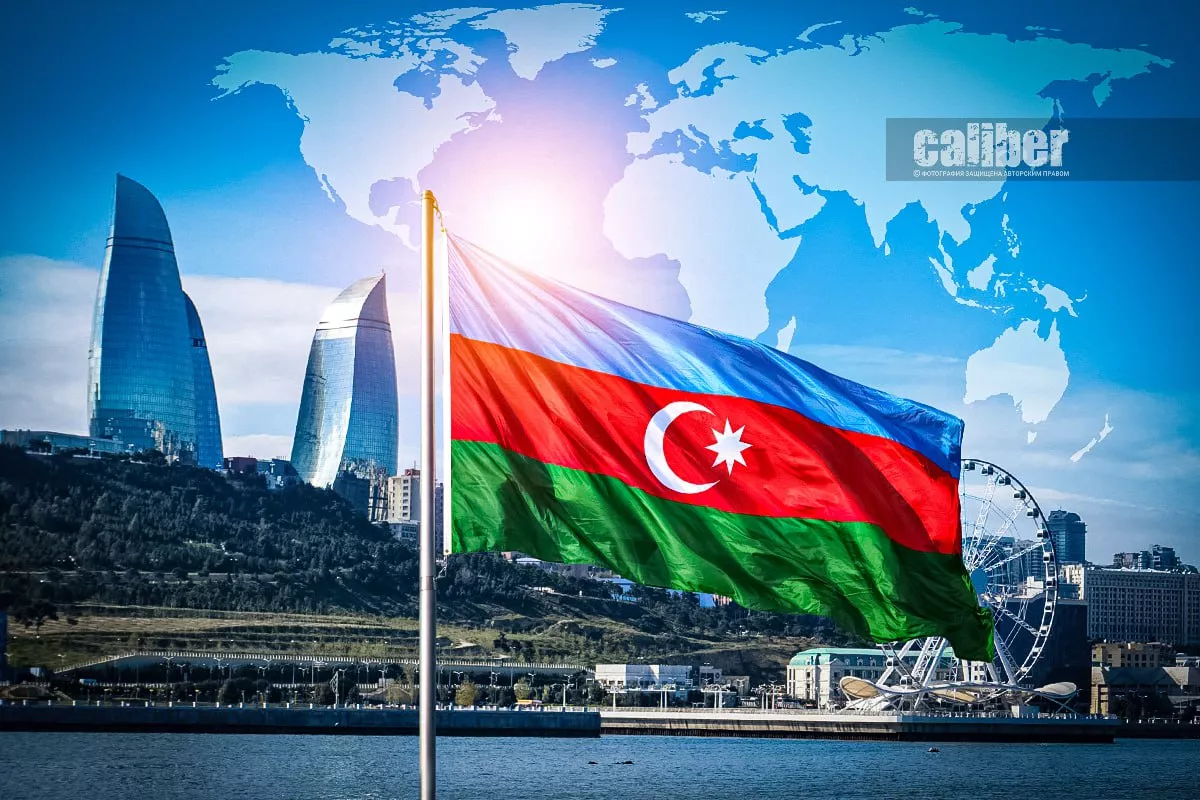
However, despite the European Parliament’s biased approach, Azerbaijan demonstrates consistency and predictability, fulfils its obligations to partners, and plays a constructive role in ensuring regional stability.
In this context, particular importance is attached to figures such as EU representatives Kaja Kallas and Ursula von der Leyen, as the future of relations with Azerbaijan largely depends on their ability to balance the internal contradictions within the EU. If a pragmatic approach prevails, cooperation will deepen, primarily in the energy sector; if the position of the European Parliament continues to dominate the political discourse, this will inevitably lead to further cooling in relations.
Is the European Union ready to abandon the duality in its policy? In our view, the answer to this question will be provided by the visit of the head of European diplomacy to Azerbaijan, which can essentially be described as a test of the EU’s ability to pursue a consistent and strategically coherent policy towards its key partner in the South Caucasus.







 editor@caliber.az
 +994 55 444-88-98
 Азербайджан, Баку, ул. Низами, 203, Af Business House, 5-й этаж