










Why Germany is betting on Türkiye Analysis by Matanat Nasibova
The visit of Turkish Foreign Minister Hakan Fidan to Germany on May 18 has drawn close attention from European media outlets.
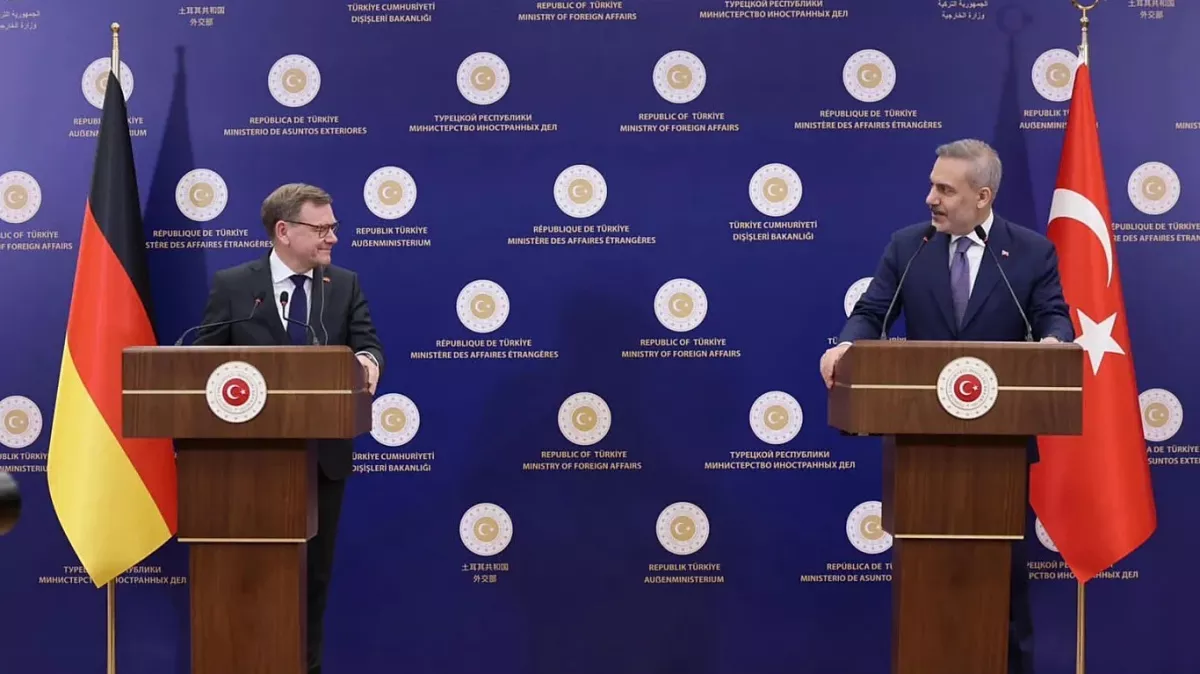
As part of this trip, the Turkish top diplomat took part in the 3rd meeting of the Türkiye–Germany Strategic Dialogue Mechanism and held substantive talks with German Chancellor Friedrich Merz. Following the meeting, at a joint press conference in Berlin with his German counterpart Johann Wadephul, he made a number of important statements. In particular, Fidan confirmed Ankara’s readiness for close coordination with Berlin on all regional and international issues.
In turn, Wadephul noted that the holding of the NATO summit in the Turkish capital demonstrates the country’s important role in strengthening the alliance, and stressed that the Republic of Türkiye takes its membership in the North Atlantic bloc seriously, which is particularly evident against the backdrop of rising global tensions.
In this context, it is worth noting that Germany provides direct military support to Ankara as a NATO ally: amid the escalation of tensions in the Middle East, the Bundeswehr announced the deployment of Patriot missile defence systems and 150 servicemen to Türkiye.
However, let us return to the statements of Hakan Fidan, particularly those concerning Türkiye’s European integration, which remains one of the country’s key state policy directions. This is also reflected in the remarks made by the Turkish foreign minister at a joint press conference with Austrian Foreign Minister Beate Meinl-Reisinger in Vienna in April of this year, where he emphasised that his country’s accession to the European Union is being delayed not due to technical criteria, but because of a lack of political will within the bloc—an impulse he linked to former French President Nicolas Sarkozy’s stance in 2007.
Continuing this line of argument in Germany, Fidan stressed that “the inclusion of Türkiye in the EU has become a strategic necessity for the bloc itself,” clearly directing this message toward Brussels.
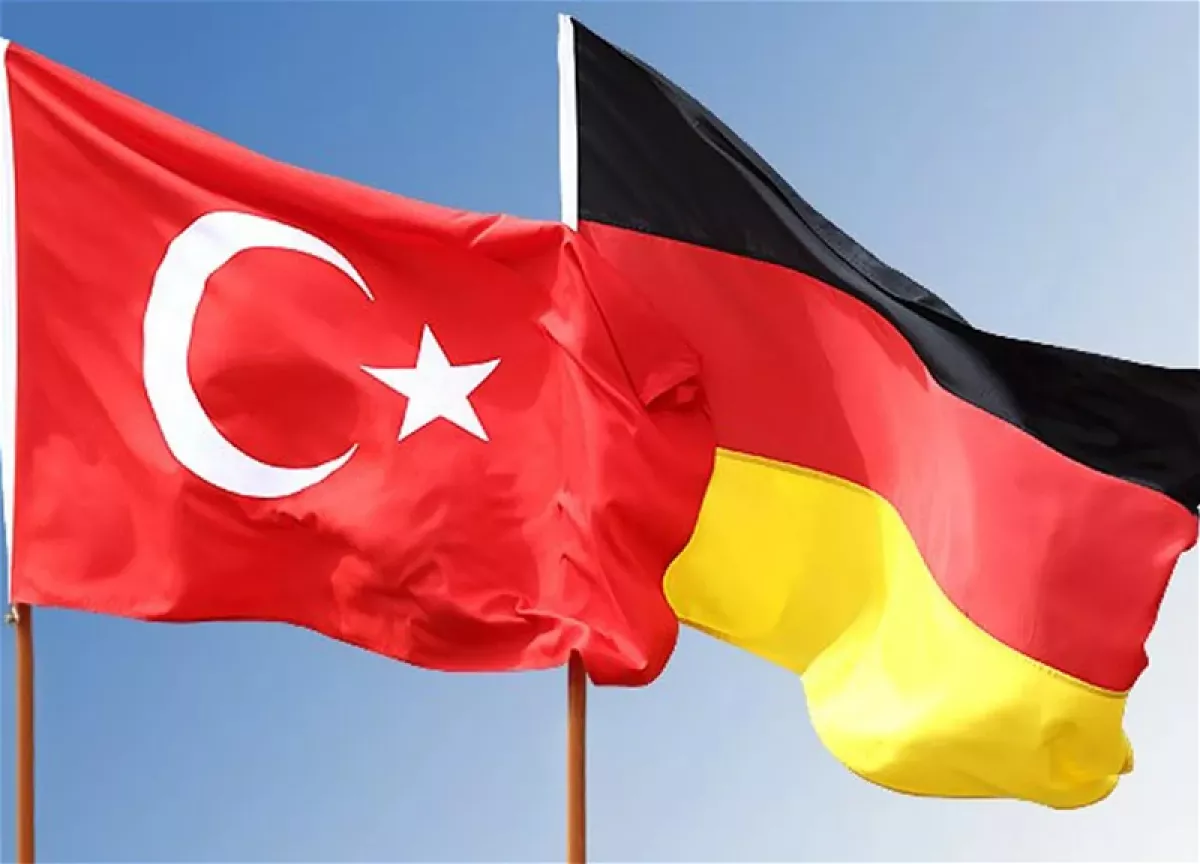
And, judging by the current dynamics, Ankara can clearly count on Germany’s support on the issue of European integration, driven by a number of factors.
Firstly, Berlin itself has expressed readiness to support Türkiye’s rapprochement with the European Union, as evidenced by the relaunch of the Strategic Dialogue Mechanism 12 years after its initial launch—one of the tangible signs of closer engagement with the EU.
Secondly, Ankara hopes that its geo-economic significance will prompt Berlin to more actively lobby Turkish interests in Brussels, for instance, in relation to the modernisation of the Türkiye–EU Customs Union in the context of the evolving geopolitical landscape. This also appears quite logical, as Germany is Türkiye’s main partner in Europe—the annual volume of trade between the two countries consistently exceeds $50 billion, and both sides are seeking to further increase it.
In addition, Berlin could expand the process of relocating part of its production capacities to the Republic of Türkiye, for which there are all the necessary prerequisites: hundreds of German companies are deeply integrated into the Turkish economy, and major corporations such as Bosch, Siemens, and Mercedes-Benz operate in the country. It can be assumed that an even deeper level of cooperation between Türkiye and one of the EU’s major powers could bring significant diplomatic benefits to Ankara in its pursuit of European integration.
Thirdly, Türkiye remains of enduring importance for Germany as a strategic buffer that helps contain large flows of refugees from the Middle East and Asia on their way to Europe. As is well known, Berlin is highly sensitive to this issue, which has long become a major concern for the entire EU. As early as 2016, Germany and the Republic of Türkiye signed a landmark agreement under which the Turkish side committed to countering irregular migration flows and keeping refugees on its territory.
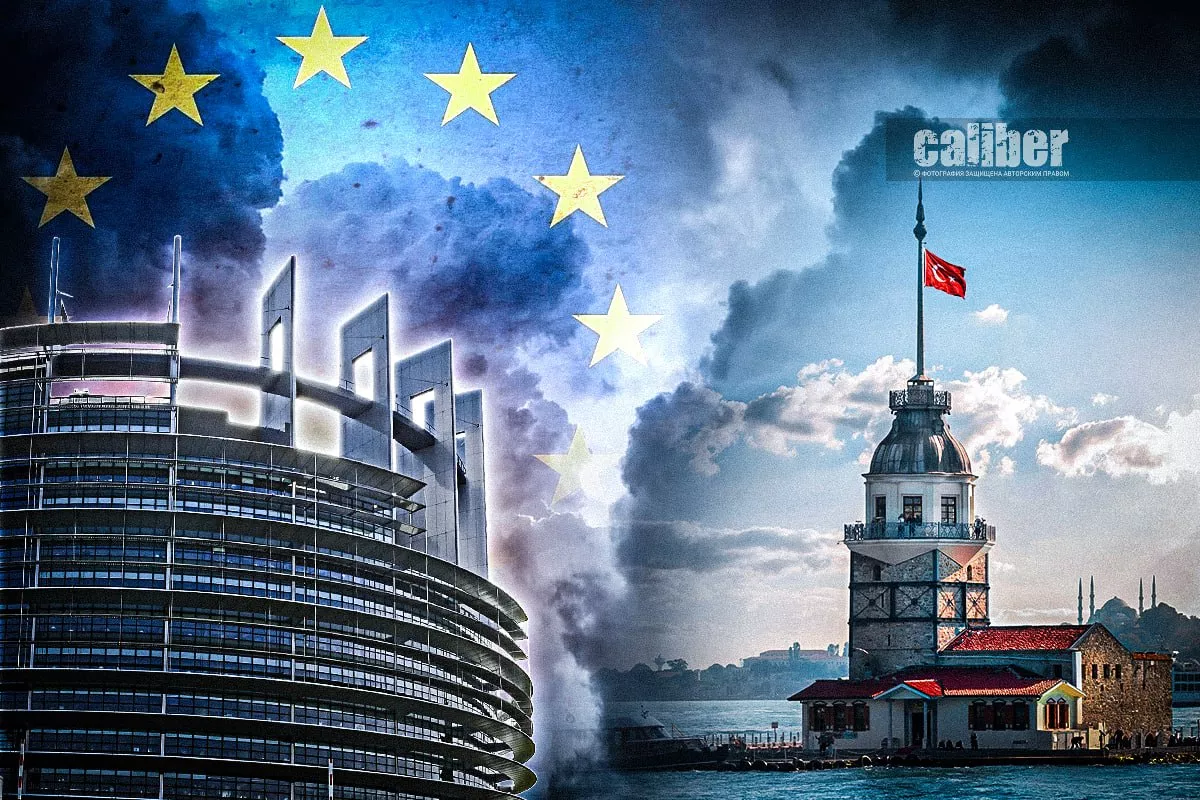
However, in supporting Ankara’s European integration ambitions, Germany would have to “enter the ring” with France, Austria, Greece, and the Republic of Cyprus, which have traditionally opposed Türkiye’s accession to the “big and friendly European family.”
At the same time, these countries actively refer to Türkiye’s alleged departure from the Copenhagen criteria, citing, among other things, the country’s transition to a presidential system following the 2017 referendum and the lack of progress in aligning domestic legislation with common European legal standards.
In reality, however, the sticking points are somewhat different: Paris and Vienna fear that Türkiye’s accession to the EU would strengthen the so-called “Islamic factor” in Europe, while Athens and Nicosia oppose Turkish membership due to what they view as the unresolved Cyprus issue.
Meanwhile, the Turkish authorities, despite all the steps taken toward European Union membership, are not prepared to wait indefinitely at the threshold of the bloc in the faint hope of a revival of a “European political will.” As early as 2023, President Erdoğan stated in his address to parliament that “Türkiye will no longer accept the conditions and demands for EU accession coming from Brussels. We have fulfilled all the promises we made to the EU, but they have fulfilled almost none of theirs.”
Thus, at present, Germany’s key objective is not so much to secure Türkiye’s accession to the European Union as to keep it within Europe’s orbit, since the German side—unlike Brussels—clearly understands that amid tectonic shifts in global politics, the loss of Türkiye would be equivalent for Europe to falling into an abyss.







 editor@caliber.az
 +994 55 444-88-98
 Азербайджан, Баку, ул. Низами, 203, Af Business House, 5-й этаж