










Bollywood diplomacy in Europe Modi’s tour and New Delhi’s stakes
Today, Indian media outlets are focusing on the European tour of Prime Minister Narendra Modi, which began on May 15. During this period, he has already visited Gothenburg, Sweden, where he met with his Swedish counterpart Ulf Kristersson, European Commission President Ursula von der Leyen, as well as representatives of European and Indian businesses. He will now travel to Oslo for the third India–Nordic Summit, where he is scheduled to hold meetings with the leaders of Norway, Sweden, Denmark, Finland, and Iceland. He will conclude his tour on May 20 with a visit to Italy, where he will meet Italian Prime Minister Giorgia Meloni.
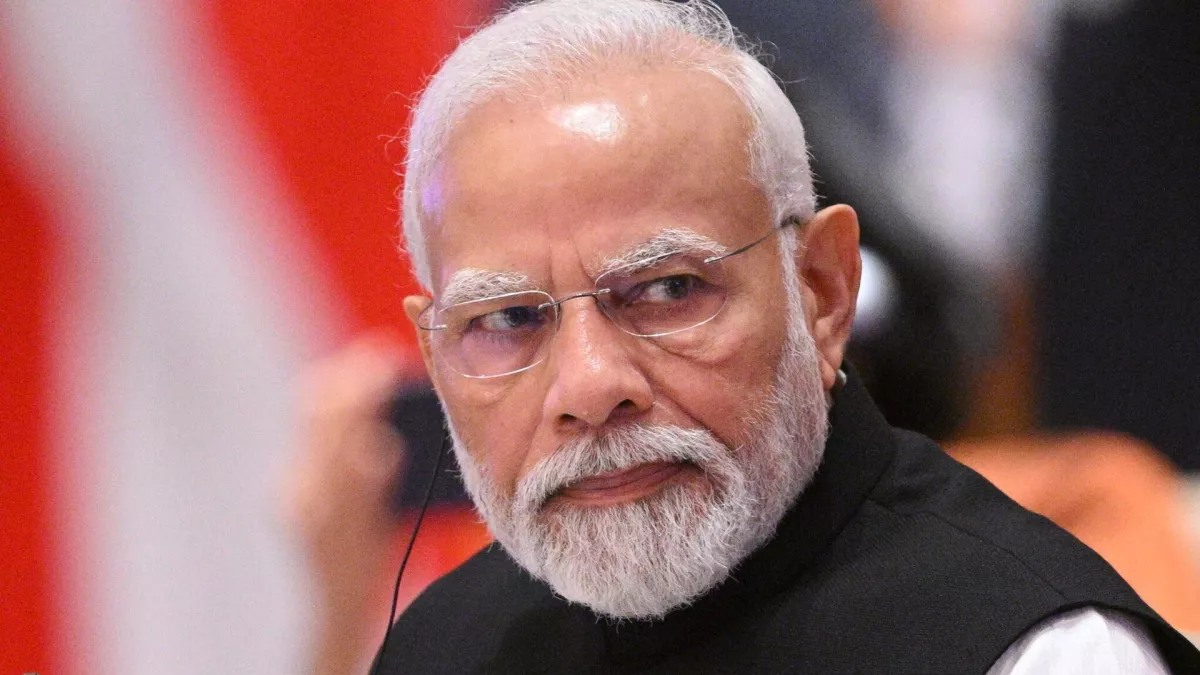
So, to begin with, it should be noted that against the backdrop of current global geopolitical shifts, a European tour by such a controversial leader as Modi can hardly be described as a “courtesy visit.” It is rather a pragmatic move by New Delhi aimed at rapprochement with Brussels, driven by a number of important factors.
First of all, India seeks to position itself as an alternative strategic partner for the European Union, especially at a time when EU–Russia relations have reached a point of bifurcation due to the war in Ukraine. It is worth recalling that Russia’s share in the EU’s foreign trade has declined from nearly $300 billion to less than $140 billion, while Russian pipeline gas, which previously accounted for up to 40% of the EU’s consumption, has been almost entirely phased out. This has forced European countries to switch to liquefied natural gas supplies from the United States and Qatar, as well as pipeline deliveries from Norway.
In addition, as a result of anti-Russian sanctions, European businesses have massively exited the Russian market, and exports of European technologies and equipment have significantly declined. In other words, all of this has resulted in considerable costs, including rising energy prices in Europe. Russia, in turn, has been forced to reorient itself toward Asian markets.
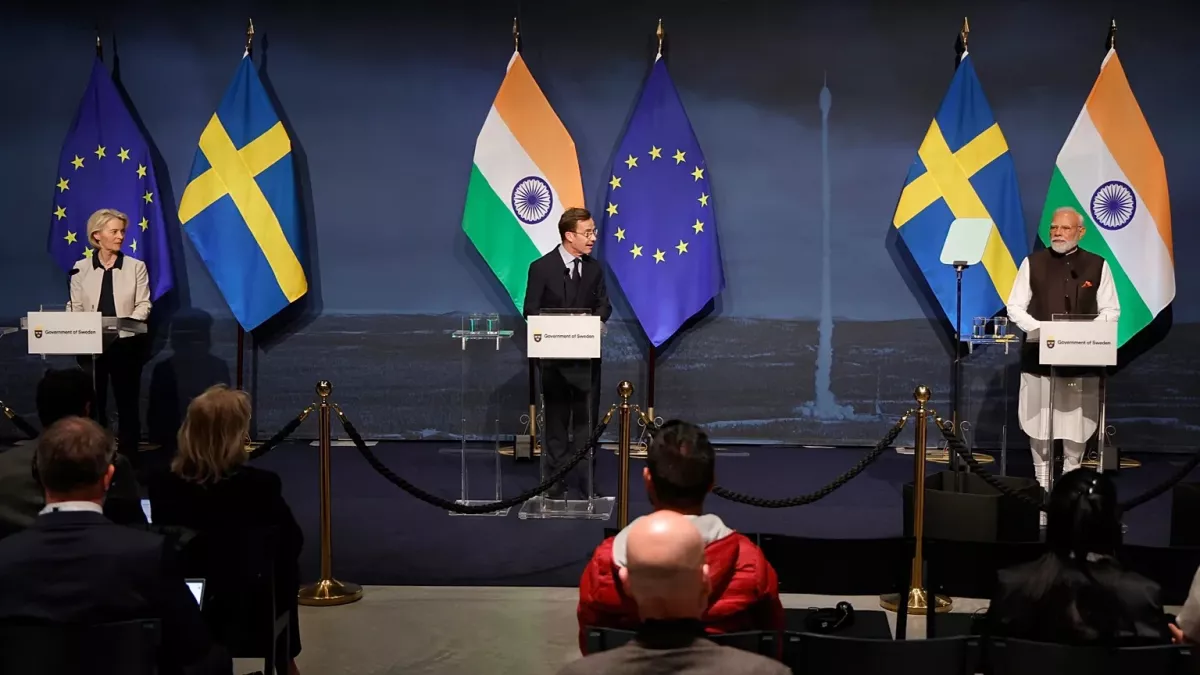
And, it appears that the Indian prime minister intends to fully capitalise on the current fragile geopolitical situation to benefit his country. In particular, during Modi’s meeting with Ulf Kristersson and Ursula von der Leyen, the commitment to the EU–India trade agreement — dubbed the “mother of all deals” — was reaffirmed. The agreement, signed by the two sides in New Delhi in January, is expected to be finalised by the end of this year.
By creating a market of nearly 2 billion people, accounting for a quarter of global GDP, the deal is set to become the largest trade pact in history for both sides. Under the agreement, India will eliminate or reduce tariffs on 96.6% of goods from the EU, while the European Union will do the same for 99.5% of goods from India.
The second aspect lies in the far-reaching ambitions of Modi’s cabinet to “displace” the Chinese market, not only in Europe but in the global economy as a whole. However, the underlying reason is likely more systemic — the intensifying competition between Beijing and New Delhi for the status of leading power of the Global South, which is becoming increasingly evident amid the ongoing transformation of the world order.
In this direction, India is acting quite firmly. For example, in order to attract manufacturing capacities and compete with China as the “world’s factory,” it is actively promoting its own industrialisation, offering tax incentives to global corporations. In addition, a real “resource war” is underway between the two countries.
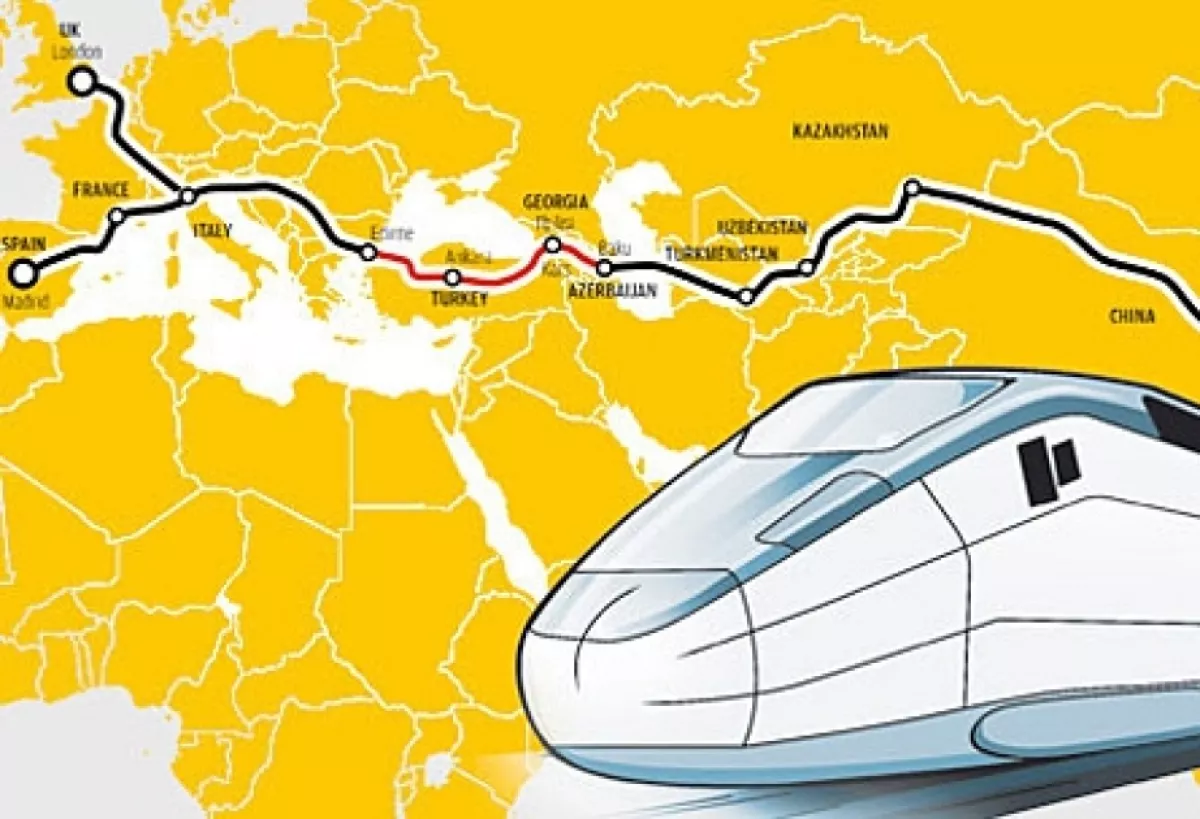
New Delhi is particularly concerned about Beijing’s ambitions to expand its presence in the Indian Ocean and South Asia, primarily through the Belt and Road Initiative. India’s response to this Chinese concept has been the creation of the India–Middle East–Europe Economic Corridor (IMEC), designed to connect Asia, the Persian Gulf, and the Old Continent through rail and maritime routes.
Moreover, India is deliberately obstructing the Belt and Road Initiative by creating serious diplomatic, legal, and geopolitical barriers to it, refusing at the highest level to recognise or support the Chinese initiative. It views it as a strategy of “encirclement” (the “string of pearls” strategy), and it is also particularly sensitive to the fact that Europe represents the final geographical and strategic endpoint of this large-scale Chinese project.
However, the likelihood that the Indian prime minister will succeed in reducing China’s geopolitical and geo-economic influence in Europe during his European tour is effectively zero for the following reasons.
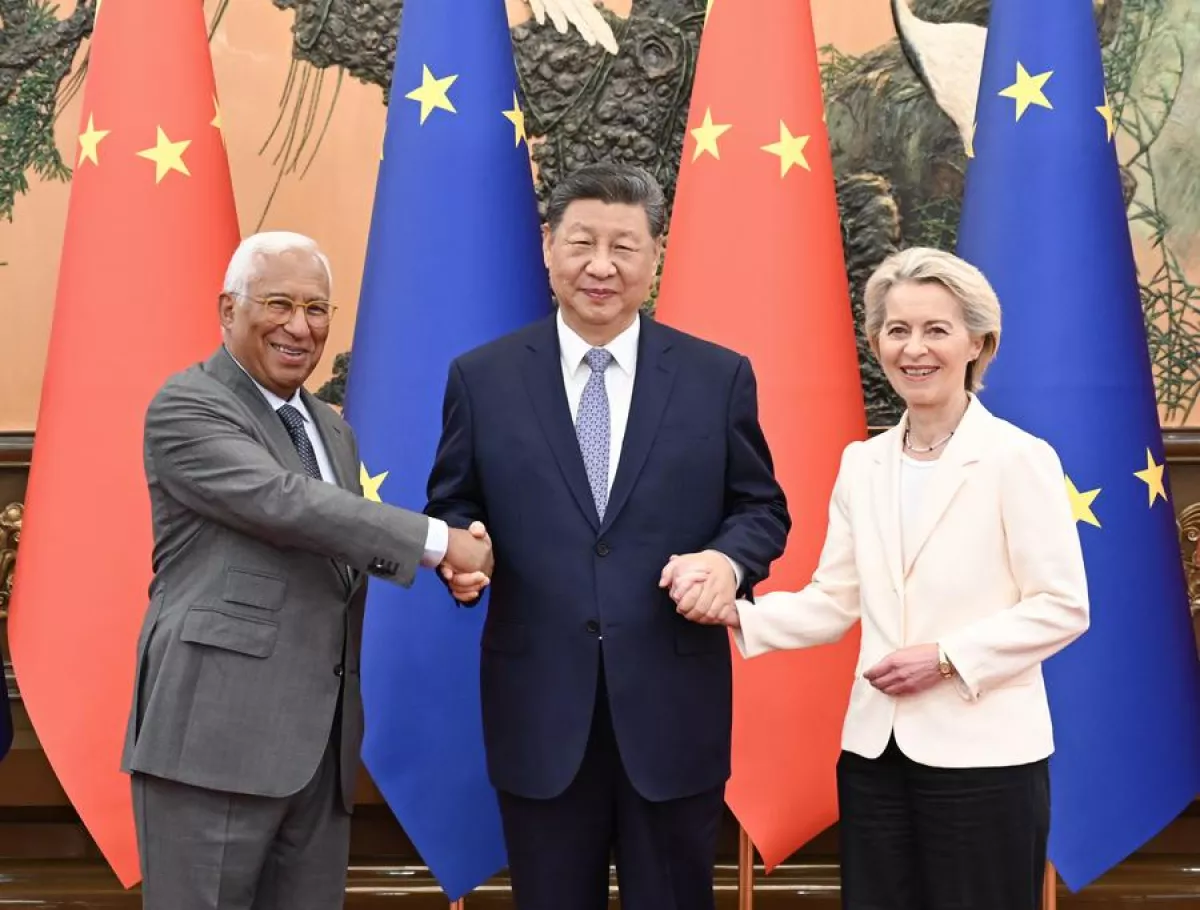
The first lies in the deep interdependence between the two sides: by the end of 2025, the EU’s trade deficit in goods with China reached €359.8 billion.
Secondly, despite a certain level of concern within some EU institutions over such a massive import imbalance — which has led the European Commission to develop new protective measures — not all EU member states are willing to follow Brussels’ directives. In particular, Spain is actively seeking to deepen business ties with Beijing. At the April China–Spain Conference on Innovation and Enterprise Exchanges, which brought together more than 100 Spanish and Chinese business representatives, Prime Minister Pedro Sánchez expressed hope for stronger strategic cooperation between the business communities of the two countries.
In light of the above, it can be argued that the mission of presenting India as an alternative to China, embedded in Modi’s European tour, is likely to remain unattainable.







 editor@caliber.az
 +994 55 444-88-98
 Азербайджан, Баку, ул. Низами, 203, Af Business House, 5-й этаж