










Greenland: New frontier of great power competition Washington expands Arctic military presence
The unrelenting interest of the world’s leading powers in the Arctic increasingly confirms that the region is becoming a new “icy” zone of rivalry.
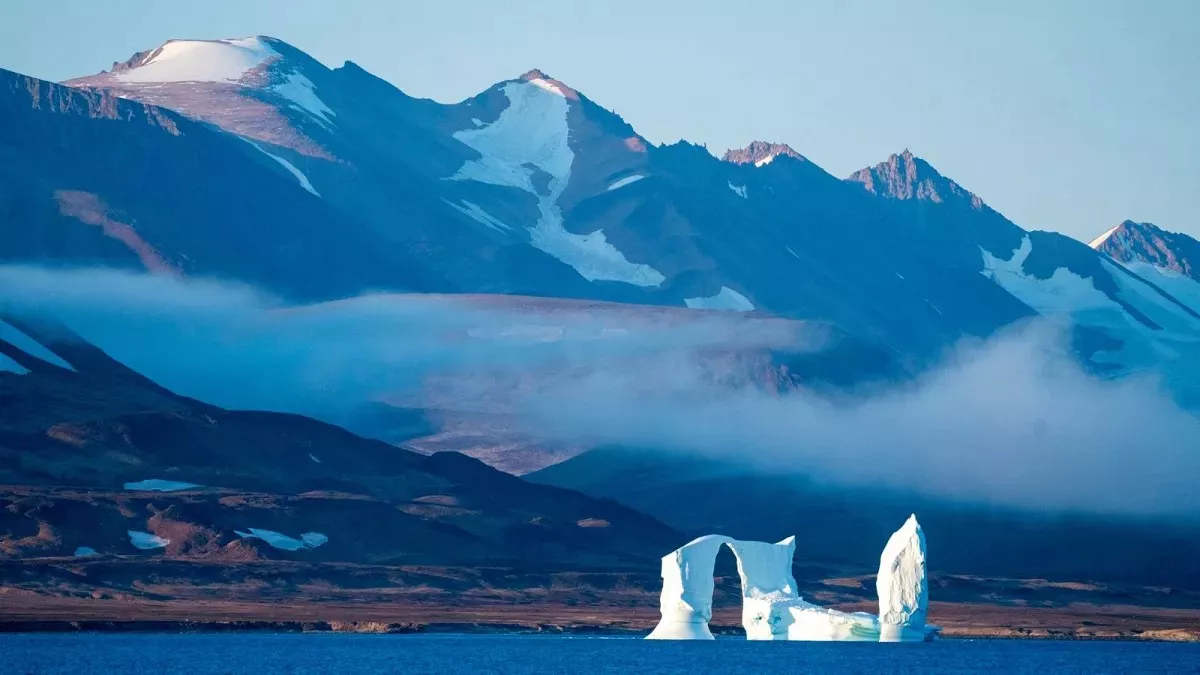
This is directly reflected in the close attention the United States is paying to the world’s largest island, located in the North Atlantic — Greenland — which Washington apparently views as part of its long-term strategy in the Arctic region. In this regard, a BBC report is particularly noteworthy, stating that in recent months the United States has been discussing with Denmark the opening of three American military bases in Greenland. Since mid-January 2026, the two sides have held at least five meetings on the matter.
The White House confirmed that high-level talks with the kingdom had taken place, but declined to provide details, noting only that the negotiations had “taken some steps in the right direction.” Meanwhile, Denmark’s Foreign Ministry also acknowledged that negotiations on the issue are underway, though without disclosing specifics. At the same time, according to the BBC, the new bases are planned to be located in the southern part of the island, and their mission would include monitoring potential activity by the naval forces of Russia and China in the north Atlantic.
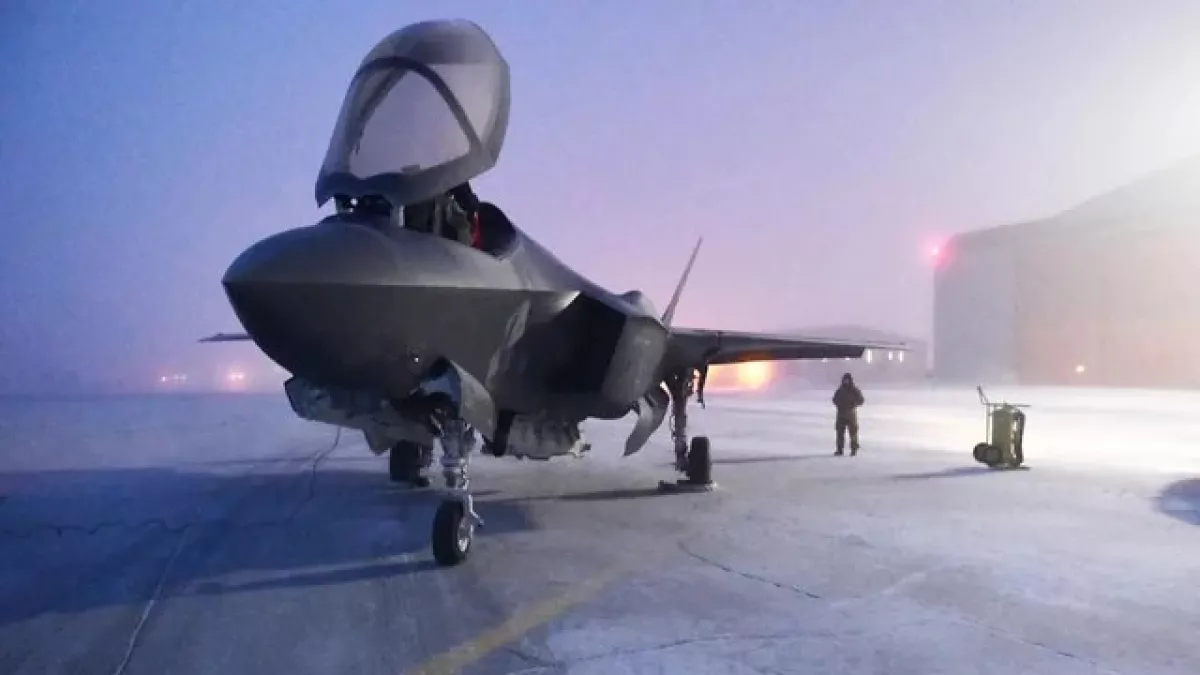
Thus, in light of current developments, it is worth examining the key objectives of the current American strategy in this region across three dimensions — military, geopolitical, and economic — beginning with the first. The fact is that Greenland is ideally suited for early warning systems, ballistic missile tracking, space and satellite monitoring, and missile defence operations. At present, the island officially hosts only one U.S. military facility — Pituffik Space Base (formerly Thule Air Base), which provides surveillance of airspace and outer space.
New American bases are reportedly planned for Narsarsuaq, a decision that appears practical given that a U.S. base was previously located there and that an airfield and deep-water port infrastructure still remain. In other words, the Americans can make use of the existing infrastructure simply by modernising it. This would be significantly cheaper than constructing entirely new facilities from scratch, allowing savings in financial costs, manpower, and time.
At the same time, Washington is formally acting within the framework of the 1951 defence agreement signed with Denmark, which permits the deployment of American military facilities in Greenland. Under the key provisions of the document, the island is regarded as part of the defence system of NATO and guarantees the United States the right to build, operate, and maintain military bases and facilities (defence areas) on the island’s territory. This means that American military bases in Greenland will not only expand U.S. capabilities, but will also become a crucial element of the collective defence system of the North Atlantic Alliance.
At this point, the military factor smoothly transitions into the geopolitical dimension, since such a development has sparked poorly concealed dissatisfaction in both Russia and China, which view any U.S. military facilities in Greenland as surveillance outposts targeting Russia and China. In particular, the Russian side believes that the strengthening of American military positions on the island is a direct attempt to alter the existing balance of power in the Arctic and serves as an instrument of pressure.
Russian officials have repeatedly stated that turning Greenland into Washington’s “strategic military bridgehead” could undermine regional stability and increase the risk of a large-scale conflict. At the same time, Vladimir Putin commented rather cautiously on U.S. plans regarding the island, noting that attempts by the United States to purchase or establish a stronger presence there are a matter between two countries — the United States and Denmark — and “have nothing to do with us [Russia].” Nevertheless, the Russian leader has previously emphasised on numerous occasions that his country is concerned about the growing activity of NATO in the Arctic and will take appropriate measures by strengthening its own military positions.
As for China, Beijing accuses Washington of exploiting the “Chinese threat” as a justification for advancing its own strategic ambitions in the Arctic. Official Beijing, which has been steadily deepening cooperation with Russia in the region — including through the development of the “Polar Silk Road” and its “Blue Economic Corridor,” namely the Northern Sea Route as an alternative to maritime routes influenced by the United States — regularly emphasises that its Arctic activities are exclusively focused on scientific research and investment projects. At the same time, the Chinese side accuses Washington of attempting to limit its “freedom of action” in the region.
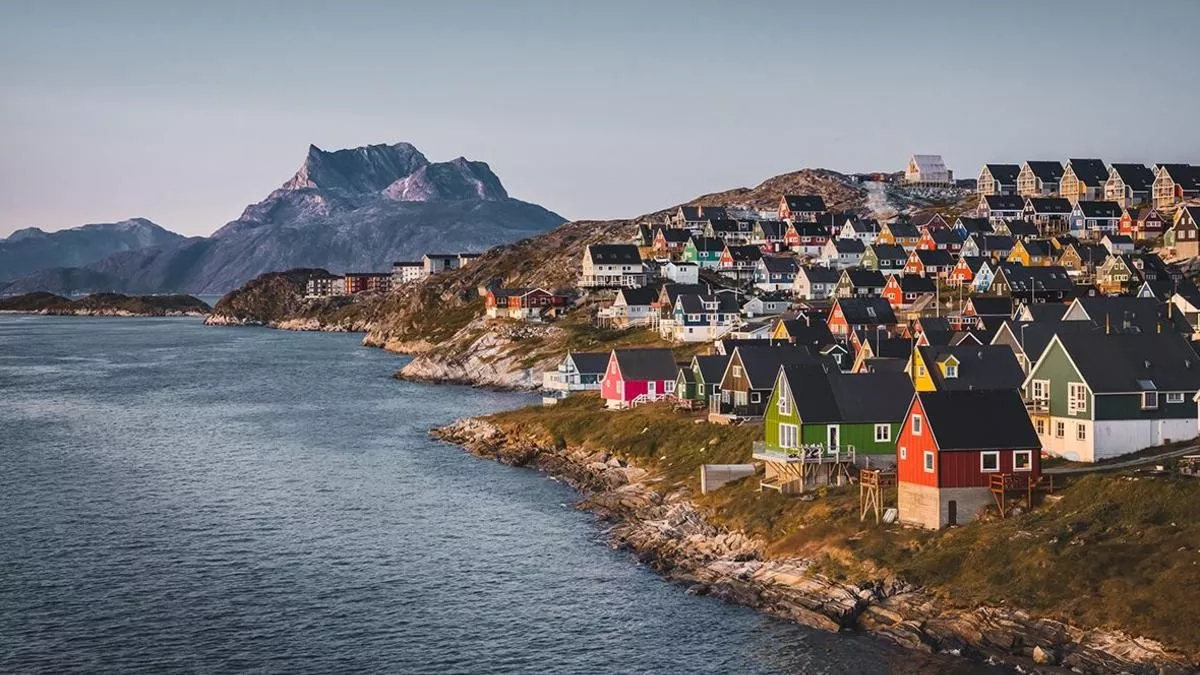
In light of what has been said, it becomes reasonable to conclude that the three leading global powers are competing with one another in a Cold War-like logic, and that behind this lies the fundamental basis on which all interests are ultimately grounded — the economy. This is because Greenland is known to be rich in rare earth metals, uranium, as well as oil and gas.
Taken together, these factors leave little doubt that the United States, China, and Russia will continue expanding both their military and economic presence in the Arctic, gradually transforming the island into yet another arena of geopolitical confrontation. In this context, the establishment of new American bases in Greenland is likely to further intensify the struggle for access to the treasures of the island.







 editor@caliber.az
 +994 55 444-88-98
 Азербайджан, Баку, ул. Низами, 203, Af Business House, 5-й этаж