










Conversation in Beijing Inside Trump’s Fox News sit-down
An interview with US President Donald Trump conducted by journalist Bret Baier aired on Fox News while the American leader was on a state visit to China. In the conversation, the head of the White House did not go into detail about the substance and outcomes of his talks with Chinese President Xi Jinping, but he nevertheless shed light on the broader context of the meeting, the current state of US-China relations, and the two countries’ leaderships’ views on global issues.
Relations with China
Donald Trump stated that the main outcome of his visit to Beijing was his personal relationship with Xi Jinping, which he described as a key factor in resolving trade and geopolitical issues between the two countries.
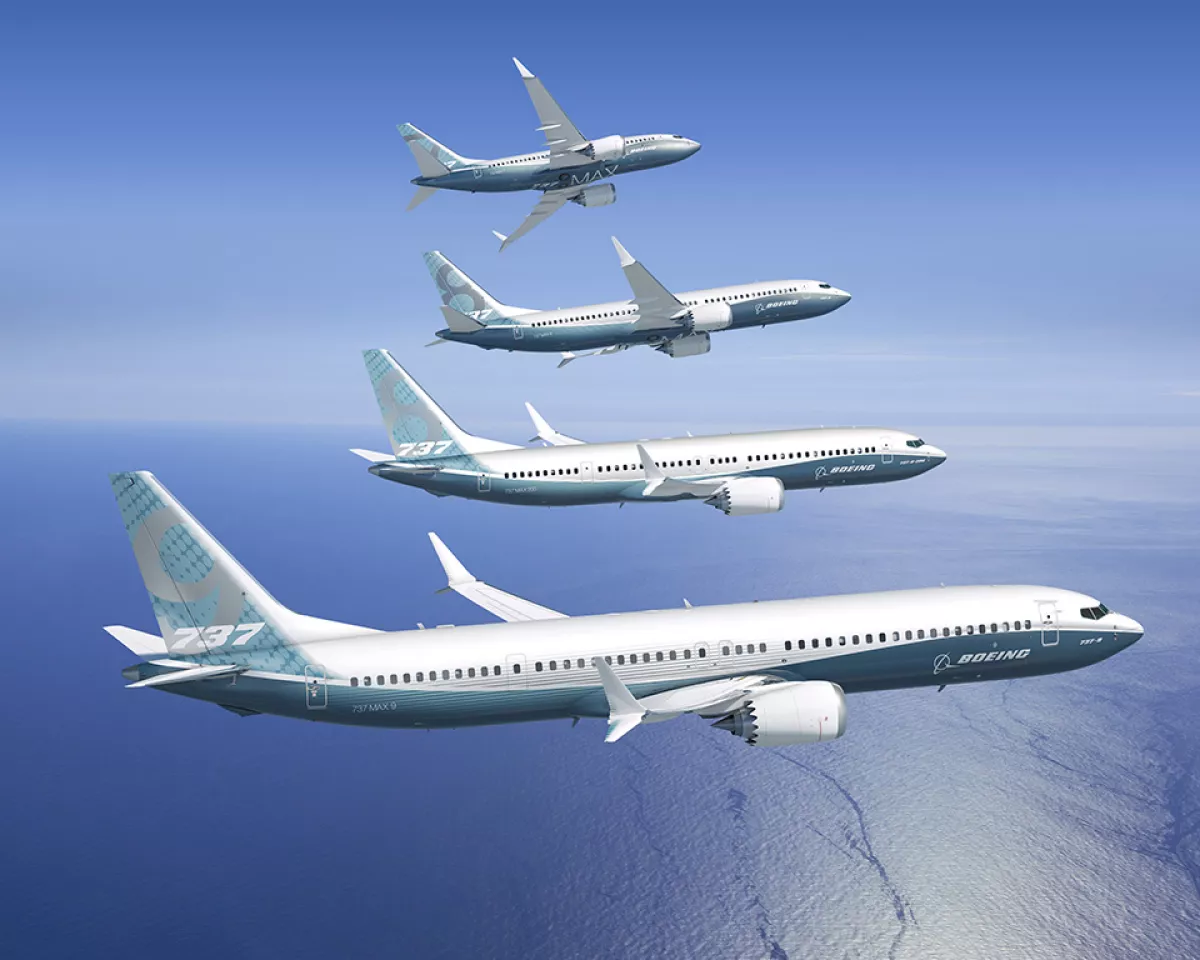
According to him, the United States and China managed to resolve numerous complex issues, while bilateral trade remains substantial. He stated that China had agreed to purchase 200 Boeing aircraft, including the 777 and 737 models, with the possibility of expanding the order to 750 planes if the deal proves successful. The engines for the aircraft, the White House chief claimed, will be supplied by General Electric.
The President of the United States also highlighted the growth of Chinese investment in the American economy, stating that over the past 11 months the US had attracted around $18 trillion in investments. He stressed that Chinese companies would be able to build factories in the United States to circumvent tariffs, while at the same time employing American workers.
Separately, Trump sharply criticised exports of Chinese cars, saying that he had imposed 100-percent tariffs on vehicles from China in order to protect the American automotive industry from the fate of Europe, which, according to him, is “flooded with Chinese cars”. At the same time, he indicated that he is prepared to maintain or even strengthen the tariff policy regardless of decisions by the Supreme Court of the United States.
Taiwan
Trump confirmed that Taiwan remains the main issue for Xi Jinping in US-China relations. He noted that China categorically opposes seeing Taiwan become an “independent state” and could react harshly to any steps toward the island’s independence.
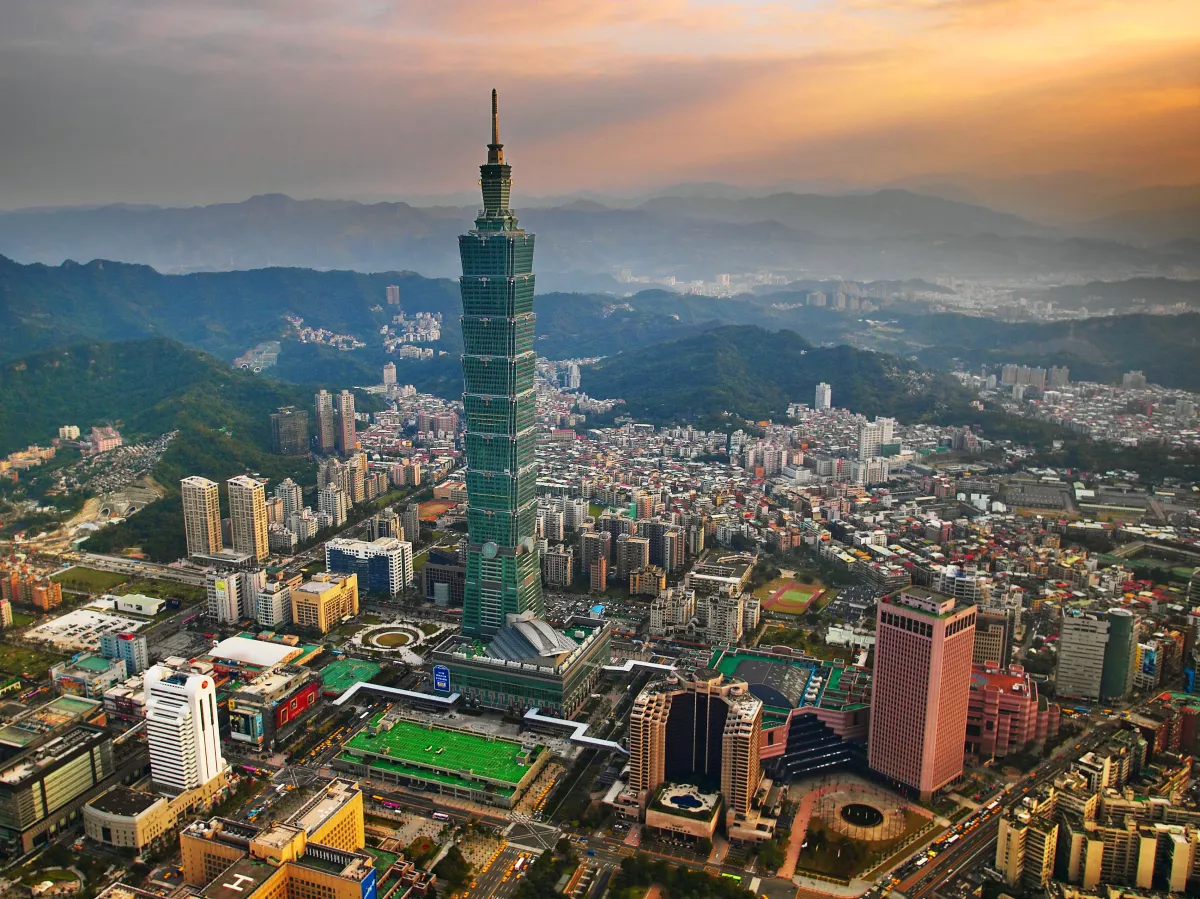
At the same time, Trump stressed that he does not view the Chinese position as a direct threat, but rather as a long-term strategic line. The White House chief effectively spoke against the declaration of Taiwan’s independence, stating that the United States should not be drawn into a war over the island, located 59 miles from China and 9,500 miles from the United States.
Trump said that he has not yet approved a $12 billion arms package for Taiwan and is considering it as an important bargaining tool in relations with China. According to him, the status quo around the island should be maintained, and both sides should “cool down”.
A significant part of his remarks was devoted to the semiconductor industry. He accused previous US administrations of losing the chip industry and said that Taiwan had “stolen” American semiconductor manufacturing. The President of the United States emphasized that he intends to bring chip production back to America, particularly to Arizona, and expects the United States to control up to 40–50% of the global semiconductor market by the end of his term.
Artificial intelligence
Speaking about artificial intelligence, Trump described the United States and China as the two main players in the global AI race, stating that the United States is already significantly ahead of China. According to him, the Chinese leadership was surprised by the pace of American technological development, as it had previously believed that China held a substantial advantage.
Trump said he had authorized companies operating in the artificial intelligence sector to independently build power plants to supply energy for data centers and computing capacity, arguing that the existing US power grid would not be able to meet their needs. He stressed that these measures are helping America strengthen its leadership in the field of artificial intelligence.
During talks with Xi Jinping, the two sides discussed the possibility of introducing international restrictions and “safety rules” for AI. However, Trump acknowledged that under conditions of intense technological competition, it would be difficult to agree on comprehensive control mechanisms. At the same time, he noted that AI can bring enormous benefits, especially in medicine, where new technologies are already helping to develop drugs and treatments previously considered impossible.
Iran
One of the central topics of the interview was the situation around Iran. Trump stated that he is losing patience with Tehran and intends, at any cost, to prevent the Islamic Republic from acquiring nuclear weapons. According to him, this goal remains an absolute priority for the United States, even if it temporarily leads to higher global prices for oil and gasoline.
According to his statement, Iran had already been twice close to acquiring nuclear weapons, but Washington managed to prevent it. He also claimed that Iranian authorities themselves acknowledged the extent of damage to their facilities following US strikes, saying that only the United States or China could extract materials from the destroyed underground complexes.
Trump repeatedly emphasized US military superiority, arguing that American forces had destroyed most of Iran’s naval infrastructure and are also capable of disabling the country’s energy system and oil exports within a matter of days. At the same time, he noted that the United States is currently refraining from striking critical Iranian oil facilities in order to avoid triggering a global energy crisis.
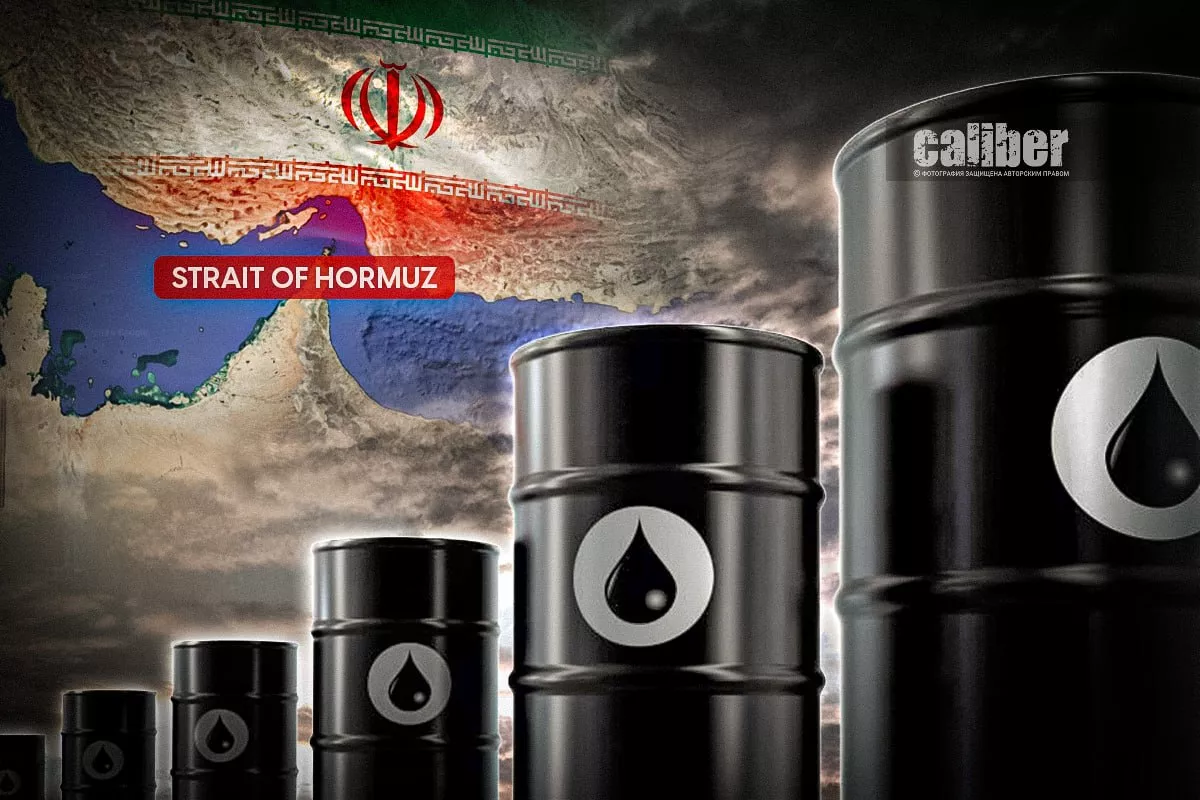
Particular attention was given by the White House chief to the Strait of Hormuz, where he stated that China is interested in keeping it open, as it receives around 40% of its oil through this route. He expressed confidence that Tehran would not be able to use the threat of closing the strait as a long-term instrument of pressure.
In the interview, Trump also left open both a diplomatic settlement and a force-based scenario, stressing that he would prefer a peaceful solution but is prepared for further escalation if necessary.
He further noted that Beijing and Washington share a common interest in preventing Iran from acquiring nuclear weapons and in maintaining stability in the Strait of Hormuz. Moreover, he confirmed that Xi Jinping had offered assistance in resolving the conflict with Tehran, but the United States does not require help on this issue.
Gasoline prices and the US economy
Trump acknowledged that rising gasoline prices remain a sensitive issue for Americans, but insisted that current prices are significantly lower than levels the markets had feared following the escalation of tensions around Iran. He claimed that many had predicted oil prices could rise to $200–250 per barrel, whereas actual prices remain far below those levels.
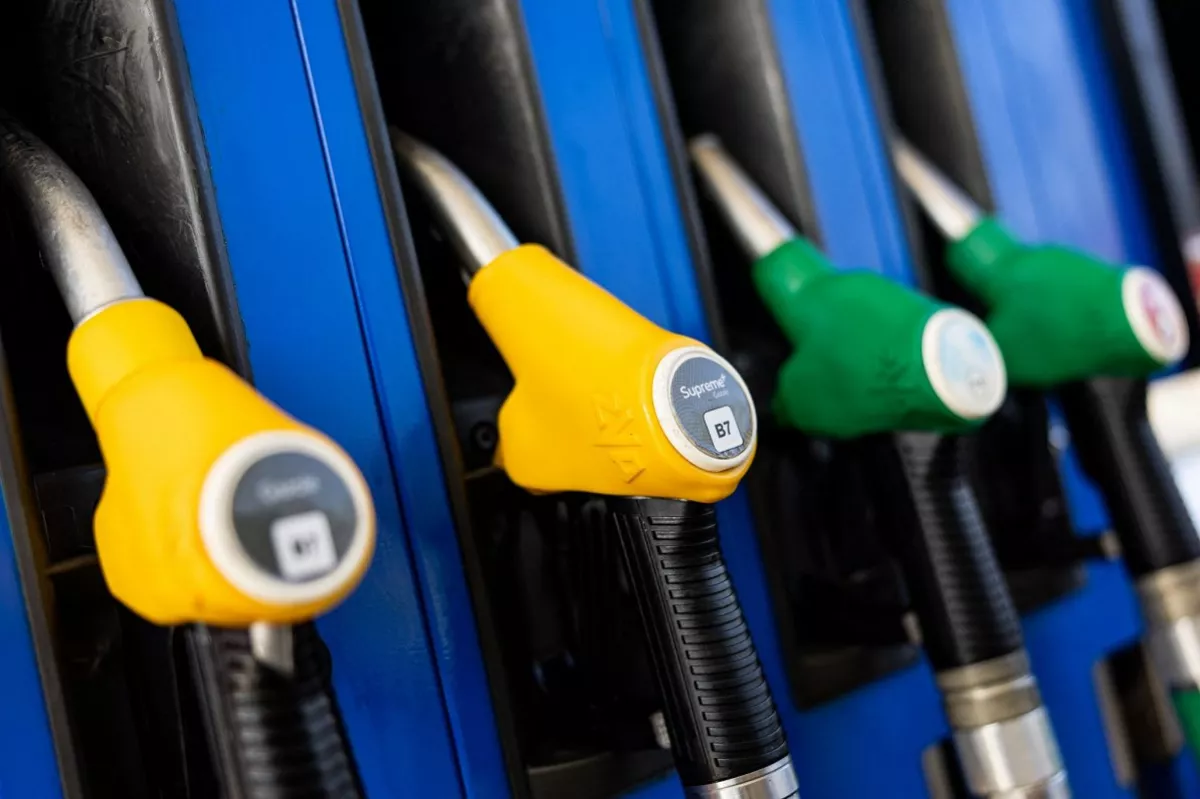
According to the US president, short-term economic difficulties are justified by the need to prevent Iran from acquiring nuclear weapons. Trump stated that once the crisis is resolved, gasoline and energy prices would fall quickly, as the global market would receive additional oil supplies, including from the United States.
He also sought to contrast the current situation with Joe Biden’s presidency, claiming that he inherited high inflation and rising prices but has already managed to stabilise the economy. As evidence, he pointed to record highs in the stock market, growth in the Dow Jones Industrial Average and S&P 500 indices, historic peaks in 401(k) retirement savings, and record employment levels. At the same time, Trump sharply criticised Democrats and the media for attempting to link rising prices solely to his foreign policy, arguing that Americans are willing to tolerate short-term costs in order to eliminate the threat posed by Iran.
Afterword
Overall, the President of the United States appeared rather confident — primarily in areas related to the economy and technology. His comments on Taiwan largely remained in the same tone as before. At the same time, it is clear that Trump did not disclose much of what was discussed at the negotiating table, and this likely applies equally to the Iran issue. Moreover, his statement that the main outcome of the meeting was good relations with Xi sounds like a veiled acknowledgement of the limited substantive results of the talks.
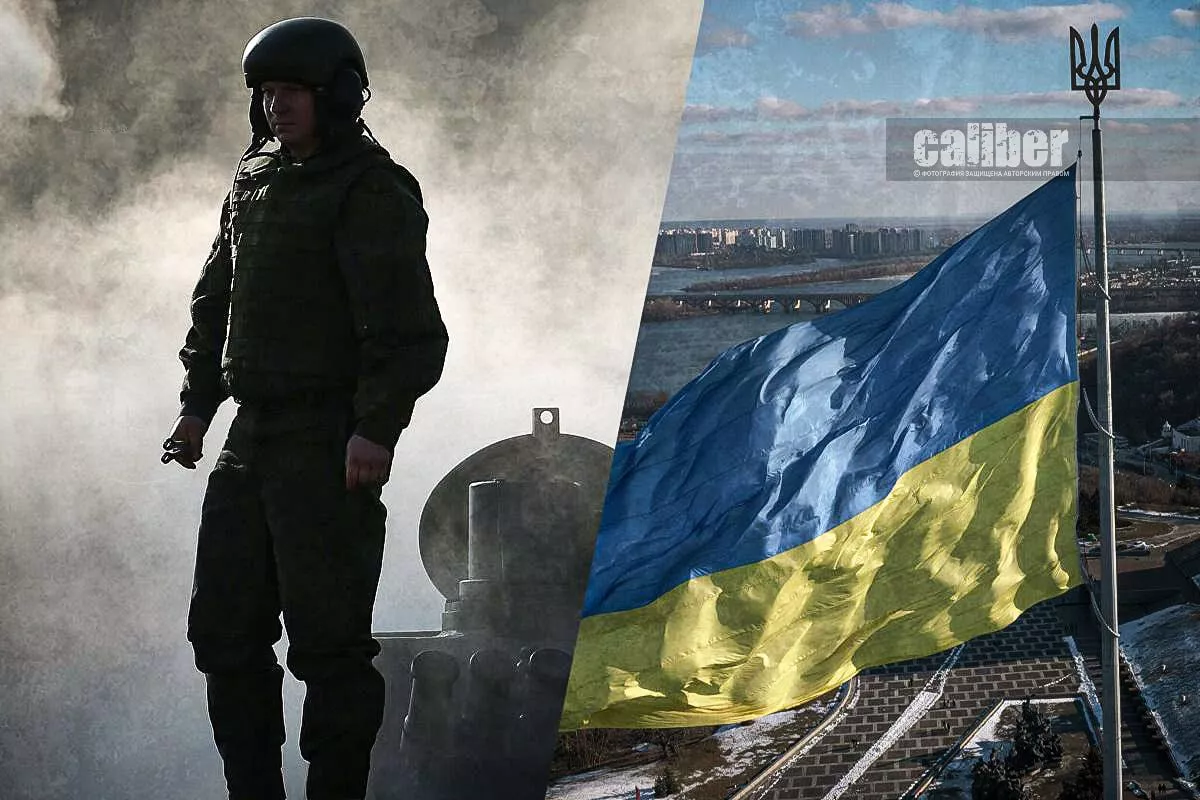
However, if the US president merely omitted, as we assume, even significant details of his talks with the Chinese leader on the two aforementioned issues, then not a single word was said about Ukraine. It is not that he refused to speak on the topic — the journalist simply did not ask any relevant question.
This may indicate that the conservative camp in general, for which Fox News serves as a mouthpiece, is already ceasing to treat the Ukrainian crisis as an issue worthy of occupying the American agenda. In this regard, it can also be interpreted as a clear sign of cooling relations between the United States and Europe.







 editor@caliber.az
 +994 55 444-88-98
 Азербайджан, Баку, ул. Низами, 203, Af Business House, 5-й этаж