










"Vote of no confidence": Germany left out of the UN Security Council Article by Matanat Nasibova
For the first time in its history, Germany has failed to secure a seat as a non-permanent member of the United Nations Security Council, a development that came as a genuine shock not only to Berlin but to the European Union as a whole. Germany, which has long established itself as a leading power and driving force within the EU, had previously been elected to the Security Council six times through its regional group.
According to the results of the secret ballot, Portugal and Austria received 134 and 131 votes respectively, while Kyrgyzstan was elected as a non-permanent member of the body for the first time.
Background: The United Nations Security Council, the only UN body empowered to adopt legally binding decisions, including the imposition of sanctions and the authorization of the use of force, consists of five permanent members: China, France, Russia, the United Kingdom, and the United States. In addition, ten countries are elected to serve as non-permanent members for two-year terms.
The Republic of Azerbaijan was elected to the United Nations Security Council on October 24, 2011 during a plenary meeting of the UN General Assembly following a secret ballot. Azerbaijan’s candidacy was supported by 155 member states.
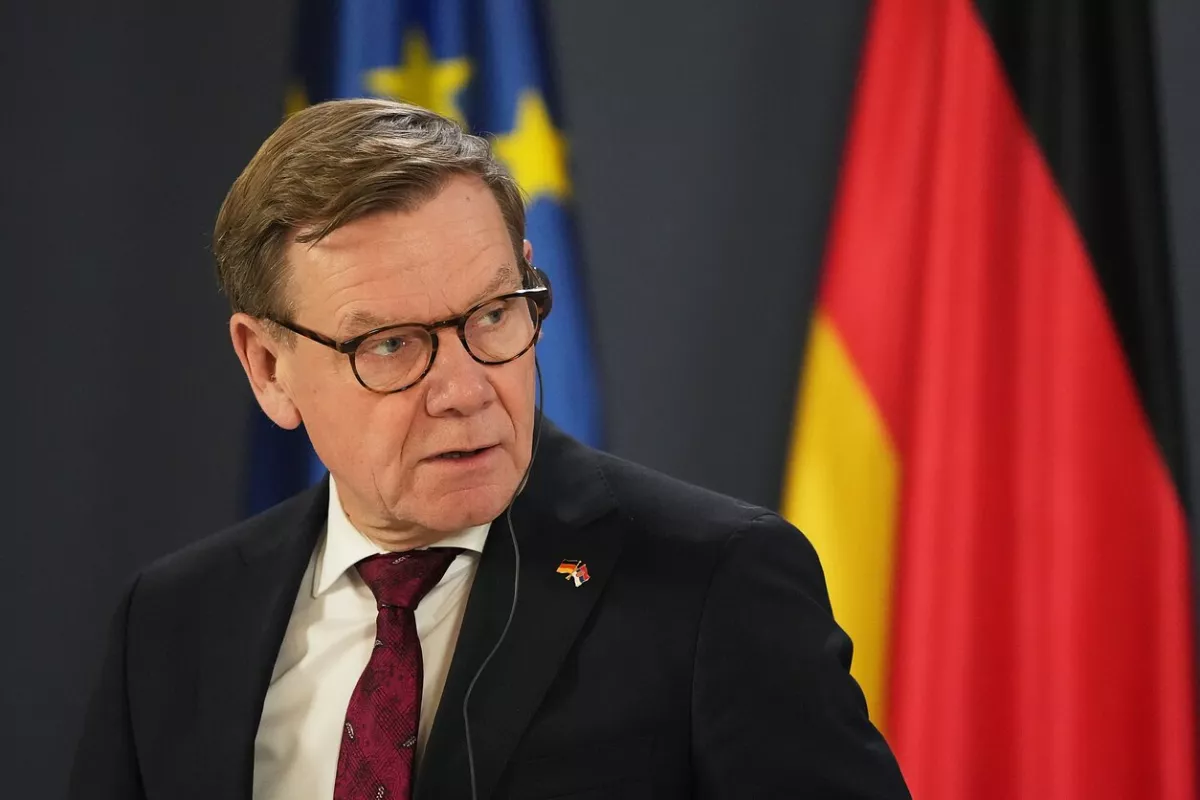
At the same time, German Foreign Minister Johann Wadephul sought to explain away the setback by suggesting that Germany's strong support for Ukraine and Israel may have cost the country its seat on the Security Council, describing the outcome as a “bitter defeat.” Critics, however, argue that the electoral failure represents a significant blow to Chancellor Friedrich Merz, who had initially presented himself as a leader capable of strengthening Germany's standing on the international stage.
In this context, it is worth noting that since the departure of Angela Merkel, German politics has become less predictable overall. This has been driven by a weakening of governance on the one hand and growing coalition tensions, coupled with the rising popularity of opposition forces, on the other. At the same time, these developments have contributed to an erosion of Berlin's political leadership within the European Union, allowing countries such as Poland and Spain to assume a more prominent role in shaping pan-European decision-making. Notably, this trend has persisted despite Germany's considerable economic weight.
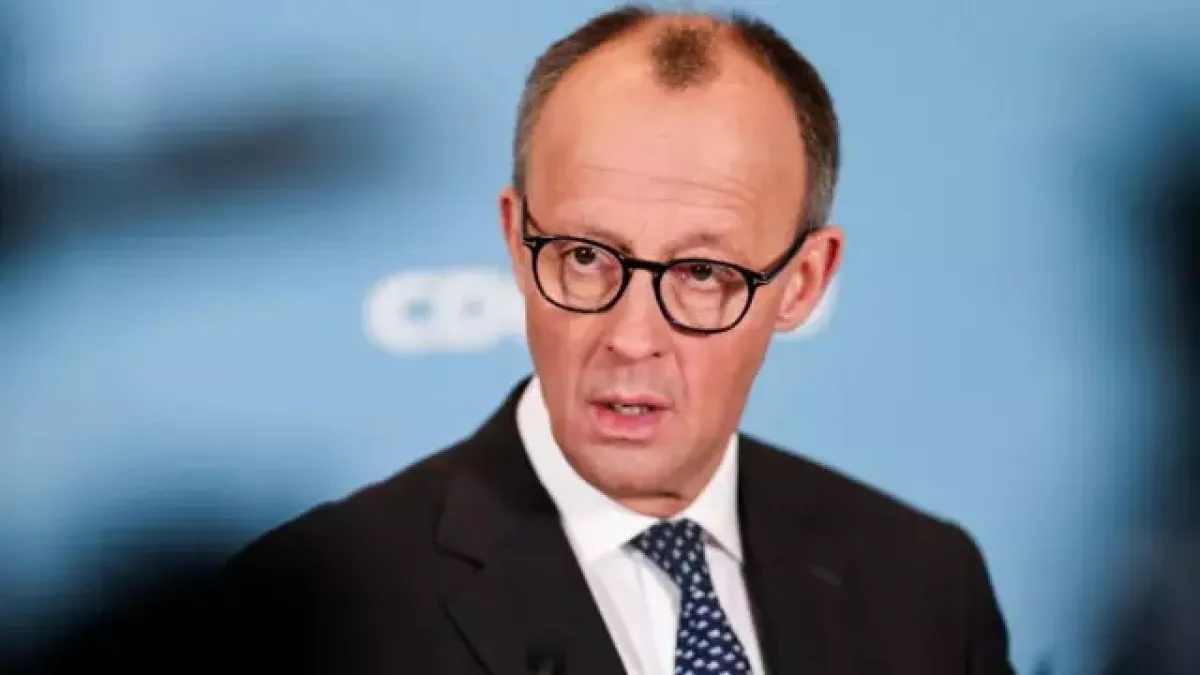
Within Germany itself, the failed bid for a seat on the UN Security Council has triggered a wave of debate about the country's declining international influence. Alice Weidel, co-chair of the Alternative for Germany (AfD), described the outcome as a disgrace and clear evidence of Chancellor Merz's inability to restore Germany's standing on the world stage. Meanwhile, Daniel Brössler, a commentator for Süddeutsche Zeitung, characterized the result as a “vote of no confidence in Germany by the international community,” arguing that it symbolized the country's waning influence. In short, the defeat has fuelled widespread criticism that is likely to dominate political and public discourse both within Germany and beyond for some time to come.
Viewed through the lens of cold political logic, Germany's failure to strengthen its position within the UN system can be seen as a warning sign of a much deeper process: the gradual erosion of the country's political weight in the global decision-making architecture. This is not merely an isolated diplomatic setback, but rather part of a broader trend in which Europe's largest economy is becoming increasingly less effective at translating its economic strength into political influence. At the heart of this transformation lies a shift in Berlin's foreign-policy priorities.
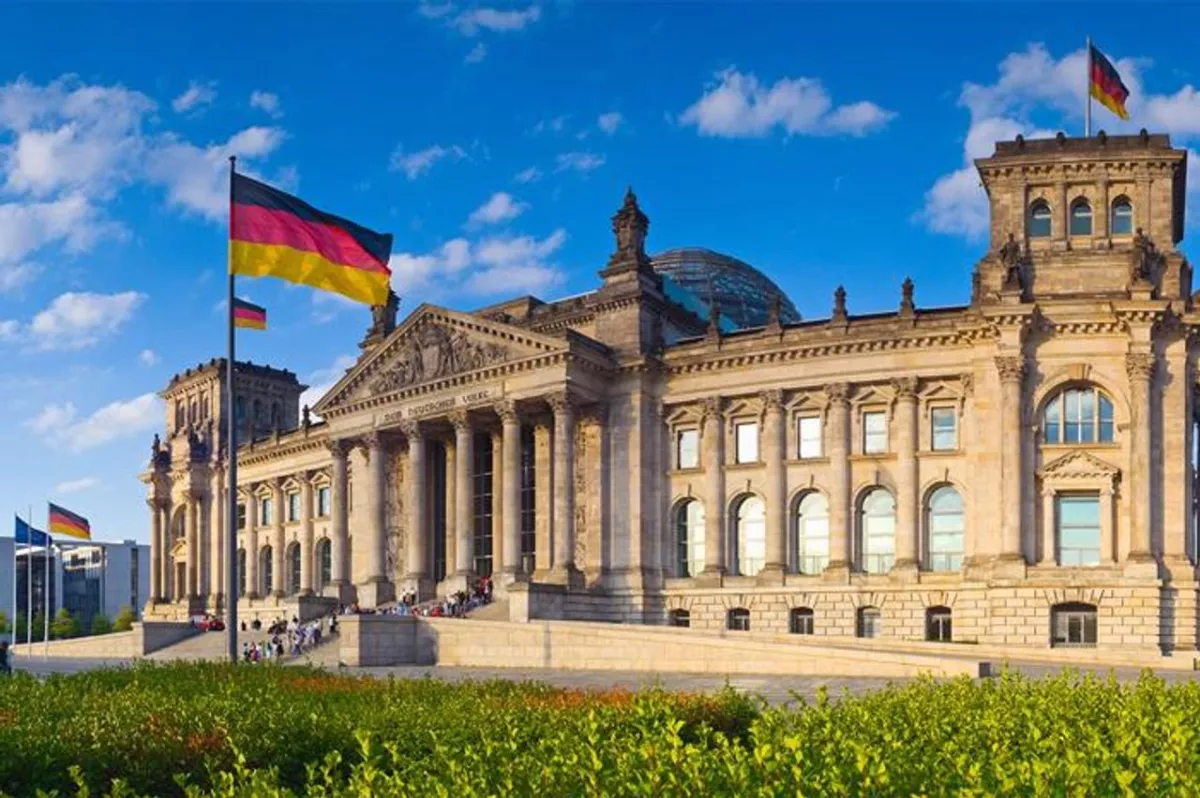
The reason is that in recent years German diplomacy has increasingly come to be viewed as being driven by an internal ideological and values-based agenda, one that largely shapes both the rhetoric and direction of the country's international engagement. In this context, particular attention should be paid to Germany's migration and asylum policies, including the granting of refuge to controversial political figures and activists from various countries, a practice that has complicated bilateral relations and generated additional diplomatic friction.
A striking example can be found in Germany's relations with the countries of the South Caucasus, particularly Azerbaijan. From Baku's perspective, Berlin's decision to provide sanctuary to so-called “Azerbaijani political migrants,” some of whom employ inflammatory rhetoric against the Azerbaijani leadership and the country's policies, reflects a deeply flawed approach that has become a source of growing concern in bilateral relations.
At the same time, Azerbaijani officials have repeatedly pointed out that statements by certain German politicians and public figures, as well as the platform afforded to politically motivated assessments of Azerbaijan's domestic and foreign policies, have contributed to an asymmetric and often critically biased information and diplomatic environment. As a result, Berlin's short-sightedness in this regard not only fuels tensions in Azerbaijani-German relations but also undermines Germany's image as a leading European power capable of assessing developments in a balanced and impartial manner, both in a specific region and across the broader landscape of global politics.
At the same time, it is important to recognise that Germany's international role continues to rest heavily on its institutional integration within the European Union and NATO. Against this backdrop, Berlin's failure within the United Nations reflects a broader trend — a growing reassessment by many countries of the role played by Europe's traditional powers. Critics argue that these states increasingly seek to promote social and political agendas, including the advocacy of LGBT rights, that in some cases run counter to the cultural, religious, and moral values upheld by other societies.
In this regard, Germany's setback at the United Nations should serve as a wake-up call for the country's leadership. It underscores the reality that Germany's standing and influence in the years ahead will depend on its ability to develop a more balanced approach that reconciles value-based foreign policy objectives with pragmatic national and international interests. Today, this capacity remains one of the key benchmarks by which the effectiveness, prudence, and credibility of any country's foreign policy is judged.







 editor@caliber.az
 +994 55 444-88-98
 Азербайджан, Баку, ул. Низами, 203, Af Business House, 5-й этаж