










Kocharyan’s train back to 1992: reviving old conflicts Article by Vladimir Tskhvediani
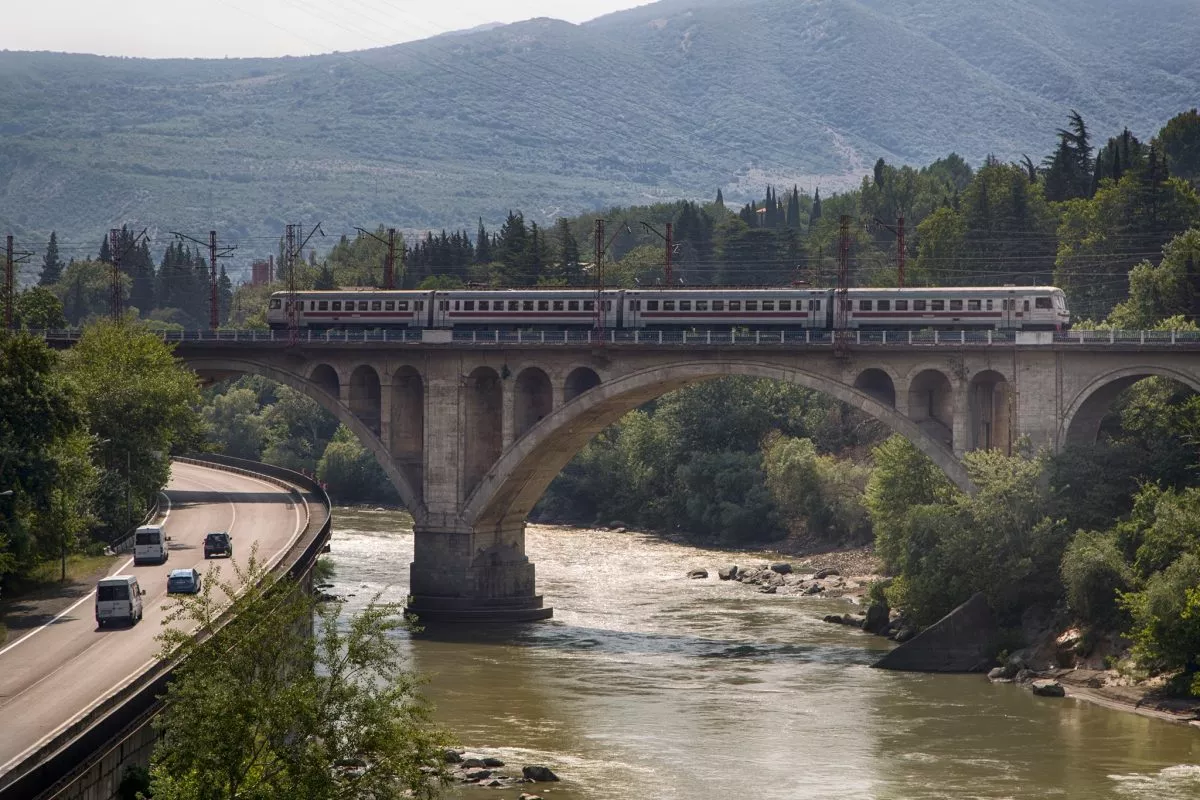
The leader of the inherently revanchist “Armenia” bloc, former president Robert Kocharyan, in the final stage of the election campaign once again placed a bet on an old project — the opening of a railway through Russian-occupied Abkhazia in Georgia. In essence, the revanchists are promoting this route as an alternative to transport links via Azerbaijan and Türkiye, including the recently officially opened Baku–Tbilisi–Kars railway corridor, which has effectively ended Armenia’s rail isolation.
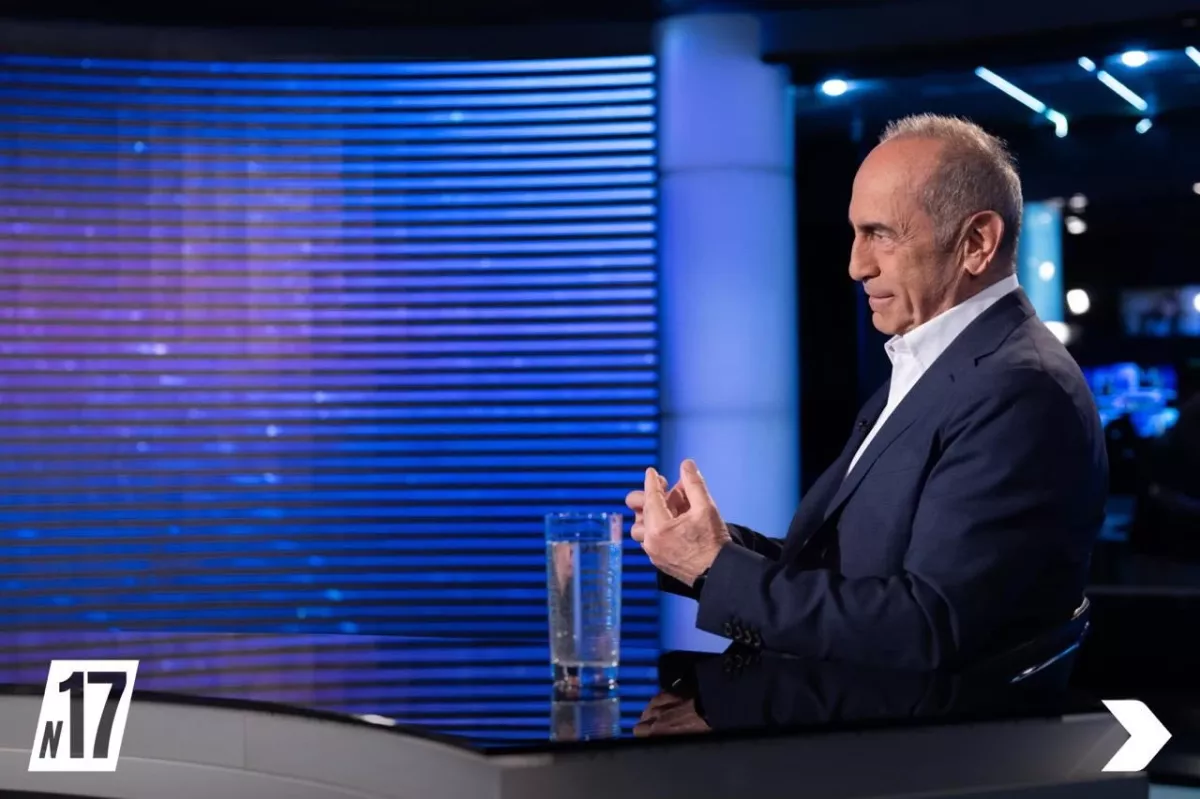
In an interview with the Armenia TV channel, Robert Kocharyan emphasised that activating the railway through Abkhazia would significantly reduce Armenia’s dependence on the Azerbaijani railway network and improve Yerevan’s negotiating position with Baku.
“What will this give us? It's a significantly shorter route to the Russian market, 700 km shorter. At the same time, the use of the railway through Abkhazia will dramatically reduce dependence on Azerbaijani railways. This changes everything dramatically. Less dependence and better negotiations with Azerbaijan. Not addressing this issue is short- sightedness or some kind of agreement to avoid moving forward with a better plan for Armenia. I don't understand why this isn't being addressed,” Robert Kocharyan stated.
It is interesting to hear Robert Kocharyan speak about “shorter” access to the Russian market at a time when Russia itself is introducing restrictions on the export of goods from Armenia and taking measures against Armenian labour migrants. In other words, the revanchist camp seems to assume that, in the event of its return to power, Armenia would become even more tightly bound to the Russian market — effectively locked into a one-sided dependence on Russia.
Moscow, through pressure and what can be described as a “stick-and-carrot” approach, has in effect attempted to steer Armenian voters towards pro-Russian politicians such as Kocharyan and Gagik Tsarukyan, and away from Nikol Pashinyan, who has pursued a course of distancing from Moscow. As the “carrot,” the opening of a railway via Abkhazia is presented — a project that is, in principle, impossible without Georgia’s consent. Yet Georgia, it appears, is not being treated as a party that needs to be consulted either by the Kremlin or by the revanchist circles in Yerevan.
Robert Kocharyan also recalled that during his presidency, he had attempted to open this railway route via Abkhazia and had held talks with the Sukhumi separatist authorities at the time.
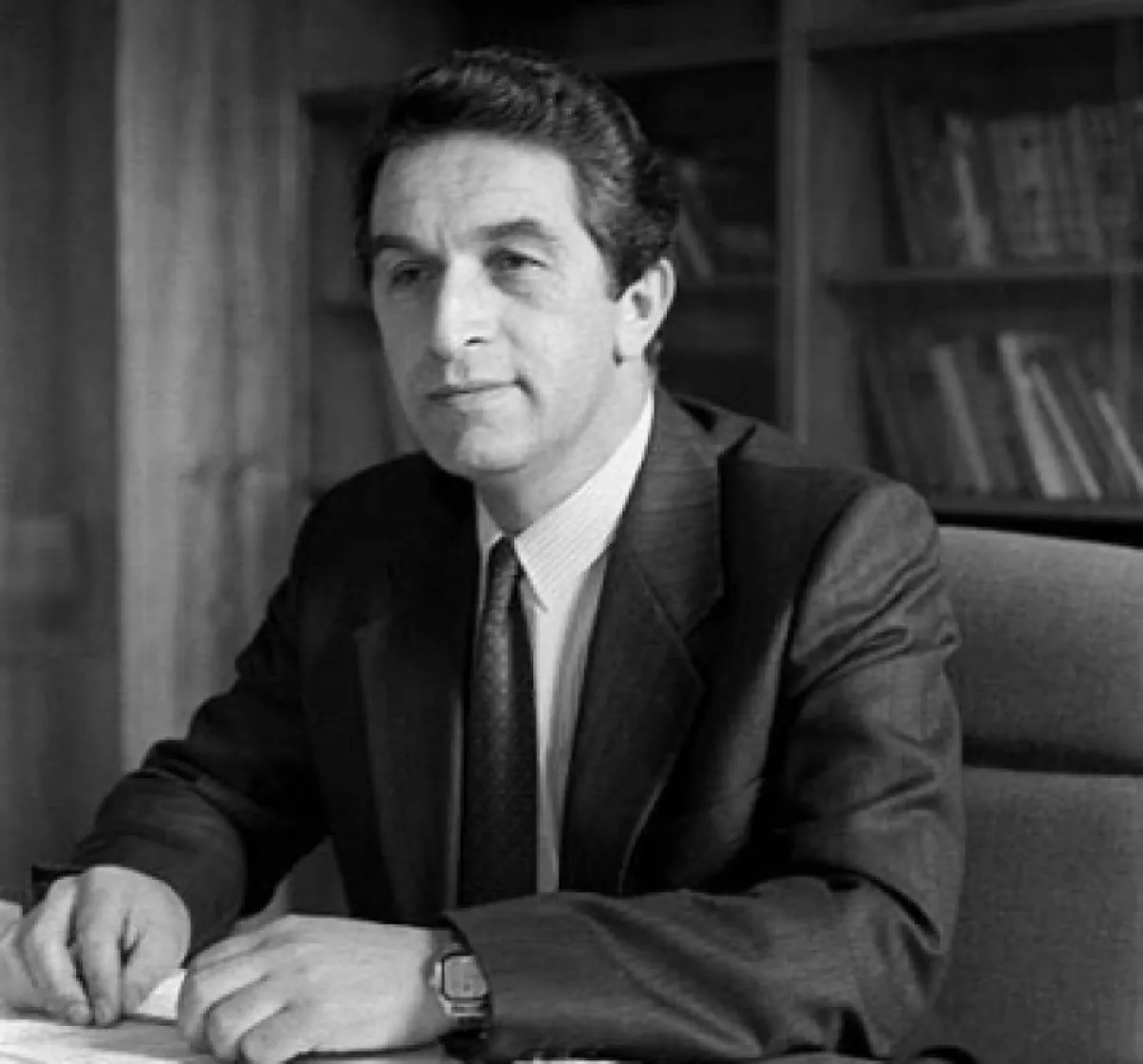
“I tried to implement it back then. I met with Shevardnadze (Georgian President Eduard Shevardnadze - ed.), it was September, I don't remember what year, the early 2000s. He wasn't opposed. But he said, 'If you come to an agreement with the Abkhazians.' We began negotiations with the Abkhazians. Ardzinba was ill, quite seriously. That same year, there was a change of power in Georgia. Mikheil Saakashvili, who was very aggressive on this issue, came to power, and the program was halted,” Robert Kocharyan said.
Robert Kocharyan’s ties with the Abkhaz separatists led by Vladislav Ardzinba were not merely close. He headed the “Karabakh” separatist project, which, together with the “Abkhaz” one, was not only coordinated by Russian security services from a single centre but, in essence, formed a single military-political whole.
Both in Karabakh and in Abkhazia, regular Russian military personnel fought on the side of the separatists; the same Russian General Staff played a key role in planning and conducting their operations, and a significant portion of the separatist fighters in Abkhazia were ethnic Armenians, in particular members of the well-known Bagramyan battalion.
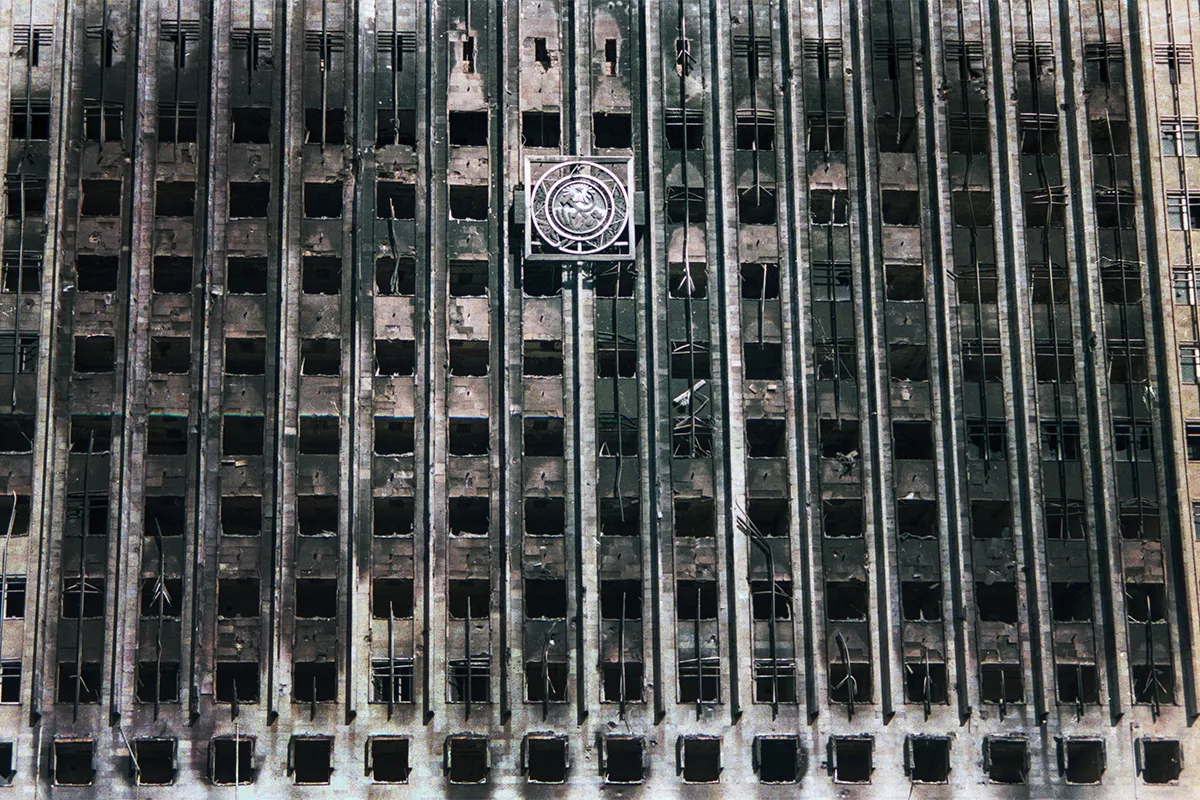
The separatist war in Abkhazia began on August 14, 1992, and the formal pretext for it was the advance of Georgian troops across their internationally recognised territory, namely Abkhazia, towards the border with the Russian Federation, with the aim of taking control of the railway and securing transit to Armenia.
Already the next day, August 15, 1992, in Khankendi, Robert Kocharyan assumed the highest position of “prime minister” in the separatist “government” of the self-proclaimed so-called “NKR”.
Later, in 1994, the post of separatist “president” would be established, which Kocharyan would also hold. From there, in 1997, he would move first to the position of prime minister, and then, in 1998, to the presidency of the Republic of Armenia.
There is no doubt that the outbreak of the war in Abkhazia and Kocharyan’s appointment as head of the Karabakh separatists coincided in time, not by chance and were coordinated from a single centre. It should also be noted that the Abkhaz and Karabakh separatists recognised each other’s “independence” and continuously exchanged “delegations”.
As President of Armenia, Robert Kocharyan advocated the opening of transit through separatist Abkhazia without the restoration of Georgia’s territorial integrity or the return of Georgian refugees. Moreover, Armenia—then under the influence of his so-called “Karabakh clan”—regularly voted in the UN General Assembly against resolutions calling for the return of refugees to Abkhazia and the Tskhinvali region.
It is noteworthy that today, one of the key points of Kocharyan’s election campaign is the demand for the return of ethnic Armenians who voluntarily left the Karabakh region of Azerbaijan. At the same time, he opposes the return of Georgian refugees to their homes in Abkhazia, which lies within Georgia’s internationally recognised territory.
This is hardly surprising, given that many of those homes and apartments, seized as “trophies,” are currently inhabited by ethnic Armenians who are not in a hurry to leave or return the property to its lawful owners.
Today, Robert Kocharyan does not even mention the restoration of Georgia’s territorial integrity. He argues that the issue of the railway through Abkhazia should be removed from the political context of territorial disputes and reframed primarily as an economic matter.
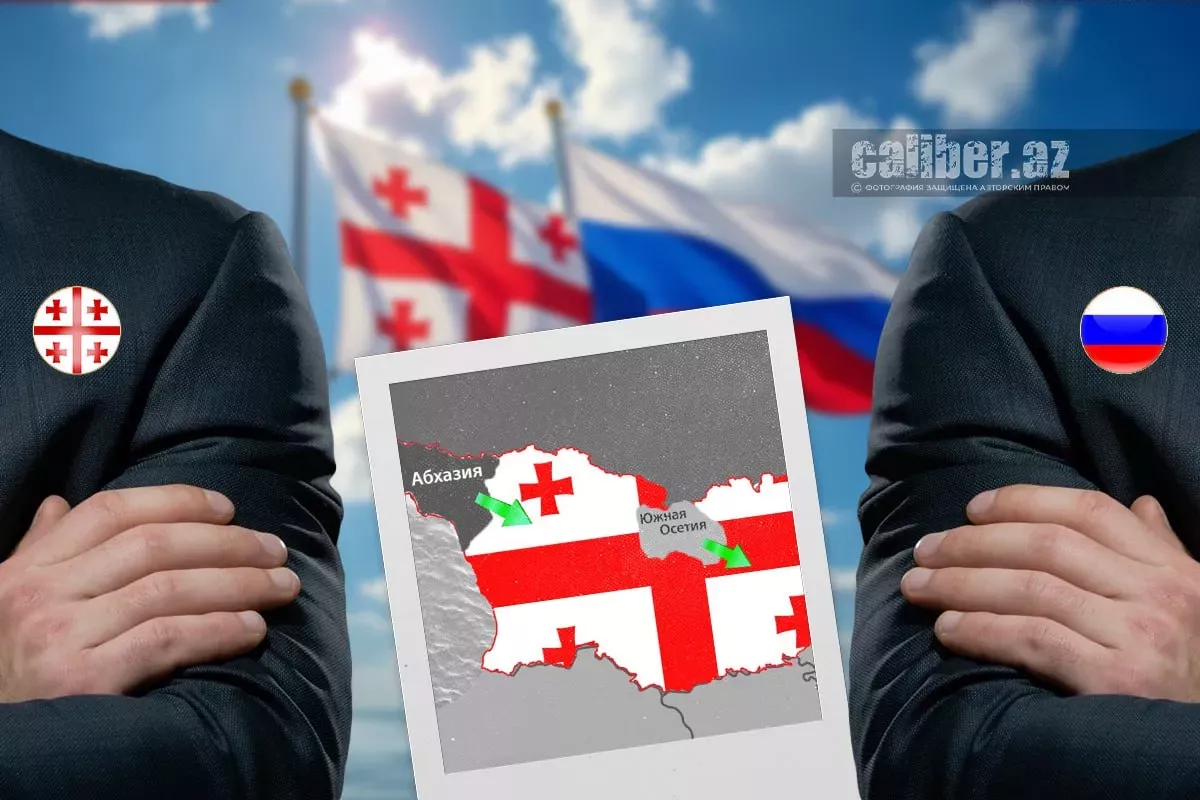
Meanwhile, the Georgian government has long made it clear and unambiguous that this is the main condition for restoring railway transit through Abkhazia. There can be no transit without the de-occupation of Abkhazia and the return of Georgian refugees — Georgian society would simply not accept such a scenario, regardless of the economic “benefits” that such transit might bring.
Opening transit through Abkhazia without its de-occupation, combined with the return to power in Armenia of revanchist figures such as Robert Kocharyan and their territorial claims against neighbours, would effectively mean a return of the South Caucasus to the 1990s, when borders were redrawn and communication lines were cut by force of “Russian bayonets”.
This is further exacerbated by the current geopolitical contradictions. A "military transit route" from Russia through occupied Georgian Abkhazia will cut off both the Middle Corridor and the "Trump Route." This is unlikely to lead to anything other than new regional conflicts, and the Armenian state may simply not survive another war.
By Vladimir Tskhvediani, Georgia, exclusively for Caliber.Az







 editor@caliber.az
 +994 55 444-88-98
 Азербайджан, Баку, ул. Низами, 203, Af Business House, 5-й этаж