










Tomahawks in limbo: Why Washington is rethinking its military pledge to Berlin? German analysts on Caliber.Az
Germany risks being left without Tomahawk cruise missiles, a prospect that is already raising concern in political and security circles, particularly against the backdrop of growing global instability and the ongoing Russia–Ukraine war.
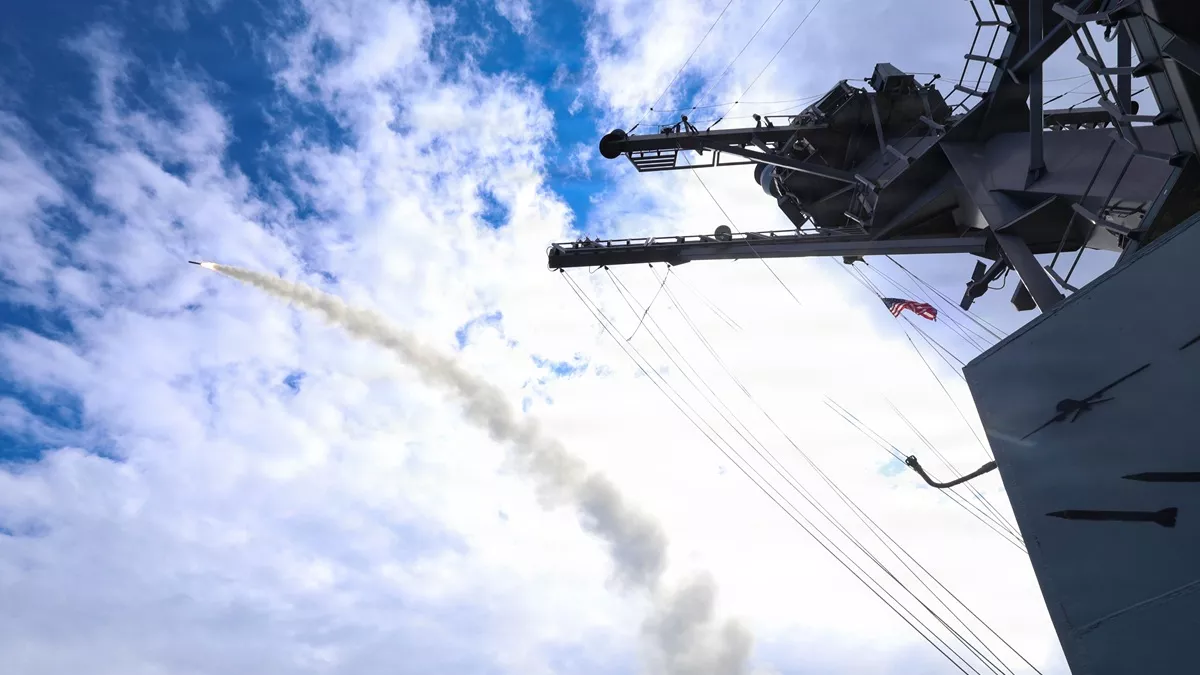
According to Politico, citing American and European officials, the United States is likely to cancel an agreement reached under the Biden administration on the supply of Tomahawk missiles to Germany. The reported reasons include concerns over Moscow’s possible reaction, as well as the strain on US stockpiles amid heightened tensions with Iran. The publication also suggests that this move may reflect a broader strategic shift towards reducing America’s direct military engagement within NATO.
Against this backdrop, how is the potential loss of access to US strategic weapons and broader military support being assessed within Germany itself? Caliber.Az asked German analysts and experts for their views.

Political scientist, Professor at the Institute for International Politics WeltTrends (Potsdam), Alexander Rahr, believes that relations between Germany and the United States are clearly in a state of crisis, while Berlin’s inertia in improving ties with Washington is explained by the belief within the German leadership that Donald Trump will soon leave office and that pro-European, liberal-minded politicians will return to power.
“Regarding Washington’s obligations to supply weapons to Germany, there is an opinion that Trump has frozen the Tomahawk deal in order to teach Chancellor Merz a lesson for his criticism of the US war against Iran and for statements suggesting that Germany should replace the United States as Europe’s main protector—remarks that have irritated Washington,” he said.
In turn, German political scientist Yevgeny Kudryats emphasised that this issue can be divided into three components, the first of which is the shortage of the missiles themselves.
“Chancellor Merz openly stated that the United States currently does not have a sufficient number of Tomahawk missiles in stock for its own needs, which is why Washington cannot transfer them for deployment on German territory. Similar information has also appeared in Western media. Overall, following the war in Ukraine and the crisis in the Middle East, the Pentagon has been actively reassessing its stockpiles of precision-guided weapons, and in recent times, US military officials have repeatedly stressed the need to increase the production of long-range missiles.
The second factor is Russia. According to some American sources, the United States is concerned that deploying Tomahawks in Germany could be perceived by Moscow as further escalation and trigger retaliatory steps from the Russian Federation. These factors, according to reports, are being discussed in Washington alongside the issue of missile availability. However, this should not be interpreted as the US ‘fearing’ Russia—rather, it reflects the classical logic of strategic stability. Tomahawk missiles are capable of striking targets hundreds of kilometres from borders, and Moscow would inevitably respond by deploying its own missiles closer to European borders, which would inevitably increase the risk of escalation. Washington is trying to avoid a new missile confrontation reminiscent of the Cold War. Thus, if the Russian factor exists at all, it is not the main reason,” he stated.
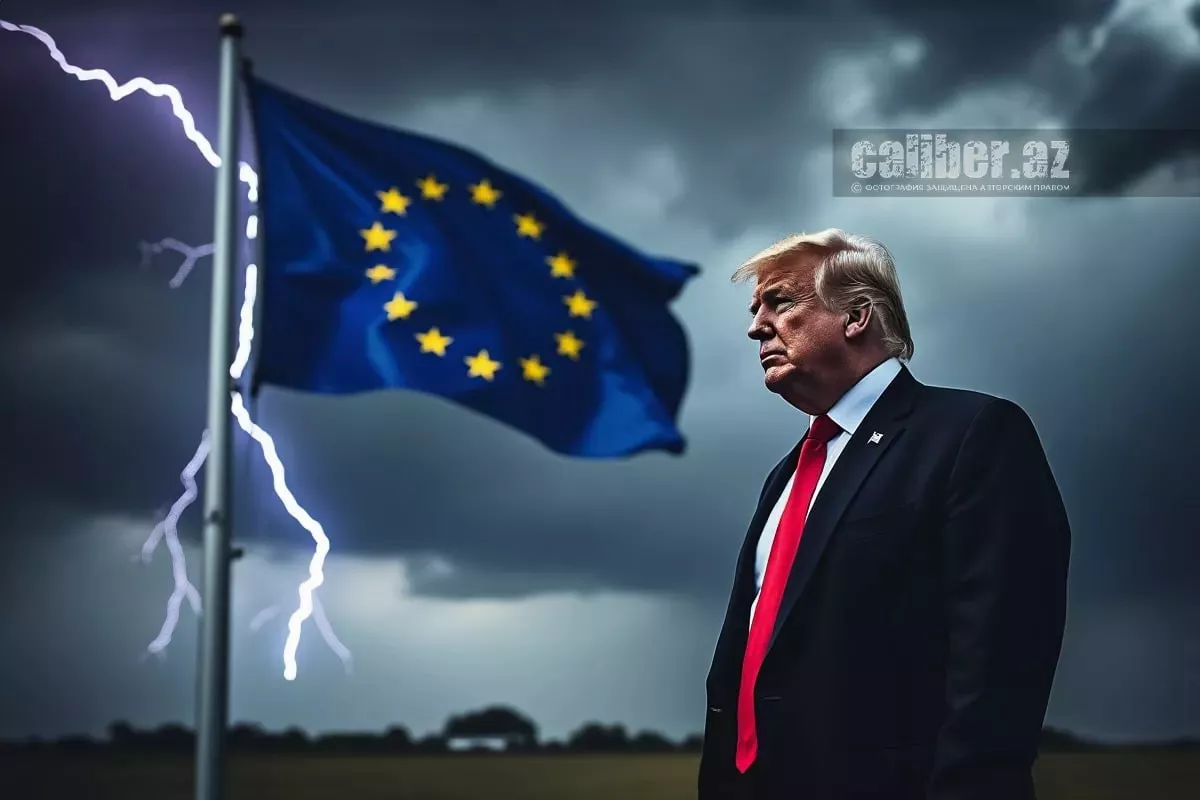
According to the expert, the third aspect involves a broader trend in changes in US policy toward Europe: “The Trump administration has long been demanding that European allies take on a greater share of defence spending, while the United States is simultaneously focusing on confrontation with China in the Indo-Pacific region. Within this logic, Washington is gradually pushing Europe toward independently developing its own long-range weapons and military infrastructure.”
In the expert’s view, the current situation is indeed not in Berlin’s favour, as Germany had been counting on American missile systems as a way to quickly close one of the most obvious gaps in its defence capabilities. These missiles, capable of striking targets at distances of over a thousand kilometres, would have allowed Germany to create an additional deterrence factor, strengthen NATO’s eastern flank, and reduce dependence on aviation in the event of a large-scale conflict.

“Therefore, for Berlin this is a serious problem, but not a catastrophe. First, Germany remains part of NATO: even without Tomahawks, it is under the protection of the world’s largest military alliance and the American nuclear umbrella. Second, this is not about the loss of substantial capabilities, but rather a shortage of new technological systems, which is a solvable issue: in 2024–2025, Germany, France, the United Kingdom and other countries launched programmes to develop European long-range missiles. In addition, Berlin continues to purchase F-35 fighter jets, which are capable of carrying a wide range of precision-guided weapons.
What really concerns Berlin is the question of how willing the United States will be to ensure European security in the future. In this context, Germany is now actively discussing increasing its defence budget, developing its own defence industry, and reducing dependence on American supplies. So, the fact that the US does not deliver Tomahawks to Germany will not break the military balance in Europe, but such a decision by Washington will reinforce European doubts about whether the United States will in the future be ready to provide security to its partners in the same way as it did after the end of the Cold War,” concluded Kudryats.







 editor@caliber.az
 +994 55 444-88-98
 Азербайджан, Баку, ул. Низами, 203, Af Business House, 5-й этаж