










History on the shores of Issyk-Kul: Azerbaijan and Kyrgyzstan forge an alliance Expert opinions on Caliber.Az
The state visit of President Ilham Aliyev to Kyrgyzstan on July 30–31, 2026, and his participation in the informal meeting of the heads of state of Central Asia and Azerbaijan in the city of Cholpon-Ata concluded with the consolidation of a new level of interstate integration.
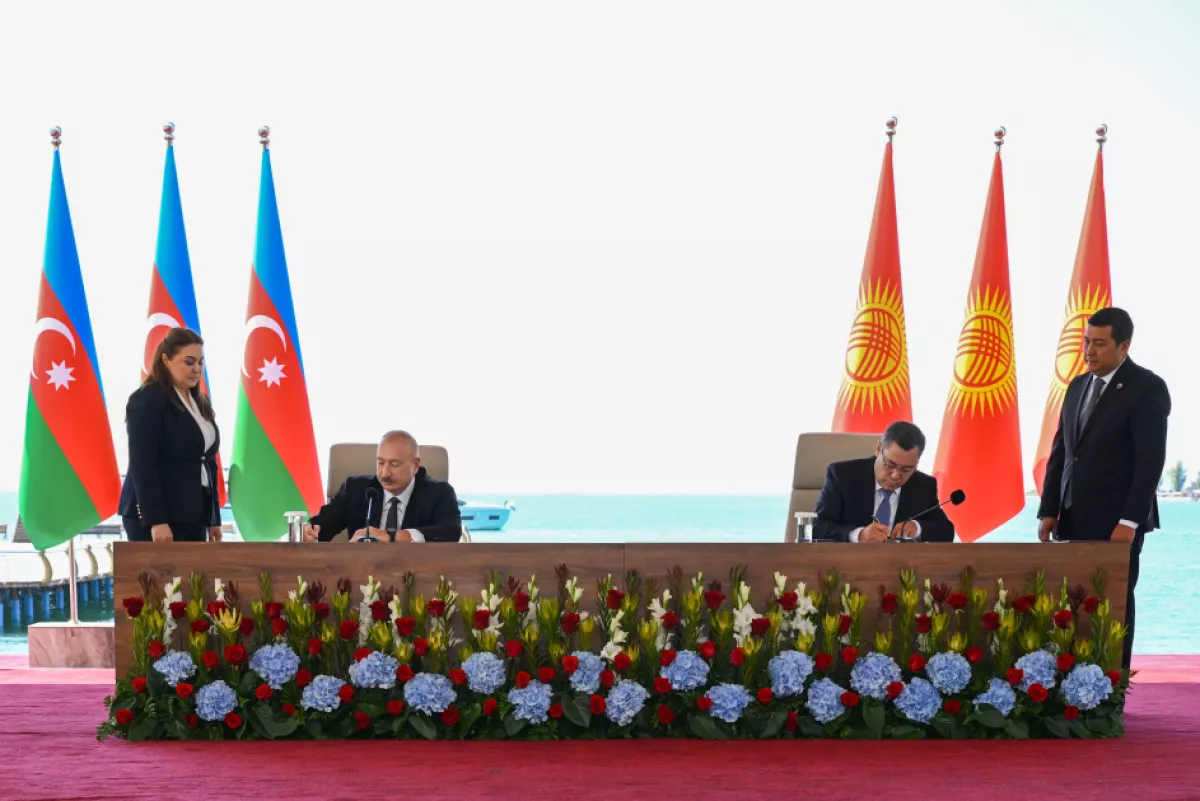
The central outcome of the talks between Presidents Ilham Aliyev and Sadyr Japarov was the signing of the Treaty on Allied Relations, elevating cooperation between Baku and Bishkek to its highest level. At the same time, Cholpon-Ata hosted an informal meeting of the heads of state of the Central Asian countries and Azerbaijan, which concluded with the adoption of the Cholpon-Ata Declaration.
In his address at the meeting, President Ilham Aliyev emphasized that he was participating in the Consultative Meeting for the first time as a full-fledged member of the format: "I would also like to note that this is the first time I am participating as a full member of 3rd Consultative Meeting format, and I would like to once again express my gratitude to all heads of state of Central Asia for the historic decision adopted in Uzbekistan last year on including Azerbaijan as a full member of this group."
The President of Azerbaijan also stressed that relations with the Central Asian countries are among the top priorities of Azerbaijan's foreign policy, as reflected in the intensive exchange of high-level visits: "Since the beginning of 2023, over the past three and a half years, I have visited the brotherly countries of Central Asia 16 times, while my colleagues have visited Azerbaijan 26 times during the same period. These figures speak louder than any words about the closeness of our relations and demonstrate that Central Asia and Azerbaijan have effectively become a single geopolitical and geoeconomic space."
Against this backdrop, the events in Cholpon-Ata marked yet another milestone in the development of the Baku–Bishkek partnership and Azerbaijan's broader engagement with the countries of Central Asia. Experts from Azerbaijan and Kyrgyzstan shared their views with Caliber.Az on the future prospects of this growing cooperation.
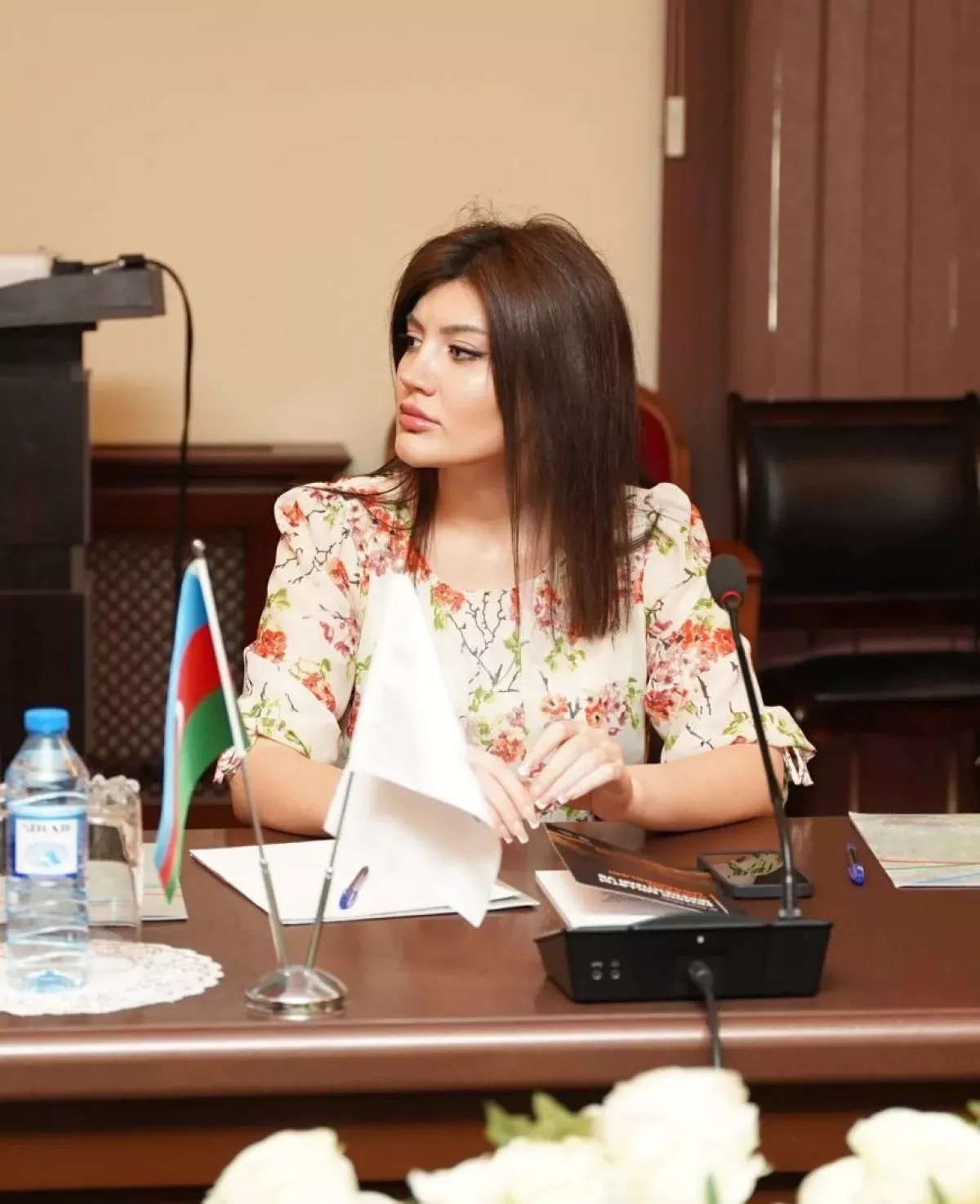
Azerbaijani political analyst and PhD in Political Science Elmira Talybzadeh believes that the significance of the recent developments also lies in the fact that several processes that had previously evolved in parallel effectively converged in Cholpon-Ata.
"The symbolism of the venue chosen for these meetings speaks for itself. In a short period of time, Cholpon-Ata has become the site of a series of major international events. Most recently, it hosted meetings held as part of Kyrgyzstan's chairmanship of the Shanghai Cooperation Organisation (SCO), including the Council of Foreign Ministers meeting and consultations among national coordinators. Soon, Bishkek will host the SCO Council of Heads of State Summit, marking the organization's 25th anniversary. Taken together, these developments are reshaping perceptions of Kyrgyzstan's role on the international stage.
As for Azerbaijan, our country has always been—and geographically remains—part of the South Caucasus. However, geopolitics is no longer confined to physical maps. President Ilham Aliyev's observation that the Caspian Sea, transport corridors, energy cooperation, trade, and Turkic integration are turning Central Asia and Azerbaijan into a single geoeconomic space perfectly reflects this new reality.
In other words, whereas Central Asia was once viewed primarily as a landlocked continental region, a new geography is now emerging. The region is gaining a direct connection to the Caspian, the South Caucasus, Türkiye, and, beyond that, to European markets," she said.
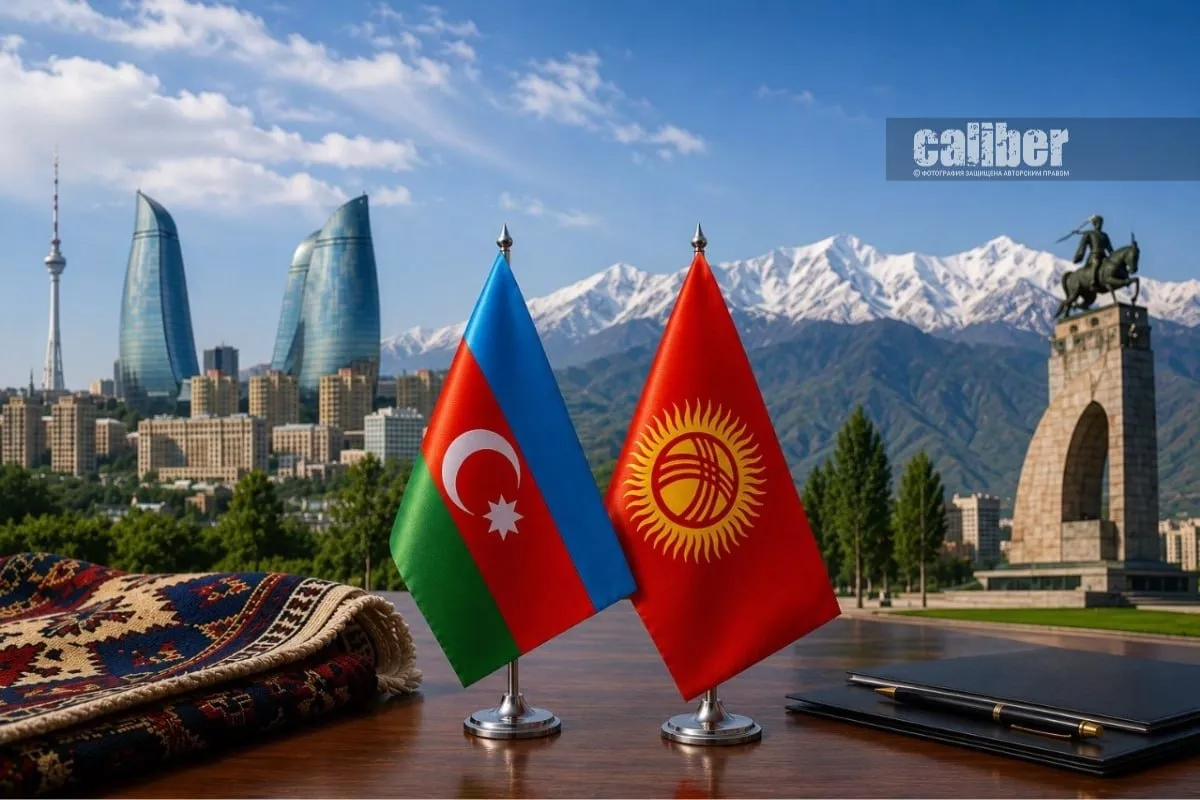
According to the political analyst, the first bilateral leg of the visit was a major political event in its own right, culminating in the signing of the Treaty on Allied Relations between Azerbaijan and Kyrgyzstan—an agreement she describes as a genuine breakthrough.
"It is important to understand the distinction between a strategic partnership and an allied relationship. The latter represents a qualitatively higher level of political and institutional integration in bilateral ties. In essence, Baku and Bishkek are transforming the political capital accumulated over recent years into a practical framework for long-term cooperation.
What is particularly noteworthy is that this treaty was signed at a time when bilateral cooperation already rests not only on a solid political foundation, but also on economic, energy, and transport cooperation. In other words, mutual trust was established first, and has now been formalized through a legal framework.
As is well known, diplomatic relations between Azerbaijan and Kyrgyzstan were established in 1993. Today, 33 years later, we are sending a clear message to the entire region that we are committed to building a long-term model of cooperation at both the bilateral and multilateral levels—across Central Asia, the Turkic world, and the broader Eurasian space.
The Memorandum of Cooperation on Petroleum Product Supplies and the 2026–2028 Energy Cooperation Roadmap are equally significant, as they translate political rapprochement into concrete sectoral cooperation. These documents are not about one-off deliveries or declarations of intent—they establish a cooperation horizon of at least three years. This is particularly important for Kyrgyzstan, a landlocked country with an objective need to diversify its external sources of energy supplies. For Azerbaijan, they provide an opportunity to turn its energy capabilities into a tool for building a comprehensive regional economic presence.
Equally telling is the decision to increase the capital of the Azerbaijan–Kyrgyzstan Development Fund from $100 million to $200 million—doubling its size at once. Moreover, the Fund is already reviewing around 30 new investment projects, meaning that the additional $200 million is far more than just an impressive figure in the final communiqué. It represents dozens of tangible projects and marks a new level of Azerbaijan's economic engagement in Kyrgyzstan," the political analyst said.
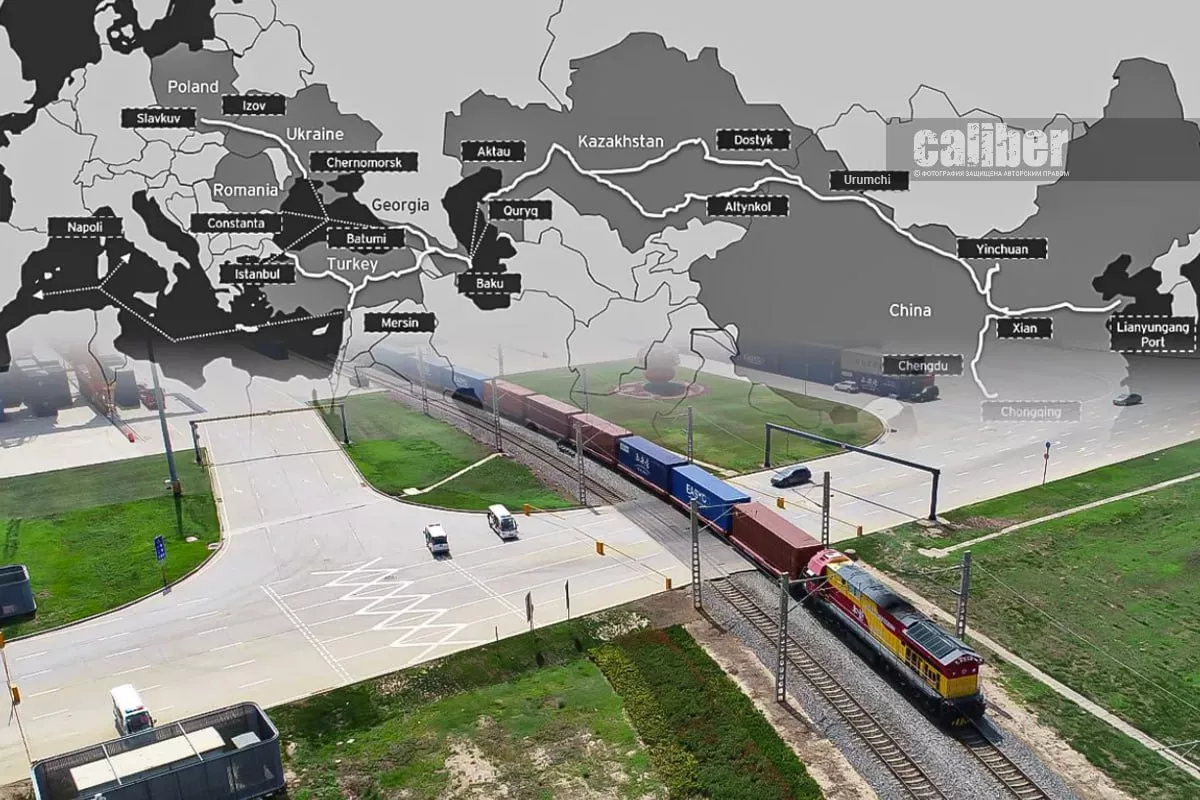
According to the analyst, the China–Kyrgyzstan–Uzbekistan railway project is also of great importance for Kyrgyzstan, as its implementation will provide the country with a more direct link to Eurasian transport networks. For Azerbaijan, meanwhile, the eastern segment of this transport system is of particular strategic interest, as it has the potential to generate cargo flows and connect Chinese trade routes with the Caspian region.
"This is why the development strategy for the Middle Corridor, which was one of the central themes of the leaders' summit in Cholpon-Ata, should be viewed in a broader context. I believe its next stage will be the creation of an integrated network of production and logistics chains, where cargo does not simply transit through Azerbaijan. Instead, manufacturing, processing, warehousing, financial services, and digital infrastructure will emerge at various points along the route, generating substantial economic benefits.
From this perspective, the $200 million Azerbaijan–Kyrgyzstan Development Fund becomes even more significant. Its potential lies not only in financing individual Azerbaijani–Kyrgyz projects, but also in creating a mechanism that enables businesses to integrate into a much larger transregional infrastructure network," she said.

For his part, Kyrgyz political analyst and economist Marat Musuraliyev said that the Treaty on Allied Relations signed during President Ilham Aliyev's state visit elevates Azerbaijan–Kyrgyzstan relations to a qualitatively new level, giving bilateral cooperation powerful new momentum.
"Relations between Baku and Bishkek are thus becoming an important benchmark and an example of mutually beneficial cooperation across the post-Soviet space. More broadly, the format of the state visit itself demonstrates the high level of mutual trust between our two countries.
In this context, the reception at the airport deserves particular attention. Under diplomatic protocol, visiting heads of state are usually welcomed by senior officials and then escorted to the host leader's residence. In this case, however, the President of Kyrgyzstan personally came to the airport to receive President Ilham Aliyev and greet him with a handshake at the foot of the aircraft stairs. This gesture in itself speaks volumes about the high degree of trust and the exceptional level of relations between the two countries," he said.
According to Musuraliyev, the range of cooperation between Baku and Bishkek continues to expand, now encompassing the military sphere as well.
"Kyrgyzstan has recently begun sending its military cadets to study at Azerbaijan's military educational institutions. This is a clear indication of the exceptionally close ties between our two states," he added.
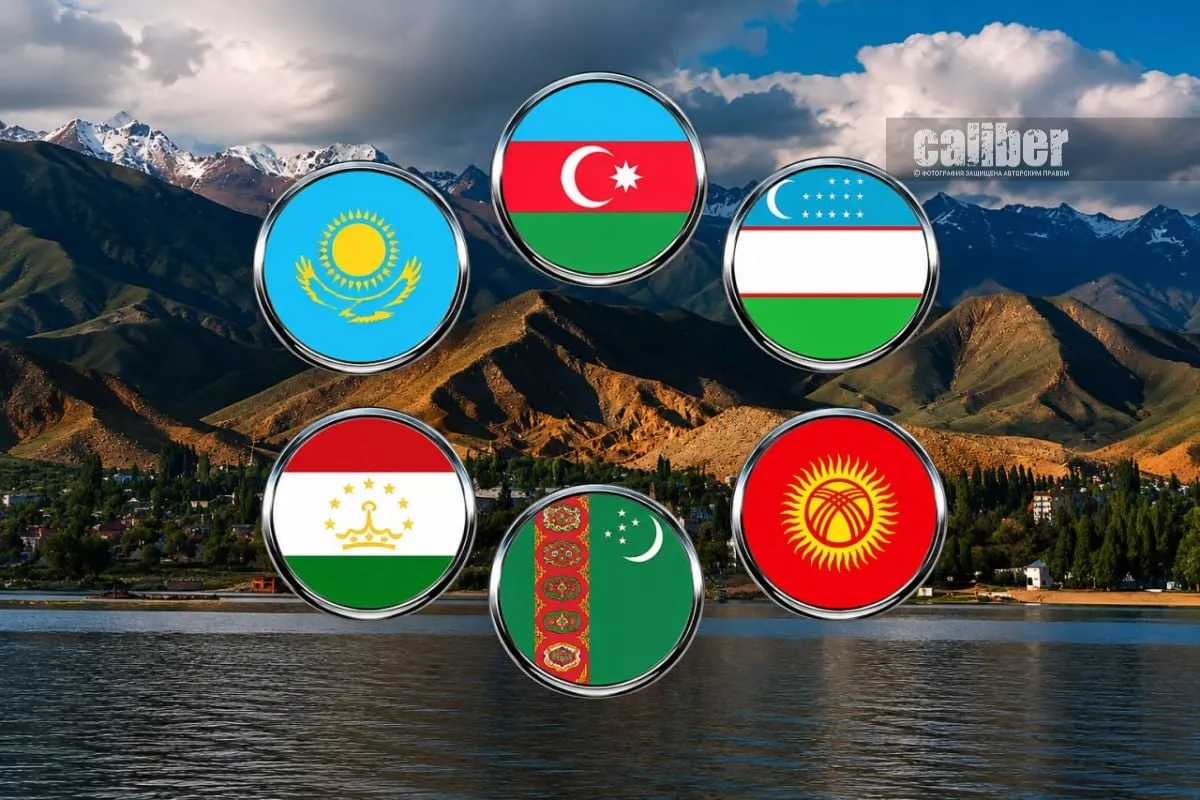
The analyst also underscored the significance of the informal meeting of the heads of state of Central Asia and Azerbaijan, which concluded with the signing of the Cholpon-Ata Declaration.
"In this context, it is also important to note that Kyrgyzstan has been elected a non-permanent member of the UN Security Council for the 2027–2028 term, thanks in part to the support of the countries of Central Asia and the South Caucasus. President Sadyr Japarov thanked all the participants of the summit for their backing and pledged that Kyrgyzstan would promote the interests of its regional partners within the Security Council," he said.
Musuraliyev also believes that the leaders discussed trade routes to the west, as well as cooperation between the Central Asian states and Baku in the field of energy supplies, particularly against the backdrop of ongoing armed conflicts in various parts of the world.
"I believe that cooperation between Azerbaijan and Kyrgyzstan will continue to deepen in the spirit of the Treaty on Allied Relations signed by our two countries. More broadly, most Central Asian states clearly recognize the importance of the South Caucasus—a region with which we share close cultural ties—as the key logistical link on the western route leading to Türkiye and the European Union.
Above all, however, what matters most is the mutual trust and shared sense of common identity between our peoples. I believe that President Ilham Aliyev's state visit to Kyrgyzstan will propel the C6 format to an entirely new stage of integration, with even closer alignment of interests and cooperation," Musuraliyev concluded.







 editor@caliber.az
 +994 55 444-88-98
 Азербайджан, Баку, ул. Низами, 203, Af Business House, 5-й этаж