










The summit of great transformation Foreign experts on Caliber.Az
The NATO summit held in the capital of the Republic of Türkiye has now concluded. Analysts have unanimously described the event as embodying the concept of "NATO 3.0," while also noting that, by hosting the forum, Ankara has significantly strengthened its position on the international stage. These assessments by experts are echoed in the remarks made by Turkish President Recep Tayyip Erdoğan.
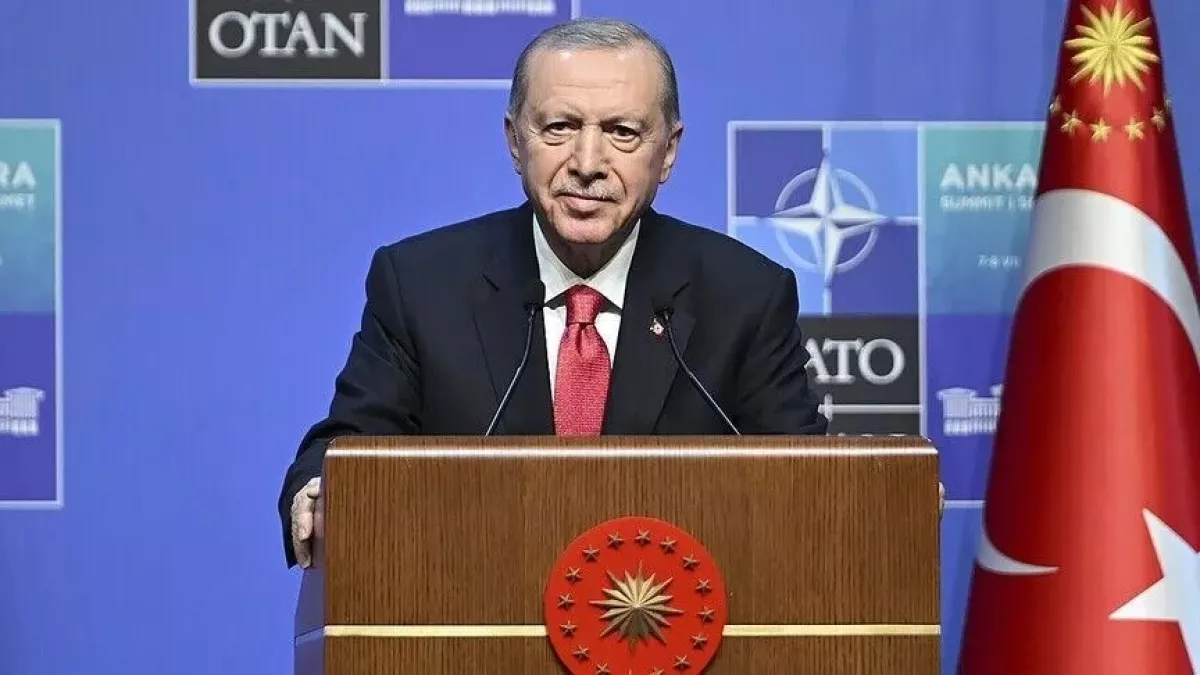
In particular, summing up the results of the summit, the Turkish president stated that the meeting had been a success and would mark an important milestone in the future of the North Atlantic Alliance. According to him, the summit took place at a critical moment when Euro-Atlantic security is facing serious challenges, and the decisions adopted in Ankara will have a long-term impact on the Alliance's future development.
Caliber.Az invited leading Turkish and European experts to analyse the outcomes of the NATO summit, its implications for global and European security, and assess how it has affected Türkiye's military-political standing.

According to Göktuğ Çalışkan, an international relations expert at the ANKASAM, Ankara Centre for Crisis and Policy Studies, the recent NATO summit is widely regarded as an important—and even historic—event held at a critical moment for the Middle East. He noted that the very decision to choose Ankara as the venue laid the groundwork for placing Türkiye at the centre of the Alliance's political agenda.
"In assessing the outcomes of the summit, two main points stand out. First, Türkiye is now viewed not merely as a frontier state on NATO's southeastern flank, but as an influential actor whose voice carries significant weight in discussions and decisions on strategic issues, while also contributing to security in areas such as the defence industry, counterterrorism, energy, and maritime security.
Even the Turkish opposition, although more cautious in its assessments, generally agrees that the Alliance's summit has strengthened Ankara's diplomatic standing. In short, the NATO summit in the Turkish capital is seen as confirmation that European security can no longer be discussed without Türkiye," he said.
In the expert's view, the outcomes of this major event are particularly significant for the Republic of Türkiye in three key areas: security, politics, and defence economy.
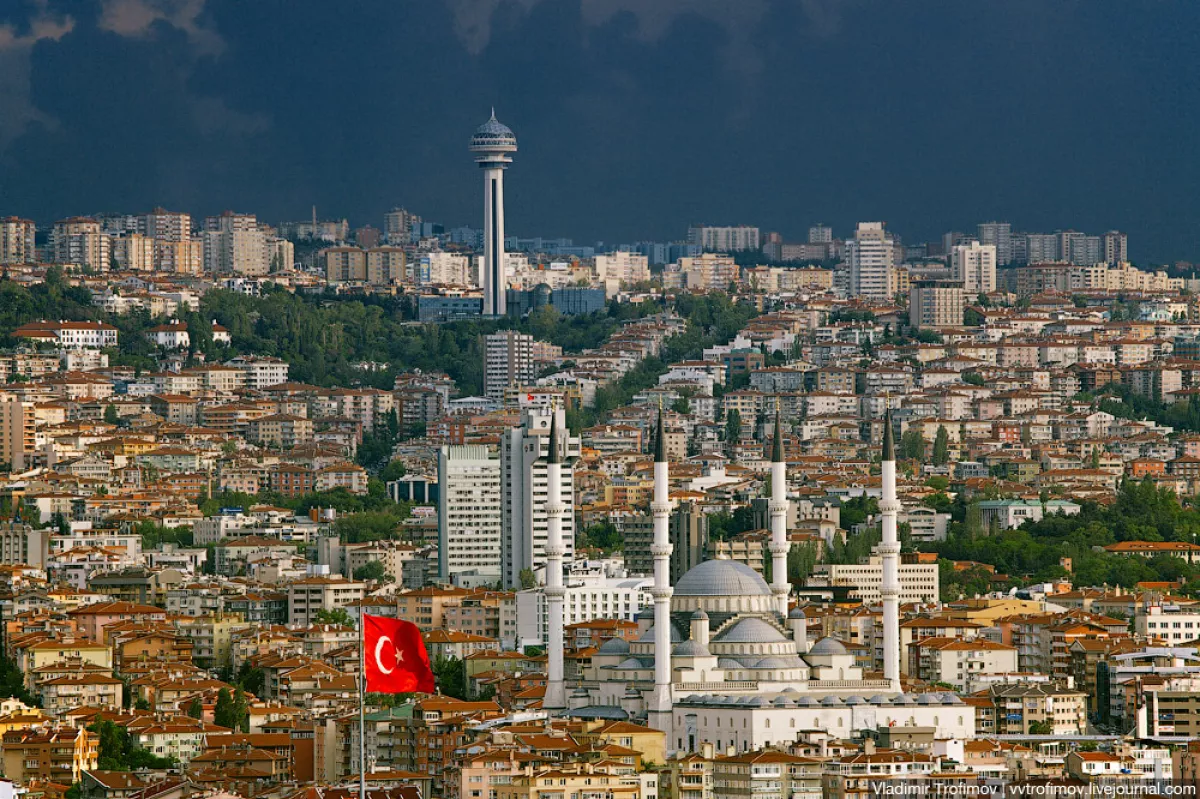
"From a security perspective, one of the most significant outcomes for Türkiye is the inclusion of terrorism among the principal threats identified in NATO's strategic documents. This demonstrates that the threat assessment Ankara has consistently advocated for years has finally received the recognition it deserves.
Politically, Türkiye's role as a host, mediator, and agenda-setter has naturally transformed the country into a key venue for strategic discussions, expanding both its diplomatic portfolio and its room for manoeuvre.
In terms of the defence economy dimension, increased defence spending and the signing of procurement agreements have made the Turkish defence industry a more visible and sought-after player within the Alliance," the pundit emphasised.
From a broader European perspective, the expert believes that while the summit did not fully resolve the continent's security challenges, it placed several key issues within a more manageable framework. In particular, NATO clearly reaffirmed that Russia constitutes a long-term threat to Euro-Atlantic security, a position that has provided a measure of reassurance to the countries of Central and Eastern Europe. At the same time, for Türkiye, this clarification has helped define its security outlook along the north-south strategic axis.
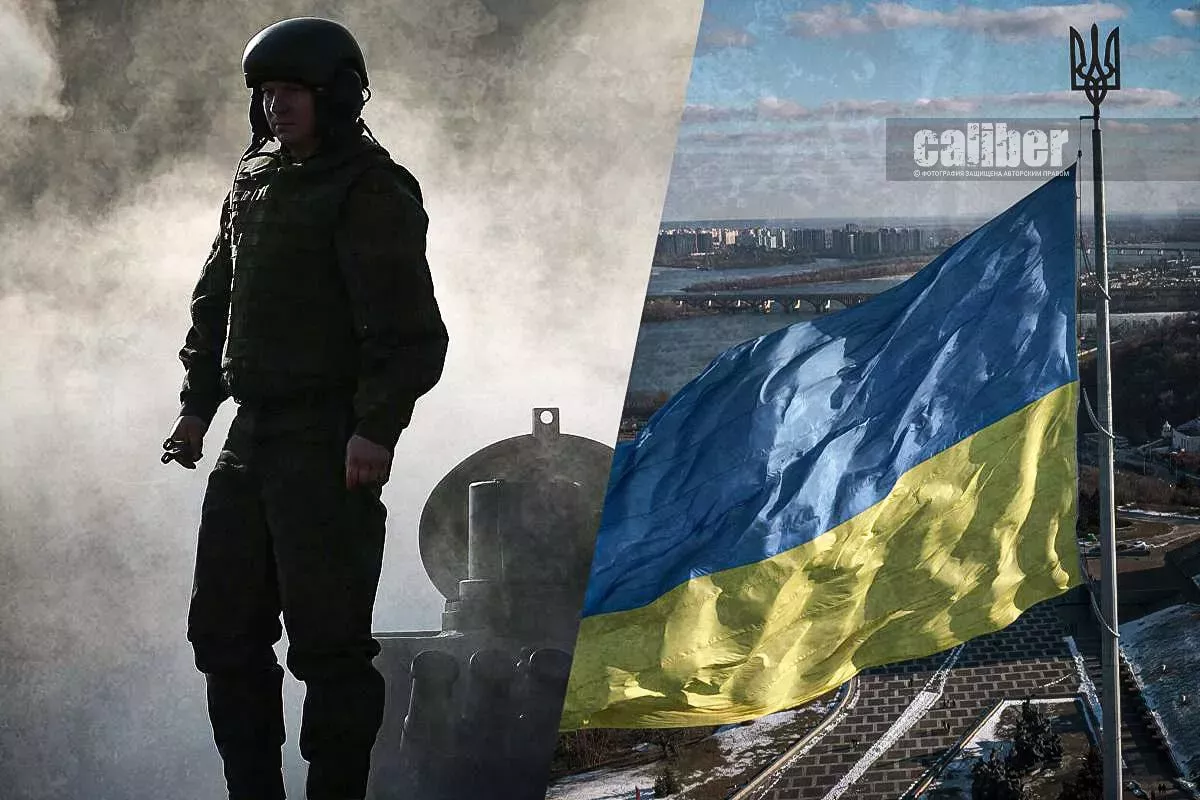
"As for Ukraine, although the question of Kyiv's NATO membership remains unresolved, the summit established what could be described as a 'semi-permanent' security shield through the institutionalisation of long-term military and economic support. The Alliance also expanded its agenda to address emerging challenges, including hybrid threats, cyberattacks, and disinformation.
Regarding predictions of NATO's possible disintegration, the language of the summit's final communiqué largely dispelled such concerns. In particular, it reaffirmed the United States' commitment to the Alliance while outlining a new balance in which Europe will assume greater responsibility for its own security. As a result, the prospect of NATO's collapse has largely receded into the background.
At the same time, the issue of burden-sharing was addressed through the establishment of more concrete targets for defence spending and defence-industrial cooperation. This provides a partial response to the long-standing debate over the perception that the United States contributes disproportionately while Europe spends too little.
Overall, it can be said that the future direction of the Alliance has become clearer. NATO is no longer the 'classic military alliance' it was during the Cold War. Instead, it is evolving into an organisation that simultaneously focuses on conventional defence, hybrid threats, the defence industry, and industrial production capacity," Göktuğ Çalışkan concluded.
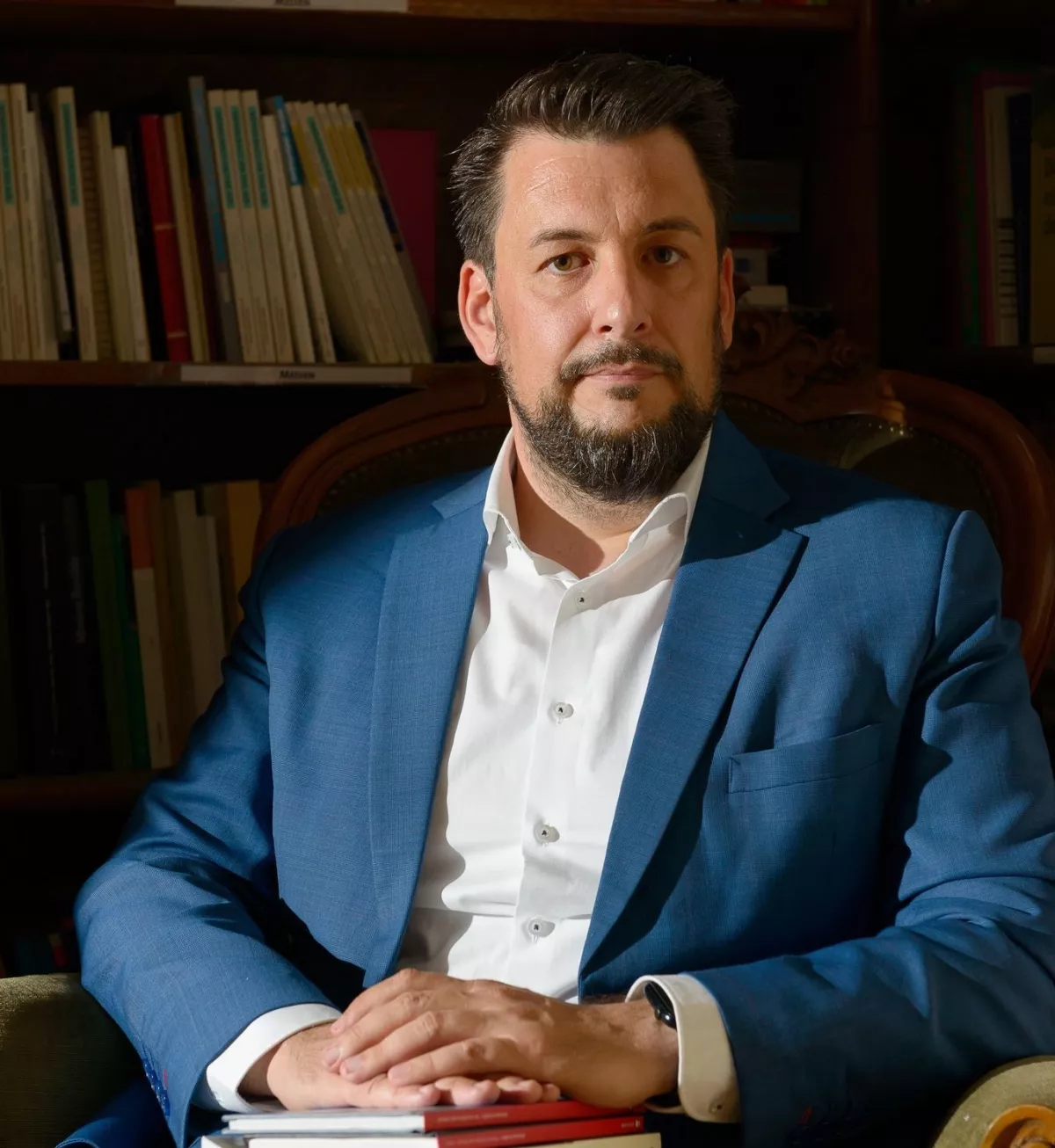
For his part, Sebastian Schäffer, Director of the Institute for the Danube Region and Central Europe (IDM) and a German pundit, drew an interesting historical parallel. He noted that the 2004 Istanbul Summit symbolised NATO's transformation in the aftermath of the September 11 attacks into a more mobile military alliance focused on crisis management beyond its borders. Twenty-two years later, he argued, the Ankara Summit will be remembered as marking yet another stage in the Alliance's evolution.
"From this point forward, the Alliance is once again focused on collective defence, but in a completely different strategic environment: a more aggressive Russia; Ukraine, which, although not a NATO member, has become deeply integrated into the Alliance's security architecture; and a Europe preparing to assume greater responsibility amid growing uncertainty over American leadership.
In this sense, if Istanbul represented the emergence of NATO 2.0, Ankara may well mark the beginning of NATO 3.0. Whether this transformation will develop into a lasting strategic adaptation, however, remains to be seen," he said.
According to the pundit, four key conclusions can be drawn from the summit.
"First, NATO leaders reaffirmed their unwavering commitment to Article 5, making it clear that collective defence remains the cornerstone of the Alliance. This reassurance is particularly significant because President Donald Trump had previously questioned whether the United States should automatically come to the defence of allies that, in his view, had failed to meet expectations regarding a fair distribution of NATO's financial burden. Such statements had caused considerable concern among European partners, who regard Article 5 as the foundation of their security.
Second, the European Allies and Canada pledged to provide €70 billion in support to Ukraine in 2026 and committed to maintaining that level of assistance at least through 2027. This amounts to no less than €140 billion over two years and underscores Europe's growing role in financing Ukraine.
Third, Washington announced its readiness to license the production of Patriot surface-to-air missile systems in Ukraine. President Donald Trump presented the initiative as a means of strengthening Ukraine's ability to meet its own air defence needs, although the practical details have yet to be finalised.
Finally, the summit declaration emphasised more clearly than ever before that Ukraine is not merely a recipient of assistance but an integral participant in Euro-Atlantic security. This reflects the Alliance's growing recognition of Ukraine's military capabilities and operational experience, even though it does not alter NATO's position on Kyiv's membership.
With regard to Germany, Chancellor Friedrich Merz's role in securing long-term financial commitments, combined with the summit's explicit reaffirmation of Article 5, demonstrates that Berlin is positioning itself as both a principal financial contributor and a stabilising force for Alliance cohesion at a time when transatlantic relations are under increasing strain.
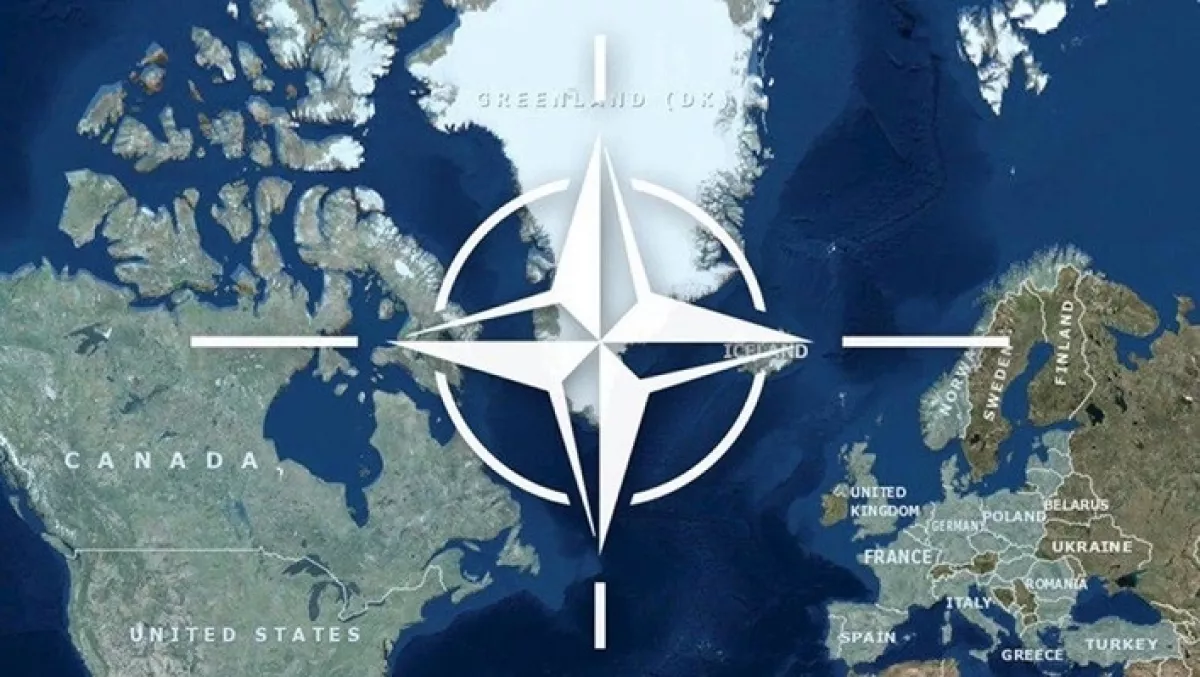
At the same time, the summit also revealed that Allied unity remains fragile. President Trump once again reiterated his demands concerning Greenland and publicly criticised Allies on a range of issues—from defence spending to their support during the Iran crisis—demonstrating that consensus on NATO's core mission can coexist with significant political disagreements," the pundit concluded.
Turning to the subject of Türkiye, Schäffer emphasised that Ankara's strategic importance has clearly increased, as hosting the summit placed the country at the centre of several interconnected security challenges, including the war in Ukraine, security in the Black Sea region, and the instability and escalation in the Middle East.
"This has further enhanced the significance of the Republic of Türkiye as a NATO member whose geographic position and military capabilities are becoming increasingly difficult to replace.
At the same time, Ankara has maintained a consistent policy: it continues to support Ukraine's territorial integrity and cooperate on Black Sea security while avoiding a complete rupture with Moscow. Türkiye has preserved its energy and trade ties with Russia and continues to manage the unresolved consequences of the S-400 air defence system dispute with Washington and other European capitals.
In many respects, Türkiye exemplifies one of the defining characteristics of NATO 3.0: it is strategically indispensable, yet politically complex," Schäffer concluded.







 editor@caliber.az
 +994 55 444-88-98
 Азербайджан, Баку, ул. Низами, 203, Af Business House, 5-й этаж