










Peace instead of war: how sentiments are changing in Russia and Ukraine Expert opinions on Caliber.Az
Two-thirds of Ukrainians (66 per cent) believe that Kyiv should aim for a swift end to the war through negotiations with Russia, which is evidenced by a Gallup survey.
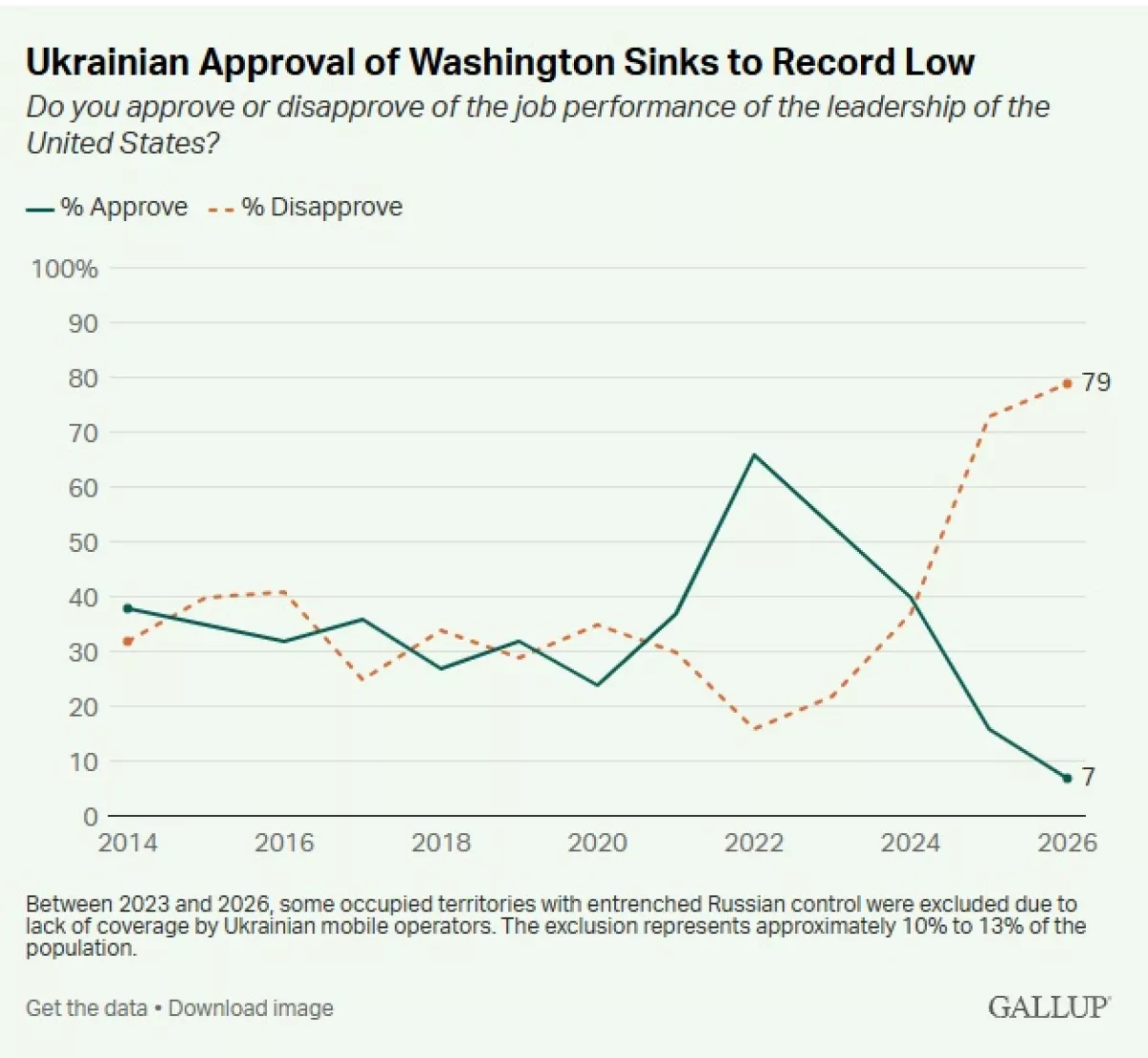
Another 24 per cent of respondents support continuing the fighting until victory. These figures are almost identical to the 2025 results, when a decisive shift in public opinion first occurred: in 2022, during the first months of the full-scale invasion, 73 per cent of Ukrainians supported continuing the war, while only 22 per cent favored negotiations. Since then, public sentiment has changed noticeably.
Since 2024, sociologists note, the trend toward a diplomatic settlement has only strengthened.
At the same time, Ukrainians remain pessimistic about the prospects for a quick end to active hostilities. Only 5 per cent of respondents believe the likelihood of the war ending within the next 12 months is “very high,” while another 18 per cent consider it “fairly high.” Meanwhile, 36 per cent describe such a scenario as extremely unlikely, and 34 per cent as relatively unlikely. These assessments have remained virtually unchanged compared to 2025.
According to a survey by the Institute for Conflict Studies and Analysis of Russia (IKAR), conducted among 1,600 respondents, the overwhelming majority of Russians (81 per cent) are ready to support a decision to end the war against Ukraine “as early as tomorrow.” This is the highest figure since the beginning of the full-scale invasion: in 2023–2025 it fluctuated between 72–75 per cent.
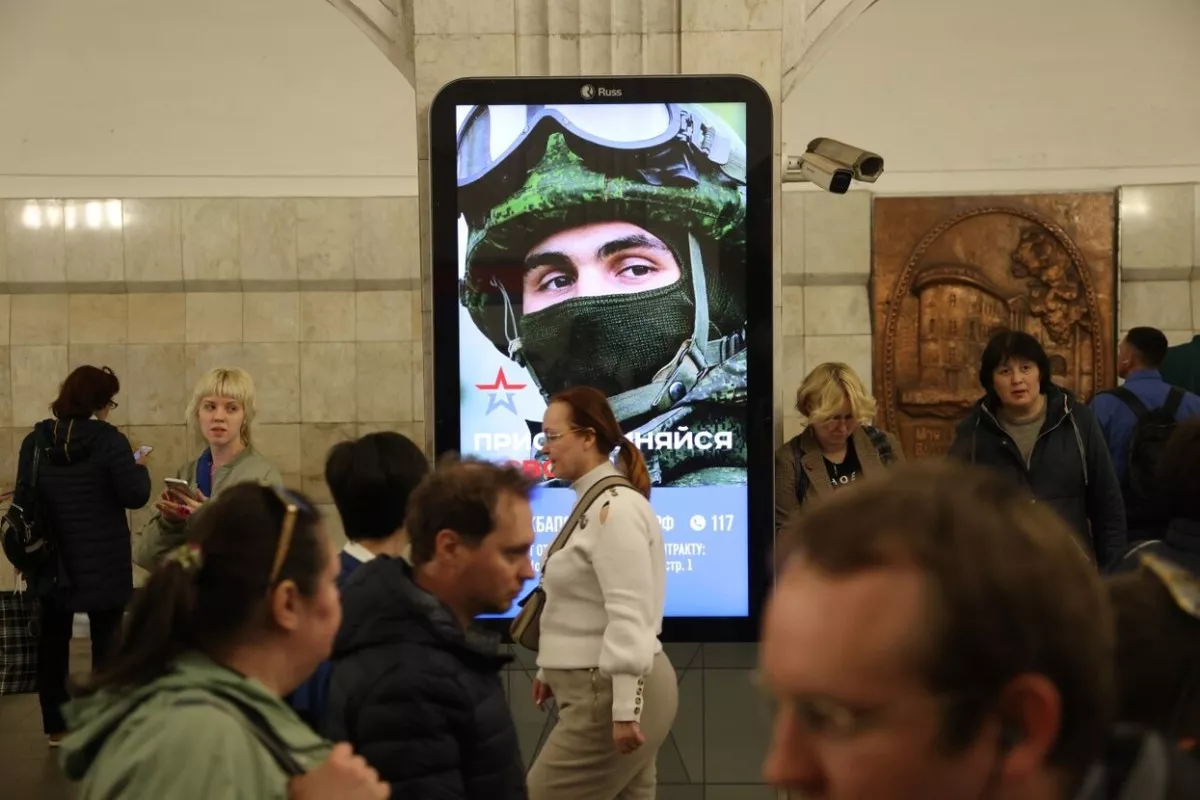
The share of those in favor of continuing the war until full victory has dropped to 9 per cent — the lowest level in the entire period of observation. At the same time, the war has once again become the top issue in the list of the most pressing problems for Russians (33 per cent), ahead of low wages (24 per cent) and high prices (18 per cent). More than half of respondents (58 per cent) believe that ending the war and improving the financial situation should be the president’s main priority in 2026. Opponents of a second wave of mobilization account for 73 per cent of respondents, while only 11 per cent support it.
Could this shift in public attitudes influence Moscow’s position and push it toward ending hostilities along the current line of contact, renouncing artillery and air strikes of any range, and beginning negotiations with Ukraine?
Well-known foreign commentators shared their assessments of this issue with Caliber.Az.
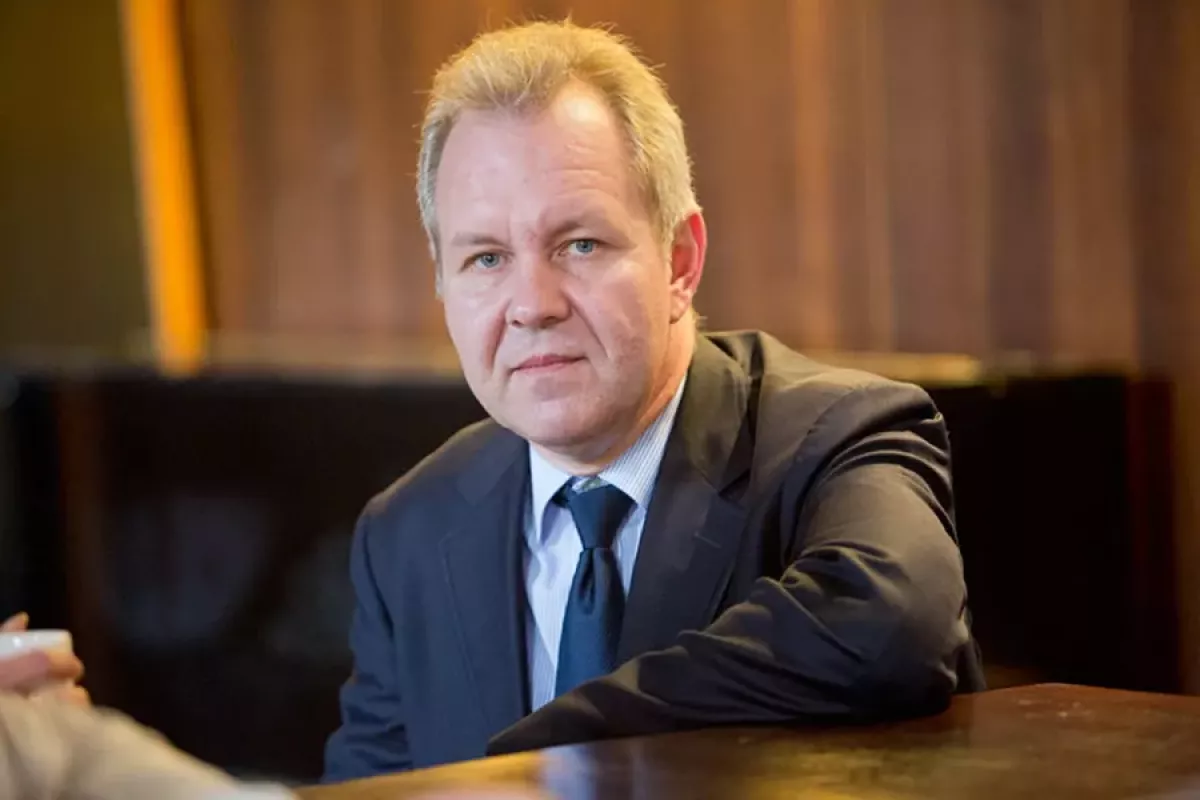
Vladislav Inozemtsev, Russian political scientist and sociologist, Doctor of Economics, and associate researcher at the Russia and Eurasia Programme of Chatham House (the Royal Institute of International Affairs), believes there are currently no grounds to assume that the war will end due to serious economic difficulties, despite the fact that Russians are now significantly less supportive of continuing the military operation than before.
“In the economy, problems alone will not lead to a revision of the Kremlin’s policy. For that to happen, protest potential must emerge in society in one form or another. However, for now, current difficulties in people’s lives only lead to a desire to disengage from what is happening, not to talk about it and not to express dissatisfaction in any way. At the same time, I think certain preconditions are already forming for these sentiments to be reflected, for example, in the results of the elections scheduled for September,” the expert suggested.
Overall, he also noted that purely economic problems have never, either in Russia or in the post-Soviet space, led to significant political protests.
“Such protests arise as a reaction to political violations and excesses, not to material hardship. Budget deficits, fuel shortages, or declining oil revenues are not the kind of circumstances that can force an end to a war,” Inozemtsev believes.
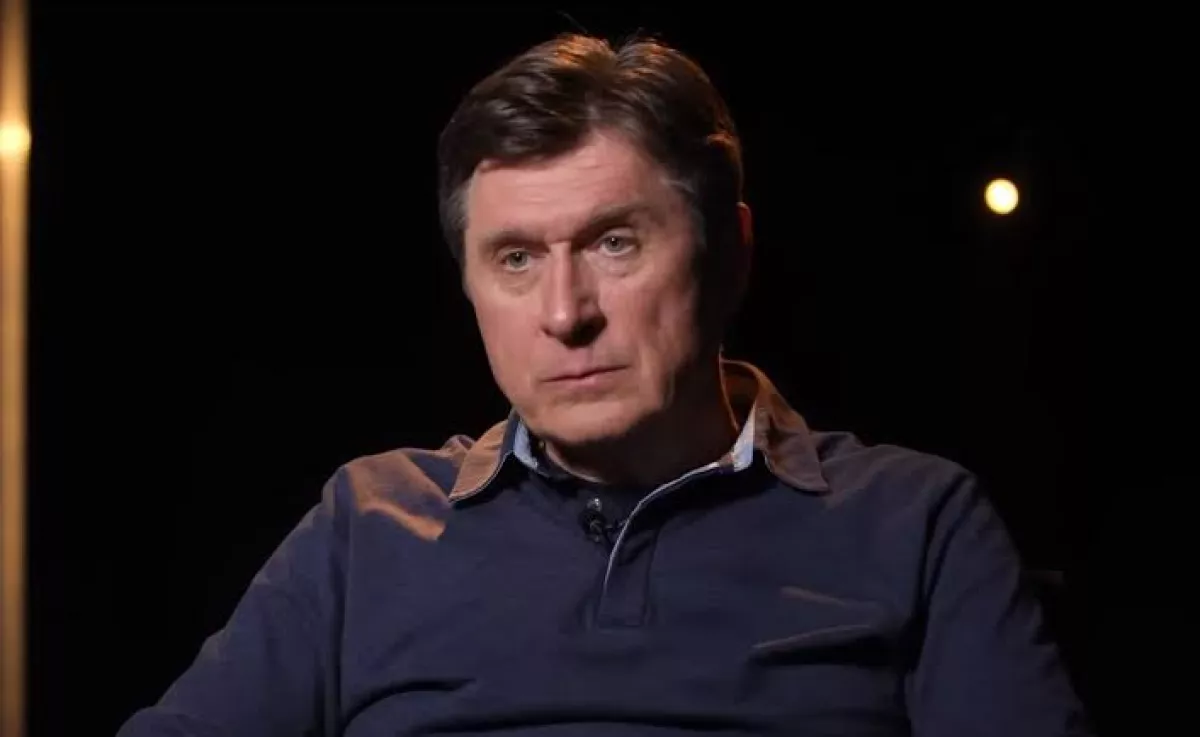
Volodymyr Fesenko, Director of the “Penta” Center for Political Studies (Ukraine), stated that the influence of public sentiment on decisions made by state leadership is one of the key differences between Ukraine and Russia.
“In Ukraine, the authorities are forced to take public sentiment into account, to consider it and adjust their position accordingly. This also applies to attitudes toward peace negotiations.
In 2025, President Zelenskyy changed his position on peace negotiations with Russia under the influence of two factors:
— the position of U.S. President Trump on ending the war in Ukraine through peace negotiations;
— the support of the majority of Ukrainians for a negotiated path to ending the war.
In Russia, however, the situation is quite different. There, public sentiment is largely shaped by the position of the authorities. In 2025, a very illustrative situation emerged: most Russians were ready to support both an end to the war through peace negotiations and its continuation, including possible escalation, since many of them did not feel the direct impact of the war on their daily lives.
The situation in Russia has changed somewhat now. The war against Ukraine has, in one way or another, affected millions of Russians. There are more reasons for discontent — from the consequences of the war, such as fuel shortages, to mobile internet outages and disruptions to Telegram. Undoubtedly, war fatigue and irritation are becoming increasingly noticeable,” the researcher noted.
Therefore, according to him, there is indeed a growing trend toward increased support for ending the war.
“However, this is mostly a passive stance, which so far does not create serious obstacles to the continuation of military actions. And very often, it is not so much a clear anti-war position as a desire for the war to finally end — either through victory over Ukraine or through negotiations.
The Kremlin is trying to control the situation, but it is doing so less successfully than before.
Therefore, I am skeptical about the assumption that the Kremlin will end the war against Ukraine simply because anti-war sentiment is growing in Russia. At the moment, I do not see any readiness for genuine peace negotiations.
However, there are still concerns about a sharp deterioration in public sentiment, primarily in the case of mass mobilization. It is possible that a scenario of limited mobilization will be chosen, carried out in certain regions of the Russian hinterland,” Fesenko concluded.







 editor@caliber.az
 +994 55 444-88-98
 Азербайджан, Баку, ул. Низами, 203, Af Business House, 5-й этаж