










Power reset in Moldova Expert opinions on Caliber.Az
Moldovan President Maia Sandu has nominated entrepreneur Vasile Tofan for the post of Prime Minister following the resignation of Alexandru Munteanu, who stepped down amid a series of political scandals.
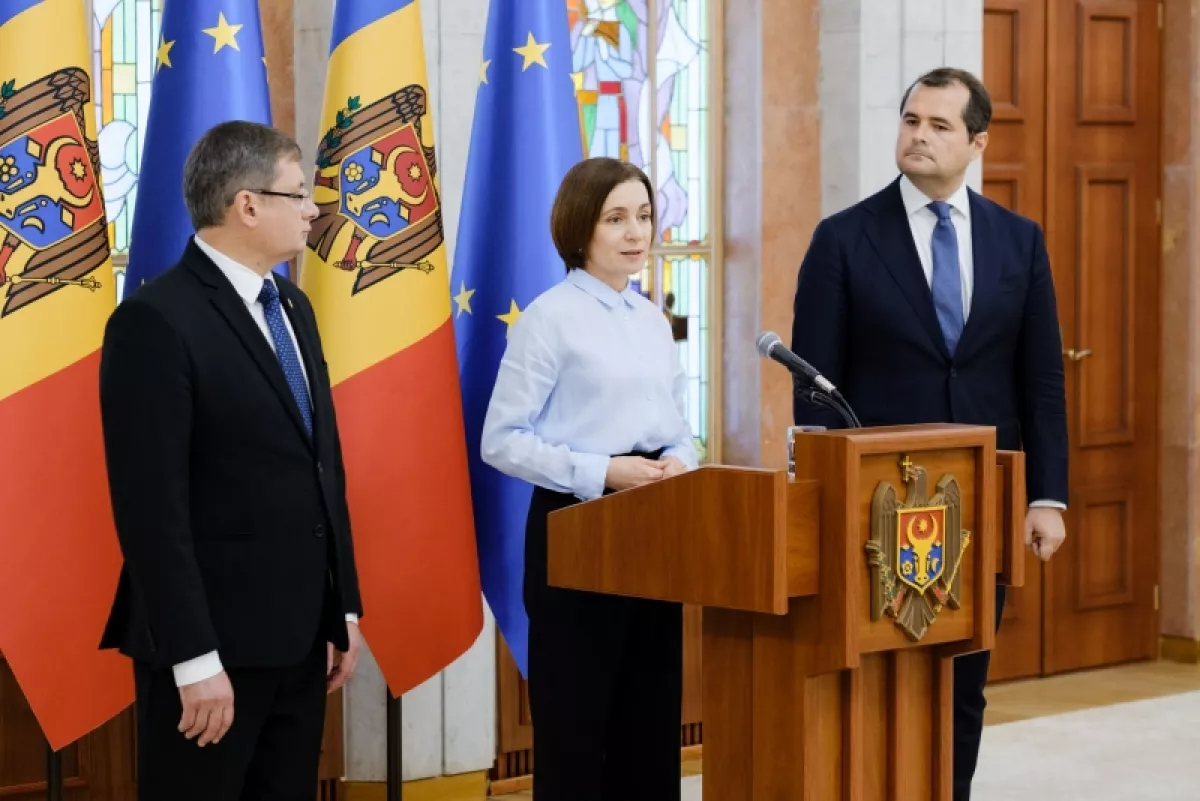
The leader announced her decision on July 11 at a press conference in Chișinău following consultations with parliamentary parties.
Speaking to journalists, Tofan outlined the key priorities of the future government. According to him, the main objectives include rebooting the economy, accelerating reforms, and advancing Moldova's path toward accession to the European Union as quickly as possible.
Tofan's nomination must receive the support of parliament, which will then approve the new composition of the government.
What exactly prompted the head of this relatively new government to resign? What makes Munteanu dissatisfied? Are there any problems within Sandu's inner circle? Could the reason lie in a confrontation between different groups of influence, some of which advocate the fastest possible advancement of Moldova's European integration, while others favour a more cautious approach? Or is the explanation something else?
Prominent Moldovan experts shared their views on the matter with Caliber.Az.
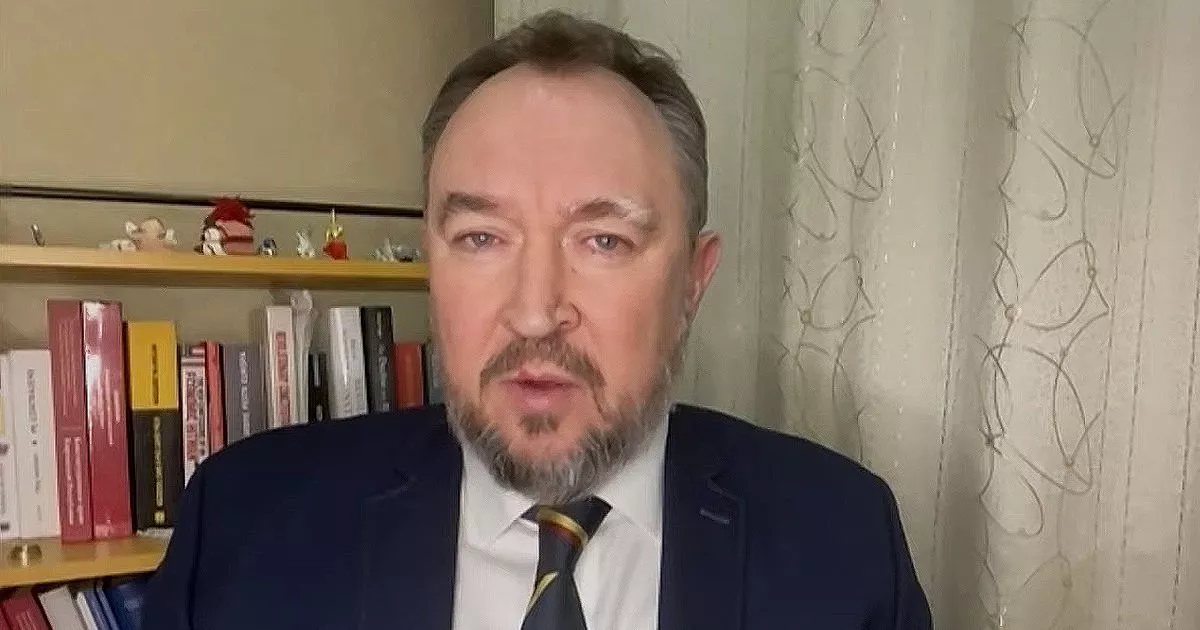
Former Moldovan Minister of Justice and former member of the Venice Commission of the Council of Europe, Alexandru Tănase, stated that there is currently no reliable information that would allow the reasons behind Alexandru Munteanu's resignation to be explained with certainty.
"Munteanu himself merely stated that he could not act against his principles and values. However, he did not clarify which specific principles or circumstances he was referring to. Therefore, any categorical conclusions at this stage inevitably remain speculative.
The Moldovan press has been actively discussing the possibility of internal disagreements within the leadership of the PAS party and the ruling team. Various hypotheses have been put forward, ranging from disputes over personnel appointments and management style to disagreements over certain economic decisions. However, there are still no convincing facts that would justify claiming that these circumstances were the actual reason for the prime minister's resignation.
As for the speculation about a confrontation between different groups of influence over the issue of European integration, I do not find this version convincing. Today, European integration remains the only strategic objective on which there is virtually complete consensus within the country's leadership. Disagreements may arise over the pace of reforms, methods of governance, or the distribution of political responsibility, but not over the European course itself.
In my opinion, if conflicts do indeed exist within the ruling team, they are most likely political or administrative in nature rather than related to the country's foreign policy orientation," Tănase suggested.
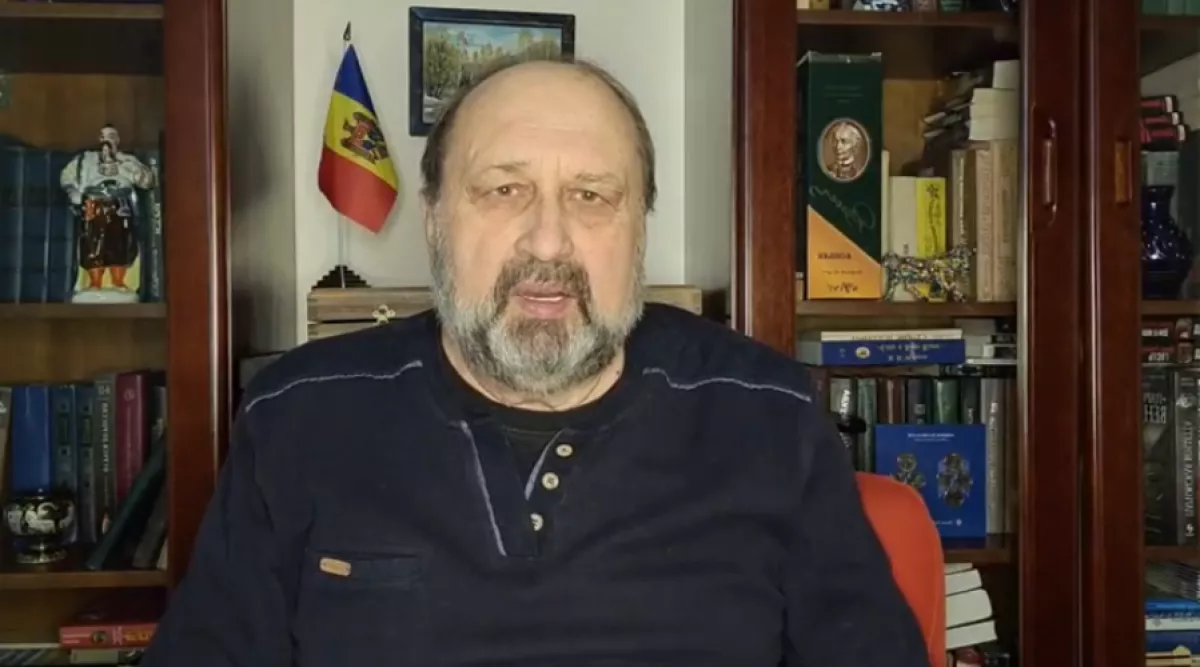
Dr. Vitalii Andrievschi, historian and director of the Institute for Effective Politics in Chișinău, believes that Vasile Tofan is the president's candidate and her choice for implementing radical reforms.
"Formally, the nomination was put forward by the ruling parliamentary party PAS. However, virtually no one doubts that it is, above all, President Sandu's choice.
For the party itself, this is far from the most comfortable option. The reason is obvious: Vasile Tofan is proposing not cosmetic changes, but a broad program of structural reforms, many of which are inevitably politically painful.
These include limiting wage levels in the public sector, large-scale downsizing of the state apparatus, accelerated privatisation of state assets, tax reform, a review of the approach to administrative-territorial reform, liberalisation of labour legislation, a gradual increase in the retirement age, strict fiscal discipline, redirecting agricultural subsidies from compensating losses toward modernisation, as well as a transition to economically justified water tariffs.
Virtually every one of these measures is capable of triggering serious public debate.
Resistance will come not only from the opposition. Discontent may also emerge among some of the government's own supporters. This is only natural. Most reforms of this kind initially worsen the familiar conditions for certain segments of the population, and only years later begin to produce economic benefits.
This is precisely where the main political risk lies.
Moldova is approaching local, presidential, and parliamentary elections. Any unpopular decisions will inevitably be exploited by political opponents.
Therefore, by nominating Vasile Tofan, Maia Sandu has effectively put not only the future of the next government at stake, but also her own political reputation.
Why did she take this step?
First, because of his professional reputation.
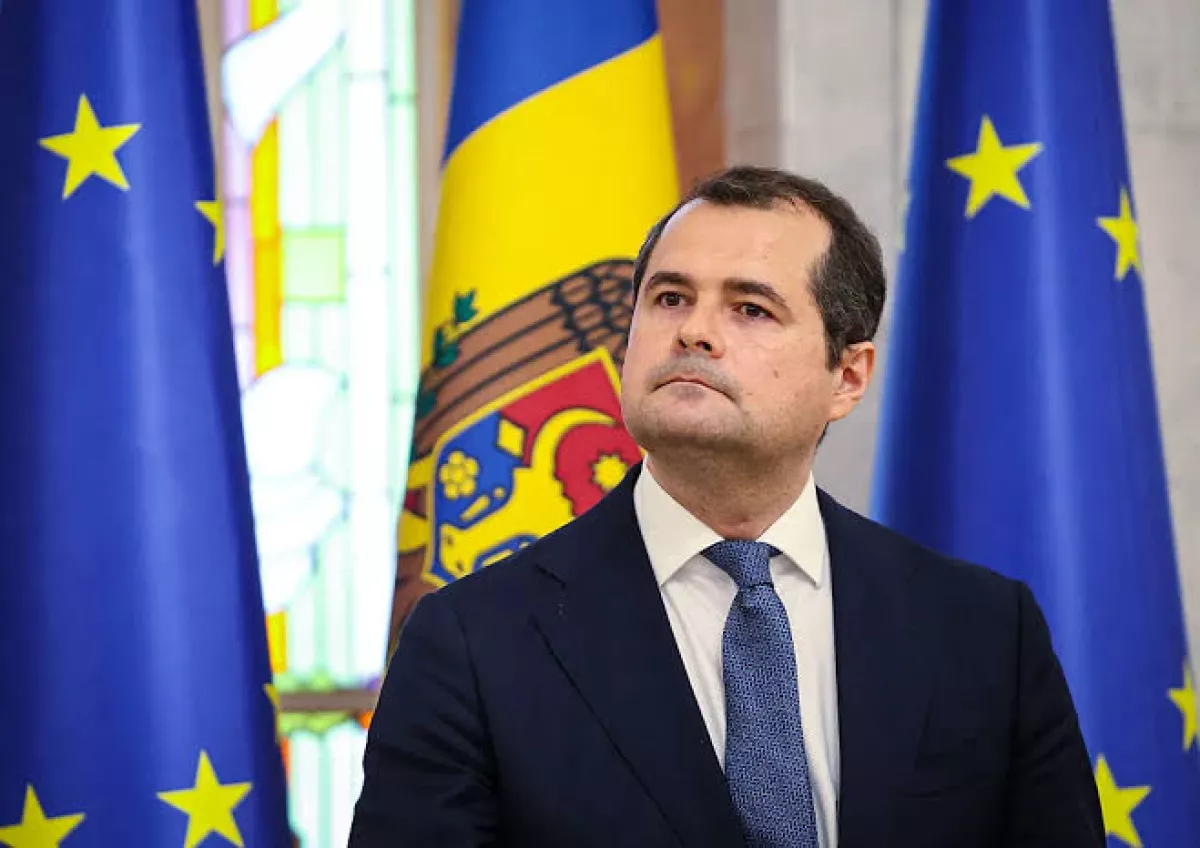
Vasile Tofan has one of the strongest professional backgrounds among the potential candidates for the post of prime minister. He is fluent in several foreign languages, graduated from Harvard Business School in the United States and Erasmus University in the Netherlands, founded a healthcare startup, and spent many years working in investment and business development.
Such a background is rarely found in Moldovan politics.
Second, he comes with his own reform agenda. Tofan is entering office not only with an impressive professional résumé but also with a comprehensive vision for reform. He proposes changing not just individual elements of the system, but the very model of how the state functions, making it more compact, efficient, and focused on economic growth.
Third, the European course. Tofan has consistently advocated advancing Moldova toward European Union membership as quickly as possible. For the president, who has made European integration the central political project of her presidency, this alignment of views is of fundamental importance.
Fourth, public demand for change.
A significant portion of the population has grown tired of slow reforms and constant crisis management. Appointing someone prepared to put forward an ambitious reform agenda may signal that the government is shifting from a strategy of reacting to problems to one focused on long-term development.
Fifth, the personnel decision. It appears that Maia Sandu concluded that the previous government had not acted decisively enough and that there was no candidate within PAS capable of both carrying out deep reforms and assuming political responsibility for their consequences.
That is why the choice was once again made in favour of someone from outside the party.
The key question. Today, many speak of the existence of different groups of influence within PAS, internal disagreements, and a struggle for influence. Such dynamics exist in virtually every major political party—this is perfectly natural. However, there is now a factor that unites most members of the ruling team. They understand that they are all in the same political boat. The success or failure of the new government will be a shared success or a shared failure for the entire ruling establishment.
Therefore, what is at stake is not only the future of Vasile Tofan. The real question is whether Maia Sandu is prepared to move from a policy of gradual change to one of deep structural reforms.
If the president succeeds in providing the prime minister with political support and PAS maintains its unity, Moldova will have a chance to accelerate its modernisation.
If, however, the party shies away from unpopular decisions and begins to retreat at the first serious difficulties, the country risks facing another government crisis, while the president could suffer the most serious political setback of her time in office.
For this reason, the appointment of Vasile Tofan should be viewed not merely as a personnel decision, but as the beginning of the second phase of Maia Sandu's presidency, in which the main measure of success will no longer be the ability to win elections, but the ability to implement reforms that will shape Moldova's development for many years to come," Andrievschi concluded.







 editor@caliber.az
 +994 55 444-88-98
 Азербайджан, Баку, ул. Низами, 203, Af Business House, 5-й этаж