










No cracks in the alliance: what did Trump and Netanyahu discuss? Israeli experts speak to Caliber.Az
After a period of what could be described as "tactical disagreements," US President Donald Trump and Israeli Prime Minister Benjamin Netanyahu met in Washington in recent days.
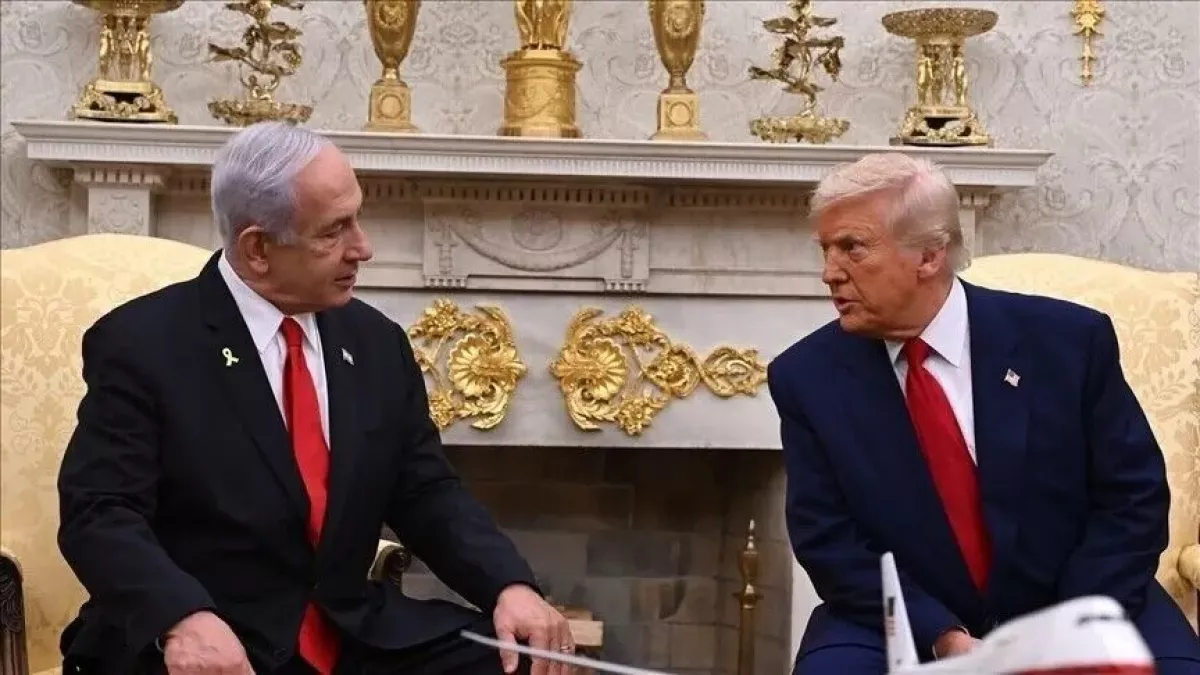
The issues discussed by the two sides at the White House were no secret to anyone—they included, of course, the Iranian agenda, the question of the withdrawal of Israeli troops from Lebanon, and so on. However, the agreements reached during the talks became the number one topic in the world's media.
Judging by the statements made by both sides, all the rough edges were smoothed over during the meeting in Washington. The White House described the talks between the two leaders as highly positive and productive, while the Israeli prime minister stated that “it was a meeting with full cooperation, with mutual support, with understanding on the joint goal that Iran won’t have nuclear weapons, and also other goals.”
So, was there anything left behind the scenes of these optimistic statements, and how will the agreements reached affect the pre-election situation in Israel? Israeli experts answer these questions for Caliber.Az.
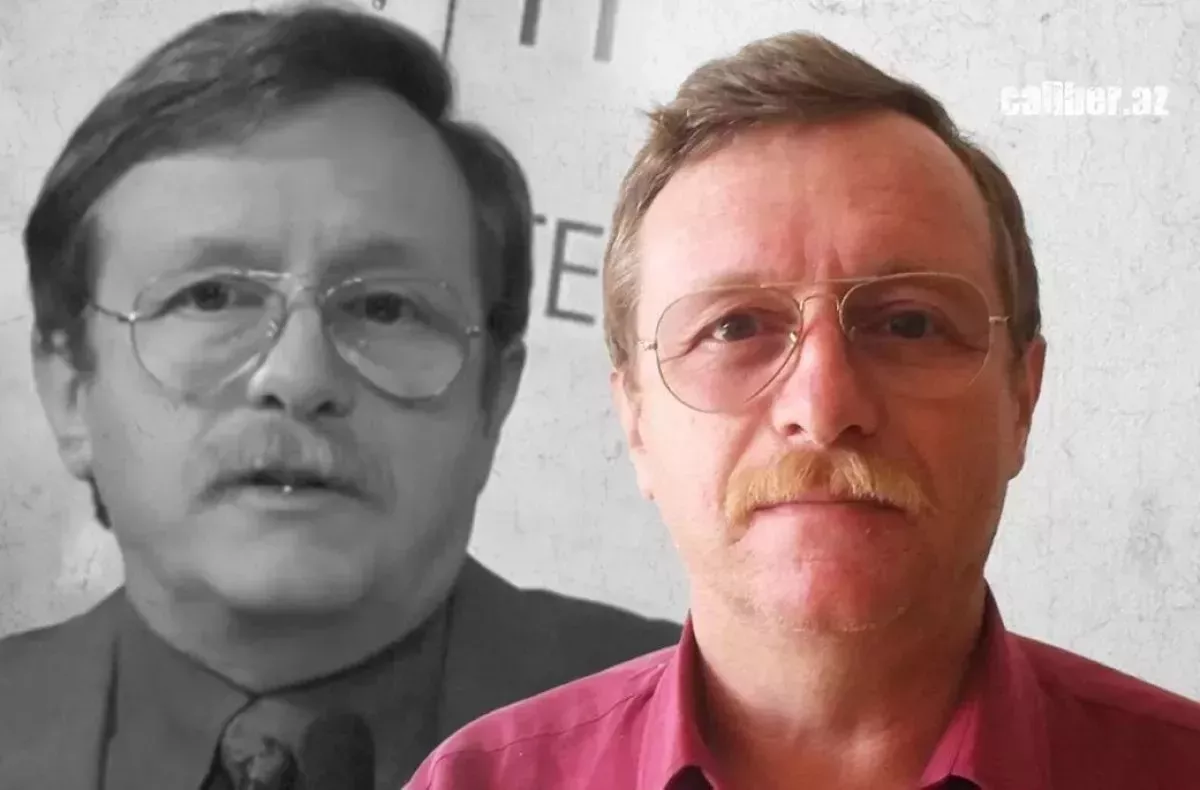
In particular, Israeli political commentator for ITON.TV, Alexander Gur-Arie, believes that the main purpose of Benjamin Netanyahu’s visit to Washington was to coordinate further actions with the Trump administration regarding Iran, as well as to discuss the situation in the Gaza Strip.
“On the eve of the visit, the Israeli government agreed to the deployment of stabilisation forces in the Gaza Strip, although Trump’s original plan envisaged their arrival only after Hamas had been disarmed. However, that process has effectively stalled. Despite this, the Israeli side decided to support the initiative and gave its consent.
At the same time, the situation on the ground has changed: today, Israel has significantly expanded the area under its control to nearly 60 per cent of the Gaza Strip. A substantial part of the enclave, including the strategically important city of Rafah on the border with Egypt, is no longer under Hamas control. It is through Rafah that the main humanitarian and logistical supplies are expected to be organised. In addition, Israel has agreed to begin reconstruction work in the areas under its control, where new housing for civilians is planned following the completion of the necessary security vetting of developers. All of these decisions created a favourable backdrop for the talks in Washington.
The meeting itself lasted about an hour and a half and was attended, in addition to Netanyahu and Trump, by Vice President J.D. Vance, Secretary of State Marco Rubio, and other senior officials from both countries. According to the available information, virtually the entire discussion focused on Iran, with the U.S. president once again reaffirming his principled position: under no circumstances should Tehran be allowed to acquire nuclear weapons. For Israel, this was an important signal, as various interpretations of Washington’s position had emerged in recent months.

Equally important was the fact that the United States did not pressure Israel on the issues of Gaza or Lebanon. Moreover, a clear message was conveyed through Lebanese channels: if Hezbollah attempts to intervene in any potential new confrontation with Iran, Israel will have full freedom of action. This became one of the most significant outcomes of the talks, as it effectively confirmed the continuation of close U.S.-Israeli coordination,” the expert stated.
Alexander Gur-Arie also drew attention to a series of meetings held after the main talks: "Netanyahu held separate talks with Vice President JD Vance, which is particularly significant given the vice president's previously mixed statements regarding Israel. In addition, he met with Volodymyr Zelenskyy, a noteworthy development.
Overall, this visit should not be viewed as a platform for making new strategic decisions. Rather, it was about aligning positions and coordinating the next steps. That is precisely why the talks are seen as successful in Israel: the two sides reaffirmed their shared approach to Iran, the Gaza Strip, and their broader regional strategy."

Meanwhile, Israeli journalist, publicist, and Chairman of the International Relations Commission of the Israel Journalists Association, Rostislav Goltsman, believes that it is still too early to draw final conclusions about Benjamin Netanyahu’s visit to the United States. However, he says that it is already possible to identify the key areas of the talks.
"Netanyahu's visit was not solely about political talks. The prime minister himself emphasised that one of his main objectives was to attend the farewell ceremony for Senator Lindsey Graham, a sincere friend of both Israel and himself.
As for the meeting itself, I would caution against jumping to the sweeping conclusions that have appeared in some Western media outlets. It is enough to note that some publications described these talks as the first meeting between Trump and Netanyahu since the war with Iran, when in fact they were their eighth meeting since Trump's return to the White House," he said.
The expert emphasised that Iran once again became the main focus of the talks, and that the two sides continue to adjust their joint strategy on the issue: "Donald Trump once again praised Netanyahu's ability to firmly and consistently defend Israel's interests. At the same time, it is worth noting that the positions of the two sides are gradually converging. Whereas Washington previously placed emphasis on internal changes in Iran and expected that a new military leadership would be easier to negotiate with, it has now become clear that these expectations were not met. Israel had warned about this in advance, and the US administration is now forced to take these assessments into account.
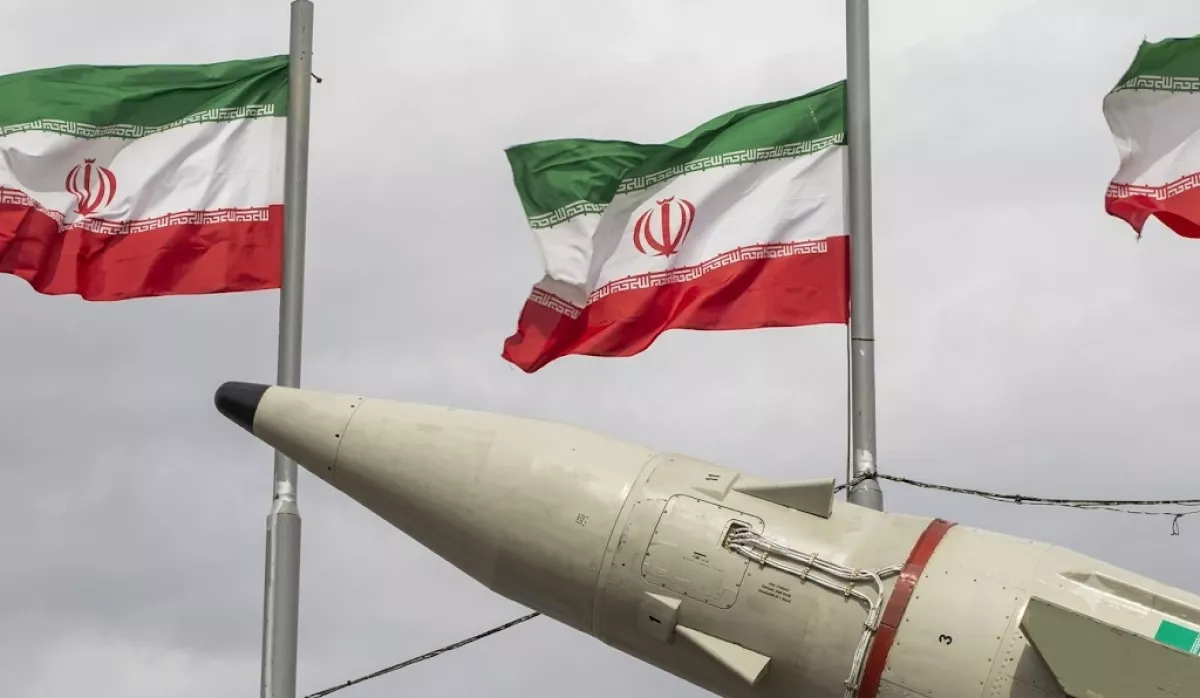
Regarding Iran’s nuclear programme, a significant part of the objectives has already been achieved. However, destroying facilities where enriched uranium is stored through military means could lead to a major environmental disaster. This is precisely why the diplomatic track remains the preferred option. Of course, if Tehran ultimately rejects the possibility of reaching an agreement, the military scenario will remain on the table. But for now, both sides are interested in making use of political mechanisms."
The expert also highlighted that a separate part of the talks was devoted to the situation in Lebanon and the Gaza Strip.
"The talks addressed the gradual withdrawal of Israeli forces from certain areas of southern Lebanon, with responsibility being transferred to the Lebanese army in the hope that it would finally begin the disarmament of Hezbollah. At the same time, efforts continue to implement a project aimed at deploying stabilisation forces in the Gaza Strip and creating conditions for the complete dismantling of Hamas' military infrastructure.
As Netanyahu himself noted, the talks with the American side went even better than expected, indicating that a high level of coordination between the allies remains intact.

I believe that Netanyahu's conversation with Ukrainian President Volodymyr Zelenskyy was equally important. This discussion carries particular significance amid the intensification of Israeli-Ukrainian contacts. Israel has long established its position regarding the Russian-Ukrainian war, consistently supporting Kyiv and developing military and political cooperation.
In particular, on the eve of the meeting, Israeli Foreign Minister Gideon Sa'ar held a phone conversation with his Ukrainian counterpart Andrii Sybiha and invited him to visit Israel on the occasion of the 35th anniversary of diplomatic relations between the two countries.
Moreover, the Ukrainian track is becoming increasingly intertwined with the Middle East agenda, as Iran remains one of Russia's key allies. This is precisely why consultations between the Ukrainian and Israeli sides are gaining additional importance," Goltsman concluded.







 editor@caliber.az
 +994 55 444-88-98
 Азербайджан, Баку, ул. Низами, 203, Af Business House, 5-й этаж