










Bishkek at the crossroads of Eurasian interests Kyrgyz experts speak to Caliber.Az
In the coming weeks, Bishkek will host two events of strategic importance not only for Kyrgyzstan but also for the wider region, one of which will be the summit of the Shanghai Cooperation Organisation (SCO).
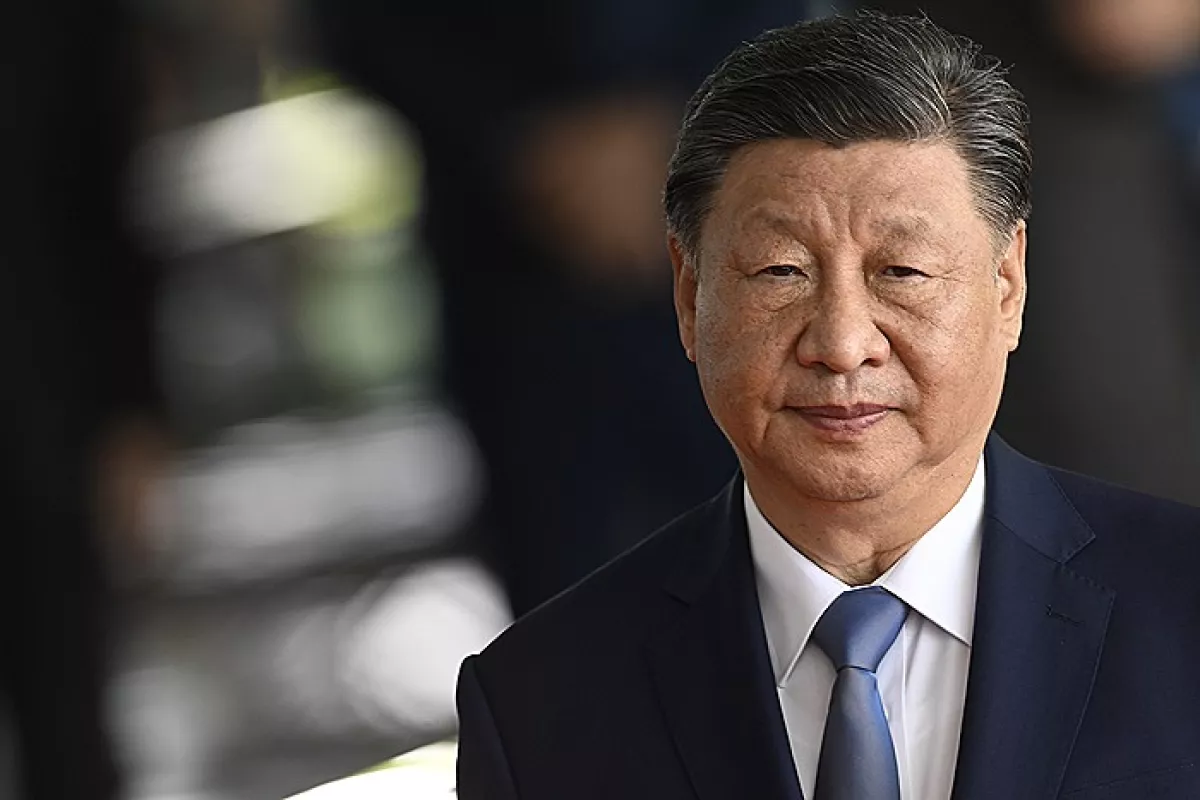
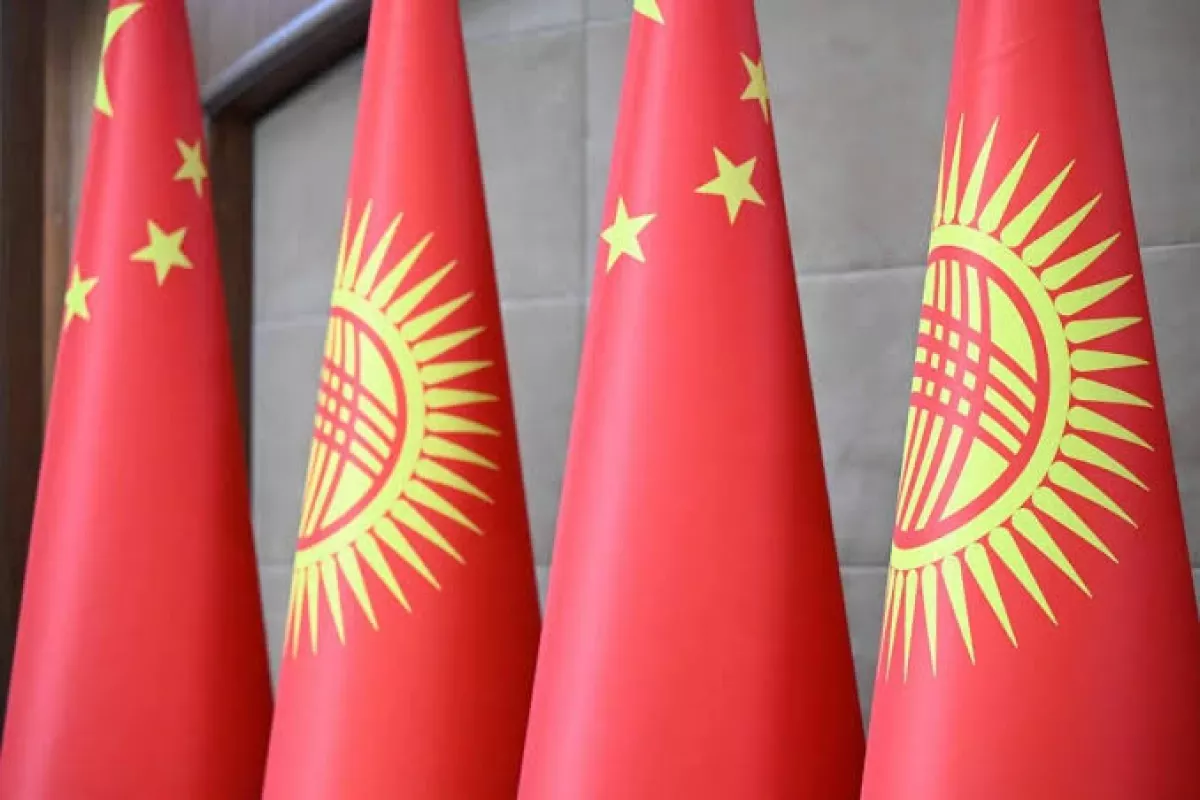
In addition, Kyrgyz Foreign Minister Jeenbek Kulubayev announced during a meeting with his Chinese counterpart Wang Yi in Cholpon-Ata that Chinese President Xi Jinping will pay a state visit to Kyrgyzstan on August 31–September 1 and will also take part in the SCO summit. Kulubayev noted that relations between Bishkek and Beijing have developed in recent years on the basis of equality, mutual respect, and consideration of each other's interests. According to him, there are no political disagreements between the two countries, while regular high-level contacts have become a well-established tradition.
So, what key issues will the SCO member states discuss at the summit, and which topics are expected to dominate the agenda during the Chinese leader's visit to Kyrgyzstan? Kyrgyz experts shared their views on these questions with Caliber.Az.
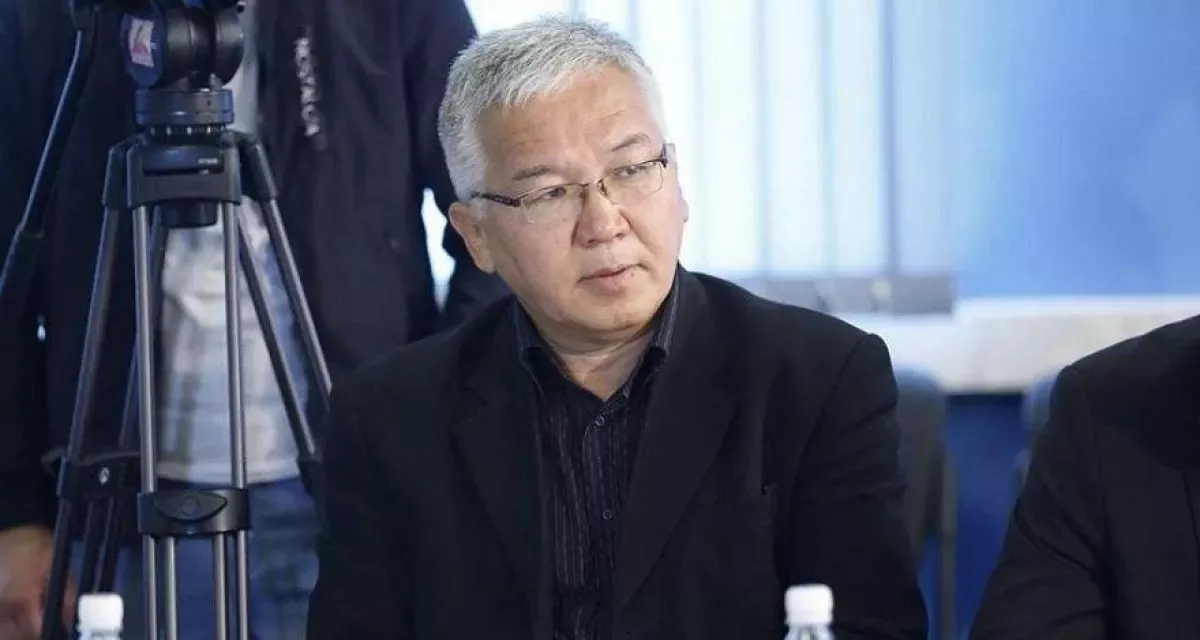
Political analyst, diplomat, and security expert Mars Sariyev noted in particular that relations between China and Kyrgyzstan are now evolving from a model of trade and economic cooperation into a strategic partnership.
“If previously the main substance of bilateral relations consisted of trade, loans, and infrastructure projects, geopolitics, security, and transportation are now moving to the forefront. In this context, the China–Kyrgyzstan–Uzbekistan railway is of special importance for the Celestial Empire. If implemented, this project could turn Kyrgyzstan into a highly significant transit hub in Central Asia. For Beijing, in turn, it is not merely an economic project but part of a broader strategy to create new overland routes, while for Uzbekistan the railway would provide more direct access to the markets of the Asia-Pacific region.
In the future, transport corridors may connect Central Asia with the South Caucasus and Europe through the Caspian Sea, Azerbaijan, Georgia, and Türkiye, and through Iran with the Middle East. In this system, Azerbaijan acquires particular importance as a potential key hub. In this regard, it is quite revealing that the countries of the region are closely monitoring the emergence of new transport opportunities, and the recent visit of Georgian Prime Minister Irakli Kobakhidze to Kyrgyzstan can also be viewed in the context of growing interest in developing new links between the Central Asian and South Caucasus regions. Additional significance is attached to the expansion of Chinese involvement in Georgian port infrastructure, including the Anaklia deep-water port project.
The security dimension is also of tremendous importance in bilateral relations, as Kyrgyzstan shares a direct border with China's Xinjiang Uyghur Autonomous Region. As a result, Beijing has a strong interest in maintaining stability there, ensuring effective border control, and preventing the spread of radicalism and separatist movements. Overall, I would assess the future of Kyrgyz-Chinese relations as strategically upward, although Bishkek faces an important challenge: to make the most of Chinese investment and infrastructure opportunities while preserving its own strategic autonomy.
For Kyrgyzstan, the upcoming SCO summit—which will primarily focus on regional security, the development of transport and economic connectivity, and the shaping of a new international architecture—is not merely an international event but an opportunity to strengthen the country's geopolitical significance. Overall, the organisation is gradually evolving into a platform through which China promotes its vision of a multipolar world while reinforcing its position across Eurasia,” Sariyev concluded.
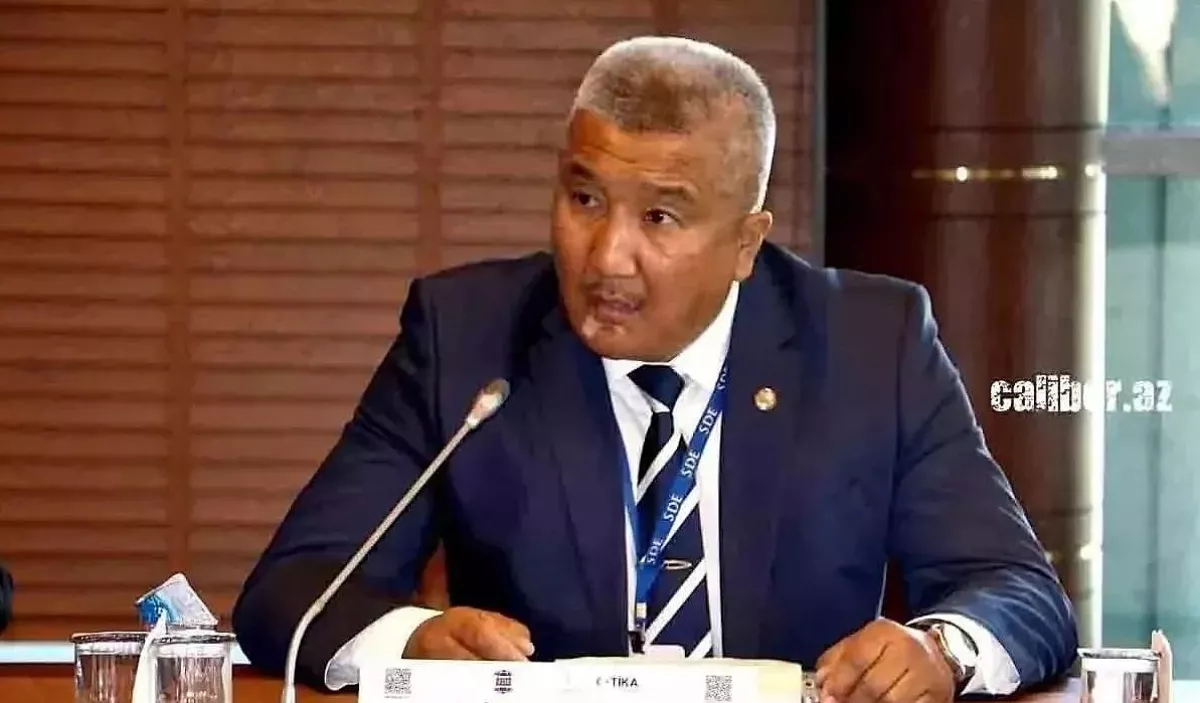
Meanwhile, conflict resolution specialist and international security expert Edil Osmonbetov believes that Chinese President Xi Jinping's upcoming state visit to Kyrgyzstan and the SCO summit in Bishkek will be landmark events not only for the region but for Eurasia as a whole.
“Xi Jinping's visit to Kyrgyzstan carries the highest diplomatic status—that of a state visit—and will take place immediately before the SCO summit in Bishkek. Under diplomatic protocol, a head of state pays only one state visit to a particular country during their tenure in office. This fact alone demonstrates the importance Beijing attaches to its relationship with Kyrgyzstan.
Today, relations between the two countries have reached the level of a strategic partnership. Large-scale infrastructure projects are underway, the most significant of which is the construction of the China–Kyrgyzstan–Uzbekistan railway, with its future extension through Turkmenistan, across the Caspian Sea, via Azerbaijan, and onward to Europe. In effect, this is one of the flagship infrastructure projects of the Belt and Road Initiative, with the potential to fundamentally reshape Eurasia's logistics map,” he said.
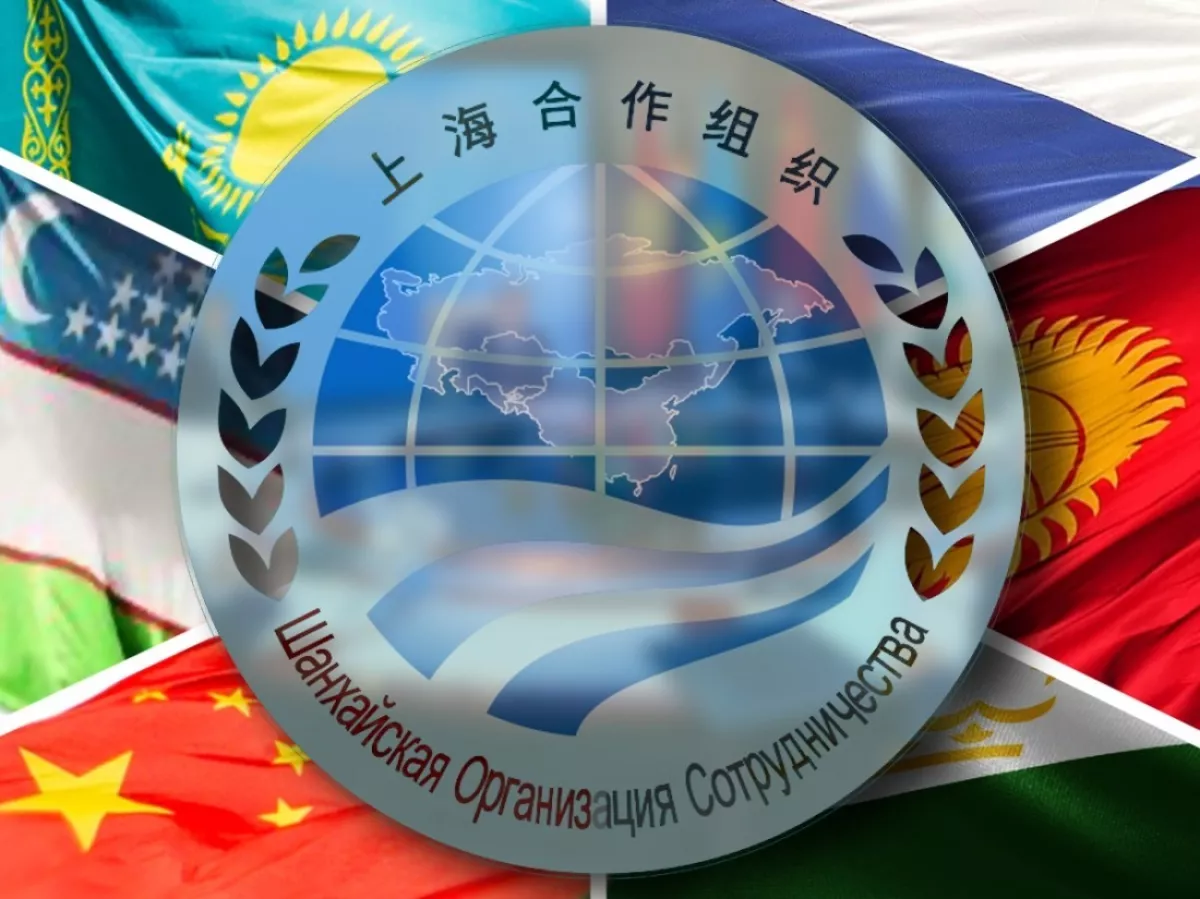
According to the expert, such close cooperation between the two countries is naturally reflected in the agenda of the upcoming SCO summit, which covers virtually all key areas of regional cooperation.
“The agenda of the forum in Bishkek will be extremely comprehensive. The primary focus will be on regional security issues, as well as expanding trade and economic cooperation within the SCO+ framework. Particular attention will be paid to developing trade, attracting investment, and creating new cross-border transport corridors among member states.
Equally important will be the SCO+ format, which envisages discussions on global and regional issues with the participation of invited countries and observers interested in obtaining partner or full membership status in the organisation. Representatives of approximately 25 countries are expected to attend the event, which in itself demonstrates the growing international interest in the Shanghai Cooperation Organisation.
One of the central topics will be the establishment of an SCO Bank. This issue has been under discussion for a long time and is of strategic importance for the organisation’s further development.
When it comes to security, the key areas will remain joint efforts to combat terrorism and extremism, as well as ensuring information security within the framework of the Shanghai Cooperation Organisation. All of these issues were preliminarily agreed upon at the recent meeting of the organisation’s Council of Foreign Ministers in Cholpon-Ata.
Following the summit under Kyrgyzstan’s chairmanship of the SCO, a declaration is expected to be signed, after which the chairmanship will pass to Russia. In my view, these decisions will become the main practical outcome of the meeting.
Overall, amid the formation of a new world order, the role of the Shanghai Cooperation Organisation will continue to grow. Its significance has already extended far beyond regional boundaries, as instability in the Middle East and armed conflicts in different parts of the world are making such platforms increasingly relevant.
Under these circumstances, the SCO could become one of the key international platforms for countries seeking to strengthen their sovereignty and independently determine their own future,” Osmonbetov concluded.







 editor@caliber.az
 +994 55 444-88-98
 Азербайджан, Баку, ул. Низами, 203, Af Business House, 5-й этаж