










Macron after 2027: political survival or the end of the road? Foreign experts for Caliber.Az
France has now set the dates for its next presidential election: the two rounds of voting will be held on April 18 and May 2, 2027. The announcement is unlikely to have pleased incumbent President Emmanuel Macron, who, under French law, is barred from seeking a third consecutive term after serving two successive mandates at the Élysée Palace. Yet, at times, it appears that he may still try to find a way to remain in power.
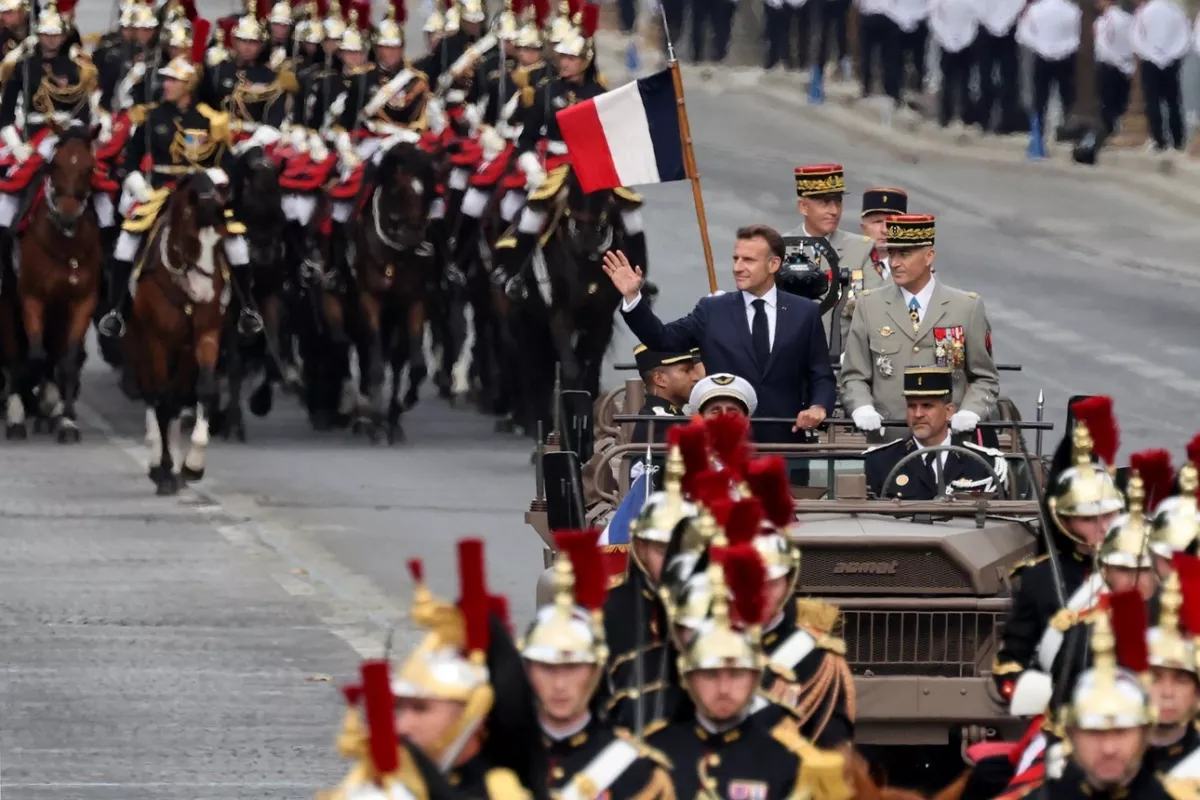
This perception is reinforced by Macron's sharp criticism and undisguised dissatisfaction with the 2008 constitutional reform, which strictly limits presidents to two consecutive terms. The French leader has described the rule as "utterly absurd." Analysts, meanwhile, believe Macron is likely to seek ways to preserve his political influence, pointing to the desperate struggle he has waged over the past five years amid a dramatic collapse in his approval ratings and recurring calls for his impeachment. During this period, he has repeatedly reshuffled governments and replaced political figures who had fallen out of his favour.
Even more significant is another factor: a complete departure from politics could expose Macron to legal scrutiny. Critics argue that one of France's most controversial presidents could ultimately be held accountable for everything—from Paris's loss of influence in its former African colonies and France's geopolitical setbacks in Europe to the country's prolonged economic difficulties and the corruption scandals in which his name has surfaced, several of which remain under investigation. In this scenario, stripped of the political immunity that high office effectively provides, Macron could become the convenient scapegoat on whom much of France's foreign and domestic policy failures over the past decade would be laid.
With this in mind, the incumbent president could attempt a carefully calculated political manoeuvre. For example, he could resign before the end of his term in a bid to become the head of the French Parliament, or seek to initiate constitutional reform that, if successful, would allow him to run for another presidential term.
But what do foreign experts make of Macron's political future? Caliber.Az asked leading international analysts specialising in French politics to share their views on the prospects awaiting the French president after 2027.

Israeli journalist and political commentator Rostislav Goltzman, who heads the International Relations Commission of the Israeli Journalists' Union, recalled the public sentiment that brought Macron to power.
"At the time, Macron seemed to be everyone's candidate—neither left nor right, personable, charismatic, a leader who embodied hope. But the greater the expectations, the deeper the disappointment. In my view, Macron demonstrated not merely incompetence in foreign policy but what could be described as criminal negligence.
In this context, it is worth recalling that it was largely because of his policies that peace efforts between Baku and Yerevan nearly collapsed. It is widely known that after 2020, France actively supplied Armenia with weapons and encouraged revanchist sentiments, effectively telling the country: 'Don't listen to anyone else—we will support you; you must keep fighting.' It was only thanks to Baku's diplomatic skill that the peace agreement was initialled in Washington in August 2025. Had France's position prevailed at the time, that would not have happened," he said.
According to the expert, Paris pursued a similar policy in the Middle East, particularly with regard to Lebanon.
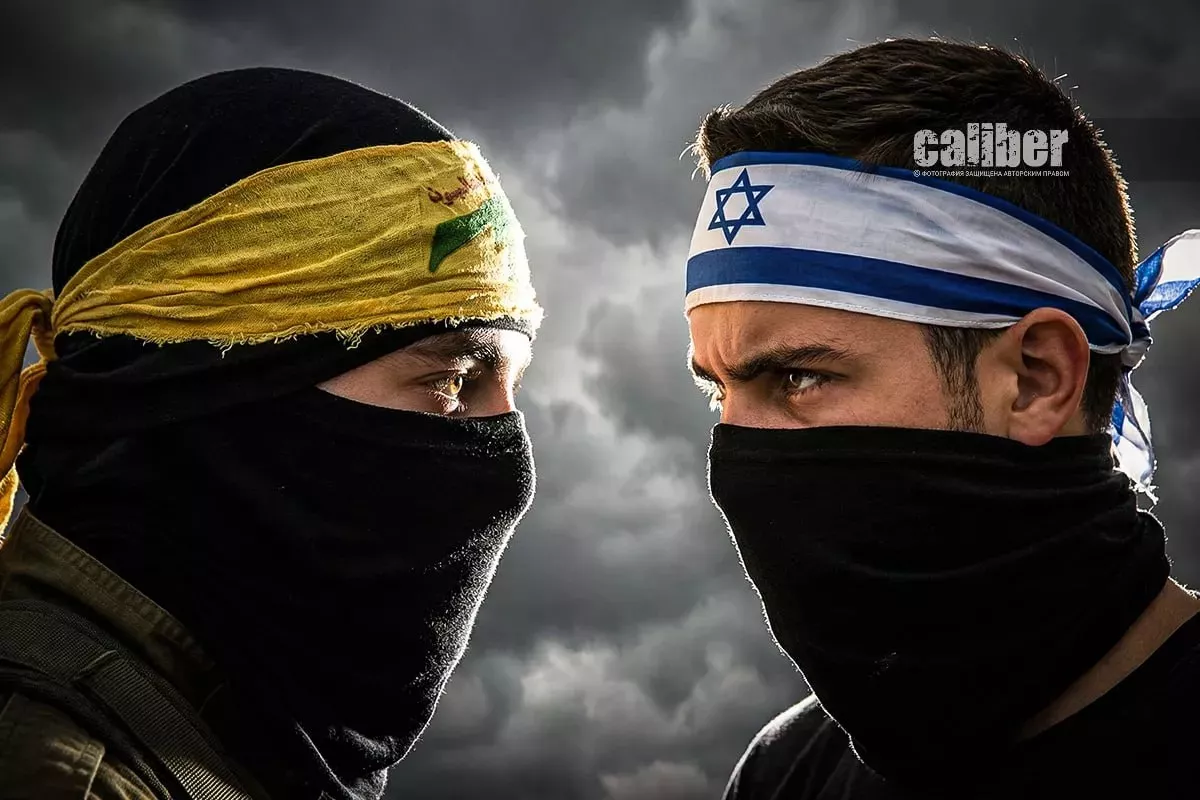
"What was Paris saying? 'Yes, there is a war going on, yes, we understand that Hezbollah is an Iranian proxy that has effectively taken an entire country hostage. But that is not the issue right now—we will deal with it later. At the moment, Israel must stop responding to attacks, accept all the conditions, and leave Lebanon.'
Yet the Lebanese themselves and the Lebanese media were saying something entirely different: Hezbollah must first be disarmed, and only then could any agreements be discussed. Had it not been for the position of the United States, particularly Mark Rubio, during the direct Israeli-Lebanese talks in Washington, the current framework agreement would not have been reached. Moreover, at one point, the Lebanese effectively told the French: 'Leave us alone.' And this despite the fact that many sources still consider Lebanon part of the Francophone world. To me, this illustrates the essence of what was happening.
These examples show that through his incompetence, while hiding behind slogans of peace and humanitarianism, Macron did everything possible to push events towards a scenario of conflict. This glaring amateurism is a far more important issue than many domestic political questions. And if this person leaves office, one can only hope that his political legacy will leave with him as well. The era when the position of a major nuclear power such as France effectively ran counter to peace efforts should never return," Goltzman stated.
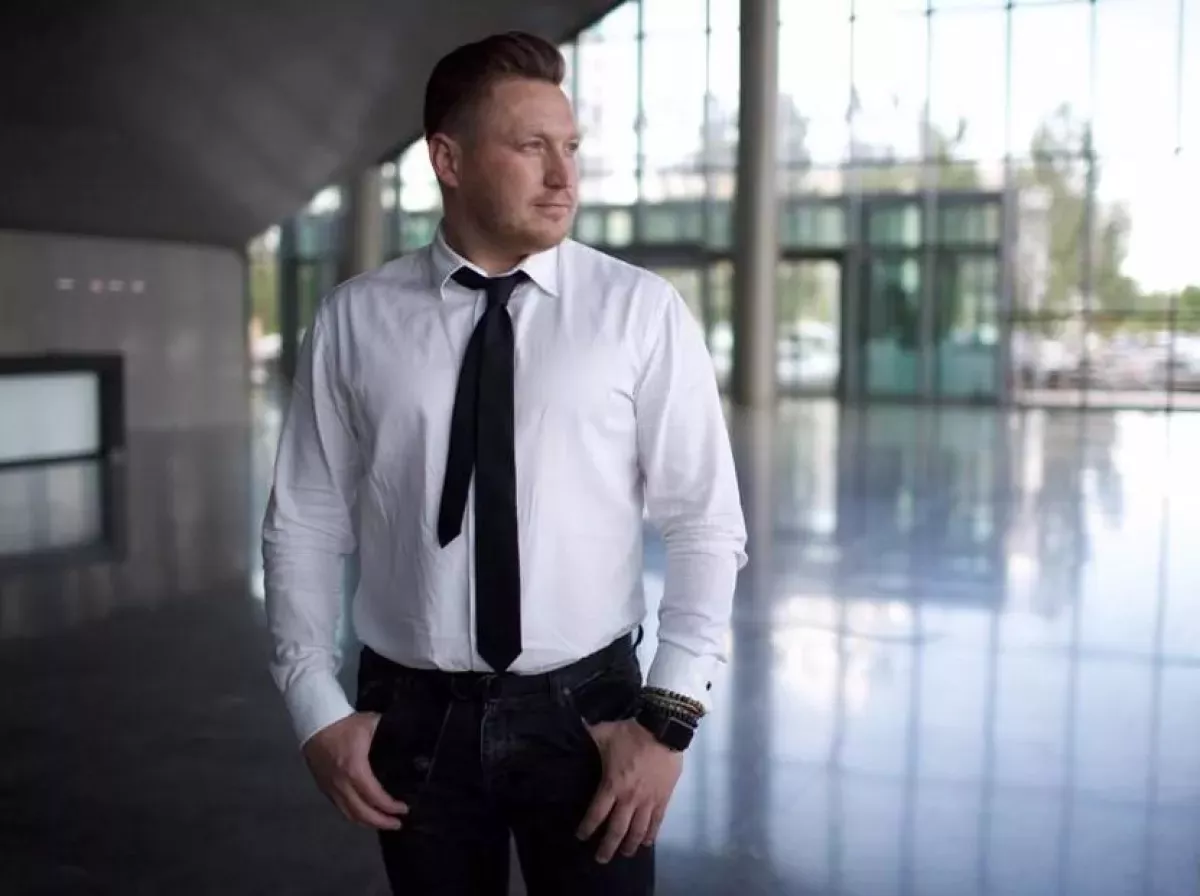
According to political scientist, PhD in Political Science, and expert on French affairs Borislav Osinchuk, Macron’s chances of continuing his political career after the end of his presidential term are extremely limited.
"French legislation is very strict on this matter, and Macron has very few loopholes available to him. One possible way for him to retain some influence over the country's political landscape would be to dissolve the National Assembly and call parliamentary elections to coincide with the presidential election. In that case, French voters would have to cast ballots for both lawmakers and a presidential candidate on the same dates.
This is a realistic scenario, especially considering that it is unlikely to face opposition from the Constitutional Council, which is largely composed of politicians considered close to the current president. Such a move could, at the very least, weaken the position of the French opposition and, at most, create an opportunity to pursue legislative initiatives concerning presidential term limits.
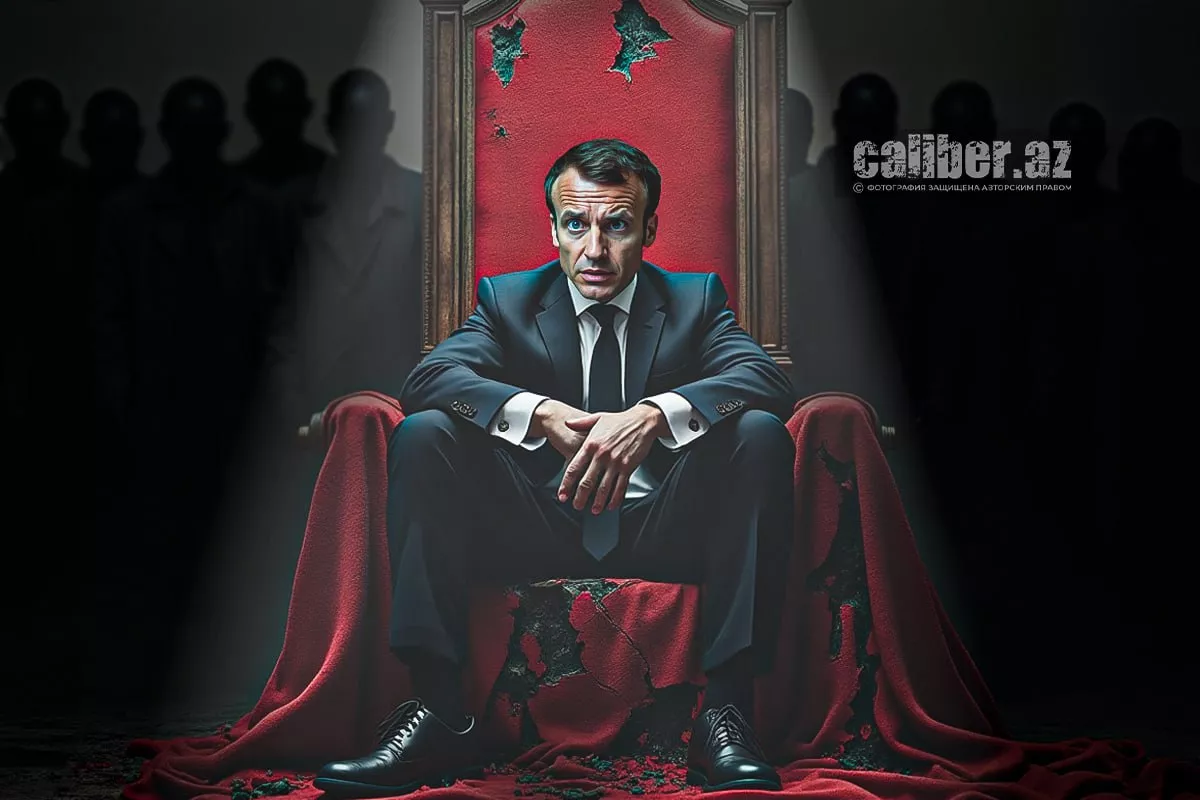
However, everything ultimately comes down to the level of trust Macron still enjoys. As the current situation shows, he has exhausted almost all available political manoeuvres and instruments of influence, and his overall leverage in French politics has significantly diminished because he has damaged relations with many political figures.
There is a saying circulating in French political circles that the political careers of Macron’s allies tend to be short-lived because he is inclined to abandon them when it serves his own interests. This pattern has been evident in his actions within the French government over recent years, as he has repeatedly and ruthlessly parted ways with former allies while seeking cooperation with opposition forces whenever it proved advantageous.
French politicians have not forgotten these moves, and many remain deeply disappointed. In their view, Macron’s tactics have brought little benefit to France; instead, they have further plunged the country into a quagmire of political infighting and economic difficulties. The only clear winner has been the current head of state himself, who managed to extend his political career for a period of time and avoid the threat of impeachment.
French society has an even more negative view of Macron, as many believe he has plunged the country into a deep crisis: living standards are declining, while public debt and the budget deficit continue to rise. Sooner or later, amid such financial pressure, the government will have to cut spending, primarily by reducing social benefits, which will inevitably fuel even greater public discontent.
The French largely hold Macron responsible for these problems, and I believe they will vote against this failed president in whatever political role he seeks to assume—whether as a candidate for another presidential term or as a parliamentary candidate," Osinchuk concluded.







 editor@caliber.az
 +994 55 444-88-98
 Азербайджан, Баку, ул. Низами, 203, Af Business House, 5-й этаж