










BRICS Summit: finding common ground won't be easy Foreign experts for Caliber.Az
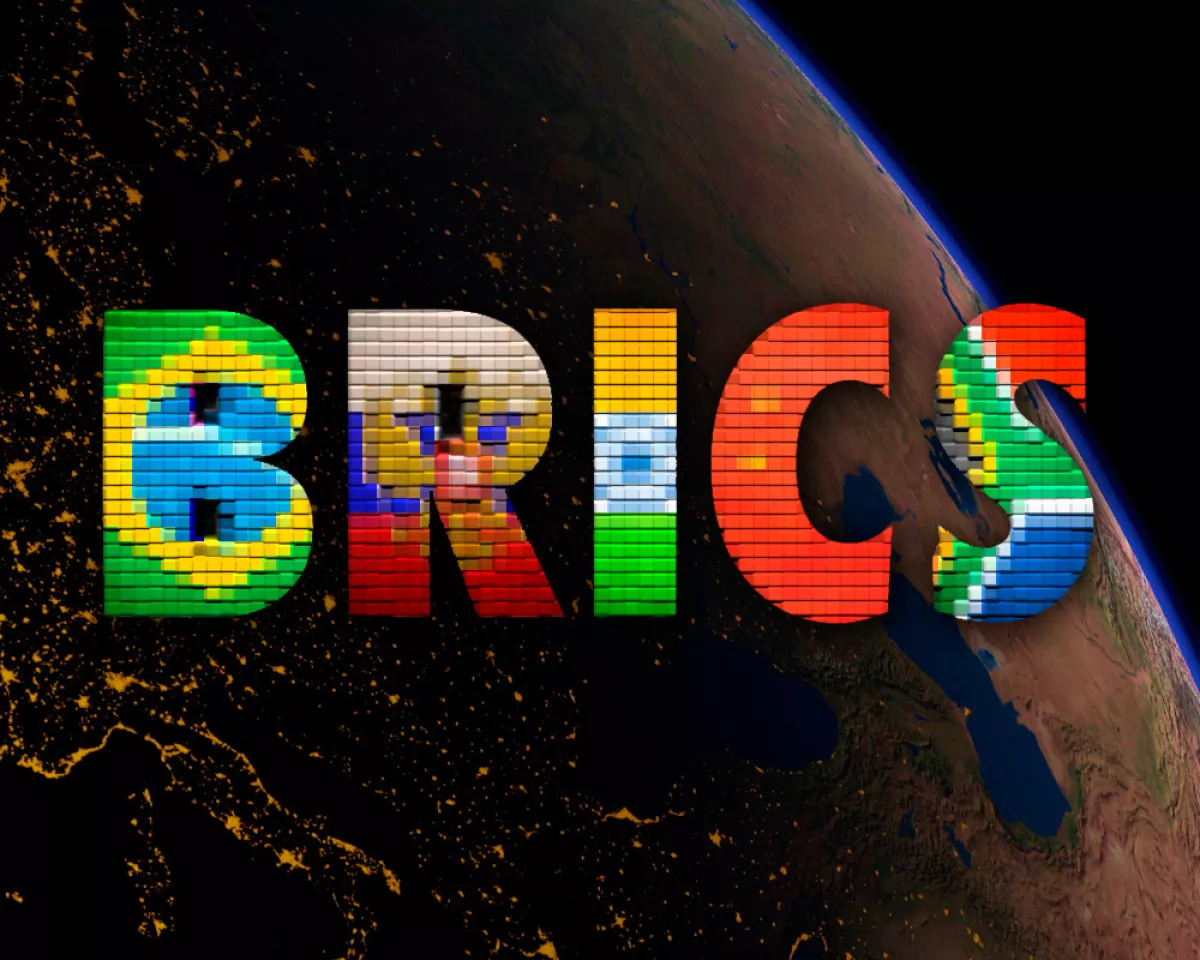
The Bharat Mandapam exhibition complex in New Delhi will become the main center of global politics from September 12 to 13, 2026, as India prepares to host the leaders of the expanded BRICS grouping under its presidency with the theme: “Building for Resilience, Innovation, Cooperation and Sustainability.”
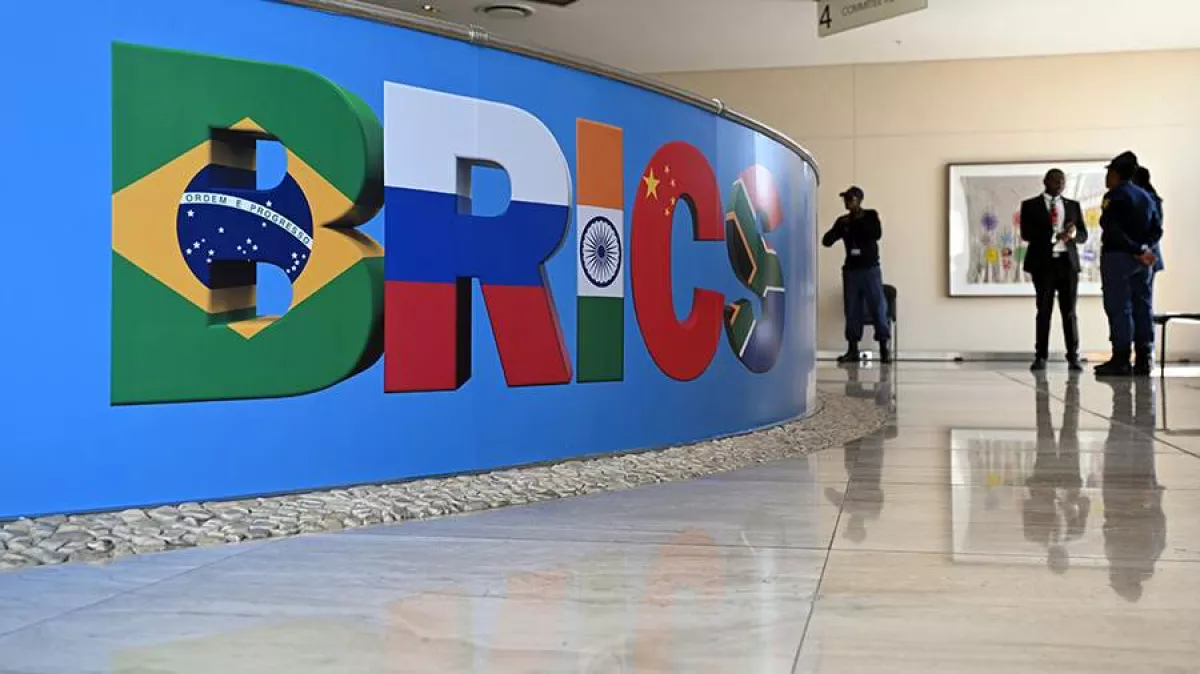
The upcoming meeting will bring together the heads of state of the expanded "BRICS Ten," including Brazil, Russia, India, China, South Africa, Egypt, Indonesia, Iran, the UAE, and Ethiopia. Presidents Vladimir Putin and Masoud Pezeshkian have already officially confirmed their personal participation in the summit. For Pezeshkian, the visit will be one of his first foreign trips against the backdrop of the conflict in the Middle East. The main items on the agenda include not only reforms of global governance and energy security, but also practical financial and technological initiatives: the launch of the decentralized BRICS Pay payment system and ensuring the operational interoperability of central bank digital currencies. In addition, countries seeking membership in the organization are awaiting a further expansion of the BRICS format, as discussed at previous summits.
What do experts think about the upcoming summit in New Delhi? More broadly, how could this event affect the geopolitical situation? Foreign analysts shared their views with Caliber.Az.
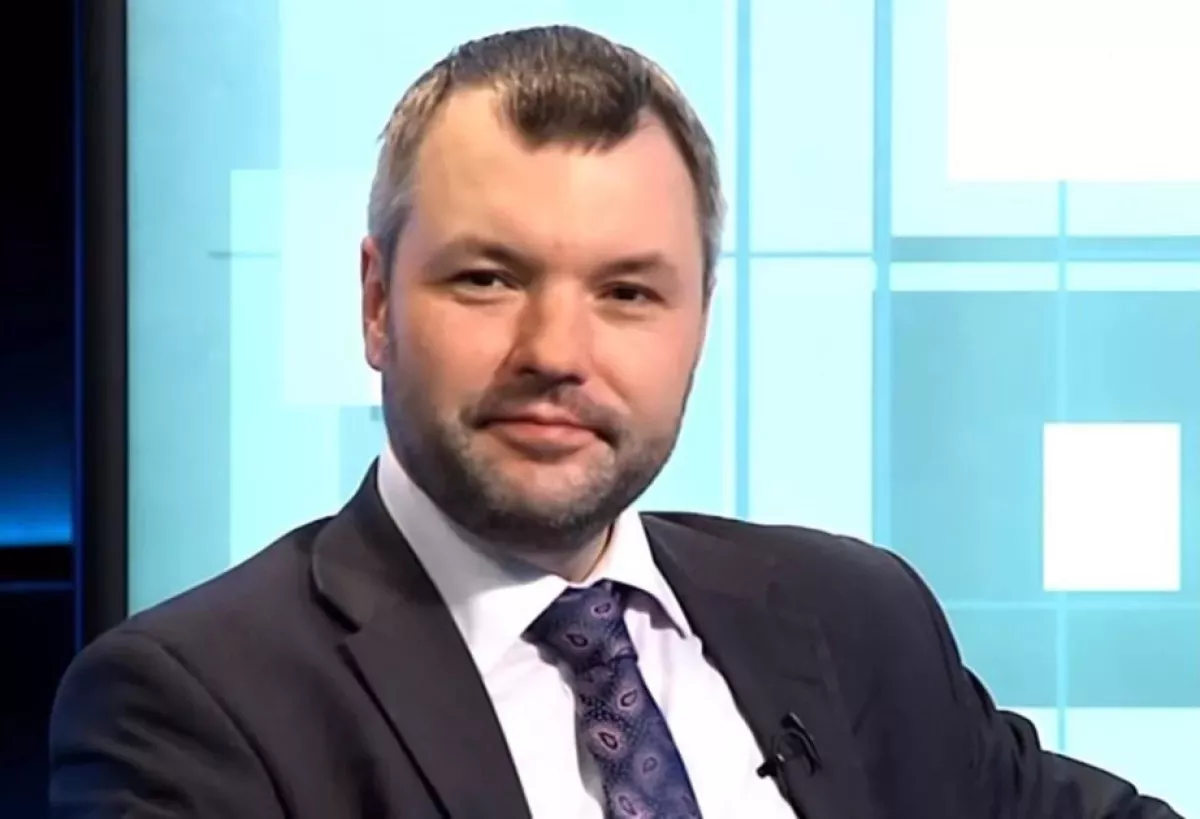
According to Dmitry Solonnikov, Director of the Institute of Modern State Development and a Russian political analyst, the summit in the Indian capital will be dominated by discussions of the most pressing international crises, while the issue of the group's further expansion is likely to take a back seat.
"The event will take place in India, which currently holds the BRICS presidency. Accordingly, New Delhi will shape the main agenda of the meeting. When we talk about that agenda, I believe it is not about expansion for the sake of expansion. BRICS remains, first and foremost, an economic grouping, and its summits are held to develop an alternative to the Western vision of the development of the global economy and macroeconomic processes.
For India, this issue is especially relevant today. Everything taking place around the Strait of Hormuz and the Persian Gulf is unfolding within what is effectively the same logistical space as India. As a result, any escalation in that area poses a serious threat to the country. Iran is also a member of the grouping and is engaged in military operations not only on its own territory but also in ways that affect countries across the Middle East.
The president of the United Arab Emirates is also expected to attend the event and will no doubt present his country's position. It cannot be ruled out that New Delhi, as the host, will seek to create a platform for dialogue between the two sides. The situation is extremely complex. While Iran and the UAE are not in a state of direct military confrontation, they have come very close to one. Iranian strikes on facilities located in the Emirates—even if they target American infrastructure—are continuing. Therefore, the summit's primary task will most likely be to discuss issues of peace and security, identify common ground, and explore possible ways out of the current crisis. The opportunity for such contacts is particularly valuable today," the political analyst noted.
According to him, the consequences of the Middle East crisis affect virtually all BRICS members, making regional security an unavoidable centerpiece of the negotiations: "A great deal depends today on what is happening in the Middle East. This is true, for example, for Indonesia, for which supplies of energy resources and other goods from the region are of strategic importance. President Prabowo Subianto may also express his views. China is likewise dependent on these supplies, has its own vision of how the crisis should be resolved, and President Xi Jinping will undoubtedly present his position."
The expert also drew attention to a range of political factors—both domestic and international—that will influence the positions of individual leaders during the meeting.
"Relations between Beijing and New Delhi are noticeably better today than they were, for example, three to five years ago, although they are still far from ideal. Xi Jinping's visit is expected to include bilateral talks with Prime Minister Narendra Modi. If these contacts result in another step toward normalizing relations, it will be an event of major importance for both the global economy and geopolitics.
It should also be remembered that the summit comes ahead of Brazil's upcoming elections, and for President Luiz Inácio Lula da Silva, the outcome of this meeting carries considerable political significance. According to opinion polls, he is still ahead of his main right-wing rivals. However, with the first round of voting drawing near, his positioning on the international stage will play an important role.
For Cairo, the situation surrounding the Gaza Strip is of paramount importance. Despite various international initiatives, no fundamental changes have taken place so far. Egypt is located in close proximity to the conflict zone, and any further escalation would directly affect its national security. Given this, President Abdel Fattah el-Sisi will undoubtedly devote particular attention to this issue.
At the same time, the risk of a possible blockade of the Bab el-Mandeb Strait remains. This directly concerns Ethiopia, and Prime Minister Abiy Ahmed may well outline Addis Ababa's position on the matter.
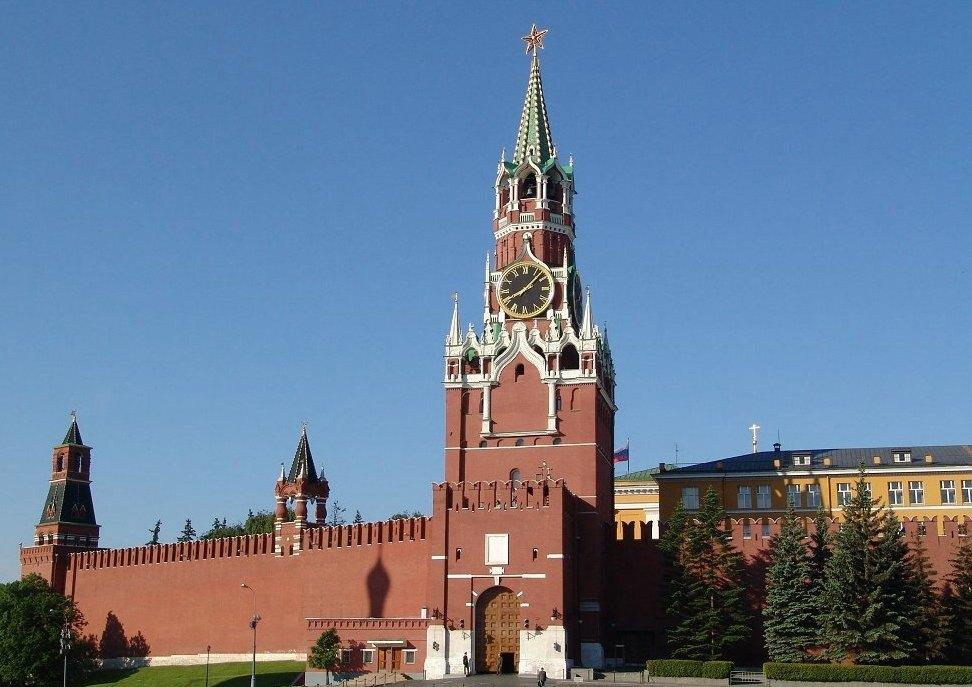
Russia will, of course, have its own agenda, and President Vladimir Putin will present Russia's vision of the future world order. South Africa also has its own priorities. President Cyril Ramaphosa is no longer the only representative of Africa in BRICS, but issues related to the continent's development and its complex relationship with the United States remain highly relevant for him. Therefore, a new perspective on the emerging world order will also be important for South Africa.
Taking all this into account, I believe that the 18th BRICS Summit will focus on the group's internal consolidation and discussions about the future world order. The participants will consider what initiatives the BRICS countries can present to the world and what alternative vision they are capable of offering. In addition, I believe the upcoming meeting will place much greater emphasis on strengthening cooperation among the existing members of the grouping, as well as with its partner countries, which now outnumber the full BRICS members.
As for further expansion, I would say that if it does take place, it will be very limited—without any dramatic moves or demonstrative growth at a geometric pace. All participants currently have enough domestic challenges that require immediate attention, and one of the summit's main objectives will be to seek joint solutions to those issues," Solonnikov said.
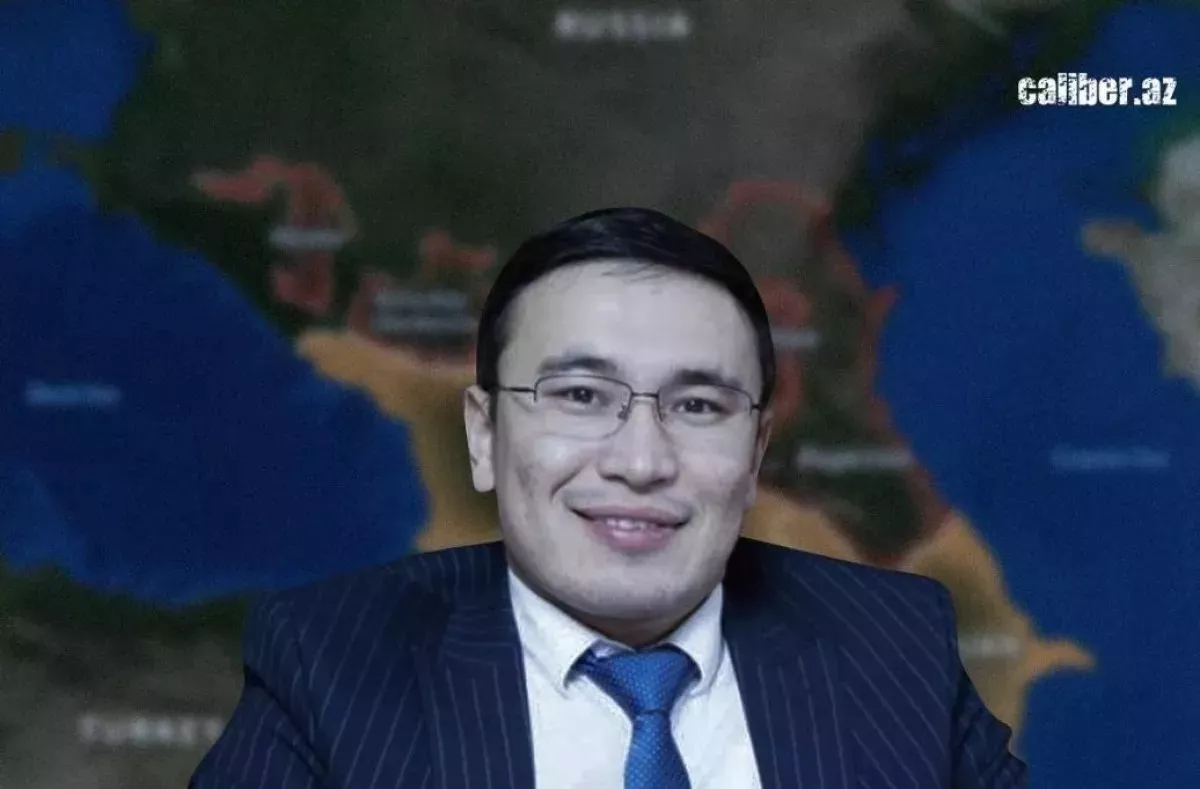
For his part, Kazakh political analyst, publicist, and South Caucasus expert Azat Akhmetov noted that, as Kazakhstan holds the status of a BRICS partner country, Astana is well aware of the organization's internal challenges. Against the backdrop of turbulence in global politics and the economy, he believes that security and the stable functioning of the grouping are likely to become the summit's most important issues.
"If this organization was once highly significant as the developing world's response to the collective West, the importance of such challenges has now diminished, as the status of several of its member states has changed. China and India, for example, have outgrown the organization as their economies have expanded and their global political influence has increased. They now operate confidently as global actors, independently shaping developments in the world economy. At the same time, some other member states have experienced a slowdown in GDP growth and are now facing economic stagnation.
In addition, there are difficulties in relations among the key players. Beijing and New Delhi are global competitors on the world stage, and Russia can also be added to this equation, although politically these countries share a number of common approaches and views on the international situation. These differences in the capabilities of the major players and in their relations with one another create contradictions when it comes to making effective decisions within BRICS and affect the dynamics of joint action in responding to common challenges. This is something that needs to be addressed.
It is clear that Central Asia should develop stronger ties with BRICS. The current global political and economic environment, the conflicts in the Middle East and Ukraine, and the situation surrounding the Strait of Hormuz all make this necessary. For these reasons, I believe the voice and views of the countries of our region will be heard very clearly at the summit," Akhmetov concluded.







 editor@caliber.az
 +994 55 444-88-98
 Азербайджан, Баку, ул. Низами, 203, Af Business House, 5-й этаж