










EU or EAEU: Moscow demands clarity from Yerevan Armenian and Russian experts speak to Caliber.Az
Relations between Moscow and Yerevan are once again entering a new phase of tension, and this time, too, the issue at the center of open pressure is Armenia’s future in the Eurasian Economic Union (EAEU) and its possible shift toward the European Union.

In particular, Russian Deputy Foreign Minister Mikhail Galuzin, in an interview with Russian media, clearly outlined a timeframe for Yerevan to make its choice between the EU and the EAEU: December this year, and more specifically, before the Eurasian Economic Union summit scheduled to take place in St. Petersburg at the end of the year. Against this backdrop, Armenia is actively discussing possible scenarios for Moscow’s response — ranging from tighter migration policies and reduced air connectivity to potential restrictions in the energy sector.
How realistic is such a scenario? Is Russia really prepared to take even tougher measures against Armenia, and what exactly would Yerevan risk in such a case? Armenian and Russian experts shared their views on these issues with Caliber.Az.
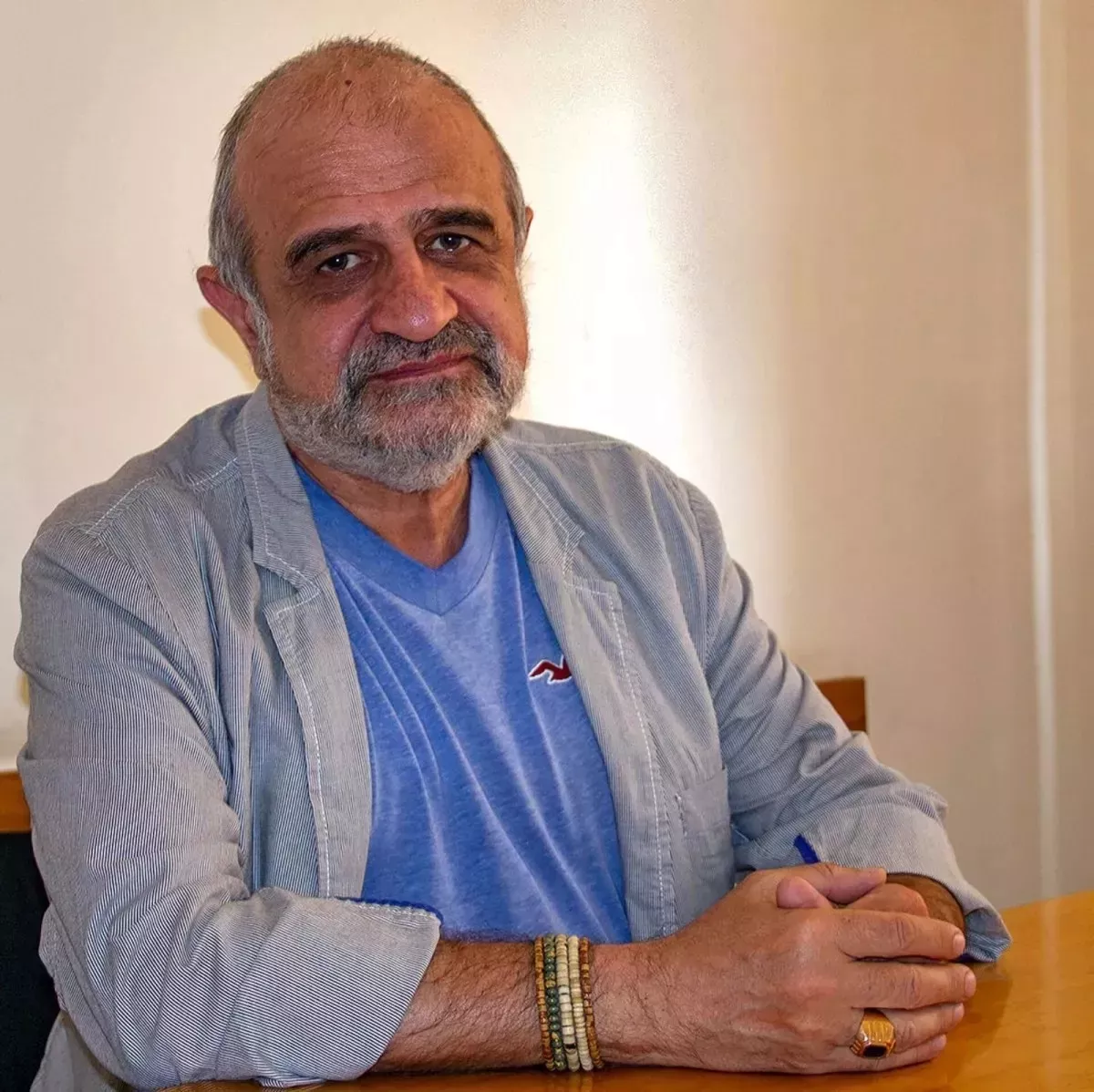
Armenian expert Ruben Babayan, a participant in the “Bridge of Peace” civic initiative, professor at the State Institute of Theatre and Cinema in Yerevan, and Honored Artist of Armenia, believes that all of the Kremlin’s actions and statements are different forms of a hybrid war that has already been waged against Yerevan for several months.
“I don’t think there is any need to panic or react to every high-profile statement, since Russia’s actions are not particularly consistent at the moment. Of course, one should not let one’s guard down in relations with Moscow and should exercise a certain degree of caution and diplomacy. However, it should be borne in mind that Russia is currently in a difficult situation, and anyone who dares to play by their own rules rather than follow the Kremlin’s directives can fall victim to its bad mood,” the Armenian expert said.
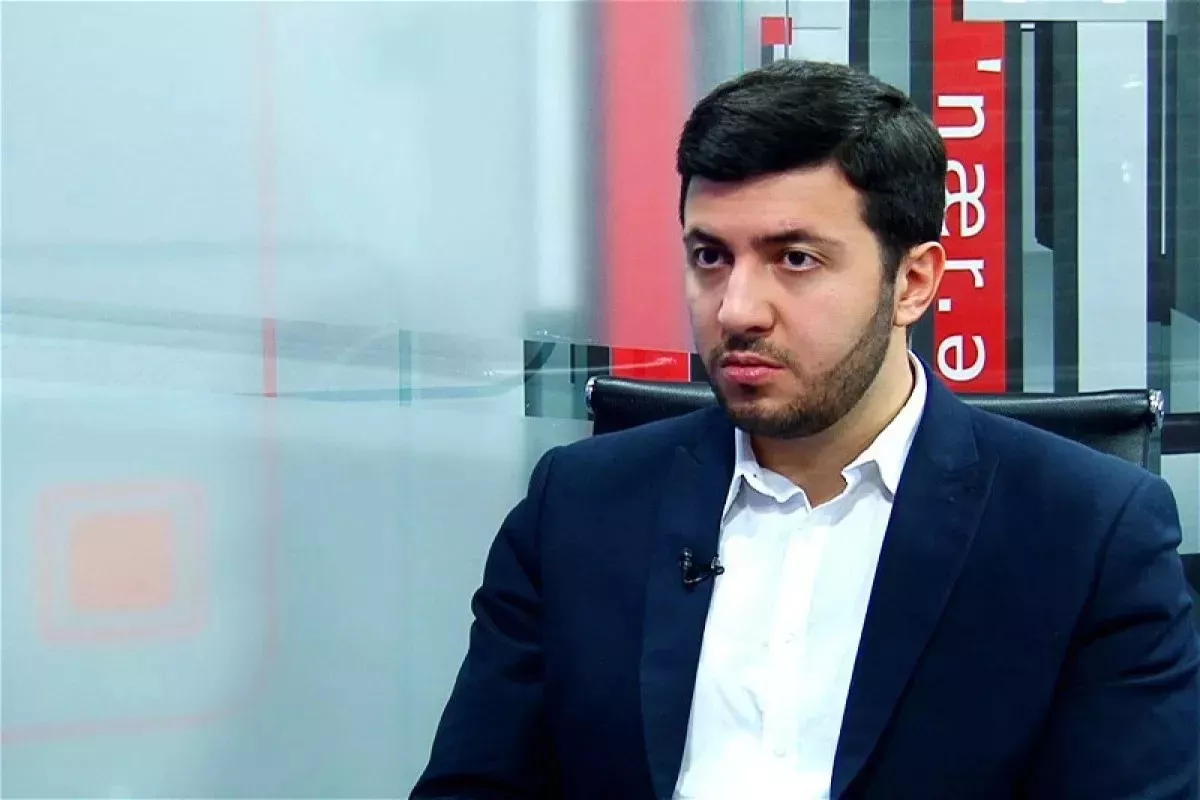
In turn, political analyst Areg Kochinyan, head of the Armenian Council research center and a participant in the “Bridge of Peace” civic initiative, noted that there can be no referendum in Armenia on the choice between the EAEU and the EU, at least in the near future.
“Representatives of the ruling party have already described Russia’s demand as artificial. At present, there is no such agenda in the country, and, in general, such a decision would make little sense at this point. It is quite clear that until Armenia submits an application for membership in the European Union, no referendum will be held in the republic.
As for claims that the leaders of the EAEU could consider suspending the agreement with Armenia within the framework of the Eurasian Union, the EAEU’s charter does not provide for such a possibility. If the heads of the member states were to make such a decision, it would mean only one thing: the end of the EAEU. If an organization takes steps that contradict its own protocol, this inevitably leads to reputational damage and a loss of status,” Kochinyan said.
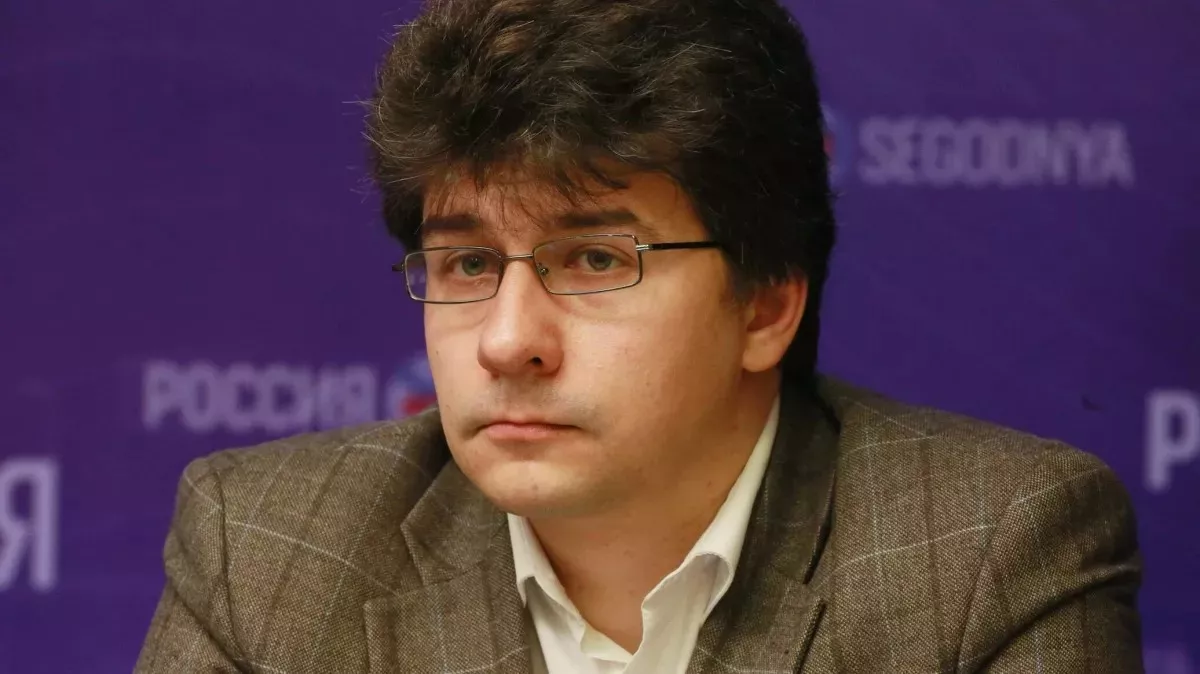
Meanwhile, Russian South Caucasus expert Konstantin Tasits believes that Yerevan is currently continuing to benefit from its EAEU membership and preferential treatment from Russia while at the same time pursuing a strategic course toward European integration. In other words, a paradox has emerged: Moscow is essentially financing the Armenian authorities’ pro-Western trajectory.
“In this regard, there is a view in Russia that it would be more honest to settle the matter once and for all and hold a referendum so that the Armenian people can decide in favor of one path of development or the other. Until then, a special decision could be made to ‘freeze’ Armenia’s participation in the EAEU, just as Yerevan itself decided to suspend its membership in the CSTO, even though neither such a procedure nor such a status is provided for in the organization’s charter.
In response to such actions by the Armenian side, a decision concerning Armenia that goes beyond the EAEU’s charter could be adopted. It could become a ‘special’ decision that would have to be implemented taking into account the unique nature of the situation,” Tasits concluded.







 editor@caliber.az
 +994 55 444-88-98
 Азербайджан, Баку, ул. Низами, 203, Af Business House, 5-й этаж