










Can Azerbaijan’s exit from the Council of Europe trigger a shift in European policy? Expert opinions on Caliber.Az
President Ilham Aliyev has stated that Baku is considering the possibility of a complete withdrawal from the Council of Europe after the voting rights of the Azerbaijani delegation to the Parliamentary Assembly of the Council of Europe (PACE) were suspended in 2024.
Speaking in his opening address at the 4th Global Media Forum in Shusha, Aliyev noted that Baku is discussing "not only freezing our membership."
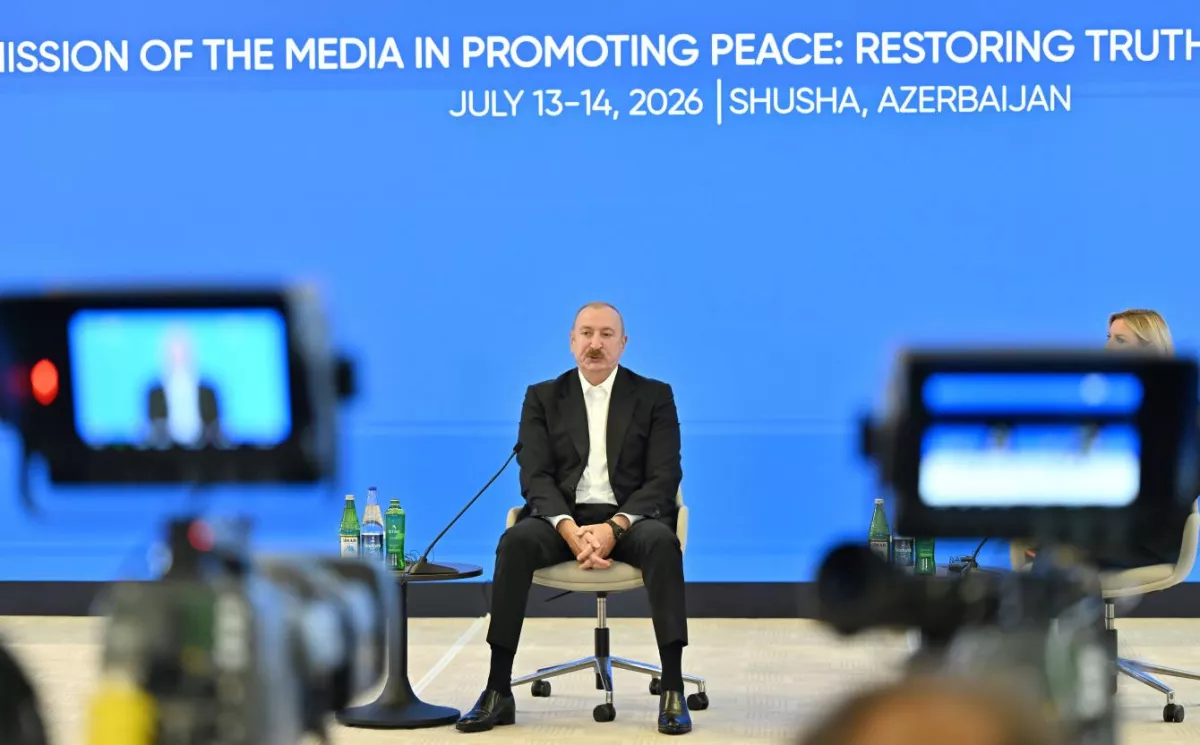
"For more than two years we have been discriminated against. And I can tell you openly that we, in our government, were seriously evaluating a complete departure from the institution, not only freezing our membership in PACE but also leaving the Council of Europe as a whole," Ilham Aliyev stressed.
According to the president, the leadership of the 46-member organisation has called for a solution that would allow Azerbaijan to retain its membership.
"But I was approached by the Secretary General of the Council of Europe, Mr. Alain Berset, and I was asked not to do it," he said.
According to Aliyev, the turning point came in 2024, when the Azerbaijani delegation was stripped of its voting rights in the PACE.
Recalling that he headed Azerbaijan's delegation to PACE in 2001, the president described the deterioration in relations as regrettable and emphasised that Baku has no interest in escalating tensions.
"They should restore the voting rights of the Azerbaijani delegation, and after that, the Azerbaijani delegation will come back," Aliyev stated. "We did not do anything wrong to them. Therefore, it was they who made that unjust move, and it should be they who step back."
What could be the price of Azerbaijan's withdrawal from the Council of Europe? Will such a move prompt Strasbourg and Brussels to reconsider their approach, and are the Council of Europe and PACE prepared to reach a compromise?
Prominent experts shared their views with Caliber.Az.
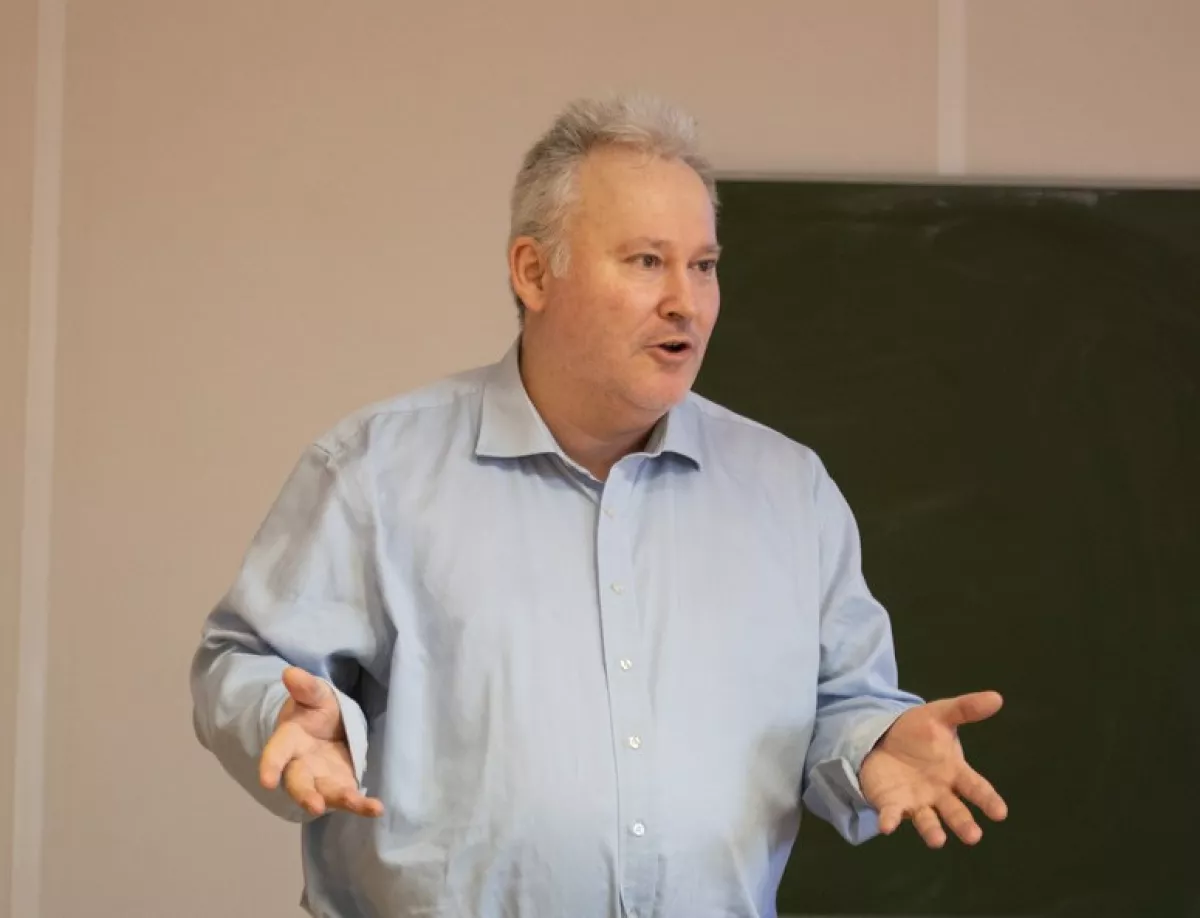
According to Greg Simons, PhD in Political Science and Professor at Daffodil International University in Dhaka, Azerbaijan would, in reality, pay no significant price in terms of losses.
"The EU continues its ideological intimidation and attempts to turn sovereign states into pawns and dependent countries by using empty threats. Through its policy of conditionality, it undermines the national identity, culture, and dignity of other states, including those facing financial difficulties. Azerbaijan does not need the small amount of money the EU has left to offer, whereas the European Union itself is in desperate need of Azerbaijani energy resources. The EU is trying to bluff. As Trump would say, they have no cards, because all the cards are in Azerbaijan's hands. In the long run, Azerbaijan will preserve its national interests, sovereignty, and dignity. Meanwhile, the EU continues its descent into the abyss as an ideologically and financially failed experiment.
If the EU possessed common sense and genuine environmental awareness, it would be prompted to reconsider its current approaches and rhetoric. However, the EU (like the Soviet Union) is an ideologically messianic organization, incapable of understanding pragmatism and reciprocity in international relations, and far too accustomed to dealing with financially and politically vulnerable states on the brink of collapse.
Will the Council of Europe and PACE be prepared to soften their position or reach a compromise if Azerbaijan officially begins the withdrawal process? That depends entirely on whether there is anyone within the Council of Europe or PACE with sufficient common sense and influence, which is unlikely. The only factor that could push them toward a compromise is the current energy crisis, brought about by their own incompetence and inaction regarding energy supplies from Russia and the Persian Gulf," Simons believes.
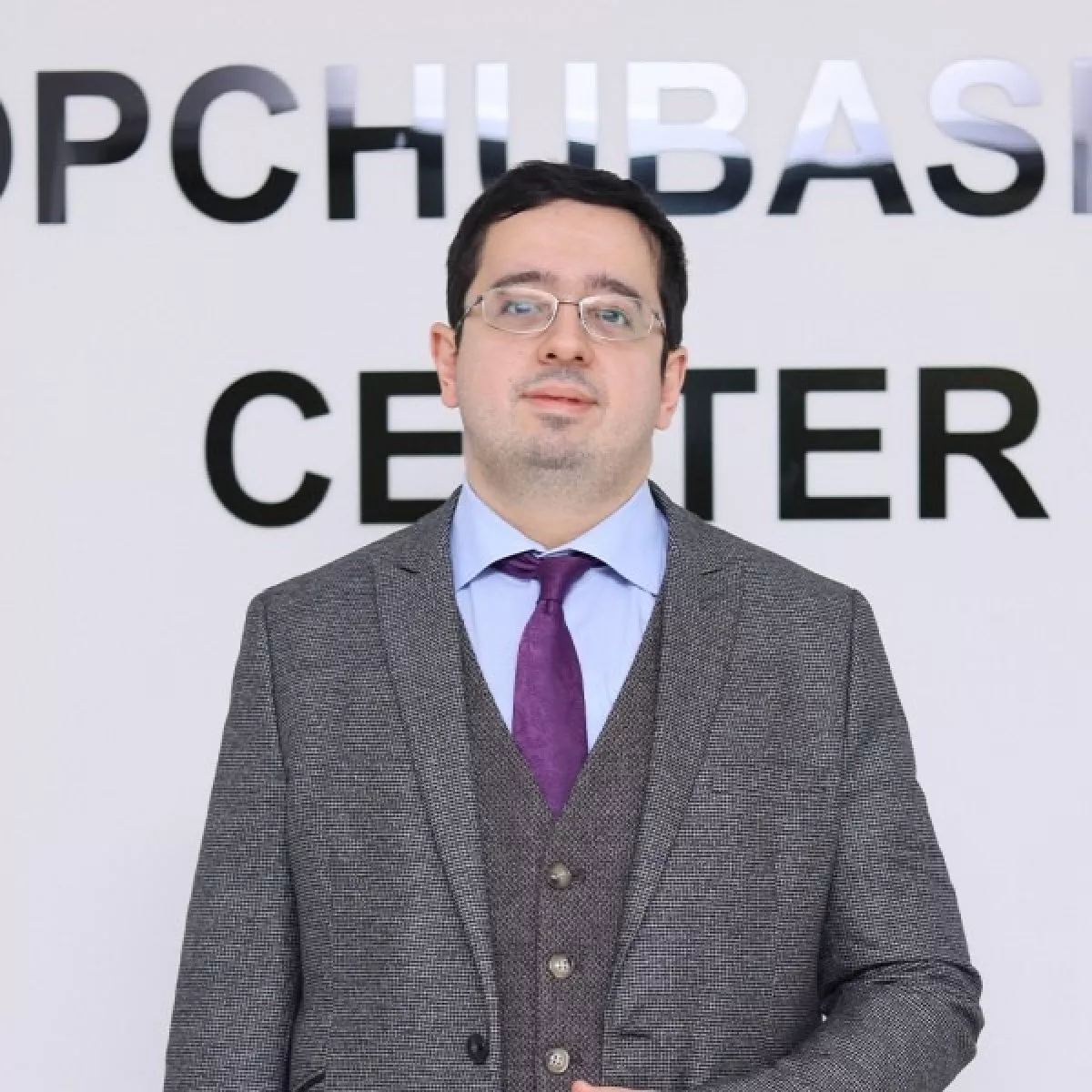
Murad Muradov, Deputy Director of the Topchubashov Centre in Baku, believes that the importance of membership in the Council of Europe should neither be overstated nor underestimated.
"I believe both of these approaches are misguided. On the one hand, membership is no longer of critical political importance for us, particularly after the restoration of Azerbaijan's sovereignty over Karabakh and, more broadly, following the country's changing role in the region and its strengthened status as a middle power.
Since Azerbaijan plays a key role in the East–West transport corridor, Baku's influence has grown significantly. As a result, the country's standing can no longer be linked solely to membership in international organizations.
Moreover, the Council of Europe is primarily a procedural organization responsible for upholding certain political standards across Europe. The current level of our bilateral relations with many European countries is such that the functions this membership served in 2001—when Azerbaijan was considerably weaker and lacked its current standing in international politics—are now largely compensated for through bilateral ties.
This is also evidenced by the normalization and renewal of relations with the European Union over the past year. Clearly, the European side's current approach is increasingly shaped by Baku's actual role in the region, despite ideological differences and attempts by certain countries to call our cooperation into question," the expert explained.
At the same time, he believes that, despite the crisis of political multilateralism brought about by rising international tensions—primarily the Russia–Ukraine war—the symbolic significance of Azerbaijan's membership in the Council of Europe remains.
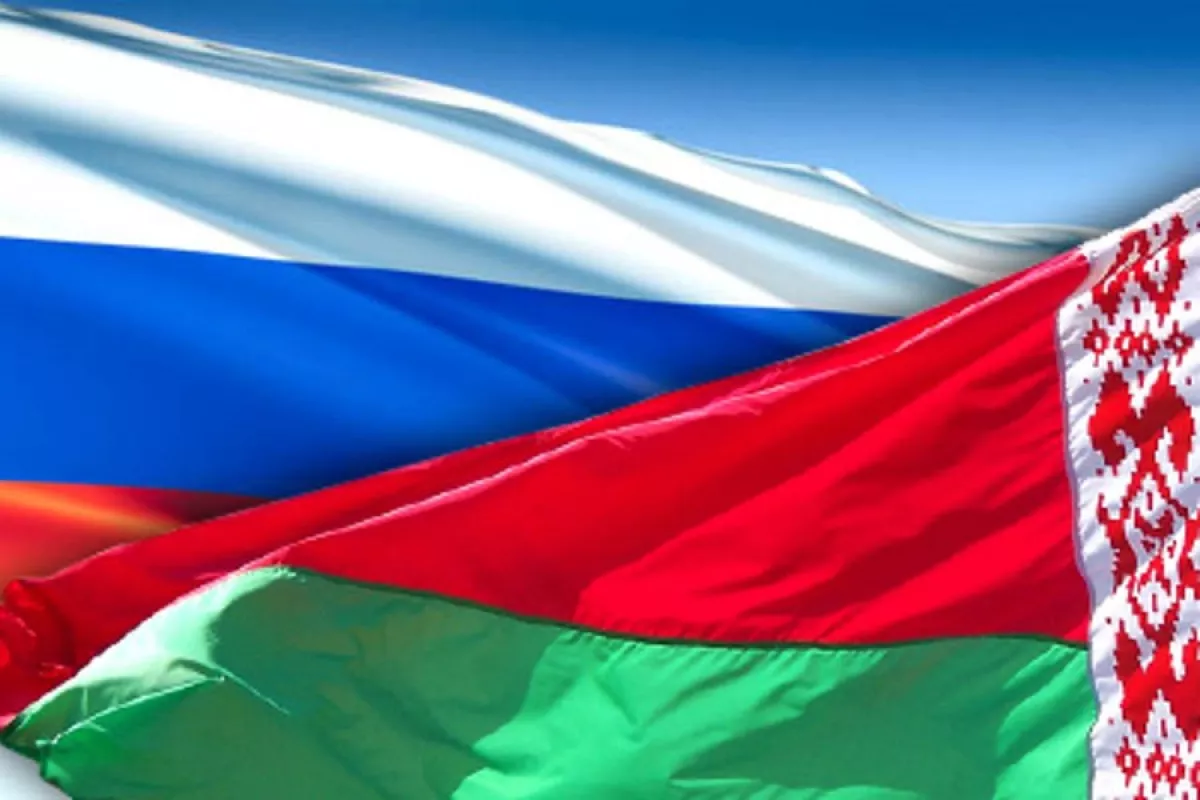
"To date, Russia and Belarus remain virtually the only countries to have left or been expelled from the Council of Europe, which has cemented their status as 'pariahs' in European politics.
Azerbaijan, by contrast, maintains high-level relations with many European states and is recognized by the European Union as a valuable partner. Therefore, the very fact that Azerbaijan could end up on the same list as Russia and Belarus would inevitably invite certain parallels. These would be actively exploited by anti-Azerbaijani circles and the Armenian lobby, which would argue that Baku is distancing itself from Europe of its own accord and therefore should not be treated in the same way as Armenia.
We have always insisted on a fair and equal approach, especially given that Azerbaijan is neither an EU member nor even a candidate country. If we 'walk away from the table,' it will provide strong arguments to those forces seeking to openly prioritize Armenia over Azerbaijan. In the long term, this could lead to even more overt support for revanchist sentiments.
The Council of Europe is a fairly useful technical institution. It encompasses a large number of commissions covering a wide range of areas, facilitating coordination among government bodies from different countries. It serves as a platform for the exchange of experience between ministries and state agencies, helping participants better understand developments across various spheres of European public life.
As for the procedure of terminating membership, I believe it would be inadvisable at this stage. Although relations with the European Union have improved compared to where they stood two years ago, losing a direct channel of engagement through the Council of Europe would deprive us of a certain degree of leverage. President Ilham Aliyev emphasized in his remarks that we are not seeking confrontation.
If there is no objective necessity dictated by national interests, there is no reason to withdraw from the Council of Europe. Of course, the issue of fairness also plays a role. For example, the rulings on claims brought by the Armenian side regarding alleged torture understandably prompted a reaction from Baku. However, we possess a substantial body of evidence documenting Armenia's occupation policy, as well as cases of torture and ill-treatment of Azerbaijanis, including testimony from former prisoners of war. These materials should be used far more actively to counter attempts to portray Azerbaijan as an 'uncivilized' country.
We also have an extensive list of grievances to which the Council of Europe has yet to give due consideration. In addition, it should be remembered that the state cannot fully control individual applications submitted by its citizens to the European Court of Human Rights (ECtHR). The provision on the mutual withdrawal of interstate cases does not apply to individual complaints.
We need to be armed with facts and solid evidence. If we see that the ECtHR is indeed refusing to consider applications from Azerbaijani citizens, that may require more radical steps. But if that does not happen, I believe it is still preferable not to burn all the bridges," Muradov concluded.







 editor@caliber.az
 +994 55 444-88-98
 Азербайджан, Баку, ул. Низами, 203, Af Business House, 5-й этаж