










Wars, migration and artificial intelligence The new realities of medicine
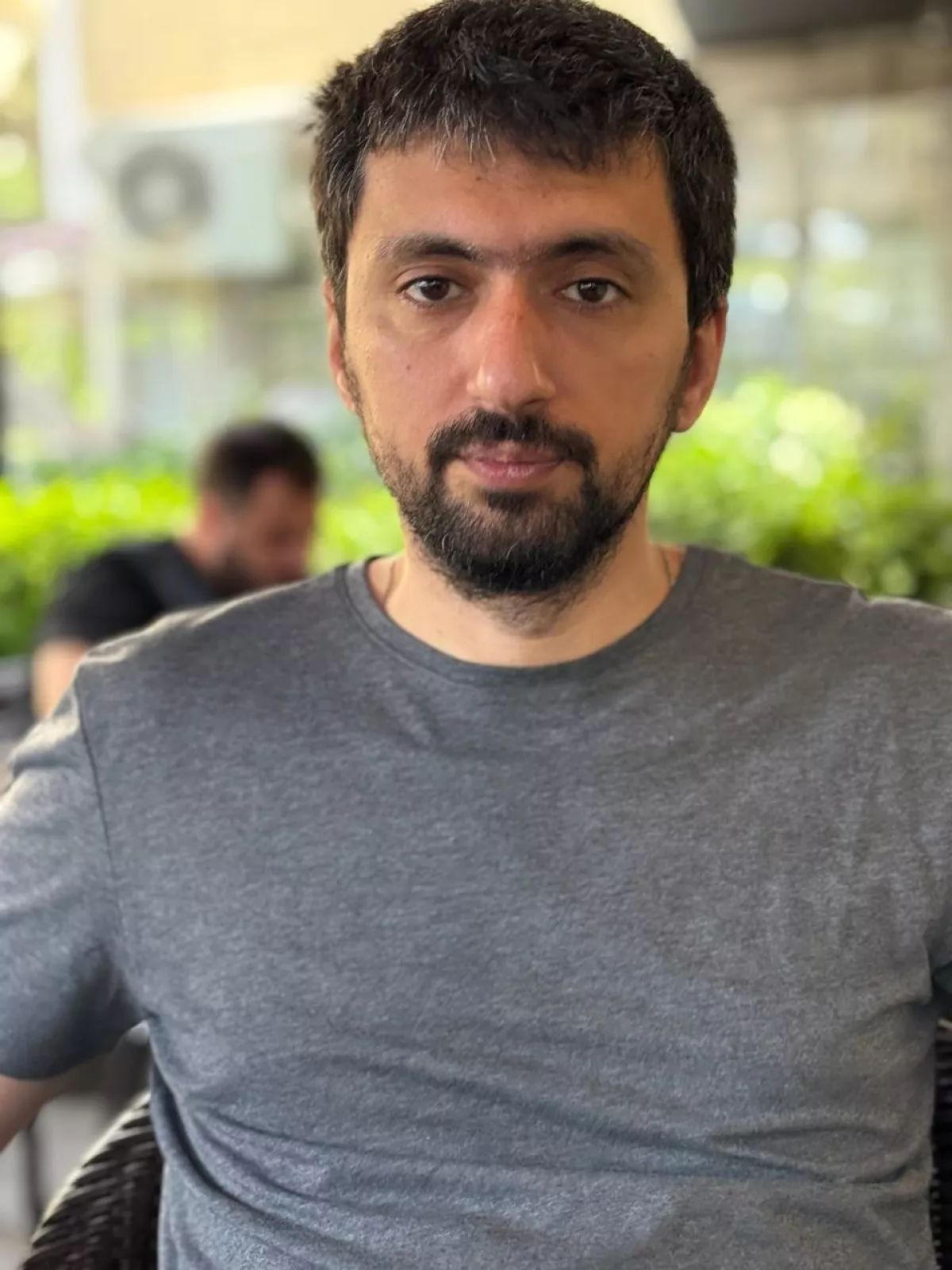
In an interview with Caliber.Az, physician Zaur Orujov discusses how the Russia–Ukraine war has influenced Azerbaijan's healthcare system, why oncology has emerged as one of the country's strongest medical fields, how quickly young doctors can build successful careers today, and why artificial intelligence should be embraced by medical professionals—but approached with caution by patients.
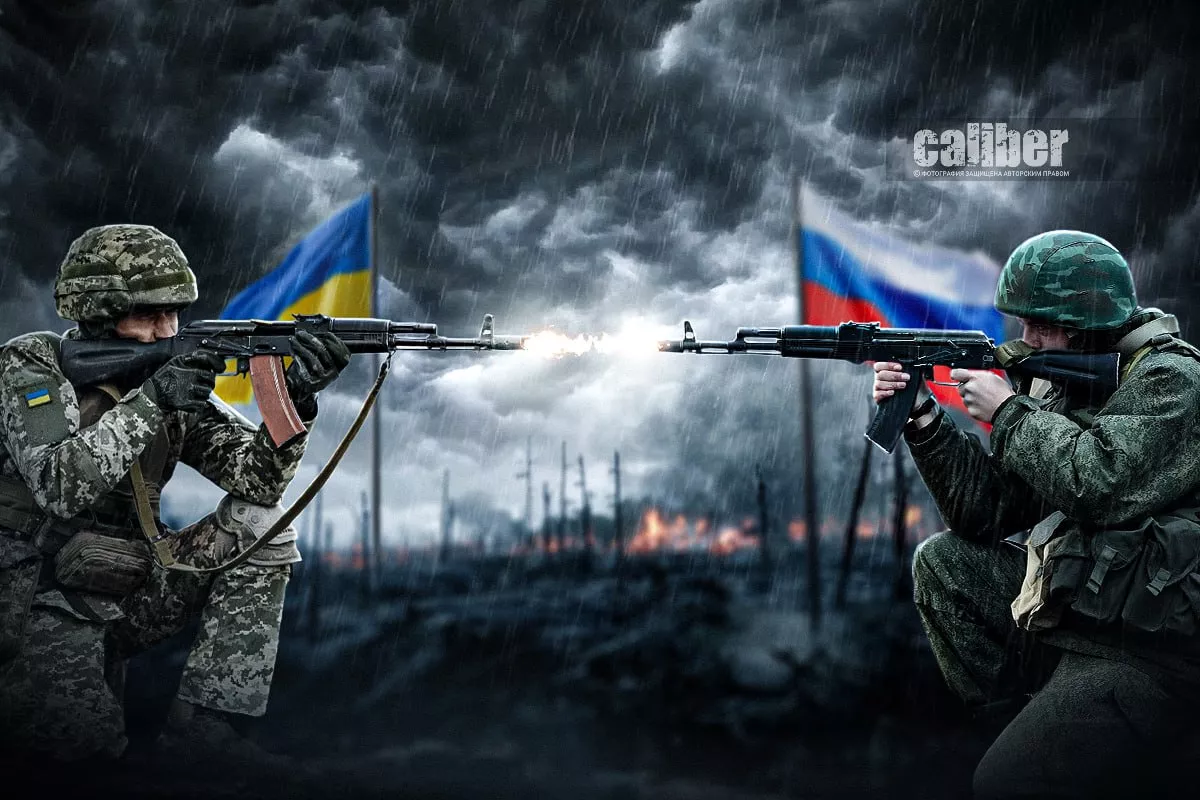
– The full-scale Russia–Ukraine war has now been going on for more than four years, claiming hundreds of thousands of lives on both sides and prompting large numbers of people—including highly qualified professionals—to leave both Ukraine and Russia. Have Russian and Ukrainian doctors chosen Azerbaijan as their new home? If so, how has this affected the overall quality of medical services available to the citizens of our country?
– When analysing this situation, I always repeat the same saying: "Every cloud has a silver lining." Indeed, this trend is evident. Highly qualified doctors from Russia and Ukraine have relocated to Azerbaijan, and, based on my personal observations, their arrival has improved the overall standard of healthcare, particularly in the field of oncology.
That said, there are several important nuances to this trend. First, many of the highly qualified doctors who relocated from Russia have relatives and close friends in Azerbaijan. Second, many of my friends who studied in Ukraine returned home long before the full-scale war began, whereas my colleagues from Russia left specifically because of the war. It is difficult to say exactly why. I should emphasise once again that these are purely my personal observations rather than the result of a comprehensive analysis. Nevertheless, the fact remains that the number of highly competent doctors in our country has increased, making our work considerably easier.
– Iran and Israel have also experienced significant instability in recent times. Have any highly qualified medical professionals from those countries relocated to Azerbaijan?
– No, we have not seen an influx of highly qualified doctors from either Israel or Iran. In my view, there are two main reasons for this. Israelis—and this is not merely patriotic rhetoric but something I have witnessed through people I know—do not flee their country when it is at war. As for the Islamic Republic of Iran, it is more difficult for me to comment. The strikes on Iranian cities were limited and targeted, so there were neither large numbers of casualties nor major refugee flows. Consequently, there was no significant outflow of doctors from the country either.
– More broadly, which areas of medicine in Azerbaijan have traditionally been, and continue to be, the strongest?
– I am going to express an opinion that some may find controversial, but it reflects reality: oncology. It has long been common knowledge that Azerbaijani patients in need of oncological treatment were often advised to seek care abroad. However, we have many excellent oncologists of our own, and with the arrival of specialists from other countries, this field has become even stronger.

– How long does it typically take for a top graduate of an Azerbaijani medical university to reach a high level of income?
– The situation is changing. In the past, we were told that a doctor spends ten years building a reputation, after which that reputation begins to work in their favour. Today, however, that approach is no longer relevant. If a young specialist is truly skilled, the internet, social media and word of mouth can shorten that journey to just two or three years.
– Is the rapid development of artificial intelligence helping or hindering medicine, given that many patients use AI tools in an attempt to diagnose and treat themselves?

– Artificial intelligence is already an established reality, and it is too late to judge it simply as either "good" or "bad". Like any technology, phenomenon or tool, AI presents both risks and opportunities. Choosing not to use artificial intelligence to obtain and analyse information today is like riding a donkey in the age of electric vehicles. That said, it is essential to verify original sources and filter out unreliable or irrelevant information. Moreover, the free versions of AI tools are fairly limited. In short, for a doctor, artificial intelligence is a valuable assistant. For a patient without a medical background, however, it can pose a real danger, which is why people should not become overly reliant on AI-generated information for self-treatment. At the same time, I would advise patients to stay away from any doctor who, in 2026, still avoids using artificial intelligence as part of their ongoing professional education.







 editor@caliber.az
 +994 55 444-88-98
 Азербайджан, Баку, ул. Низами, 203, Af Business House, 5-й этаж