










Why did Zelenskyy dismiss Ukraine’s most popular minister? Expert opinions on Caliber.Az
Ukrainian President Volodymyr Zelenskyy dismissed the popular Defence Minister Mykhailo Fedorov. According to Ukrainian media reports, the decision came amid disagreements between Fedorov and Commander-in-Chief of the Armed Forces of Ukraine Oleksandr Syrskyi and has sparked criticism in Ukrainian society.
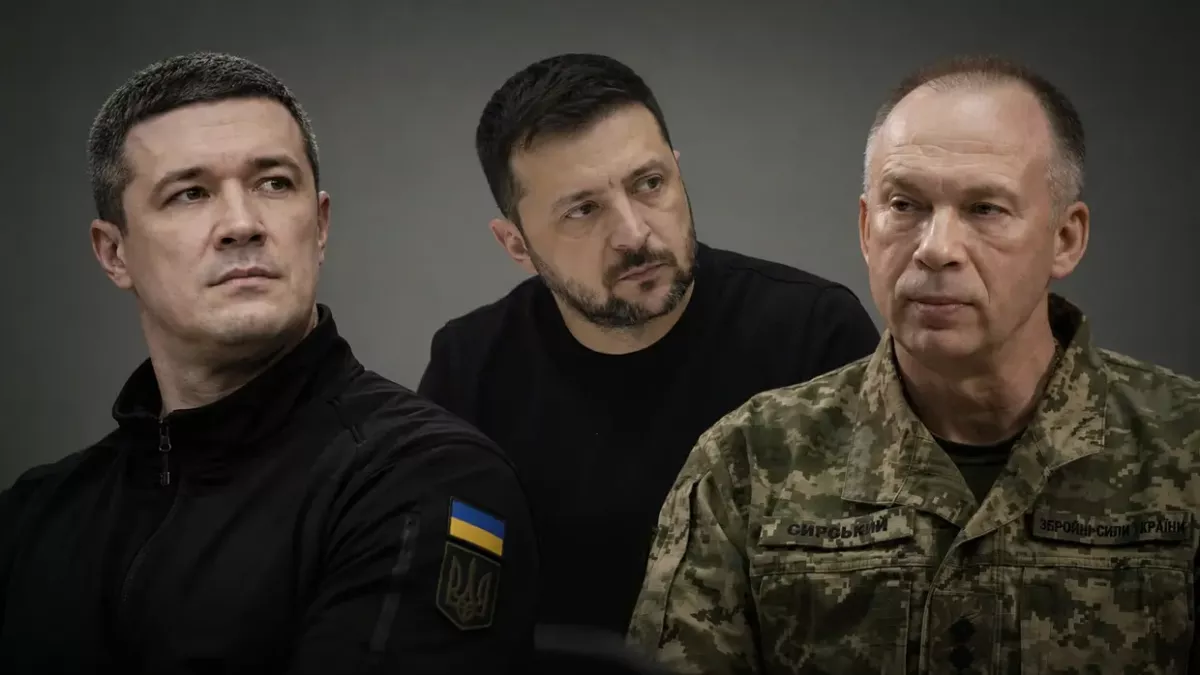
Fedorov was the first to confirm his resignation, writing on social media: “It has been a great honor to serve the Ukrainian people as the Minister of Defense.”
He also summed up the results of his six months at the helm of the defence ministry, outlining the main achievements and shortcomings of his team, Euronews reports.
Among his achievements, the former minister highlighted the shutdown of Starlink systems used by Russian forces, a campaign aimed at disrupting Russian military logistics in occupied Crimea, as well as what he called an “unpopular but extremely important” army reform.
Calls for protests against yet another wave of personnel changes have emerged on social media.
According to Ukrainian media reports, the conflict between Fedorov and Commander-in-Chief of the Armed Forces of Ukraine Oleksandr Syrskyi stemmed from disagreements over the reform of the Defence Ministry, which has been described as a clash between two different management approaches.
Fedorov himself acknowledged that he had not managed to complete the reform of the ministry in line with NATO standards and what he described as “common sense.”
“The new structure has been put in place, many people have been made redundant,” he said, adding that “numerous processes have been set in motion."
“However, it was necessary to be even more decisive in dismissing those who were holding back the changes.”
From 2019 until January 2026, Fedorov served as Ukraine’s Deputy Prime Minister and Minister of Digital Transformation. He is widely credited with implementing the concept of a “state within a smartphone” and launching the Diia application, which made many government services available online.
After the start of Russia’s full-scale invasion, his ministry played an active role in developing drone production and military technologies.
Later, Fedorov initiated a campaign aimed at disrupting Russian military logistics in Crimea and the occupied territories in southern Ukraine.
Fedorov enjoys significant authority among Ukraine’s civil society, and his dismissal has therefore triggered a broad public reaction and a wave of criticism directed at Zelenskyy.
Many view him as an effective manager whose efforts helped significantly strengthen Ukraine’s military-technological sector. This made his dismissal all the more unexpected.
What does this signal? Could Zelenskyy’s decision harm Ukraine’s interests, and how justified was this move?
Prominent Ukrainian commentators shared their assessments of these issues with Caliber.Az.
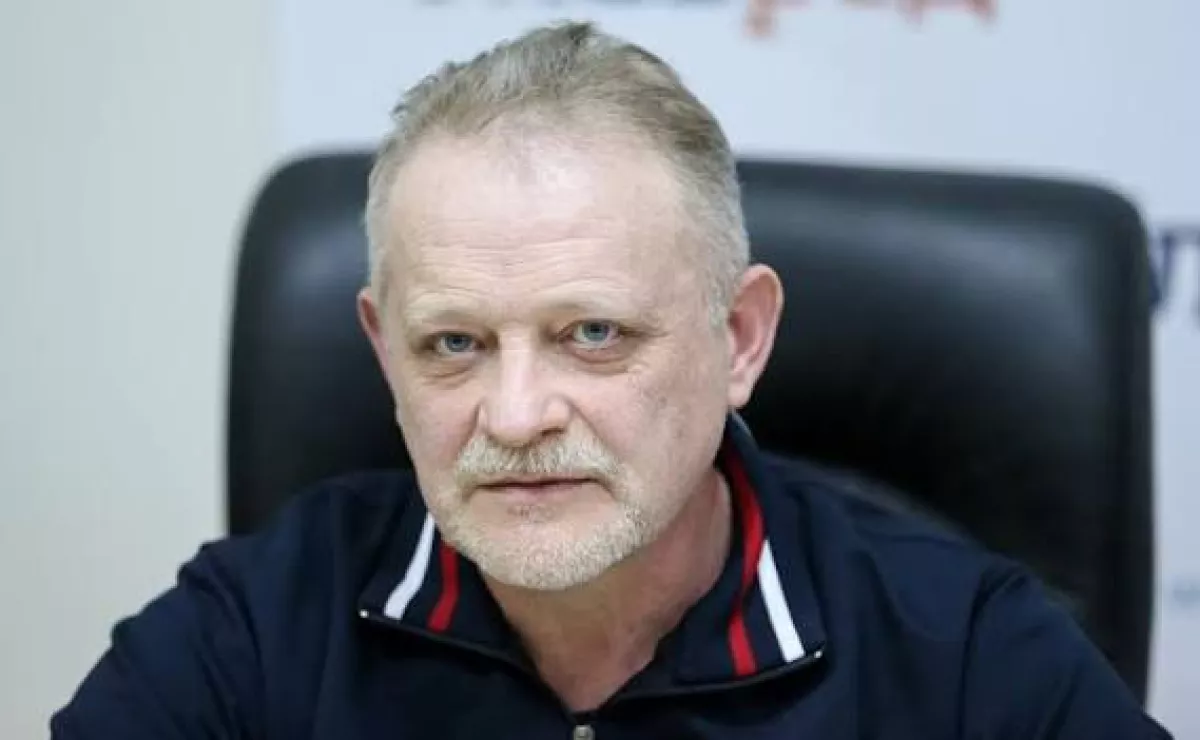
Political strategist and head of the “Third Sector” Analytical Centre Andrei Zolotarev believes that despite the numerous theories surrounding Mykhailo Fedorov’s dismissal, the underlying reasons, as is often the case in politics, are related to power struggles and financial influence.
“Fedorov was one of the few Ukrainian government ministers who worked systematically with political strategists. Over time, his political ambitions became increasingly evident. Those in Bankova Street likely began to see him as a potential rival, which could not have been ignored.
Business figures from his circle began acquiring major online media outlets, such as Babel and Censor.net, which only reinforced the perception that his ambitions extended far beyond the position of a minister.
There are also rumours that the decision on his dismissal had already been coordinated during Ursula von der Leyen’s visit.
Huge sums of money are at stake in drone production, and the struggle for control over these resources is only intensifying the political confrontation. According to available information, Fedorov intended to terminate the contract with the company Helsing, believing its products were not effective enough. At the same time, there are claims that Ursula von der Leyen was lobbying for the company’s interests.
Within the system, Fedorov promoted companies close to him — including Babenko’s ‘Vyriy’ and the business structures of entrepreneur Konotopskyi — which also caused dissatisfaction among many stakeholders,” the expert said.
According to Zolotarev, an image of Fedorov is now being shaped as that of a reformer who lost a battle against the “retrograde and butcher” Syrskyi. However, in his view, this portrayal is far removed from reality.
“Fedorov is a technically competent person, but the nickname ‘Misha 5%’ did not appear by chance. His main advantage over Syrskyi is his strong PR. A complete mutual alienation emerged between the career military officer and the young minister: for Syrskyi, Fedorov is a ‘suit’ who does not understand military specifics, while for Fedorov, Syrskyi represents the old system.
During wartime, such a conflict demoralises the army. Although the Defence Ministry is primarily responsible for administrative matters and resource allocation, public scandals surrounding its leadership inevitably affect the mood among the troops. Fedorov’s latest appearance looked less like a ministerial report and more like the launch of a presidential campaign.
In fact, a potential presidential candidate has emerged on the political scene, backed by circles of grant-funded activists and influential international figures such as Pinchuk, Fiala, Soros, and the Rothschilds. In the eyes of society, an image is being formed of a successful reformer who lost an internal power struggle to the corrupt circle surrounding the president. In this role, Fedorov could become a more dangerous rival for Volodymyr Zelenskyy than Valerii Zaluzhnyi,” Zolotarev believes.
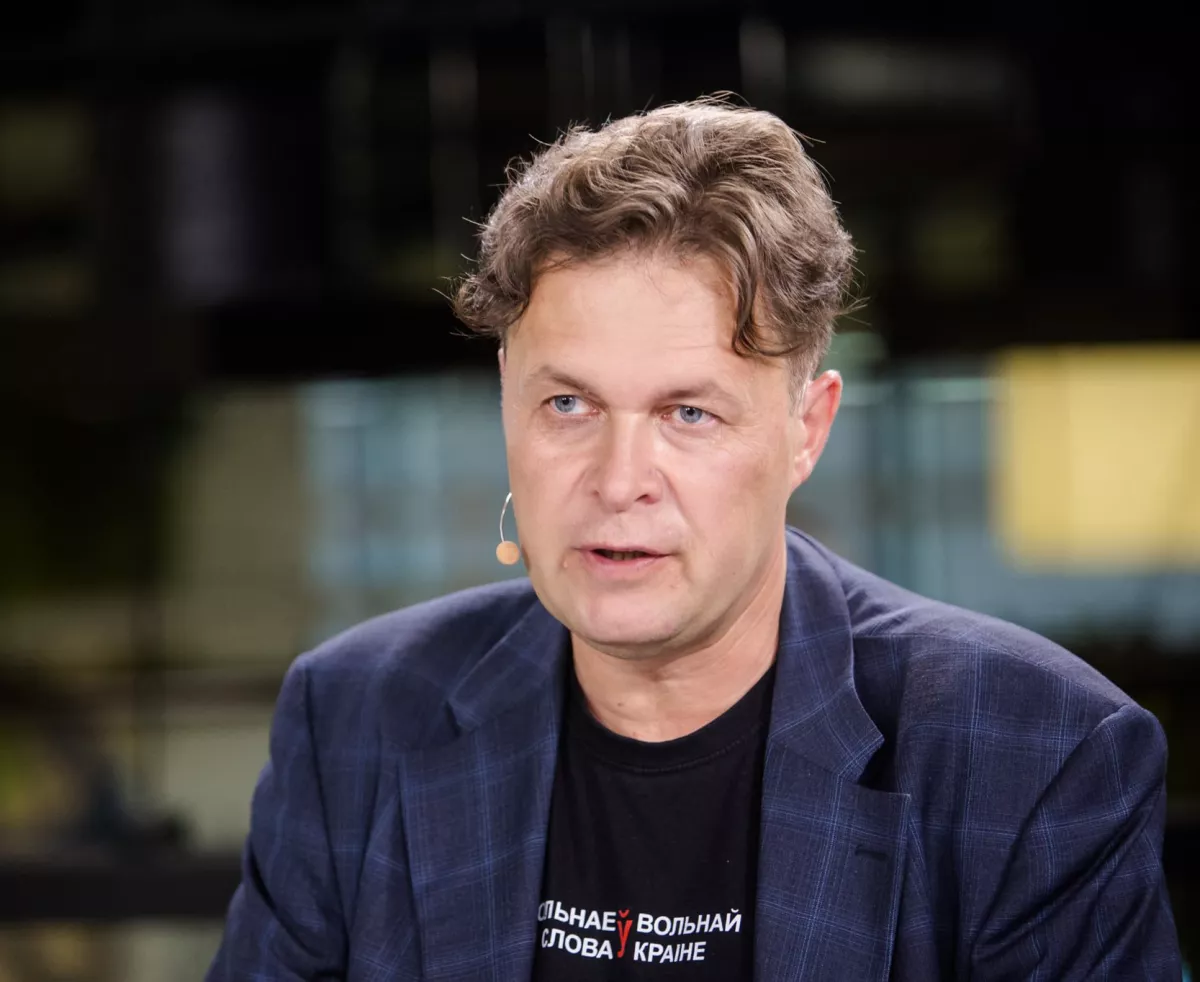
Director of the Kyiv-based Institute of World Policy Yevhen Mahda notes that the appointment and dismissal of the defence minister fall within the exclusive powers of the president.
“Zelenskyy had every right to make such a decision. The other point is that Fedorov was a member of his team, came to power together with him in 2019, and played a significant role in that process. However, over time, Fedorov became a more popular politician than Zelenskyy himself may have wanted, which could have caused dissatisfaction on the part of his long-time political partner.
Unfortunately, Volodymyr Zelenskyy’s personnel decisions do not always appear sufficiently well thought out and do not always serve Ukraine’s interests. At the same time, I do not believe that Fedorov’s dismissal will directly affect the country’s defence capabilities — there are currently no grounds for such conclusions.
For many, Fedorov has become a symbol of reforms and change. I take a more restrained view of him: I believe he has a strong understanding of information technologies, but little beyond that. Therefore, I do not see his dismissal as a tragedy. However, this does not mean that the president can make such decisions without providing proper explanations.
I would like Ukrainian society to receive a clear and convincing explanation of what is happening. For now, government reshuffles continue to be accompanied by a lack of public clarification,” Mahda said.







 editor@caliber.az
 +994 55 444-88-98
 Азербайджан, Баку, ул. Низами, 203, Af Business House, 5-й этаж