










New level of trust: Baku and Berlin reassess priorities Experts on the key outcomes of President Aliyev’s visit to Germany
The recent official visit of Azerbaijani President Ilham Aliyev to the Federal Republic of Germany marked an intensive diplomatic and economic marathon that reshaped the trajectory of cooperation between Baku and Berlin.
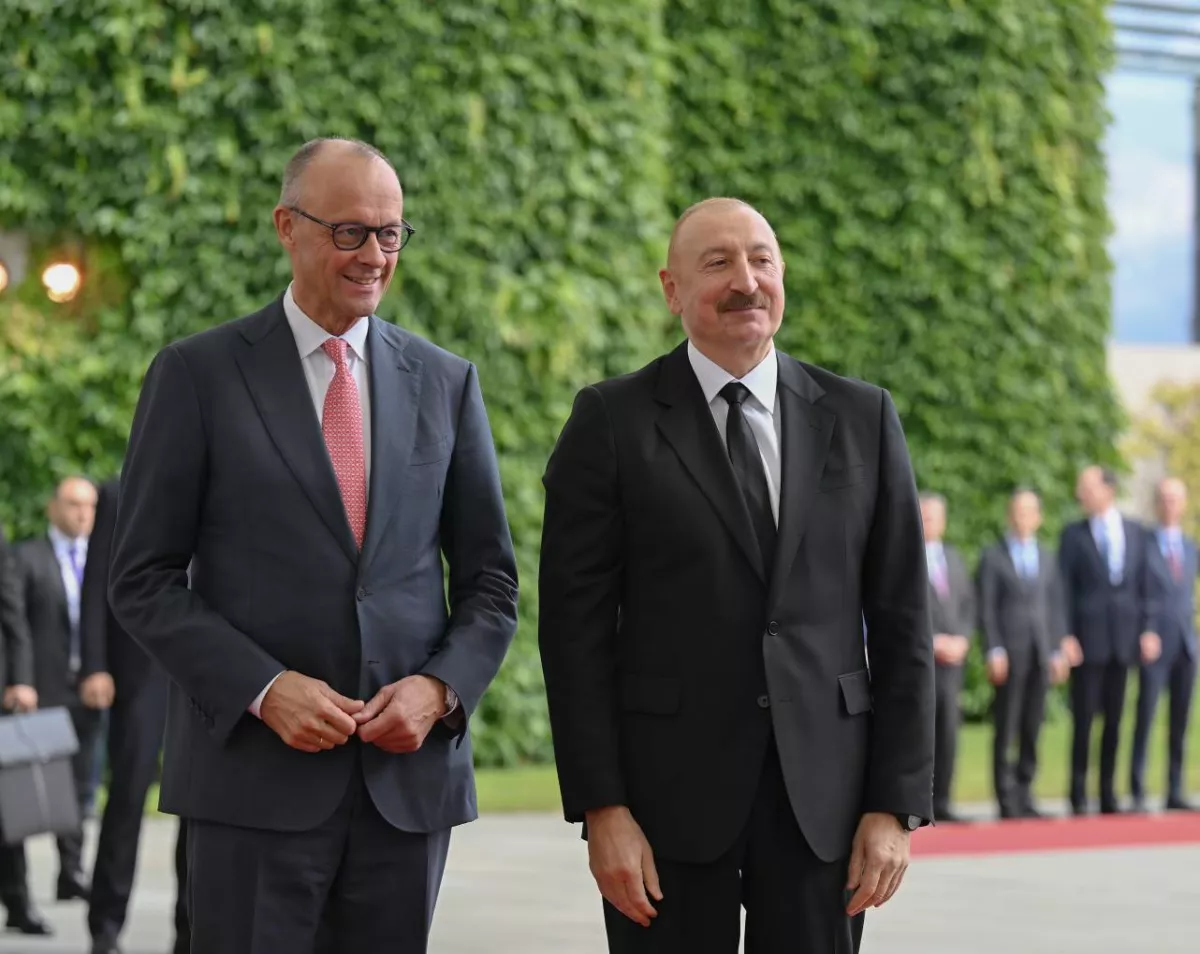
According to experts and media assessments, the principal outcome of the high-profile visit was the formal elevation of bilateral relations to a fundamentally new level—that of a full-fledged strategic partnership, sealed by the signing of a Joint Declaration. During his stay in Berlin, the Azerbaijani head of state also held both one-on-one and expanded-format meetings with Germany's top political leaders. Chancellor Friedrich Merz and President Aliyev discussed the architecture of Europe's energy security, while President Frank-Walter Steinmeier, during talks at Villa Borsig, described both countries as "islands of stability" amid growing global crises.
President Aliyev also complemented the political agenda with extensive engagement with Germany's business community, holding talks with Michael Harms, Chairman of the Eastern Committee of the German Economy. The economic dimension of the visit was further reinforced by the signing of a Joint Declaration on the establishment and operation of the Azerbaijan–Germany Business Council.
How do German analysts assess the outcome of the Azerbaijani president's visit to Germany? Political experts from Germany shared their views with Caliber.Az.
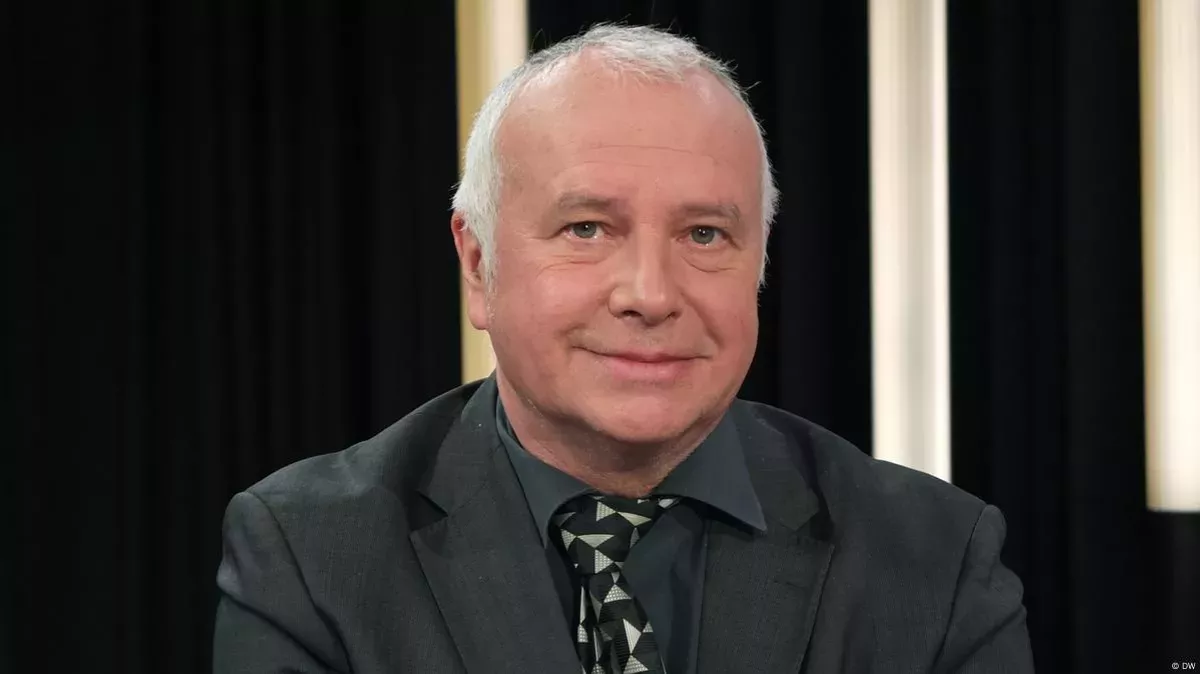
Professor Alexander Rahr of the WeltTrends Institute for International Politics (Potsdam) believes that the most important aspects of President Aliyev’s visit to Germany were related to resolving economic issues.
“Ilham Aliyev confirmed Azerbaijan’s intention to supply Europe as a whole, and Germany in particular, with large volumes of energy resources at a time when sanctions are being imposed on Russia and its capacity to supply gas and oil is significantly decreasing. The Azerbaijani leader reaffirmed his commitment to a strategic partnership with the European Union and expressed interest in cooperation across a wide range of areas, including green technologies, the development of which is a priority for Berlin.
I believe the visit was quite important for both sides because it covered many areas. For example, the meetings with representatives of German business and industry were productive. However, on the other hand, there is always the question of implementing the agreements — namely, how the second, third, and fourth levels of the state hierarchy will work to turn all these projects into reality,” Rahr said.

International affairs expert Yevgeny Kudryats, in turn, stressed that the Azerbaijani President’s visit has clearly elevated relations between Berlin and Baku to a higher level. He noted that the main outcomes of the visit were the signing of the Joint Declaration on the Strategic Agenda for Bilateral Partnership and the document establishing the Azerbaijani-German Business Council.
“For Berlin, Baku is currently significant primarily as an energy partner. Against the backdrop of Europe’s efforts to diversify its gas supply sources, Azerbaijan is becoming one of the key elements of this strategy. Another important point is that the visit also included discussions on investments, transport corridors, and Azerbaijan’s role in the Europe–Central Asia connection, where Germany intends to play a significant role.
I believe this aspect will have considerable potential for the development of Azerbaijan’s transit capabilities and for expanding Baku-Berlin cooperation in the context of the Middle Corridor,” he said.
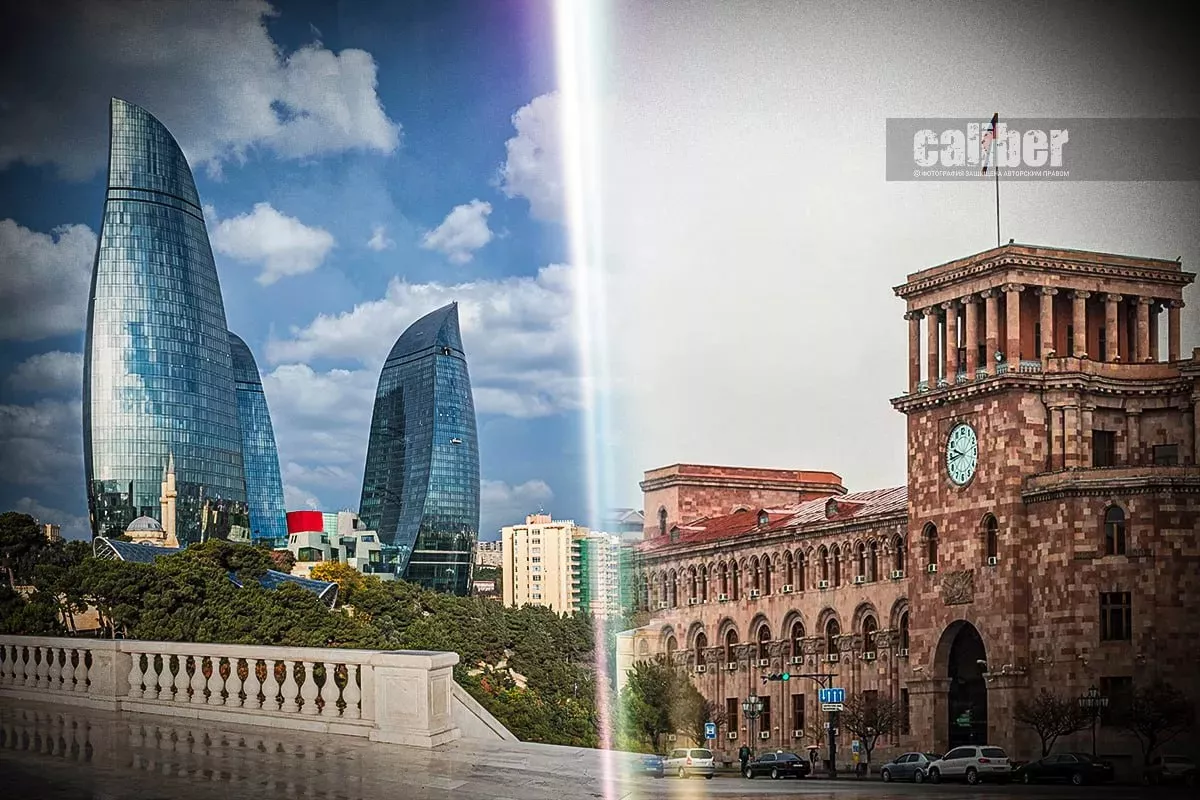
In his view, the visit also had a broader political context. For example, Germany is interested in the stability of the South Caucasus and supports the process of normalising relations between Azerbaijan and Armenia.
“It would be incorrect to claim that all disagreements between Baku and Yerevan have disappeared. However, the normalisation process is continuing and is aimed at resolving the remaining contentious issues rather than escalating tensions. On the contrary, at present, both Azerbaijan and Armenia are working together in this regard, maintaining regular contacts with each other. Berlin recognises this progress and attaches great importance to it.
At the same time, the countries have their own priorities. Berlin has traditionally focused on human rights issues and democratic institutions, while the Azerbaijani state seeks to strengthen its role as an independent regional actor.
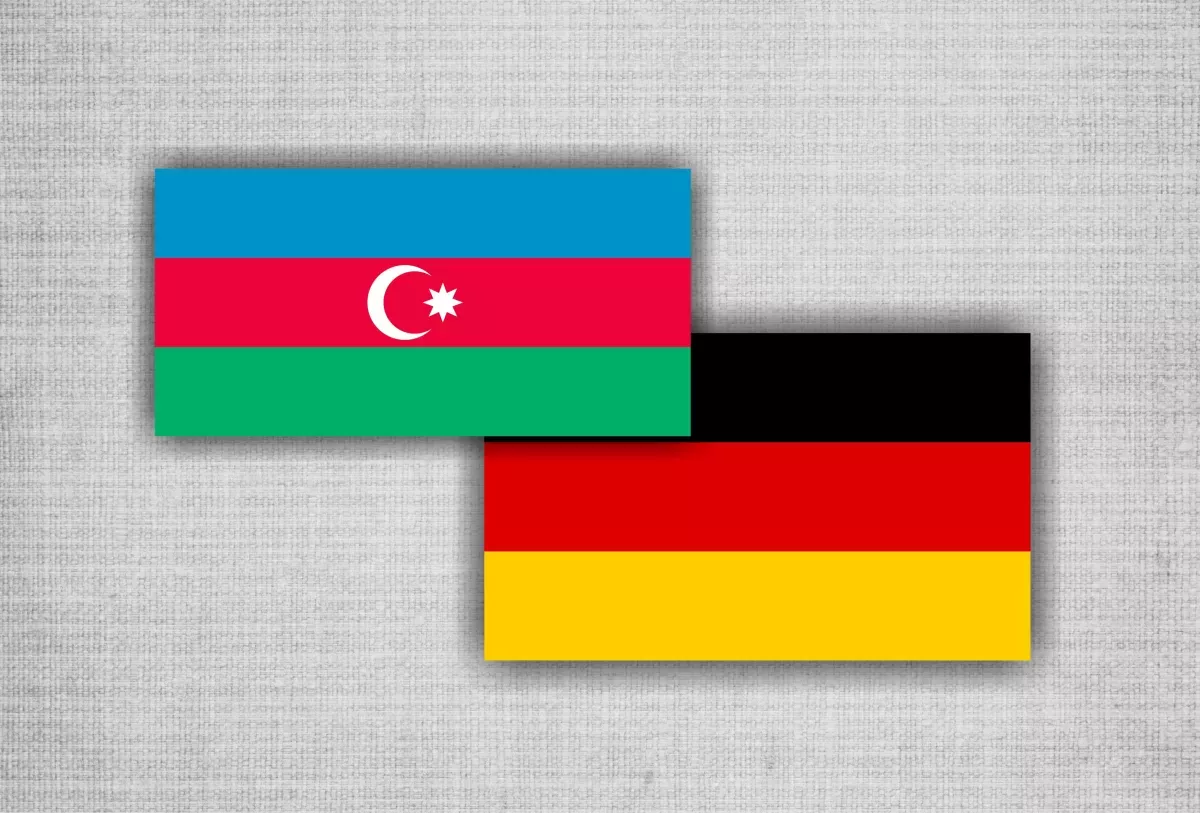
Thus, it can be said that for Germany, the Azerbaijani President’s visit represents progress in addressing a number of foreign policy and economic priorities, including strengthening energy security, increasing Berlin’s influence in the South Caucasus, and expanding economic cooperation with the region’s largest player.
For Azerbaijan, this also represents an important diplomatic achievement. At this stage, the focus is on significantly expanding ties with one of Europe’s largest countries, attracting German investment and technology, and strengthening its position as a key energy supplier to Europe.
Meanwhile, the establishment of the Business Council should facilitate contacts between companies from the two countries. Promising areas of cooperation could include transport, logistics, green energy, investment projects, and the development of trade routes through the South Caucasus.
Germany views the region as a potentially important link between Europe and Asia and could become one of the first European countries to engage in practical, rather than merely declarative, cooperation with Baku in the transit and transport sector. This is because Germany is interested not only in gaining access to energy resources but also in having a predictable partner in the region.
In conclusion, it can be said that President Aliyev’s visit demonstrated that Germany and Azerbaijan are moving from cooperation in individual areas toward a significantly broader framework of partnership. However, the sustainability of these relations will depend on developments in the South Caucasus and on how effectively Baku and Berlin can align their interests in the areas identified and beyond,” Kudryats concluded.







 editor@caliber.az
 +994 55 444-88-98
 Азербайджан, Баку, ул. Низами, 203, Af Business House, 5-й этаж