










Aligning positions amid escalation: key intrigues behind Trump-Netanyahu talks Israeli and American experts on Caliber.Az
The announced visit of Israeli Prime Minister Benjamin Netanyahu to the United States immediately drew the attention of both the global media and the expert community.
US President Donald Trump personally announced the Israeli prime minister’s visit, scheduled for next week, during a White House Correspondents’ Association dinner. A day earlier, Netanyahu’s office also released information about the upcoming meeting between the prime minister and Trump.
Of particular interest in this context is the fact that this will be the first meeting between Netanyahu and Trump since the beginning of the latest escalation in the Middle East. It will also help ease the tense atmosphere surrounding contacts between the leaders of the two countries that persisted throughout July.
So, what will Netanyahu and Trump discuss? Will the Israeli prime minister attempt to raise the issue of launching a more intensive phase of military operations involving Israel, and what other issues will be on the agenda of the meeting? Israeli and American experts shared their views on these topics with Caliber.Az.
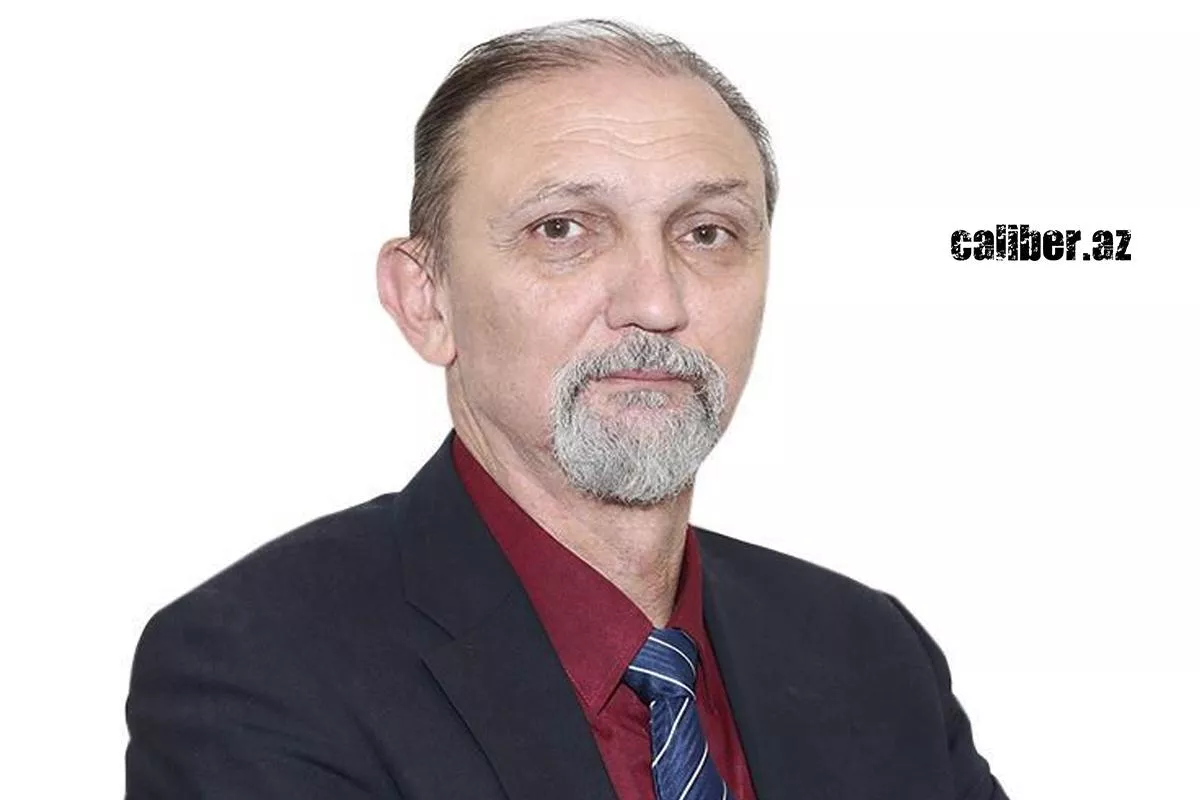
Israeli political analyst and editor of the isiwis.co.il portal Yuri Bocharov noted that statements from both sides and the current situation indicate that the central topics of discussion will be the war with Iran and the future regional security architecture.
“The talks between Benjamin Netanyahu and Donald Trump scheduled for July 28 will essentially be a meeting between two closest allies. However, in substance, this is an important attempt to align positions, as the American and Israeli sides still have differences on a number of issues. Although there is one fundamental point on which the US and Israel have no disagreements: both countries view Iran’s nuclear programme, missile capabilities, and Tehran’s network of regional allies as a threat. However, there are differences in how the United States and Israel envision the ultimate endpoint of the conflict.
For Israel, the desired outcome is the complete elimination of the Iranian threat — namely, the dismantling of nuclear infrastructure, a drastic limitation of ballistic missile production, the weakening of the Islamic Revolutionary Guard Corps, and the destruction of the capabilities of Iranian proxies, primarily Hezbollah, the Houthis, and Tehran-linked armed groups in Iraq and Syria.
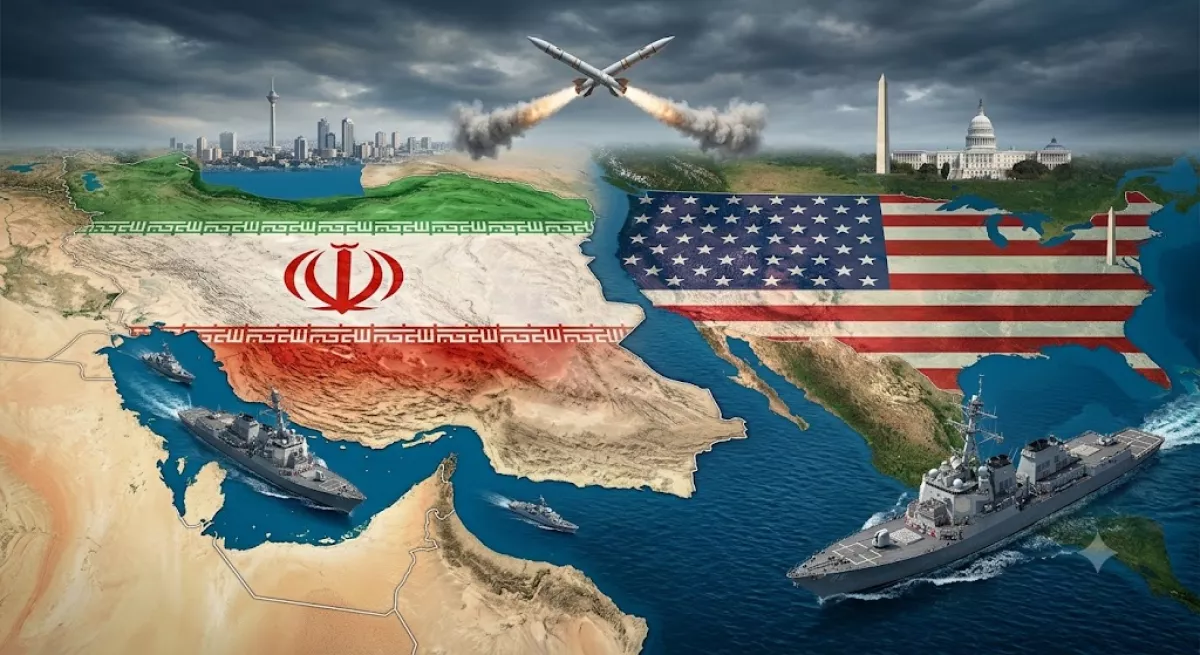
For the Trump administration, such a task appears highly challenging: the United States can inflict serious military damage on Iran, destroy individual facilities, command centres, and infrastructure targets, but completely eliminating the technological system, production base, and political will of the Iranian authorities through a single air campaign is virtually impossible. The latest US strikes have undoubtedly been extensive, but Tehran continues to respond with attacks on US bases and vessels, as well as on the infrastructure of Washington’s allies.
For Trump, this meeting carries significance not only in terms of foreign policy but also domestic politics. Midterm elections to the US Congress will be held in November, making the state of the economy, inflation, gasoline prices, and American voters’ perception of the war particularly important factors. Any further escalation around the Strait of Hormuz, attacks on tankers, or an expansion of the conflict would inevitably lead to higher oil prices, as well as increased transportation and insurance costs.
Thus, the US president finds himself facing a dilemma: the military operation must appear successful, but it must not turn into another years-long Middle Eastern war. Trump needs to demonstrate to his electorate that he can simultaneously punish Iran, ensure the security of maritime navigation, and prevent America from being drawn into a costly ground campaign. This explains his interest in at least an interim agreement or a ceasefire. It cannot be said that the negotiation process has completely stalled — indirect contacts through Qatar, Oman, Pakistan, and other mediation channels are continuing, although the Iranian side disputes some US statements regarding its rejection of certain proposals.
Another problem is that a potential compromise agreement reached by Trump may prove insufficient for Netanyahu. Washington may agree to a partial freeze of Iran’s programme, temporary restrictions, and guarantees for maritime security, but Israel will demand irreversible changes that would prevent the restoration of nuclear and missile capabilities in several years’ time. At the same time, there is no unified position among the Gulf countries either. They are concerned about Iran’s growing influence but are even more fearful of their own territories becoming targets for retaliatory strikes. Therefore, some of Washington’s regional partners advocate tougher pressure on Tehran while simultaneously calling for rapid de-escalation — a stance that causes frustration in both the United States and Israel,” the expert said.

According to him, the second major topic of the talks will be Lebanon and the disarmament of Hezbollah: “Washington is promoting an agreement that envisages the transfer of certain areas in southern Lebanon under the control of the Lebanese army, the gradual withdrawal of Israeli forces, and the disarmament of Hezbollah. Implementation is beginning with so-called pilot zones; however, Hezbollah refuses to disarm, while Israel is unwilling to withdraw without reliable security guarantees.
For Netanyahu, the issue of troop withdrawal is linked not only to security concerns but also to the upcoming elections in the country, scheduled for October 27. If the IDF leaves its current positions and Hezbollah restores its infrastructure and resumes attacks within a few weeks or months, responsibility will fall directly on the prime minister. His opponents will argue that he yielded to American pressure and once again exposed Israel’s northern areas to risks.
Therefore, Netanyahu cannot return from Washington with an agreement that would appear to be a unilateral concession. He needs to secure from Trump either guarantees of continued pressure on Iran, expanded arms supplies, or approval for maintaining Israeli positions in Lebanon until Hezbollah is disarmed.
Thus, the upcoming meeting is unlikely to produce a final solution to either the Iranian or Lebanese issues. Most likely, the sides will seek to establish timelines and rules for further action. The outcome could be a system of temporary compromises: Israel would agree not to expand certain operations without prior coordination, the United States would continue military and economic pressure on Iran, and Lebanon could see a limited withdrawal of Israeli forces — but only from areas where the Lebanese army can genuinely replace Hezbollah structures.”

Meanwhile, American journalist and political analyst Andrey Becker noted that there are not many forecasts regarding the likely direction of the upcoming Netanyahu-Trump meeting, as the situation in the Middle East remains highly ambiguous.
“On the one hand, Israel is concerned about how quickly Tehran is restoring its capabilities. This applies to the entire infrastructure — roads, bridges, and missile launch sites. Israeli intelligence has prepared a major report containing an archive of photo and video footage of Iranian territory, while military officials are increasingly arguing that, given Iran’s high threshold for resilience, the strikes need to be intensified. This view will most likely be present at the Netanyahu-Trump meeting.
At the same time, military experts from both countries point out that air strikes against Iran, regardless of how frequent they are, are not producing the desired effect, including from a political perspective. Meanwhile, opposition to the Iranian campaign is growing inside the United States with each passing day. For example, Congress has blocked a proposal to allocate additional funding for the war. Given this combination of factors, the conversation between the leaders of the two countries is unlikely to be straightforward,” he said.
The political analyst also noted that the situations in Gaza and Lebanon cannot be overlooked either, as both have accumulated a number of unresolved issues: “The disarmament of Hamas remains a challenge despite the organisation’s statements that it is ready to begin this process, while the peace settlement agreement signed by Israel and Lebanon is currently being implemented in an extremely tense environment that has every chance of developing into a new escalation.
It is precisely in light of all the above factors that the parties are in no hurry to make detailed predictions about the upcoming topics of the Trump-Netanyahu meeting or to determine their priorities. Nevertheless, one thing can be said with confidence: the United States and Israel are allies that know how to negotiate effectively and find compromises in the most difficult situations, despite being located in different parts of the world and operating within different geopolitical environments. Therefore, the talks will undoubtedly result in a productive alignment of positions.”







 editor@caliber.az
 +994 55 444-88-98
 Азербайджан, Баку, ул. Низами, 203, Af Business House, 5-й этаж