










Yekaterinburg message: Is Pashinyan shifting Armenia's foreign policy direction? Foreign experts on Caliber.Az
Against the backdrop of the sharp deterioration in Armenian-Russian relations, Armenian Prime Minister Nikol Pashinyan’s trip to Yekaterinburg to participate in the international industrial exhibition Innoprom 2026 has sparked mixed reactions among the Armenian public, the media, and the expert and analytical community alike.
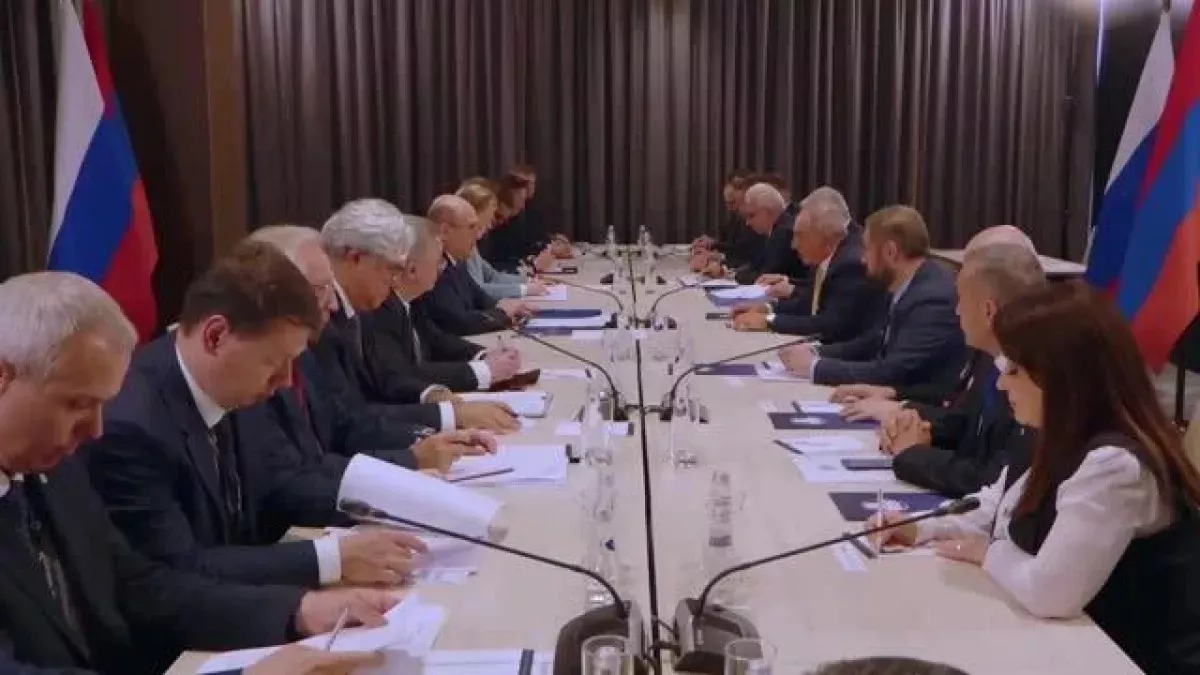
In particular, Pashinyan’s remarks during his meeting with Russian Prime Minister Mikhail Mishustin, emphasising the importance of cooperation with Russia, have reinforced the view that Armenia’s political ship has once again set its course toward Moscow, and that the prime minister has decided—whether out of necessity or by choice—not to rush the country’s integration with the West.
On July 9, however, Pashinyan himself stated that his conversation with the Russian prime minister in Yekaterinburg had been open, candid, and friendly, including on the issue of the Eurasian Economic Union (EAEU). He added that the two sides had reached "a number of agreements," though he declined to disclose any details.
So, what exactly lies behind the Armenian leader’s latest moves? Is it an attempt to establish a new framework for relations with Moscow, even at the cost of sacrificing agreements with the European Union to satisfy the Kremlin’s demands? Or are they instead a tactical manoeuvre aimed at preventing Armenia’s economic ties with Russia—which have already been severely affected by Russia’s recent sanctions—from collapsing altogether?
Experts from Armenia and Russia shared their views on these developments with Caliber.Az.
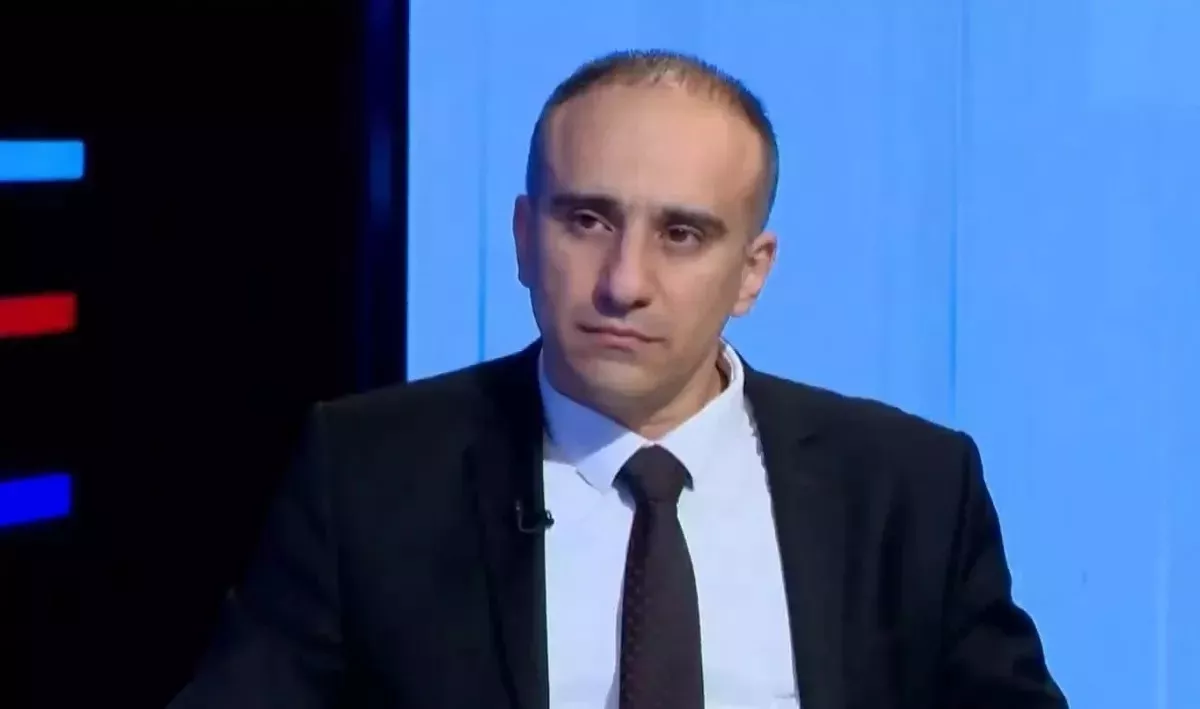
According to Robert Ghevondyan, a political scientist and expert at the Armenian Council research centre, there is undoubtedly a certain degree of pressure from Moscow on Yerevan. However, he believes there is nothing surprising about the Armenian prime minister’s visit to Yekaterinburg or his remarks that relations between Armenia and Russia should remain friendly and continue to develop. In Ghevondyan’s view, these steps are most likely elements of Pashinyan’s foreign policy strategy based on diversification.
“Against this backdrop, it can be said that the Armenian side is currently focused on preventing any further deterioration in its ties with Russia and on ensuring that the two countries find common ground on all outstanding issues, including those where relations have gone beyond the bounds of normal dialogue and escalated significantly. We very much hope that all the negative actions taken by Moscow in the run-up to Armenia’s parliamentary elections are now a thing of the past. Time will tell how the Russian side responds, but the prevailing sentiment in Armenia today is clear: Yerevan is committed to dialogue and cooperation and expects Russia to adopt the same approach,” Ghevondyan said.
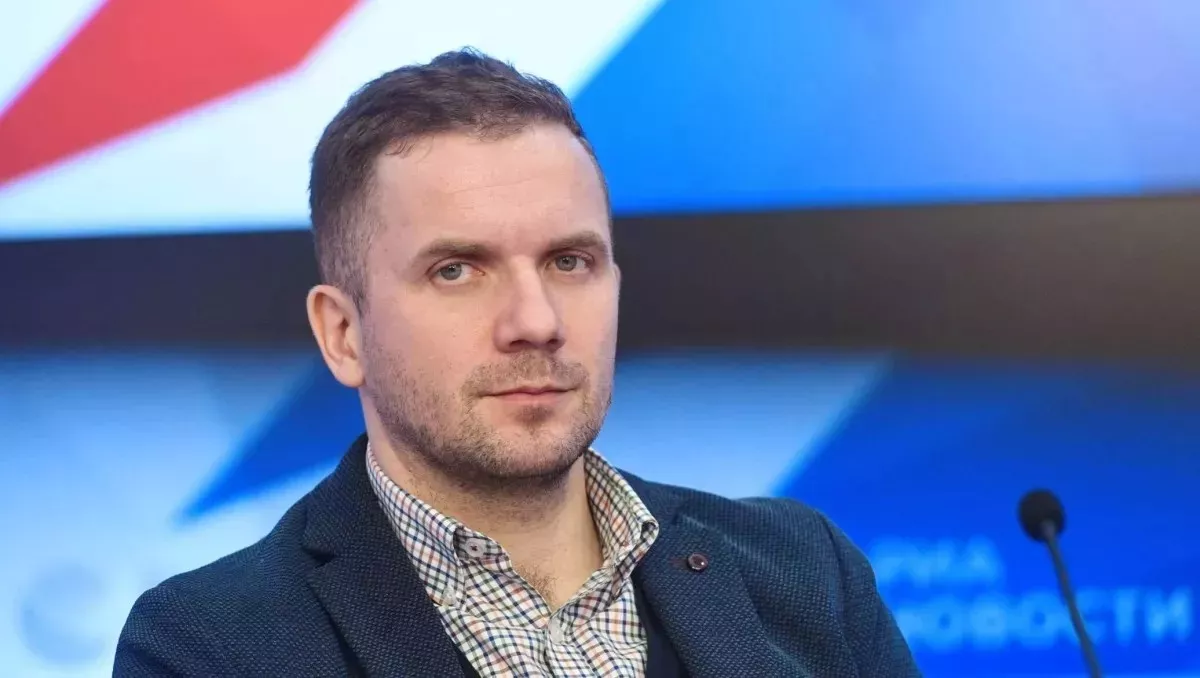
Meanwhile, Stanislav Pritchin, Head of the Central Asia Sector at the Institute of World Economy and International Relations of the Russian Academy of Sciences, argues that it is still premature to speak of a full normalisation of relations between Russia and Armenia.
“Despite some positive signals, a high degree of uncertainty continues to characterise relations between Russia and Armenia. Yes, Nikol Pashinyan travelled to Yekaterinburg to attend the Innoprom international industrial exhibition. However, it is important to understand that this was not a visit to Moscow, and he did not meet with Vladimir Putin but with Mikhail Mishustin, whose primary responsibility is the economic sphere. Therefore, this trip in itself cannot be regarded as clear evidence of the restoration of a full-fledged political dialogue between Moscow and Yerevan.
At the same time, Armenia’s rhetoric toward the European Union remains unchanged, as do its grievances against the Russian Federation. In particular, discussions continue over revising the concession agreement with Russian Railways (RZD) on the management of Armenia’s railway network. Yerevan also maintains an active dialogue with Brussels, while the European track continues to be presented by the Armenian leadership as one of its key foreign policy priorities. In other words, we have not seen any revision of this course following the elections,” the expert noted.
In his view, the key issues remain high-level political contacts and the willingness of both sides to resolve their existing disagreements.
“Russia has also not lifted the restrictive economic measures it introduced before the elections amid Yerevan’s anti-Russian rhetoric and its drive to deepen ties with the European Union. Consequently, until a meeting takes place between Vladimir Putin and Nikol Pashinyan, it is difficult to speak of a return to a full-fledged political dialogue between the two countries. Overall, as long as Armenia continues seeking to revise key aspects of bilateral cooperation, it will be difficult to argue that Russian-Armenian relations have truly normalised,” Pritchin concluded.







 editor@caliber.az
 +994 55 444-88-98
 Азербайджан, Баку, ул. Низами, 203, Af Business House, 5-й этаж