










Yerevan–Moscow: fresh start or political move by Pashinyan? Russian, Armenian experts on Caliber.Az
The Russia-Armenia track has been marked by a string of new developments that, to some extent, suggest that Moscow and Yerevan, after a period of diplomatic sparring and Russia’s imposition of restrictions on Armenian imports, have returned to a course of developing economic and diplomatic ties.
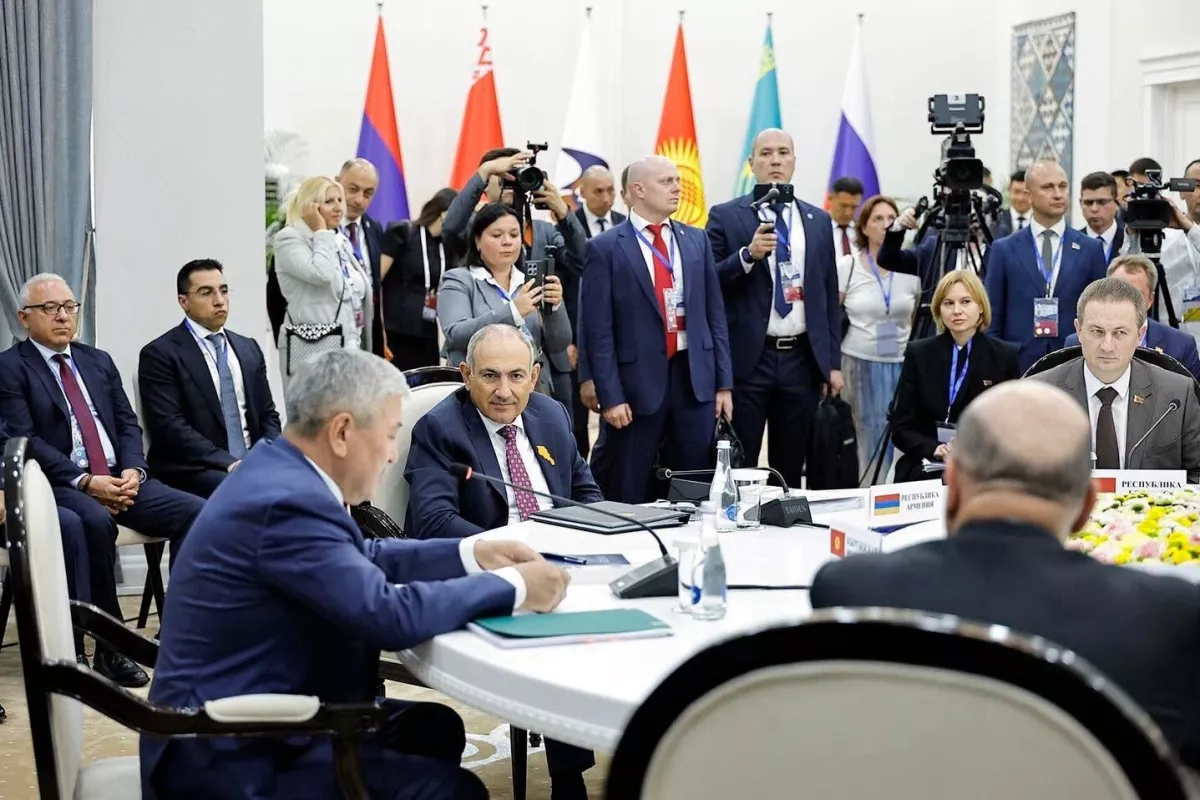
Despite all the unpleasant moments, Prime Minister Nikol Pashinyan took part in the expanded meeting of the Eurasian Intergovernmental Council in Cholpon-Ata, Kyrgyzstan, where he stated that Armenia consistently supports adherence to the principles of the Eurasian Economic Union (EAEU).
“Strengthening cooperation with the EAEU member states remains one of Armenia’s foreign policy and foreign economic priorities. This approach will also be reflected in the programme of Armenia’s new government, which I have been entrusted to lead,” he said, adding that the country’s membership in the European Union remains a very distant prospect.
Meanwhile, it was previously reported that Yerevan and Moscow are continuing discussions on opening a Russian consulate general in Kapan and an Armenian consular office in North Ossetia.
Bagir Mamiev, head of the Russian Foreign Ministry’s representative office in Vladikavkaz, said that “the issue [of opening an Armenian consular office in Vladikavkaz — ed.], as well as the issue of opening a Russian consulate general in Kapan, remains on the bilateral agenda, but it would be premature to speak of any specific timeline.”
Bagir Mamiev, head of the Russian Foreign Ministry’s representative office in Vladikavkaz, said the issue of opening an Armenian consular office in Vladikavkaz, as well as a Russian consulate general in Kapan, remains on the bilateral agenda, but added that it would be premature to set any specific timeline.
So, what is really happening in Russia-Armenia relations today — is this a genuine, comprehensive reset, or simply another political move by Pashinyan aimed at maintaining ties with both the EU and Russia? At the same time, is Moscow prepared to embrace the Armenian prime minister’s renewed efforts and lift its trade restrictions on Armenian goods? Armenian and Russian experts provide their views on these questions for Caliber.Az.
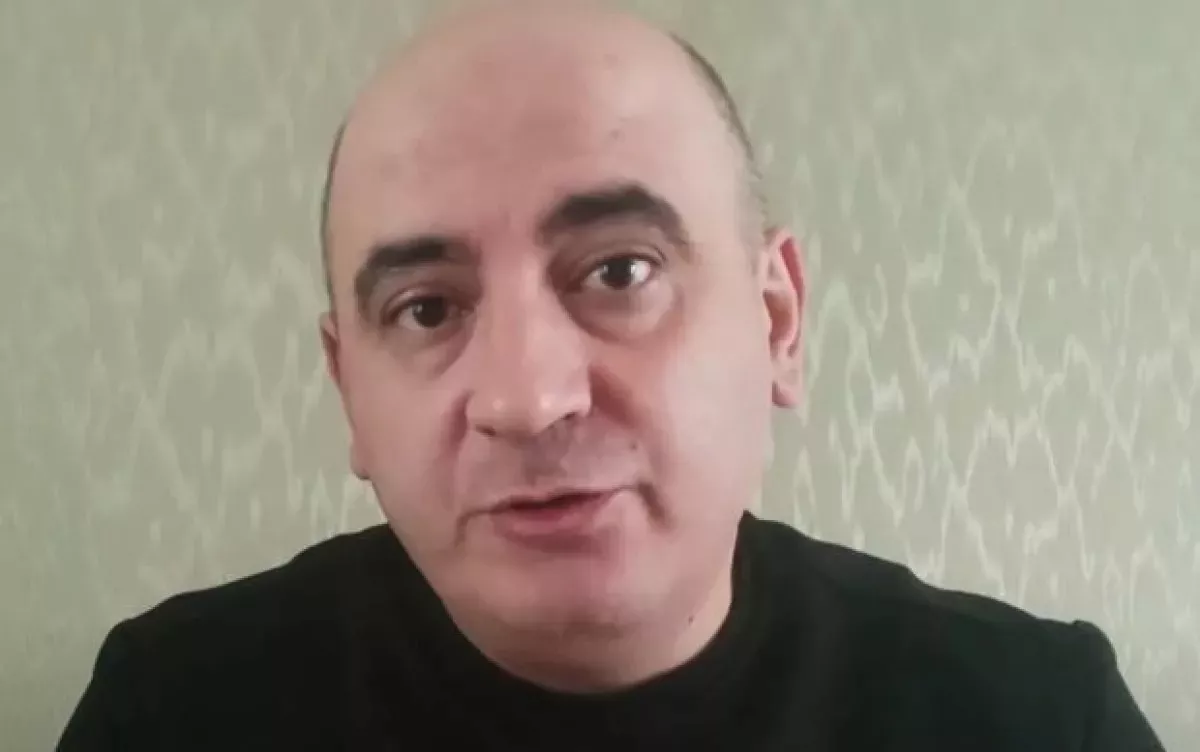
Armenian analyst and commentator Ishkhan Verdyan said that the current state of Russia-Armenia relations is complex and multifaceted, and that the situation needs to be viewed as a whole to fully comprehend what is happening.
“Apparently, the starting point of the confrontation in Russia-Armenia relations was Pashinyan’s unwillingness to continue pursuing the ‘Karabakh agenda.’ As the prime minister steadily moved toward normalising relations with Baku, Russian rhetoric became increasingly harsh.
However, for a long time, the tensions did not go beyond strong statements, as Russia was aware that it still retained significant and, in many respects, decisive economic influence over Armenia.
Relations deteriorated further after Yerevan began shifting toward the European Union, as well as after the prime minister said that Armenia would make its own decision when the time came to choose between the EU and the EAEU. Moscow was unhappy with this position, which prompted it to begin using economic leverage.
The situation deteriorated further in the run-up to the June parliamentary elections. Having concluded that Pashinyan was firmly committed to his chosen course, the Russian side stepped up economic pressure, introducing a growing number of restrictions on Armenian exports and making clear that it would not allow Armenia to join the European Union.
Given that Moscow has already set this process in motion, it is unlikely to stop where it is. We should therefore expect further economic pressure, and at some point Armenia could find itself facing a situation in which a significant share of its exports loses its main market.
The European Union and other countries could, in theory, absorb some of Armenia’s exports, but it seems unlikely that they would be able to fully compensate for the volume traditionally shipped to Russia, which remains Yerevan’s main trade and economic partner to this day.
The situation is even more serious when it comes to Russian imports to Armenia, as these include natural gas, grain, sugar, vegetable oil and other essential goods, without which the normal functioning of the economy and the supply of the population would be put at risk,” he said.
According to the expert, Yerevan is making every effort to demonstrate that it supports strengthening the EAEU as an institution, maintains good relations with all its partners, including Russia, and has no intention of turning away from Moscow. However, this argument does not satisfy the Russian side.
“The European Union is a red line for Russia, one that cannot be crossed. If Yerevan crosses that line, Armenia could automatically find itself classified as an undesirable or even hostile state, with all the consequences that would entail.
This is probably the process we are witnessing today. Yerevan is trying to maintain good relations with Russia, but Moscow, judging by its actions, does not appear willing to allow this in the current format, as it is guided by its own strategic interests, through which it views both Armenia and the South Caucasus as a whole.
Therefore, the issue is far more fundamental, and Russia is using all the tools at its disposal to address it, including political forces within Armenia itself. It is no secret that part of the Armenian opposition is aligned with Russia and actively opposes the normalisation of relations with Azerbaijan, maintains a hostile rhetoric toward Türkiye, and often relies on nationalist narratives. This also fits into the broader logic of Russian policy in the region.
In other words, Russia is trying to bring Armenia back into its sphere of influence, but comprehensively and systematically. Since that sphere is, in a sense, a closed space, the issue ultimately comes down to Armenia’s sovereignty.
If Yerevan is determined to achieve the greatest possible degree of sovereignty, its authorities will likely have to withstand economic pressure. But this raises the question: ‘Will the country be able to get through this period without suffering serious losses?’
Therefore, I believe the situation is unlikely to improve in the near future, even if Armenia completely abandons its European integration ambitions, because much broader geopolitical objectives are at stake here than the fate of one small country,” Verdyan said.
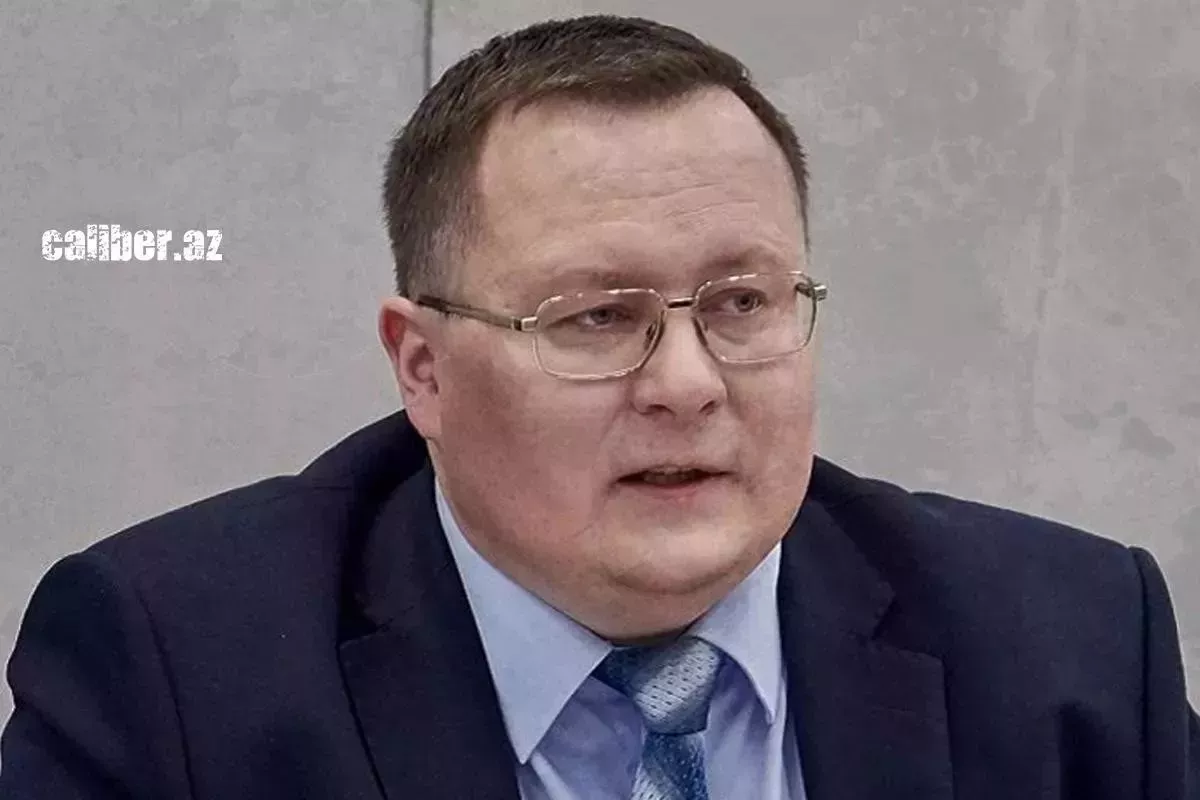
Meanwhile, Russian Eurasian affairs pundit, analyst and economist Alexander Razuvaev believes that as long as the war in Ukraine continues, Russia is interested in maintaining the most stable and comfortable relations possible along its borders.
“Russia does not share a land border with Armenia, but there is a large Armenian diaspora in Russia. I believe Moscow will therefore seek to mend ties with Yerevan on mutually acceptable terms and, judging by the current situation, is not opposed to Armenia’s efforts to move closer to Russia. This means the restrictions imposed on Armenia could eventually be lifted.
At the same time, leaving the Eurasian Economic Union would offer Armenia few benefits. Losing access to the Russian market would be a serious blow to its economy, and Yerevan appears to have recognised this and is now seeking to improve relations with Moscow.
That said, Armenia is not Russia’s top priority at the moment. Ukraine is far more important, as are relations with key trading partners such as China, India and Türkiye. In addition, I believe the Armenian lobby in Moscow has become less influential,” Razuvaev concluded.







 editor@caliber.az
 +994 55 444-88-98
 Азербайджан, Баку, ул. Низами, 203, Af Business House, 5-й этаж