










Why the US is betting big on Azerbaijan? AZERBAIJANI, FOREIGN PUNDITS SHARE THEIR INSIGHTS WITH CALIBER.AZ
The August 8 telephone conversation between Azerbaijani President Ilham Aliyev and US President Donald Trump served as a striking testament to a new era in Baku–Washington relations — a shift underlined by the fact that the call was initiated by the American side.
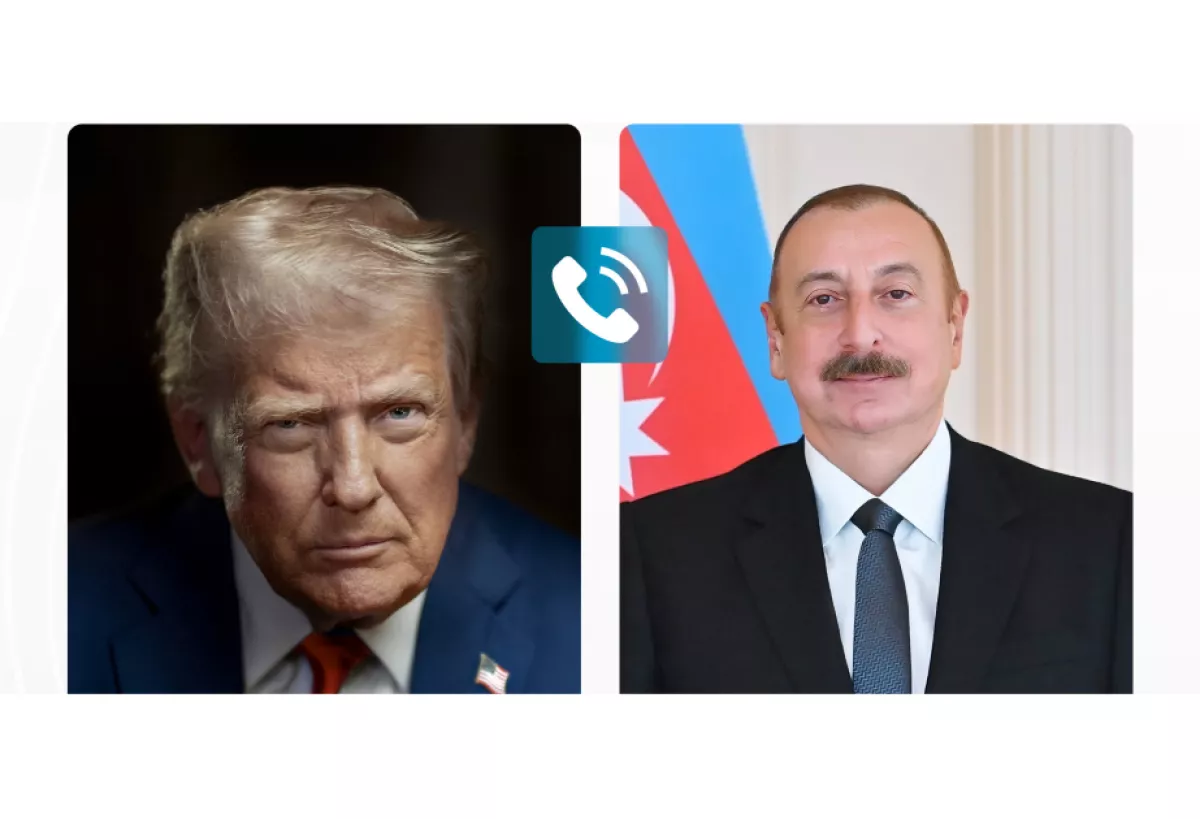
During the exchange, the two leaders reviewed the developments since the Washington Summit, assessed the ongoing Armenia–Azerbaijan peace process, discussed the implementation of the TRIPP project, and mapped out the future of the US–Azerbaijan strategic partnership. Both presidents spoke favourably of Azerbaijan’s export of refined petroleum products to Armenia and the transit of international cargo through Azerbaijani territory. Notably, they highlighted that peace and stability have endured in the region over the past year, with no incidents disrupting the peace process.
How does the international analytical community view the current state of US–Azerbaijani relations? Experts from Azerbaijan and the United States shared their insights with Caliber.Az.
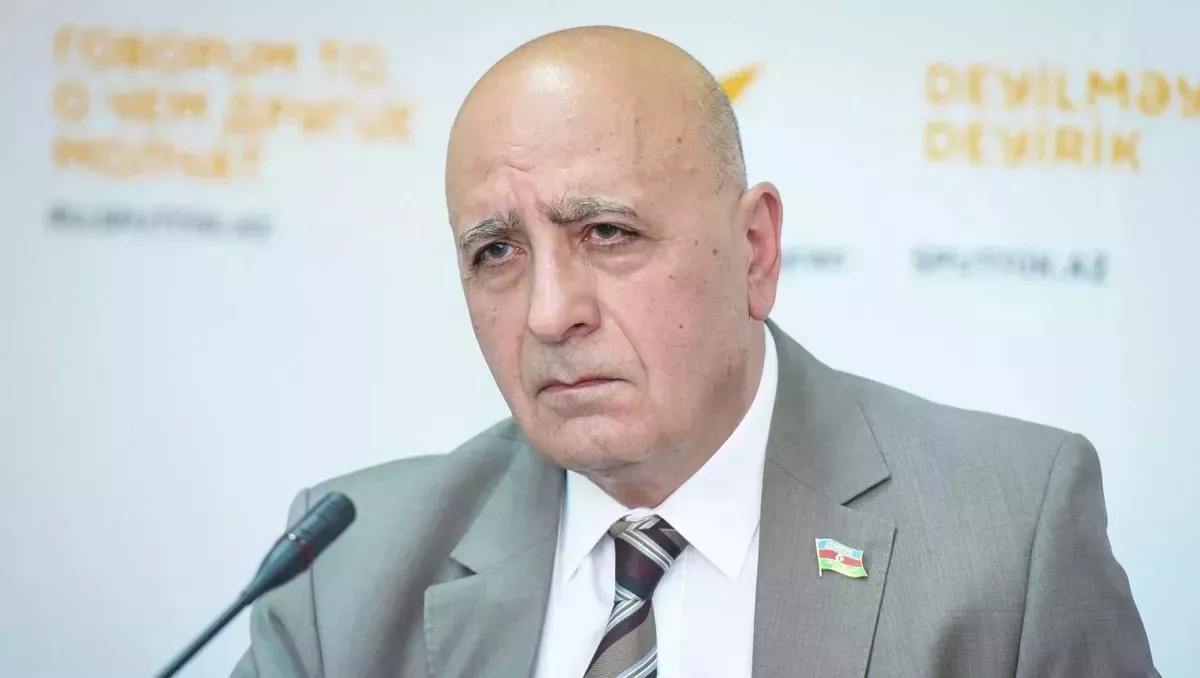
Rasim Musabayov, Member of the Milli Majlis and political analyst, notes that a year after the signing of the Washington Declaration, the trajectory of Azerbaijan–US relations has shifted decisively into positive territory, with ties between the two nations continuing on a clear upward trend.
"As is well known, President Trump also held a phone call with Nikol Pashinyan on August 8, which I view as a natural progression. One of the US President's clear diplomatic achievements was the Washington Summit, where the Agreement on the Establishment of Peace and Inter-State Relations between Azerbaijan and Armenia was initialled, and a trilateral Declaration was signed to solidify these agreements," the MP said.
Pointing to the broader strategic implications of the summit, Musabayov highlighted Washington’s direct involvement in regional infrastructure as a key turning point.
"Equally significant is that the US side assumed the mission of establishing a transport corridor connecting mainland Azerbaijan with the Nakhchivan Autonomous Republic through Armenian territory under the TRIPP project. All of this serves as a clear indicator of how much Azerbaijan – US relations have improved — a shift that becomes even starker when compared to the situation under Joe Biden and his Democratic administration."
Reflecting on the contrast with the previous US administration, the analyst sharply criticised the approach taken by the Biden White House and the State Department:
"Back then, driven by the State Department, we saw congressional hearings organised almost monthly alongside various anti-Azerbaijani resolutions. Meanwhile, the negotiation process initiated by Secretary of State Antony Blinken felt more like a show designed to impose unacceptable terms on Azerbaijan."
"Today, we see a fundamentally different approach, backed by Donald Trump's respectful attitude toward the Azerbaijani President — the US President has characterised Ilham Aliyev as a highly successful leader. Further proof of this special stance is Trump's decision to waive Section 907, accompanied by an official statement expressing respect for President Aliyev, as well as an official invitation for Azerbaijan to attend the upcoming G20 Leaders' Summit. Summing all this up, I reiterate that ties between Baku and Washington continue to develop on an upward trajectory," he noted.
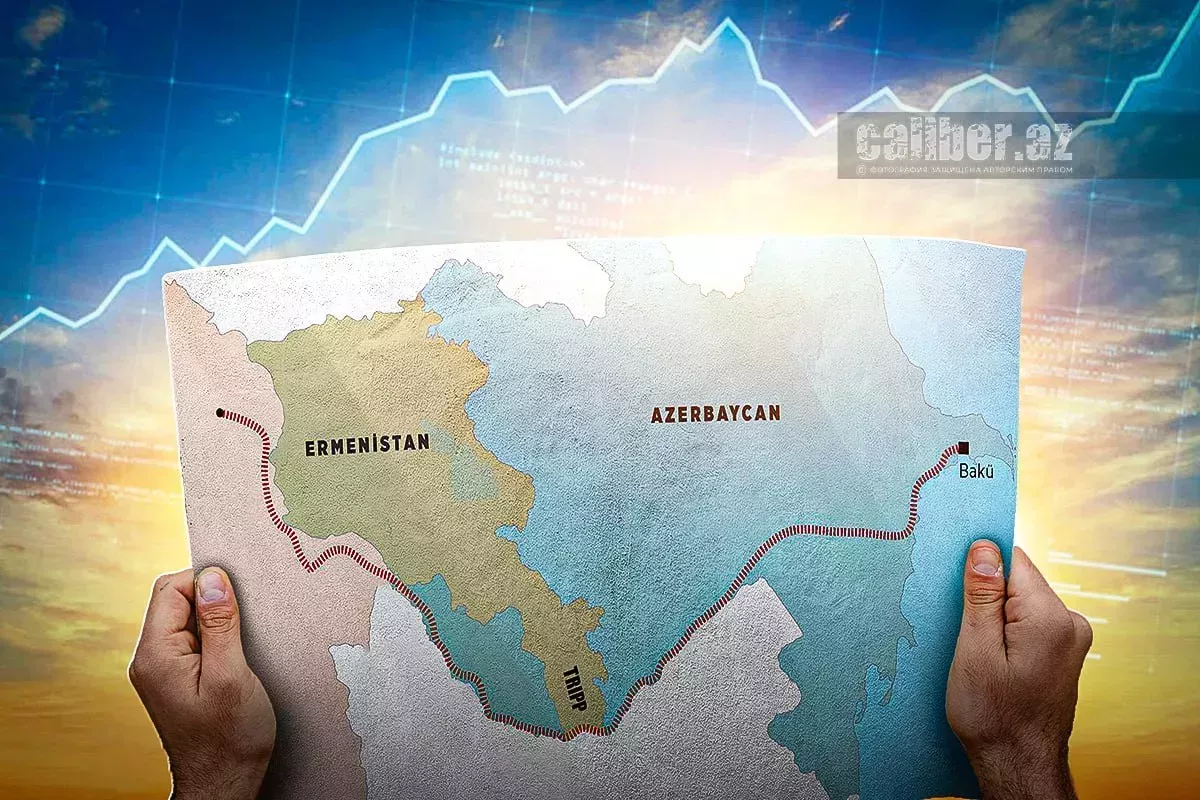
Turning to the TRIPP initiative, the political analyst dismissed claims that implementation of the project has stalled:
"I believe Washington is invested in launching this route as swiftly as possible—a commitment underscored by Secretary of State Marco Rubio’s visit in May, during which a document initiating the TRIPP project was signed. Furthermore, a dedicated administrative framework has already been established and its head appointed."
Highlighting the strategic calculus behind the initiative, Musabayov emphasised that Washington views the route through a much broader geopolitical lens.
"On the whole, I do not believe the United States regards this purely as a local endeavour. They view it as an integral component of the Middle Corridor, which will facilitate the transit of critical resources from Central Asia—most notably uranium and rare earth minerals. There is also a clear geopolitical dimension: US engagement lends resilience to the project amidst potential objections from Russia and Iran. Following the ratification of the strategic cooperation agreement on TRIPP by the Armenian parliament, work on the ground will commence — including the construction of the railway and other essential infrastructure required to link the 'Trump Route' with the Azerbaijani section," the expert concluded.

Meanwhile, American journalist and political analyst Andrei Becker believes the United States has firmly moved past its period of stagnation in the South Caucasus and defined its strategic priorities.
"Baku waited a long time for Washington to clear its vision, step away from its one-sided support for Yerevan, and make the right decision—to partner with a state that is genuinely committed to developing the South Caucasus and can offer the US substantial benefits through such cooperation. With the arrival of Donald Trump’s administration at the White House, mature pragmatism and consistency have prevailed. The US President reached the correct conclusions, realising that the soundest political investment is not to stoke rivalries by playing Yerevan against Baku for short-term gain — a favoured tactic of the Democrats — but to bring the positions of two countries standing on the threshold of peace closer together. As a result, Azerbaijan–US ties are currently at the peak of their development and, most importantly, hold significant prospects for the future," the pundit pointed out.
"Azerbaijan has managed to resolve an almost impossible task—rebooting relations with the planet’s most complex and contradictory political heavyweights and turning Washington into a reliable partner. Baku executed this with exceptional political timing. Today, even under the most pessimistic scenario — should a new Democratic administration succeed Trump — dialogue and cooperation between the US and Azerbaijan will not suffer qualitative damage. Azerbaijan is already a vital partner in a deal where Washington holds a deep strategic interest."
Turning to the long-term economic and geopolitical incentives for the United States, the analyst pointed to regional transit architecture as a core anchor of this partnership:
"This is precisely what makes the situation unique. Today, the American side simply needs to build upon the foundations already laid — chiefly the TRIPP initiative, which upon completion will yield substantial economic and political dividends for the United States. That is why Donald Trump initiated the call to Ilham Aliyev: he recognises the immense advantages. In many ways, partnering with Azerbaijan represents a strategic jackpot for the US in the South Caucasus. Given these developments, I believe all the prerequisites are in place for the full repeal of Section 907. Azerbaijan has effectively attained the status of a strategic partner to the US, and both nations stand before incredible prospects for mutually beneficial economic relations and a formal political alliance."







 editor@caliber.az
 +994 55 444-88-98
 Азербайджан, Баку, ул. Низами, 203, Af Business House, 5-й этаж