










Why is Trump holding back from war with Cuba? Foreign experts on Caliber.Az
The United States is putting the option of military force against Cuba on the back burner and instead plans to use economic pressure to create divisions within the Cuban leadership and create an opening for negotiations, people familiar with the talks tell Bloomberg.
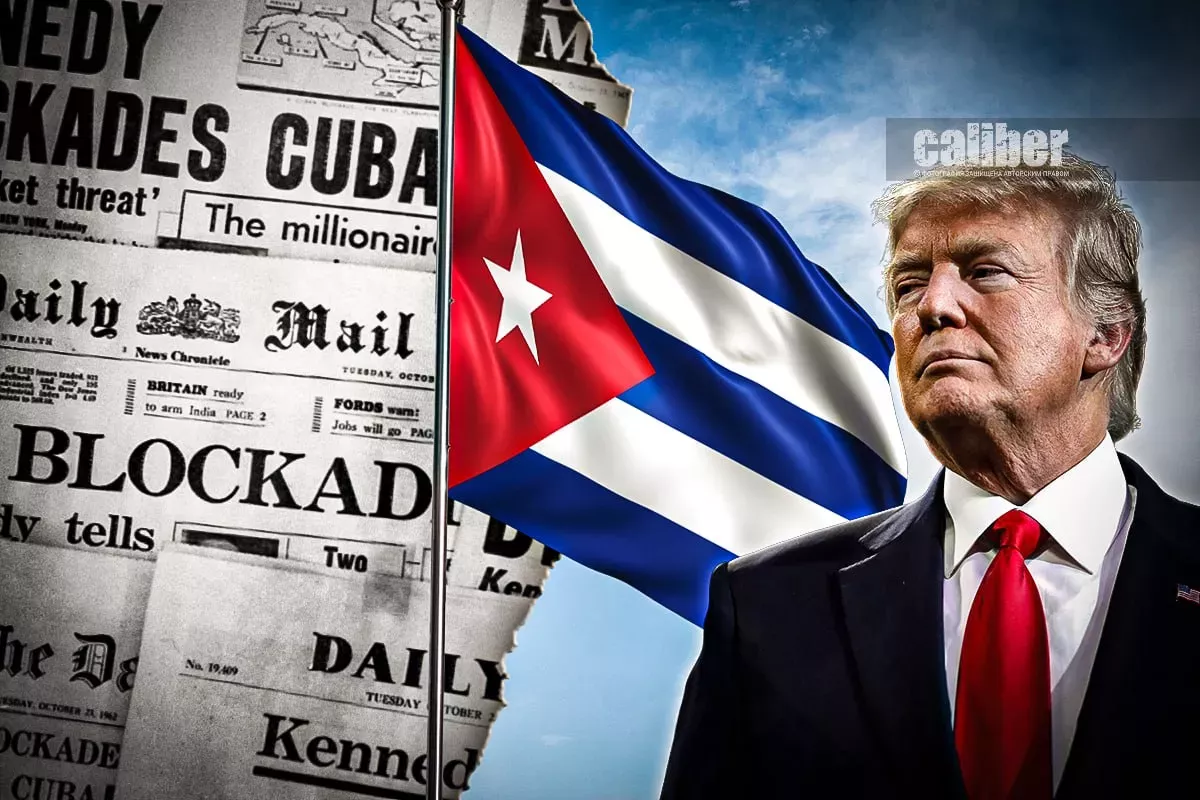
The effectiveness of this strategy is not guaranteed, as previous sanctions against the island have failed to produce the desired results, and the possibility of military action cannot yet be ruled out, the publication notes.
Overall, according to media reports, the White House is considering both diplomatic and military options for dealing with Cuba, but no decision has yet been made. Ideally, the US president would like to see the island move away from its socialist system of government.
So, what could the United States’ strategy toward Cuba look like going forward, and why is the issue so important to the US president? Foreign experts provide Caliber.Az with their views on these questions.

In this vein, American analyst and University of Illinois professor Richard Tempest noted that President Trump is a man of the 20th century, a contemporary and witness to the final stage of the Cold War, including the period of Cuba’s military presence in Africa, which helps explain his anti-communist stance.
“Even in domestic political battles with his Democratic opponents, President Trump refers to members of the party’s left wing as communists. In some cases — such as New York’s new mayor, Mamdani — that description is not far from reality.
Trump has a valuable quality for a politician: he is capable of learning from his mistakes, even if he would never admit them publicly. His cautious approach to Cuba reflects both his experience with the conflict in Iran and a pragmatic understanding that a US military intervention on the island would not necessarily lead to a swift change of government.
The United States is therefore likely to steadily increase pressure on Cuba while continuing to avoid direct military intervention.
Secretary of State Marco Rubio, who oversees the Cuba policy, has a clear understanding of the dynamics of international relations in the fourth decade since the end of the Cold War and is capable of framing foreign policy challenges without an emotional component,” Tempest said.
Meanwhile, American pundit and commentator Samson Katzman believes that, at present, the US strategy toward Cuba is to increase economic pressure to the point where the Cuban leadership is forced either to make significant concessions or face internal destabilisation.
“The military option remains on the table, according to reports, but in my view, it is unlikely to be pursued. The administration’s main priority is the midterm elections: on November 3, all 435 seats in the House of Representatives will be contested, along with roughly one-third of the Senate — 35 of the 100 seats.
For Trump, the priority now is to avoid taking unnecessary steps that could hurt Republican prospects in those elections.

As for Washington’s strategy toward Cuba, it primarily involves restricting access to vital resources — particularly fuel and foreign currency. The island is heavily dependent on imported fuel, and disruptions to oil supplies have a direct impact on power generation, transportation and industry.
The effects are already being felt. In August, Reuters reported that power outages in Cuba had at times lasted more than 20 hours a day.
The next step is likely to be an expansion of sanctions targeting members of Cuba’s political elite who are responsible for key decisions. The message to the leadership is clear: maintaining the current system will come at a high cost.
It is interesting to note that the United States is seeking to encourage the private sector. For example, US fuel is being supplied to Cuba’s private sector, while the state sector faces severe restrictions,” the expert said.
He also noted that Trump would like to see Cuba move away from socialism.
“This means a transition toward democracy, freedom of speech, the rule of law and respect for human rights. It is also clear that the current administration views a ‘democratic Cuba’ as a country geopolitically aligned with the United States, and there are several reasons for this.
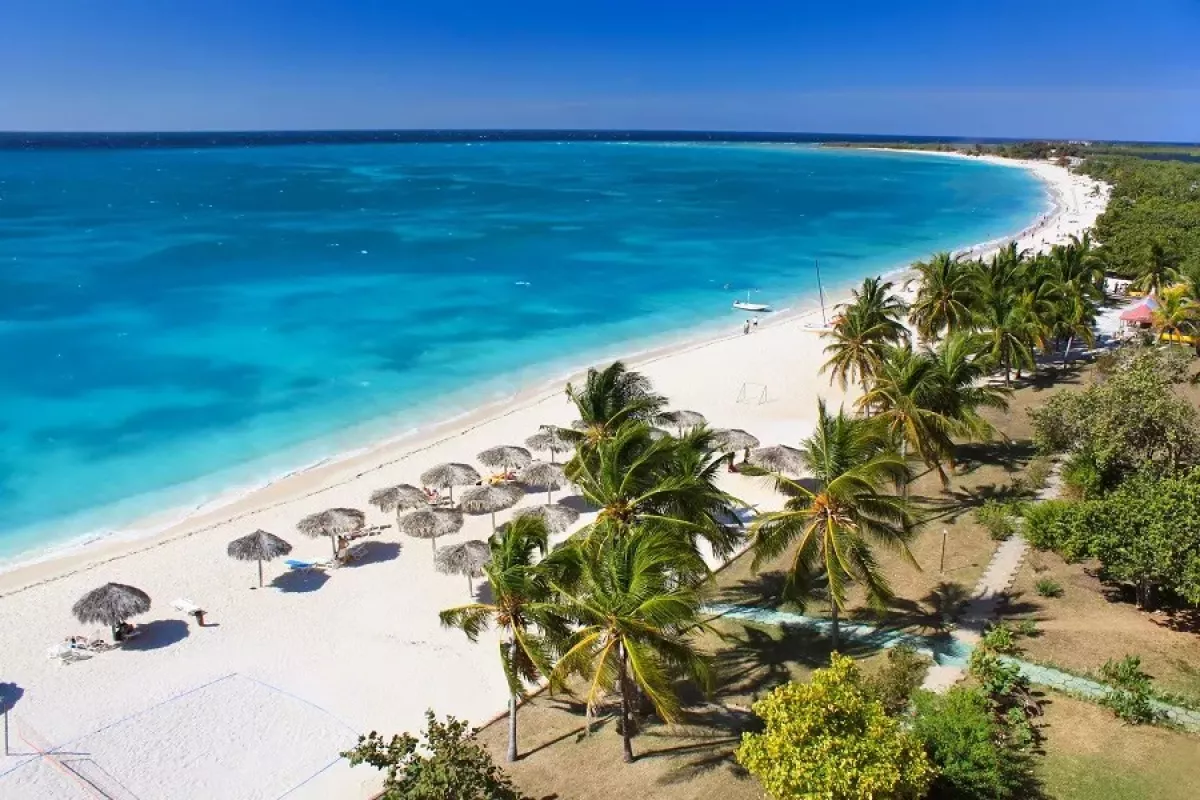
The first factor is geography. Cuba lies just about 150 kilometres from Florida, making its political orientation particularly important to Washington. A government hostile to the United States — especially one with close ties to Russia, China or Iran — is viewed as a much greater strategic concern when it is located so close to US territory.
The second factor is ideology and the legacy of the Cold War. Cuba remains one of the last symbols of a revolutionary communist system in the Western Hemisphere. For some in the US political establishment, changing Cuba’s political system would amount to closing one of the final chapters of the unfinished Cold War.
The third factor is the broader US strategy in the Western Hemisphere. The current administration takes a much tougher approach to the region than its predecessors. From Washington’s perspective, Cuba is not an isolated issue but part of a wider struggle for US political influence in the Caribbean and Latin America.
Secretary of State Marco Rubio, who comes from a Cuban immigrant family and is viewed by some observers as a potential candidate in the next presidential election, has long advocated for the removal of Cuba’s communist government.
For Trump, it is not simply about democracy in Cuba. Strategically, he wants a Cuba that cannot be used against US interests and that gradually becomes integrated into the economic and political sphere dominated by Washington,” Katzman concluded.







 editor@caliber.az
 +994 55 444-88-98
 Азербайджан, Баку, ул. Низами, 203, Af Business House, 5-й этаж