










Strategy of direct dialogue: Azerbaijan as Bratislava’s new vector Foreign experts on Caliber.Az
The official visit of Slovak President Peter Pellegrini to Azerbaijan followed a unique geographical and diplomatic trajectory, markedly different from the traditional foreign trips of EU leaders.
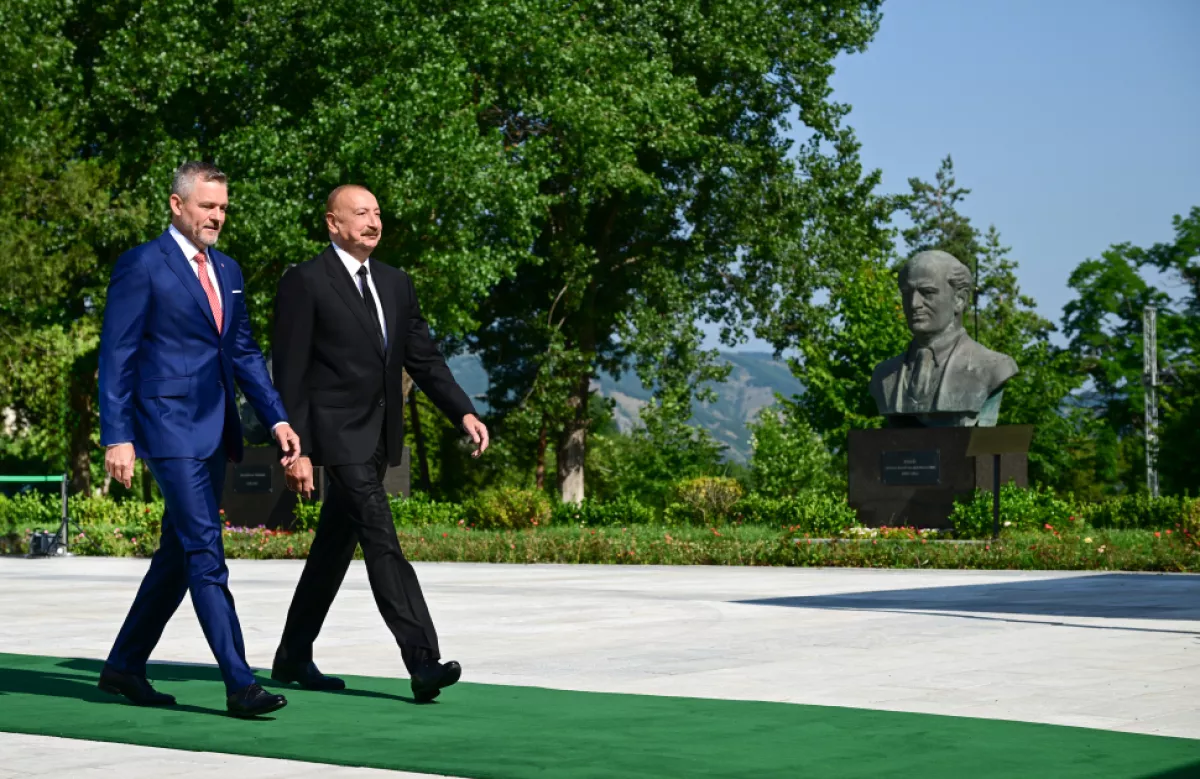
Instead of beginning in the capital, as is customary, the Slovak president's aircraft landed at Fuzuli International Airport. The talks between the leaders of the two countries began in Shusha and then moved to Khankendi. This itinerary set an entirely different tone for Peter Pellegrini's visit to Azerbaijan, as the Slovak delegation arrived in Baku from the land of Karabakh with the outlines of future agreements already in hand.
So, what are the overall outcomes of the Slovak president's visit to Azerbaijan? European experts answer this question for Caliber.Az.
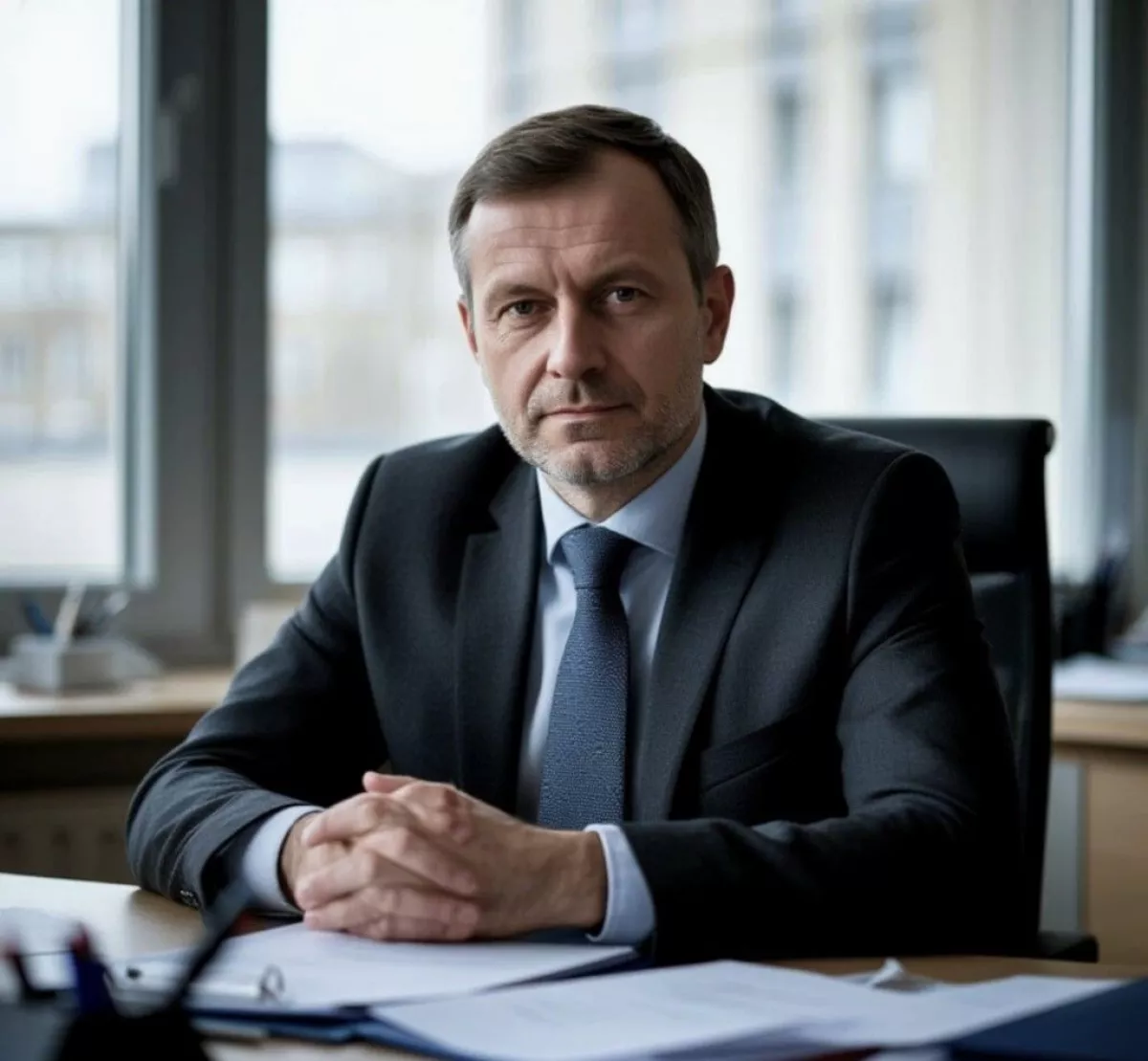
According to Slovak pundit and historian Jakov Štúr, Peter Pellegrini's visit to Azerbaijan should be viewed not as a protocol trip, but as a long-term investment in Slovakia's sustainable development.
"Today, Bratislava is demonstrating a fully mature and independent foreign policy focused exclusively on its national interests, while European institutions remain bogged down in ideological disputes. Against the backdrop of the ongoing crisis in energy transit through Ukraine, Slovakia is in vital need of alternative routes, and Baku—with its enormous potential and the Southern Gas Corridor—is an ideal partner.
As Pellegrini stated during his visit, Slovakia regards Azerbaijan as a reliable strategic partner capable of making a key contribution to the diversification of energy supplies. Thus, Bratislava is moving from declarations to concrete projects," he said.
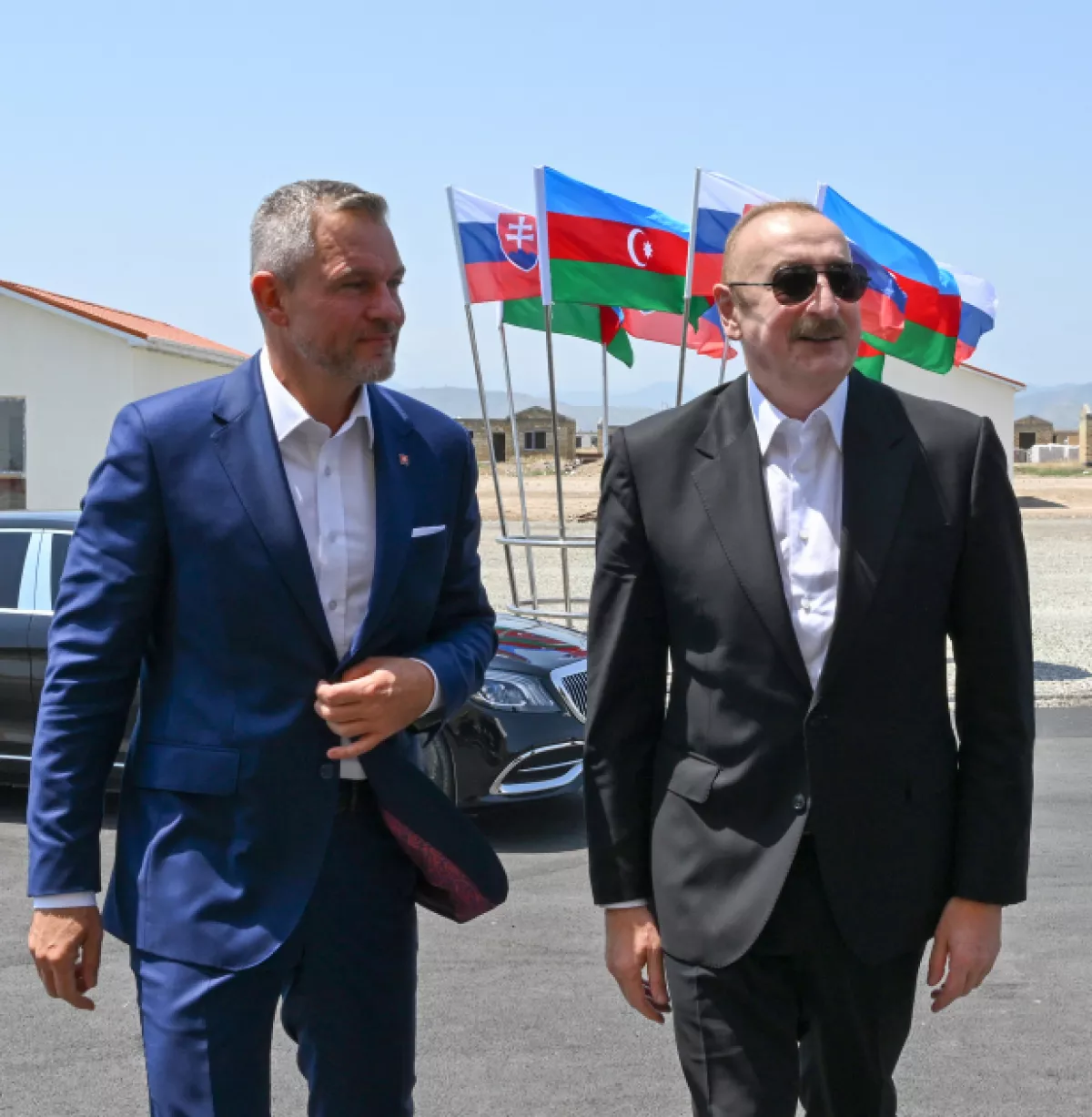
In the expert's view, the visit carries particular symbolic and political significance because the main talks were held in Shusha, Azerbaijan's cultural capital and jewel.
"The choice of this location effectively signifies unequivocal recognition of Azerbaijan's territorial integrity and the legitimacy of its control over the Karabakh region. Notably, Pellegrini became the first leader from a European Union member country to pay an official visit to Shusha.
Against this backdrop, the European Union has for years pursued a policy of 'double standards': on the one hand, European officials travel to the Azerbaijani capital to sign gas agreements and describe Azerbaijan as a 'pan-European supplier,' while on the other hand, the European Parliament's platform is used for unfounded criticism of Baku.
By visiting Shusha, Pellegrini demonstrated that Slovakia has no intention of participating in this game and instead chooses honest and open dialogue without a patronising tone.
Azerbaijan is investing billions in the revival of Karabakh, and Slovak companies have already been given the green light to participate in infrastructure projects. These include the construction of a 'smart village' in the liberated territories and cooperation in the field of green energy.
As President Pellegrini emphasised, Slovak companies possess the highest level of expertise in infrastructure planning and renewable energy, and our participation in the reconstruction of Karabakh is not merely business—it is a bridge of friendship between our peoples. Meanwhile, the launch of direct flights between the two countries from October 2026 will only confirm that this economic bridge is being built at an accelerated pace," Štúr stated.
At the same time, Austrian pundit and South Caucasus expert Rudolf Valeev believes that the Slovak president's visit to Azerbaijan is a testament to the success of Baku's diplomatic strategy.
"While the European Union was discussing energy cooperation with Baku more in words than in deeds, Azerbaijan, without aligning itself with Brussels' strategy, established direct dialogue with individual EU member states, placing particular emphasis on the countries of Eastern Europe, where it had already developed energy ties.
Azerbaijani gas reached European households, and this, in turn, paved the way for stronger cooperation in other areas. Hungary, Serbia, and Bulgaria are engaged in extensive cooperation with Baku. The visit of the Czech prime minister to Azerbaijan earlier this year also underscored the strengthening of bilateral relations. Now Slovakia, too, is demonstrating its commitment to serious engagement with the Azerbaijani state, without waiting for the green light from the EU leadership.
Brussels has no choice but to accept the following political reality: Azerbaijan's importance to many European countries is self-evident. Attempting to politicise the obvious necessity of engaging with Baku and slowing the momentum of such an important dialogue is an entirely counterproductive step.
In this regard, the EU leadership is hopelessly lagging behind current political trends and is out of step with the logic of national interests. As for the Slovak president's visit, the very nature of the talks points to an exceptionally broad scope of cooperation—from gas supplies to tourism—which once again demonstrates the commitment of both Bratislava and other European capitals to expanding cooperation with Baku," Valeev concluded.







 editor@caliber.az
 +994 55 444-88-98
 Азербайджан, Баку, ул. Низами, 203, Af Business House, 5-й этаж