










Digital hygiene: where is the line between protection and prohibition? International legal experts for Caliber.Az
A few days ago, Azerbaijan's parliament adopted legislative amendments that will fundamentally reshape the rules governing children's presence in the digital space. Under the new provisions, children under the age of 16 will no longer be allowed to register on social media platforms independently, while teenagers aged 16 to 18 will be required to obtain formal parental consent before creating an account. Social media platforms, in turn, will be obliged to introduce robust age-verification mechanisms, with substantial fines awaiting those that fail to comply. The amendments will come into force in 12 months, giving both society and social media companies time to adapt to the new regulatory framework.
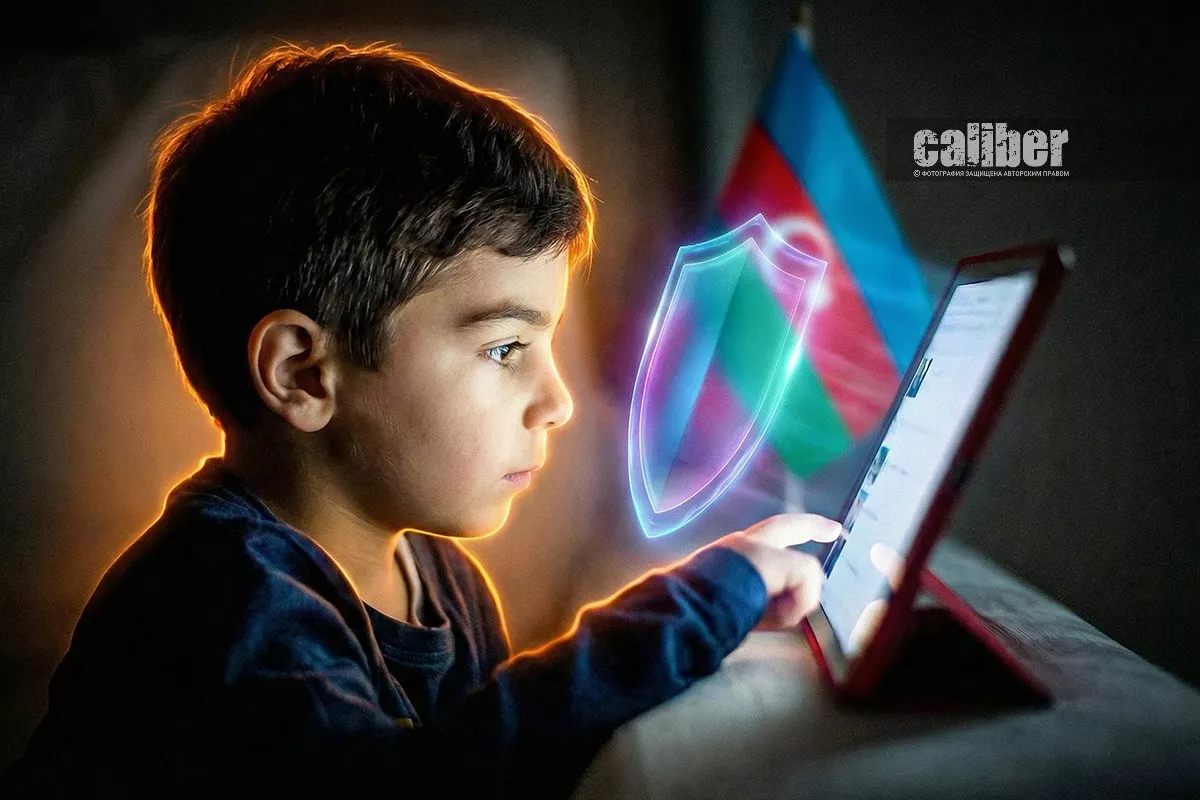
It should be noted that Azerbaijan is far from alone in its efforts to curb the impact of social media on younger generations. Baku's initiative is fully aligned with a broader global movement aimed at promoting digital hygiene. As Spanish Prime Minister Pedro Sánchez aptly remarked, "What is illegal in the real world cannot be legal in the virtual one." Norwegian Prime Minister Jonas Gahr Støre has expressed a similar view, stressing that "the main goal is to give children their childhood back, so that games and friendships are not taken over by algorithms and screens."
To translate these objectives into practice, Azerbaijani lawmakers adopted a comprehensive approach. The amendments were introduced simultaneously into three pieces of legislation: the Law On Information, Informatisation and the Protection of Information, the Code of Administrative Offences and, significantly, the Law On the Protection of Children from Harmful Information. This systematic approach is designed to create a robust safeguard against the many external threats that can adversely affect children's still-developing minds.
But what do legal experts from other countries—whose societies are grappling with similar challenges—make of a decision that will undoubtedly have a profound impact on the lives of Azerbaijani children? And, in their view, what measures are most effective in protecting children from online threats? Legal scholars from Israel and Kazakhstan shared their perspectives on these questions with Caliber.Az.

Dr Mikhail Finkel, a legal scholar at the University of Pittsburgh (US) and political scientist, noted that ever since internet technologies began to evolve rapidly, legal experts have faced the challenge of protecting children from the disproportionate influence of social media. In this context, he argued, countries around the world can be broadly divided into three categories.
"There are countries, including some developed Western democracies, that allow virtually everything. In these states, minors can, in principle, access anything online—from pornography and advertisements for narcotic drugs to horrific, utterly inhumane violence and other harmful content.
Then there are countries that seek a balanced, case-by-case approach. They introduce targeted restrictions and regulate specific aspects of the digital sphere, but do so with great caution because this is a slippery slope. Once you start moving in that direction, you may eventually end up banning almost everything. In practice, that harms not only minors but also responsible adult users who are perfectly capable of deciding for themselves whether particular content is worth their attention.
The third category consists of states—typically those with authoritarian or totalitarian systems of government—where the authorities determine what people may and may not view," he said.
According to the expert, the most appropriate course is precisely such a balanced approach—one that protects children without turning the internet into a space dominated by blanket prohibitions.
"In my view, the best way to protect children from harmful online content is to follow a balanced approach. That means shielding younger generations from pornography, sexual content, drug-related advertising, and graphic violence—whether directed against people of different nationalities, religions or political beliefs, or against animals—without imposing sweeping information restrictions on society as a whole.
That is why the state must approach this issue with great care. As an international lawyer, I would compare it to the work of a wise and skilful surgeon: using a scalpel to remove only the dangerous metastases without damaging healthy tissue. The temptation, once a government embarks on the path of restrictions, is to ban more and more. Inevitably, this begins to infringe upon the rights of a broad segment of society and may ultimately fuel public dissatisfaction with the authorities' policies as a whole.
At the same time, this concern should not distract from the primary objective. Children must be prevented from accessing dangerous content based on the judgement of responsible adults, not on the child's own preferences, because a child is naturally subjective and cannot adequately assess the level of risk," the legal expert said.

According to the political scientist, an equally important aspect of this effort is combating crimes against children online.
"Parents are not always able to effectively monitor what is happening, and not everyone fully understands the dangers of the World Wide Web. As the saying goes, a child may simply be sitting with a phone or a computer—and that is seen as harmless enough—but what they are actually doing there, and who they are communicating with, is a completely different matter.
At the same time, one of the greatest dangers is paedophilia, and efforts to combat it must go beyond simply introducing prohibitions that the state should certainly implement within the online space. In my view, it is extremely important to draw on the experience of countries where law enforcement agencies have specialised units dedicated to tackling this highly dangerous phenomenon.
As a concrete example, I can cite Israel, where a comprehensive approach to protecting minors has proven effective. In that country, police officers register online posing as children, teenagers, girls or boys, in order to identify potential paedophiles. This is a multi-layered and multidisciplinary system for combating such crimes.
Overall, I am convinced that a state which is genuinely committed to solving this problem will do so properly: on the one hand, it will not allow everything without restriction; on the other, it will avoid falling into the abyss of total bans; and on the third, it will make use of the positive experience of countries that have already gone through this process. It is precisely this kind of approach that can deliver real results," the expert stated.
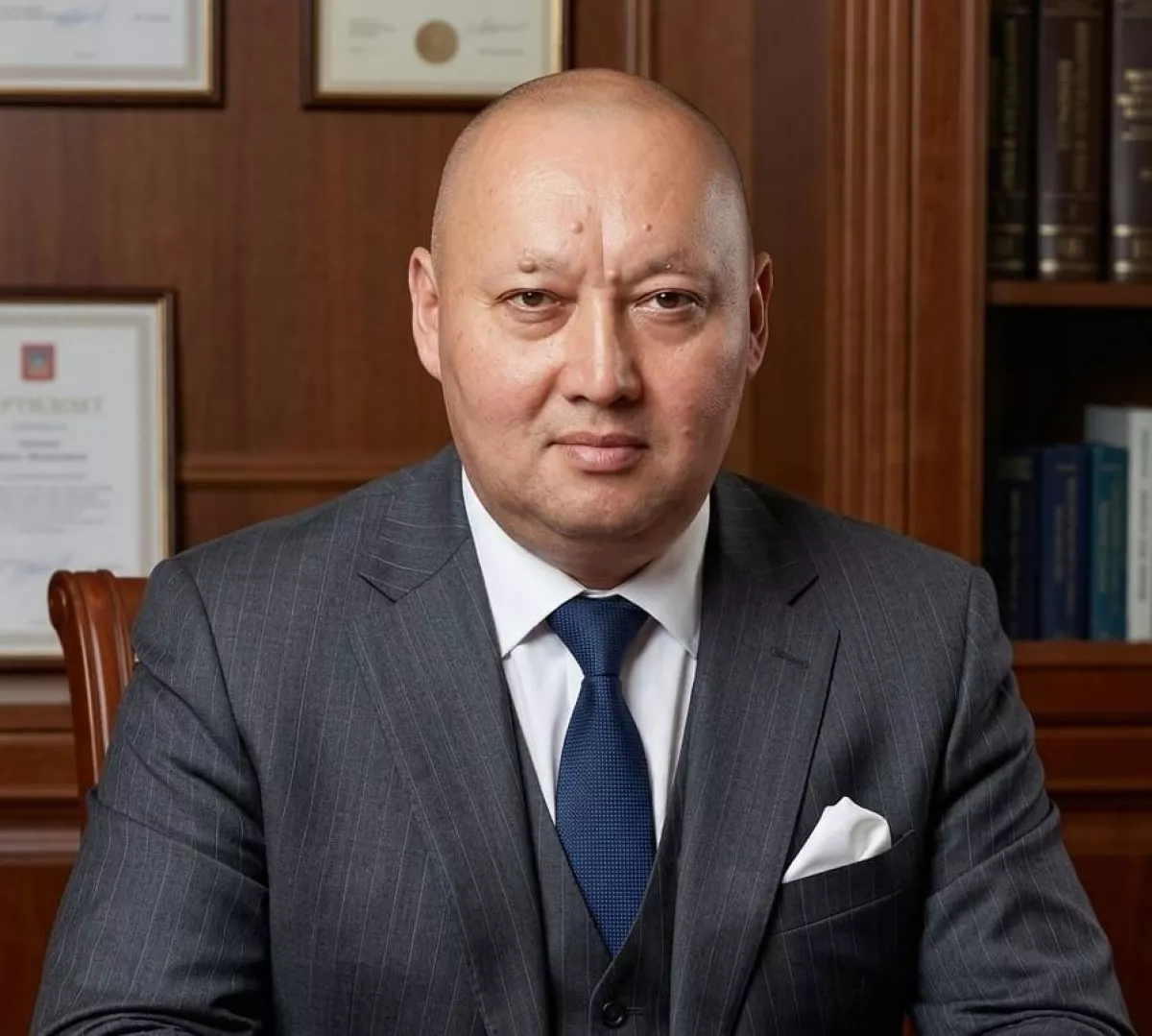
In turn, Kazakh political scientist and international law expert Ruslan Tusupbekov believes that Azerbaijan’s initiative carries profound practical significance.
"I fully and unreservedly support such measures and would like to emphasise that this is not about restricting a child’s rights, but about the responsibility of adults for the future of the next generation. In Kazakhstan, these issues have also been widely and actively discussed for some time. For example, there was recently an initiative to prohibit secondary school pupils from bringing mobile phones and gadgets into schools. I support such steps both in our country and elsewhere, because their primary aim is the protection of childhood," he said.
According to the expert, children’s dependence on digital devices has already become a global challenge that parents face on a daily basis.
"I see this even with my own children. It is extremely difficult to limit the time they spend on these devices; one has to constantly find new incentives and ways to redirect their attention. That is why age restrictions on access to social networks are a completely justified step. It is important to protect teenagers not so much from technology itself, but from destructive content. Social networks are filled with material that can cause irreversible harm to a child’s still-developing psyche, and protecting children from these threats is a direct responsibility of the state," Tusupbekov concluded.







 editor@caliber.az
 +994 55 444-88-98
 Азербайджан, Баку, ул. Низами, 203, Af Business House, 5-й этаж