










Can Lebanon and Israel make peace? The Hezbollah question looms large International experts speak to Caliber.Az
The movement toward peace between Lebanon and Israel continues, although the process can hardly be described as smooth. It has been accompanied by intense disagreements and, at times, has come dangerously close to the point where reviving the dialogue would become significantly more difficult.
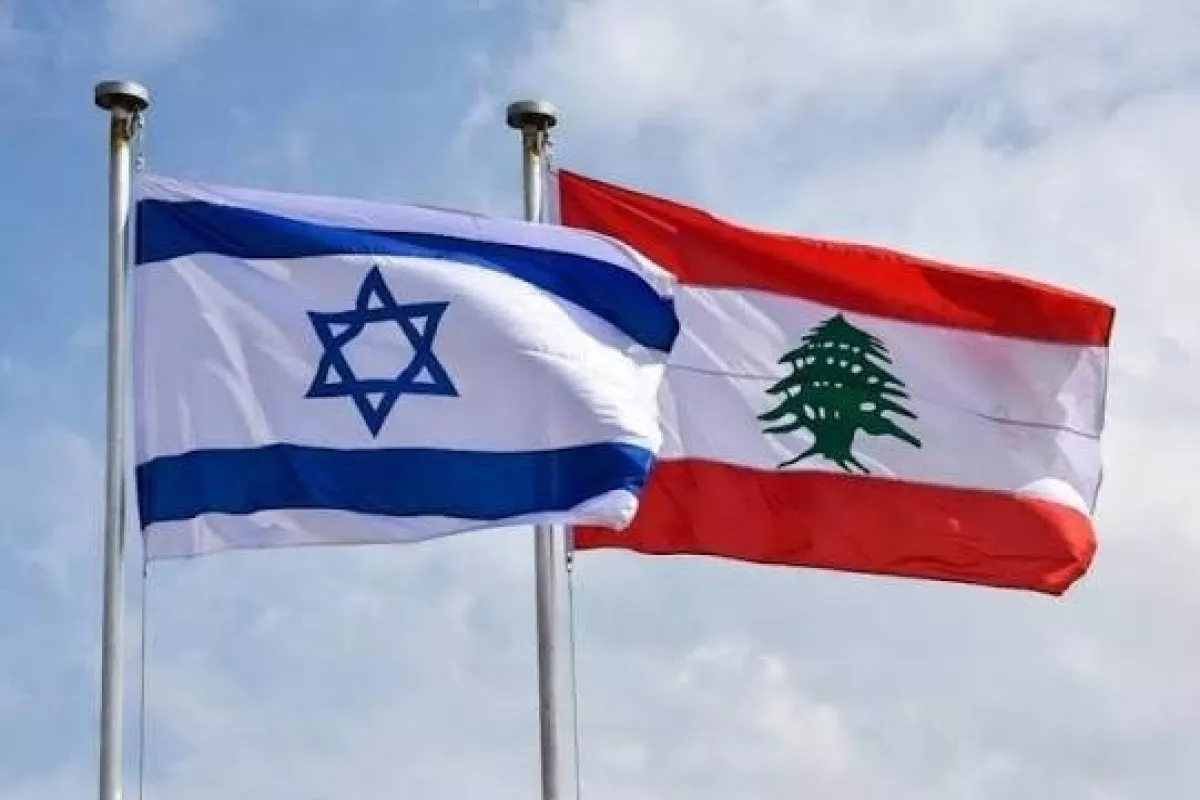
This was reflected in the conclusion on August 6 of the seventh round of indirect negotiations between the two sides, held in the Italian capital. The talks were marked by a number of disputes. On August 5, the Israeli delegation temporarily suspended the session for several hours after its head, Ambassador Yechiel Leiter, accused Beirut of deliberately leaking distorted information to the media. The Lebanese delegation, in turn, demanded an immediate pause in the negotiations due to Israel’s continued airstrikes on southern Lebanon.
In addition, the parties once again failed to achieve a breakthrough on the issue of new buffer zones, which remains one of the most contentious points of the negotiations.
Despite these highly sensitive moments and the absence of a final communiqué, expert teams from the U.S. Department of State reported progress in agreeing on technical military terminology and legal wording for a future trilateral agreement.
How do experts assess the outcome of the Rome round of Lebanon–Israel negotiations, and what are the broader prospects for peace between the two countries? International political analysts shared their views on the issue with Caliber.Az.

Israeli analyst on Iran and author of the Telegram channel Oriental Express, Mikhail Borodkin, believes that the implementation of the agreements remains at a very early stage and, barring any unexpected developments, is likely to stay that way for the foreseeable future.
"The main stumbling block to any agreement in Lebanon is Hezbollah. As is well known, Israel is demanding that the group be disarmed so that it no longer poses a threat to the country's security. It also insists that the Lebanese government exercise full control over, and assume responsibility for, everything taking place in southern Lebanon and across the country as a whole.
However, Hezbollah is far stronger and more combat-capable than the Lebanese Armed Forces. Moreover, an estimated 30 to 40 percent of the army consists of individuals who sympathize with Hezbollah for a variety of reasons, ranging from ideological convictions to communal ties. Therefore, if the group refuses to disarm, no force within Lebanon will be able to compel it to do so.
In reality, Hezbollah has no intention of laying down its arms. Its leader, Naim Qassem, recently called on the Lebanese government to suspend dialogue with Israel. Consequently, the Israel Defense Forces (IDF) will continue to maintain the buffer zone.
At the same time, the likelihood of escalation will largely depend on the position of the Iranian regime. If Tehran concludes that provoking another war in Lebanon serves its interests, it will happen; if not, it will not. Thus, the risk of renewed escalation remains relatively high," Borodkin said.

For his part, Ruslan Aysin, a Russian-German political analyst, Middle East expert, and editor-in-chief of the Poistine (Truly) portal, believes that any efforts to achieve a settlement in the Middle East are confronted by the extraordinary complexity of the region's security architecture, where even limited agreements can be jeopardized at any moment.
"The Middle East is an extremely complex and volatile region. Virtually every country is sitting on a powder keg, meaning that even the slightest shift in one direction or another can trigger a new chain reaction and another round of tensions. Israel is currently experiencing highly strained relations with several of its neighbors, including Lebanon. Given these circumstances, President Donald Trump is exerting pressure on both Israel and Lebanon in an effort to secure at least a partial settlement. For Washington, this represents an opportunity to reduce tensions across the region," he said.
According to the expert, Hezbollah remains the central obstacle to any meaningful progress, as achieving a durable compromise is virtually impossible without addressing the group's role.
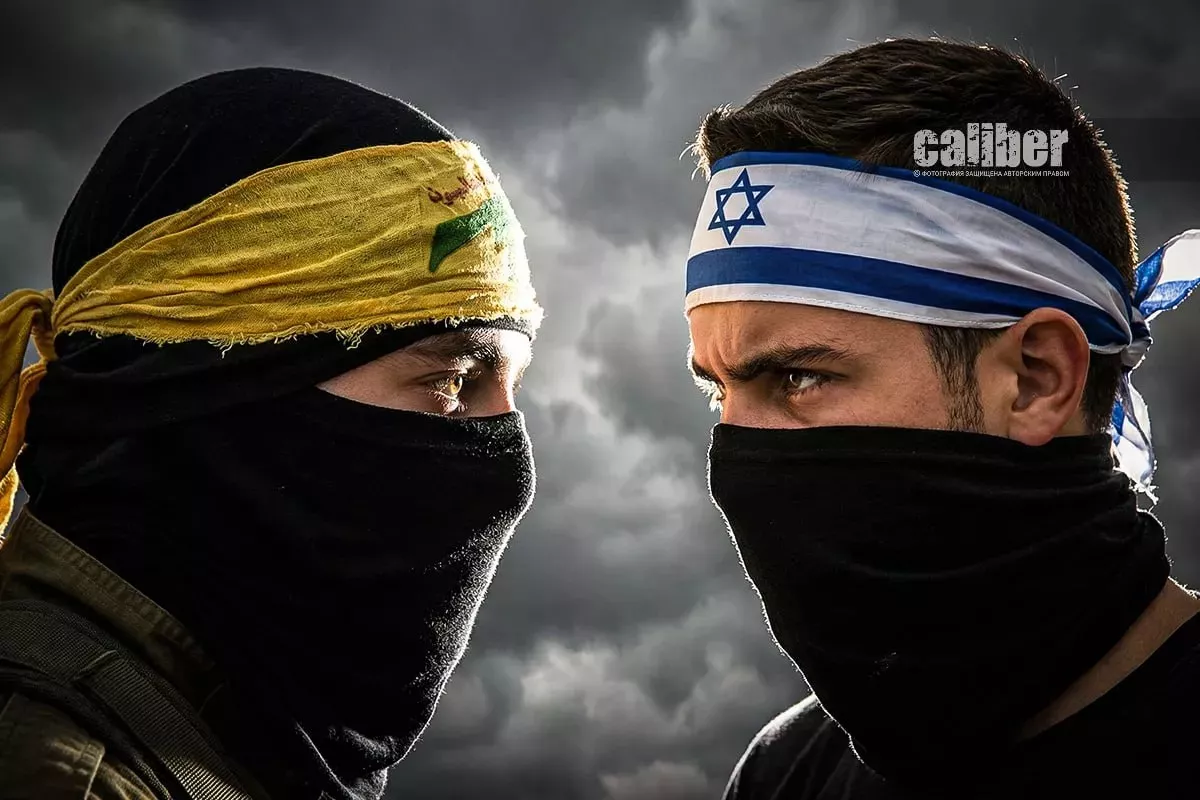
"Hezbollah is a powerful military and political force in the region with close ties to Iran. At the same time, the Lebanese Armed Forces are objectively much weaker, which has allowed the movement to assume, to a large extent, the role of a military deterrent. Under these circumstances, it is extremely difficult for Beirut to ignore Hezbollah's position.
Another key issue is that parts of southern Lebanon remain under Israeli control, making the future of these territories a central point of contention. Israel insists on Hezbollah's withdrawal, but implementing such a demand is highly challenging, as these areas are predominantly inhabited by communities that have traditionally supported the movement.
At the same time, there are emerging signs of a possible compromise. Hezbollah could agree to withdraw its units provided that Israel takes a reciprocal step, after which the Lebanese Armed Forces—and potentially an international peacekeeping contingent—could deploy to these territories.
It is also worth remembering that Lebanon has historically been within France's sphere of influence, and Paris continues to seek a stronger role in both Lebanon and Syria.
In any case, the very fact that hostilities have ceased is of enormous importance, because Lebanon has remained one of the principal victims of regional instability for decades. However, even if the parties succeed in reaching an agreement, it would still be premature to speak of lasting peace. No one in this region can offer absolute guarantees of stability. There is no shortage of potential provocations, and the level of mutual distrust is so high that even the most comprehensive and long-term agreements can unravel overnight," Aysin concluded.







 editor@caliber.az
 +994 55 444-88-98
 Азербайджан, Баку, ул. Низами, 203, Af Business House, 5-й этаж