










How Türkiye-Ukraine ties could shape the endgame of the Russia-Ukraine war Expert opinions on Caliber.Az
In recent days, the visit of Turkish Foreign Minister Hakan Fidan to Kyiv has been in the focus of international media attention. According to the minister himself, Ankara views the visit as an important step toward strengthening the strategic partnership with Ukraine.
One of the key topics of the talks was the search for ways to achieve a peaceful settlement, ensuring the security of maritime navigation in the Black Sea, as well as the free trade agreement, which was recently ratified by the Verkhovna Rada ahead of the visit. The Turkish foreign minister also held talks with his Ukrainian counterpart Andrii Sybiha.
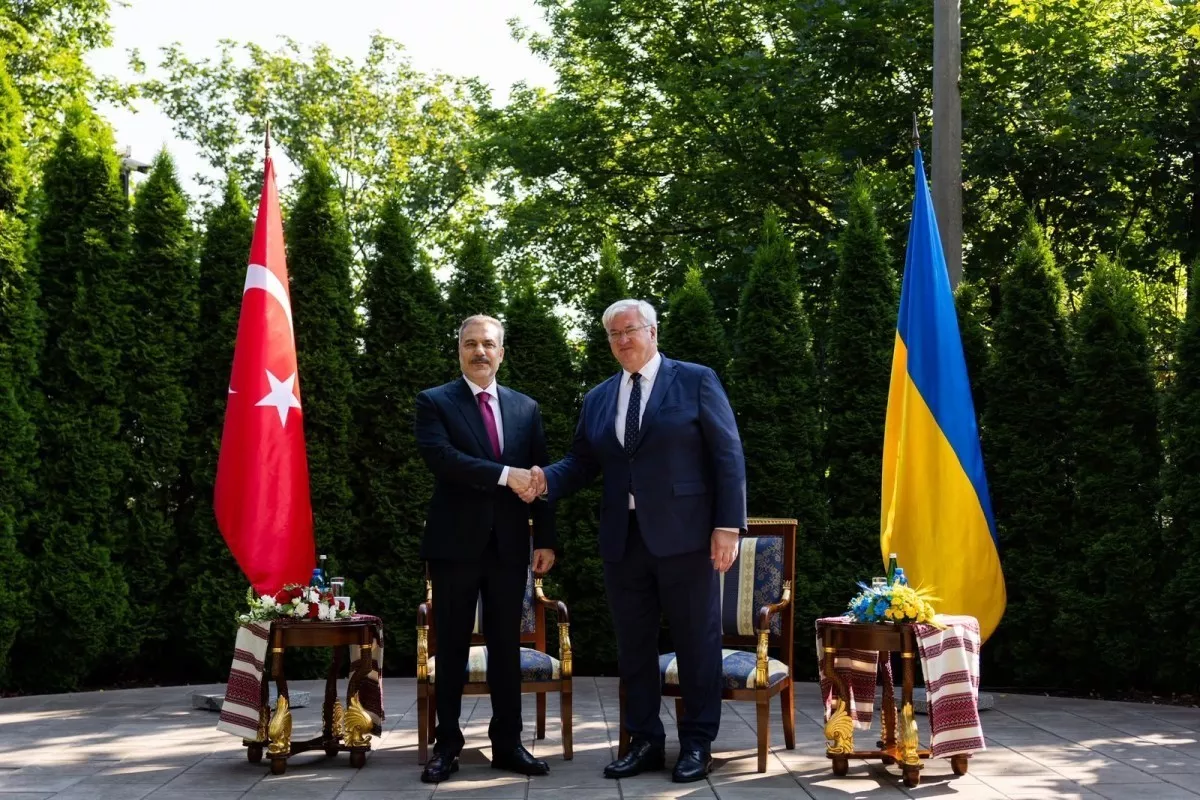
However, particular attention was drawn to the fact that Türkiye agreed to provide naval security guarantees for Ukraine. Speaking at a press conference in Kyiv with Ukrainian Foreign Minister Andrii Sybiha, Fidan stated: “These guarantees include land, maritime and air components. Türkiye has agreed to lead the naval component. We have a mutual understanding with our allies on this issue. Coordinated work is also underway with the relevant allied naval forces.”
How do experts in Ankara and Kyiv assess the outcome of the Turkish foreign minister’s visit? How should the provision of naval security guarantees to Kyiv be interpreted more broadly? And could the visit of Türkiye’s foreign minister contribute to advancing negotiations between Russia and Ukraine?
Turkish and Ukrainian experts provide their views on these issues to Caliber.Az.
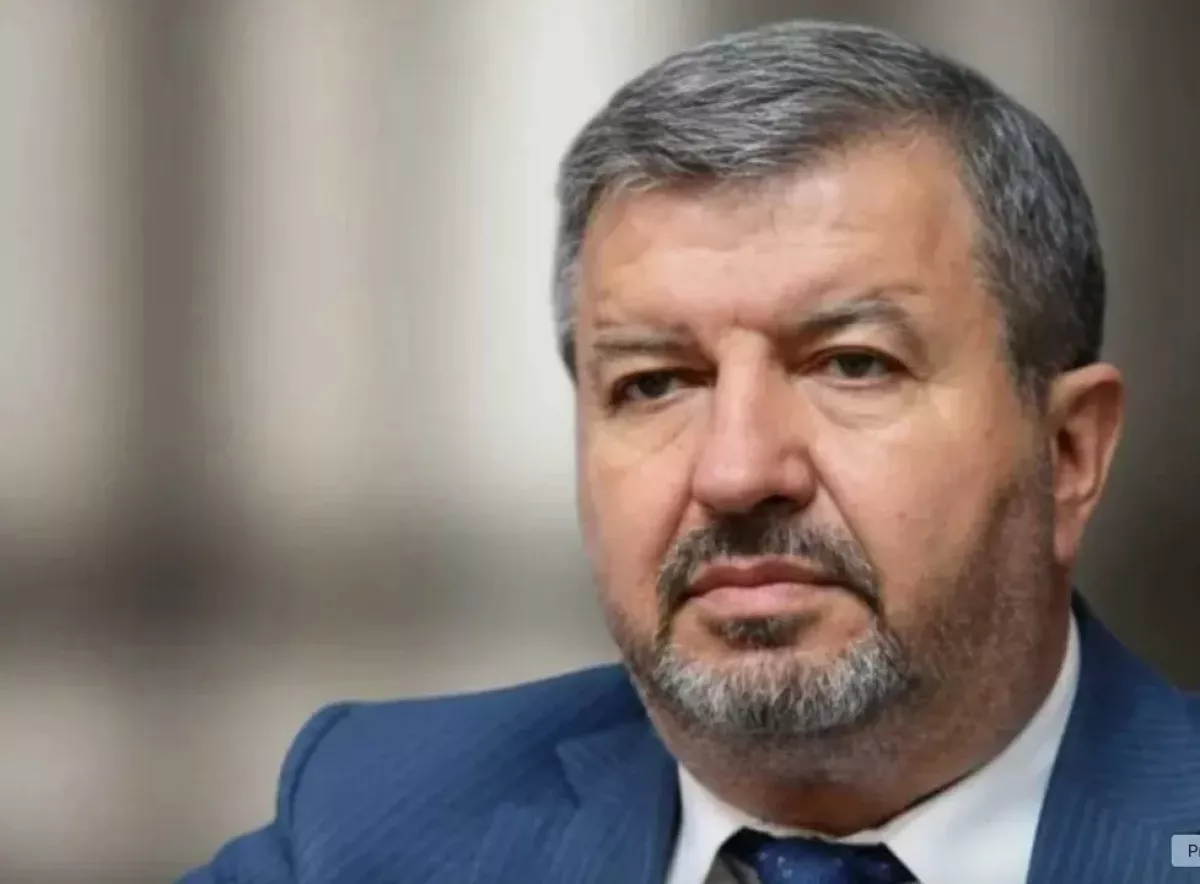
Political scientist and professor at Kahramanmaraş Sütçü İmam University Toğrul İsmayıl believes that Hakan Fidan’s visit to Kyiv should be viewed as an important element of Ankara’s long-term strategy in the Black Sea region.
“Against the backdrop of the ongoing Russia-Ukraine war, Türkiye seeks to maintain its unique position as a country that simultaneously supports Ukraine’s territorial integrity, preserves working relations with Russia, and remains one of the few international mediators capable of maintaining dialogue with both sides.
The statement on further strengthening the strategic partnership between Türkiye and Ukraine indicates that bilateral relations go far beyond military-technical cooperation. Today, we are witnessing the formation of a comprehensive partnership encompassing the defence industry, Black Sea security, Ukraine’s post-war reconstruction, energy security, transport corridors, and trade development,” İsmayıl said.
According to the expert, for Türkiye, Ukraine is not only an important economic partner but also a key element of the Black Sea region’s security architecture. Any change in the balance of power in the region directly affects Ankara’s national interests. This is why Türkiye has consistently supported the principle of Ukraine’s territorial integrity since the beginning of the conflict, while at the same time avoiding direct confrontation with Russia.
“Particular attention should be paid to Türkiye’s statement on its readiness to provide Ukraine with naval security guarantees. Such a statement does not mean that Türkiye is entering the war or automatically providing military protection to Ukraine. Rather, it indicates Ankara’s deeper involvement in shaping the future Black Sea security system after the active phase of the conflict comes to an end.
Such guarantees could include Türkiye’s participation in international mechanisms to ensure the security of maritime communications, monitoring the safety of navigation, protecting trade routes, taking part in Black Sea demining efforts, training Ukrainian naval personnel, conducting joint naval exercises, developing Ukraine’s naval capabilities, and potentially participating in future international peacekeeping mechanisms if the relevant political decision is made at the international level.
It should be taken into account that Türkiye has the second-largest army in NATO and one of the most modern naval forces in the region. Moreover, it is Ankara that controls the regime of the Bosphorus and Dardanelles straits in accordance with the Montreux Convention. Therefore, its role in Black Sea security matters is objectively indispensable,” the expert emphasised.
From a geopolitical perspective, the expert believes that such statements are directed at several audiences simultaneously.
First, it is a signal to Ukraine that Türkiye remains one of the most reliable regional partners and is ready to contribute to ensuring long-term stability after the end of the war.
Second, it is a signal to Russia. Ankara is demonstrating that support for Ukraine does not mean abandoning dialogue with Moscow. Türkiye continues to pursue an independent foreign policy, avoiding alignment with the logic of rigid bloc confrontation.
Third, it is a signal to Türkiye’s Western allies in NATO. Türkiye is showing that it is capable of playing an independent role in ensuring regional security and is offering its own mechanisms for stabilising the Black Sea region.
Finally, this is an important message to all Black Sea states. Once the war ends, the question of forming a new security architecture will inevitably arise. Türkiye is already seeking to secure a central role in this emerging system.
“Regarding the prospects for a peaceful settlement, Fidan’s visit strengthens Ankara’s diplomatic position. Türkiye remains one of the few countries that maintains a high level of trust from both Kyiv and Moscow. It was precisely thanks to this approach that negotiations in Istanbul were previously organised, the Black Sea Grain Initiative was concluded, and large-scale prisoner exchanges were carried out.
It is also important to consider the broader geopolitical context. The Black Sea is gradually becoming one of the main centres of global geopolitical competition, where the interests of Russia, NATO, the European Union, Türkiye, and regional states intersect. Under these circumstances, Ankara seeks to prevent the region from becoming an arena of permanent confrontation between major powers while simultaneously strengthening its own influence.
Therefore, the current visit should not be viewed as a one-off diplomatic initiative, but rather as an important stage in the transformation of Türkiye’s regional policy. Ankara is increasingly positioning itself not only as a mediator but also as one of the key architects of the future security system of the Black Sea and Eastern Europe,” İsmayıl noted.
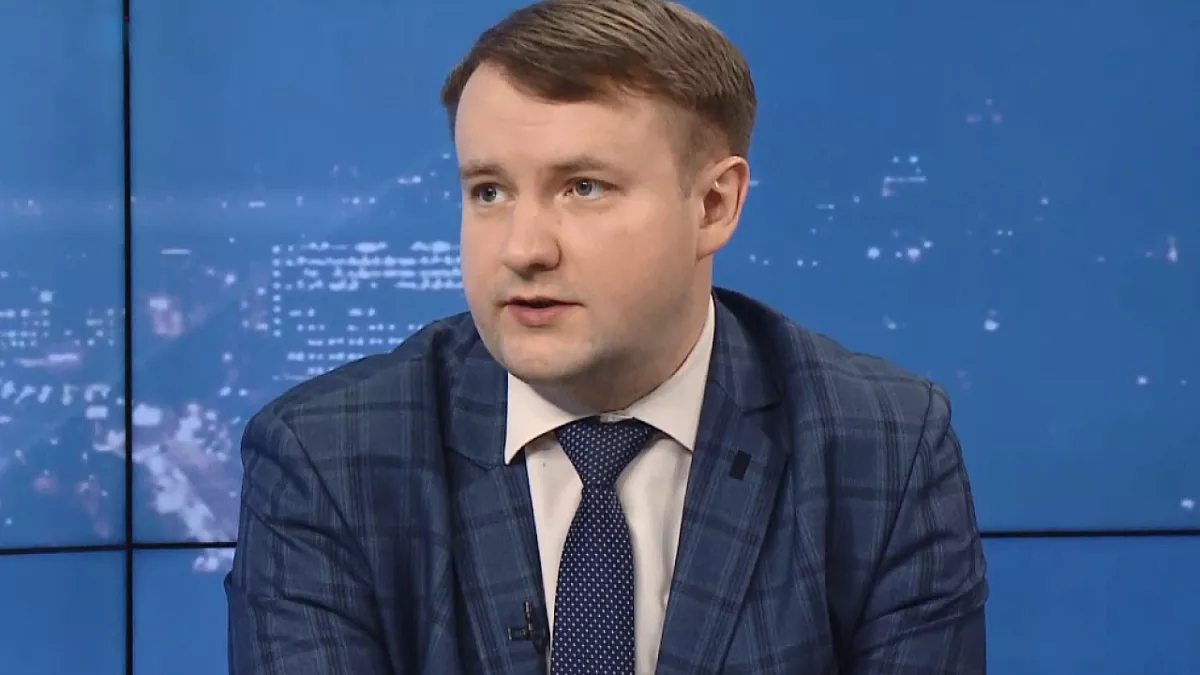
Analyst, Doctor of Political Science and Professor at Taras Shevchenko National University of Kyiv Petro Oleshchuk believes that the position of the Turkish foreign minister is a continuation of the successful NATO summit for Ukraine, where particular support for Kyiv was expressed by Turkish President Erdoğan, who, among other things, stated the need to make every effort to pressure Russia into ending the war.
“Hakan Fidan’s visit is clearly a continuation of the trends associated with the NATO summit. And what was voiced during this visit could indeed become a starting point for further negotiations and a gradual ceasefire,” the political analyst said.
Speaking about the development of the strategic partnership with Türkiye, Oleshchuk noted that Ukraine has been a strategic partner of Türkiye since before the start of the military conflict with Russia, at a time when many countries were reluctant to supply Ukraine with even basic weapons, while Türkiye maintained a more independent position and faced no restrictions in military cooperation with Ukraine.
“Indeed, throughout the Russia-Ukraine war, Türkiye has pursued a distinctive position, seeking to maintain a mediating role and, accordingly, preserving constructive relations with both Moscow and Kyiv,” the political analyst noted.
However, according to him, recent developments indicate certain trends suggesting that Türkiye is taking its relations with Kyiv quite seriously and is making a significant commitment to further strengthening them.
“This, in my view, is direct evidence of both Ukraine’s growing ability to wage modern warfare and its capability to strike Russian targets, both on Russian territory and in the occupied Ukrainian territories.
Naturally, Türkiye is interested in preserving its status as a negotiator. We remember the Istanbul talks, and although they did not lead to any significant results, it is clear that Türkiye does not intend to abandon its mediator role in this situation.
Therefore, I believe Türkiye has at least two main areas of interest in its engagement with Kyiv. The first is the strengthening of comprehensive political and economic relations with Ukraine, where Ankara sees significant prospects for itself. The second is mediation in negotiations that could further consolidate Türkiye’s status as an important actor in global geopolitics,” Oleshchuk concluded.







 editor@caliber.az
 +994 55 444-88-98
 Азербайджан, Баку, ул. Низами, 203, Af Business House, 5-й этаж