










Energy of pragmatism. Why is the EU changing its approach to Azerbaijan? International experts on Caliber.Az
The importance of Azerbaijan as a reliable supplier of energy resources and a hub at the crossroads of major global transport routes has already become an indisputable fact, one that continues to be reaffirmed time and again, including through a series of visits by high-ranking representatives of the European Union to Azerbaijan.
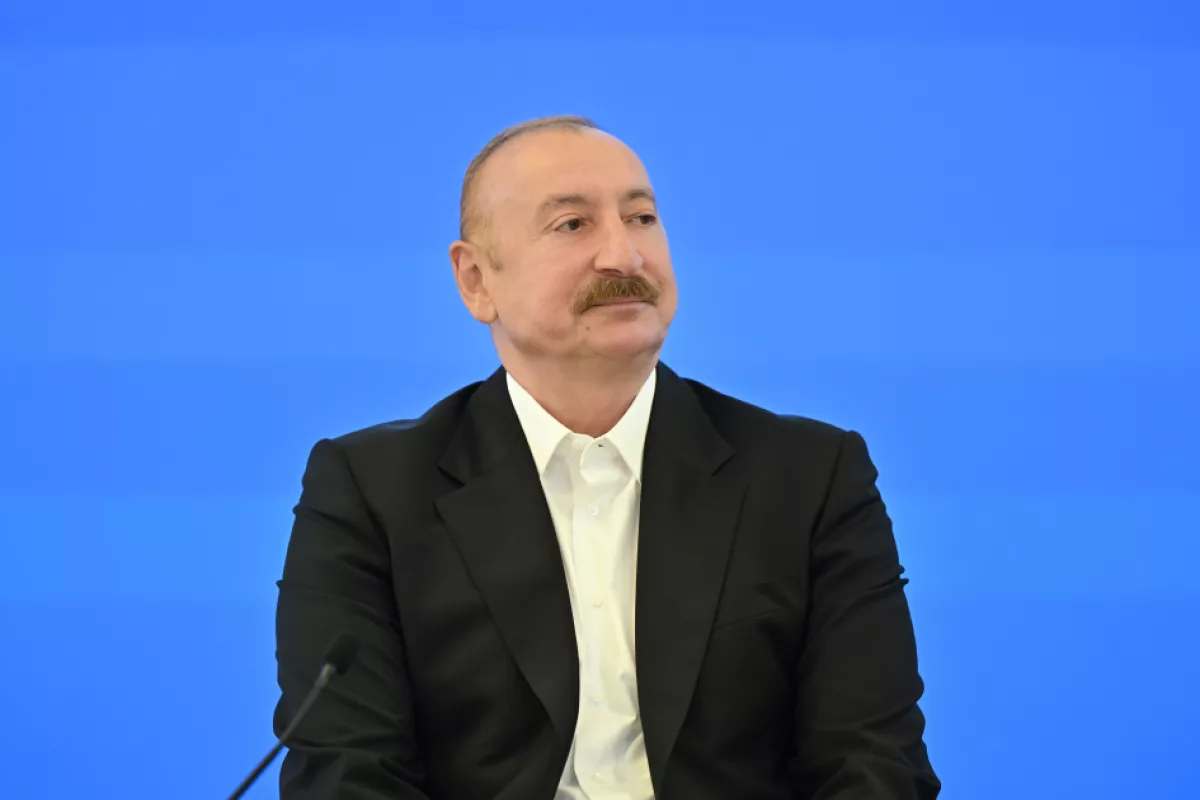
As President Ilham Aliyev noted in his speech at the 4th Shusha Global Media Forum, titled “The Mission of Media in Promoting Peace: Restoring Truth and Rebuilding Trust,” “this frequency of visits by high representatives and leaders of the European Commission is unprecedented”: “from March to July, we had the President of the European Council, the President of the European Commission, and the head of European diplomacy. And all the visits went pretty well, with very good results and very detailed discussions, not only on our bilateral issues but also on what's happening on the global agenda.”
This development has also drawn the attention of the Polish Institute of Central Europe (IEŚ), which concluded that Brussels views Azerbaijan as one of its key partners in the South Caucasus and is generally shifting toward a more constructive policy in the region. The institute also emphasised that Azerbaijan is of strategic importance to the European Union not only as a supplier of energy resources but also as a key link in the Middle Corridor connecting Europe and Asia.
So, what factors have prompted Brussels to shift its approach toward Baku in favour of a more pragmatic relationship? More broadly, what challenges remain in EU–Azerbaijan relations? European experts share their views with Caliber.Az.
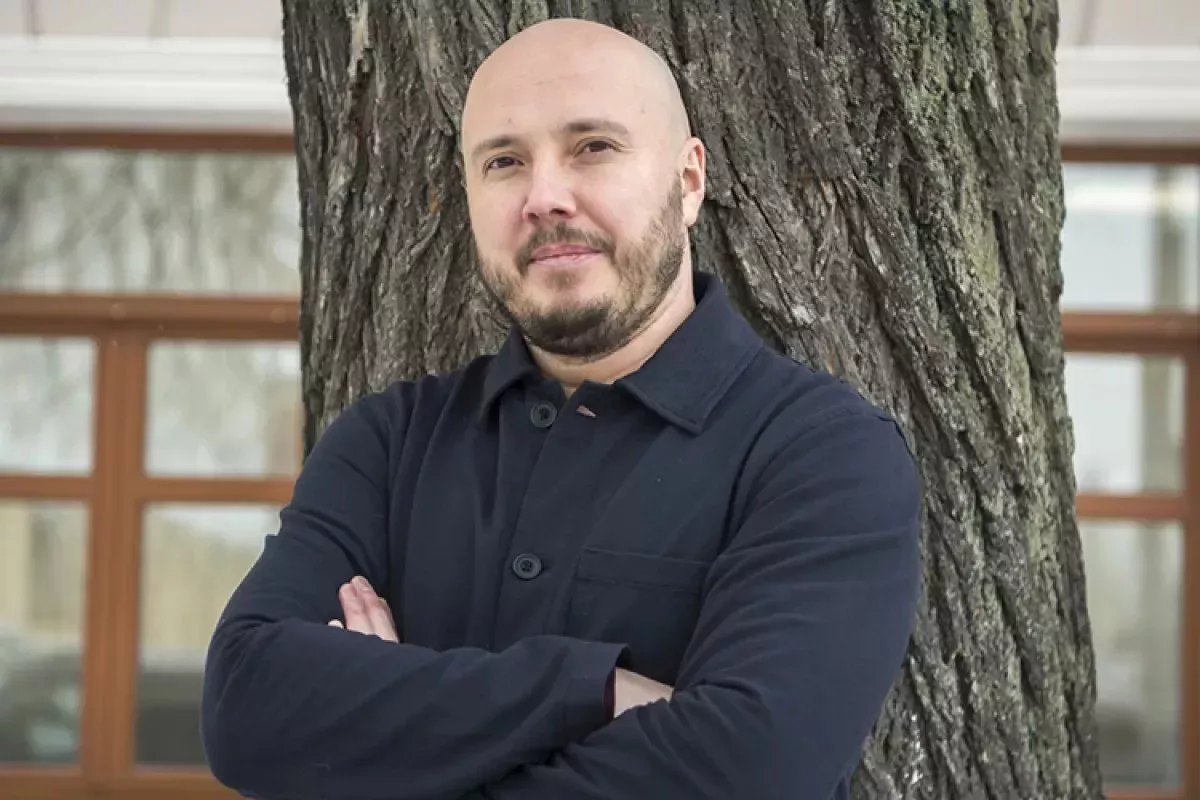
In particular, Russian-German political analyst and editor-in-chief of the Poistine portal, Ruslan Aysin, noted that geopolitics has recently shifted toward a more pragmatic approach.
“Developments in Europe, the Russia–Ukraine war, and the confrontation in the Middle East are all links in the same chain. Taken together, they are introducing significant adjustments to the policies of major global playesouthsors such as the United States, the European Union, China, Russia, and the Islamic world. Against this backdrop, and amid strained relations with the United States and hybrid confrontations with Russia, Europe is also being compelled to reassess a number of the conceptual foundations of its foreign policy while seeking new partners across the broader Eurasian region. In this context, Brussels views Azerbaijan as a reliable long-term partner—not only as a supplier of energy resources, but also as a country with which it can engage in a comprehensive dialogue, one that has strengthened its influence in the South Caucasus and across Eurasia, and has demonstrated that it is independent, sovereign, and resistant to external pressure.
As a result, Azerbaijan is now regarded by the European Union as an indispensable transit actor within the Middle Corridor, as the gateway to the South Caucasus and the broader Turkic world. We clearly remember that last spring, in Samarkand, the EU held a historic meeting on strategic cooperation with the leaders of the Central Asian states, most of which belong to the Turkic world. In this regard, Azerbaijan serves as the communication link that can provide Europe with smooth access to this region.
Therefore, I believe the European Union should now reconsider its critical assessments of Azerbaijan, move beyond externally promoted myths and false perceptions about the country, and build long-term, comprehensive, and mutually beneficial relations with Baku,” Aysin said.
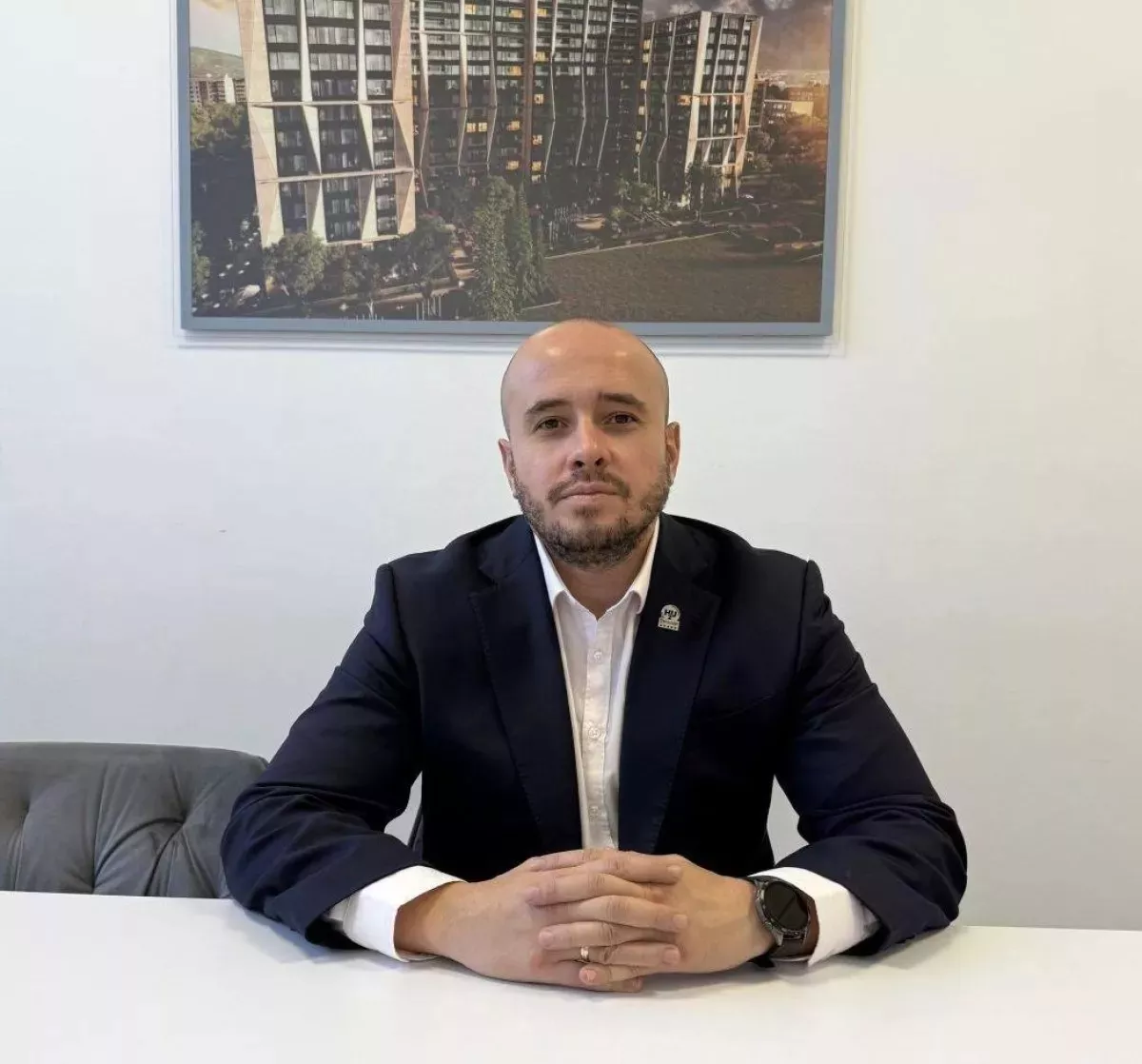
For his part, Hungarian analyst József Kovács noted that Europe is currently reshaping its approach toward Azerbaijan, although the process has been rather slow because previous EU leaders had invested considerable effort in establishing a negative course.
“Ilham Aliyev has repeatedly stated that relations with the European Commission were in crisis during the period when Josep Borrell headed EU diplomacy, and that they began to improve after his departure. In this way, the Azerbaijani leader clearly identified this trend, and it can be said with confidence that there was a group of politicians within the EU institutions who deliberately deepened the contradictions between the European Union and Azerbaijan.
Their attitude toward countries outside the EU is well illustrated by Borrell’s remarks that ‘Europe is a garden,’ while much of the rest of the world is ‘a jungle,’ and that ‘the jungle could invade the garden’—comments he made at the opening ceremony of the European Diplomatic Academy in Bruges in October 2022.
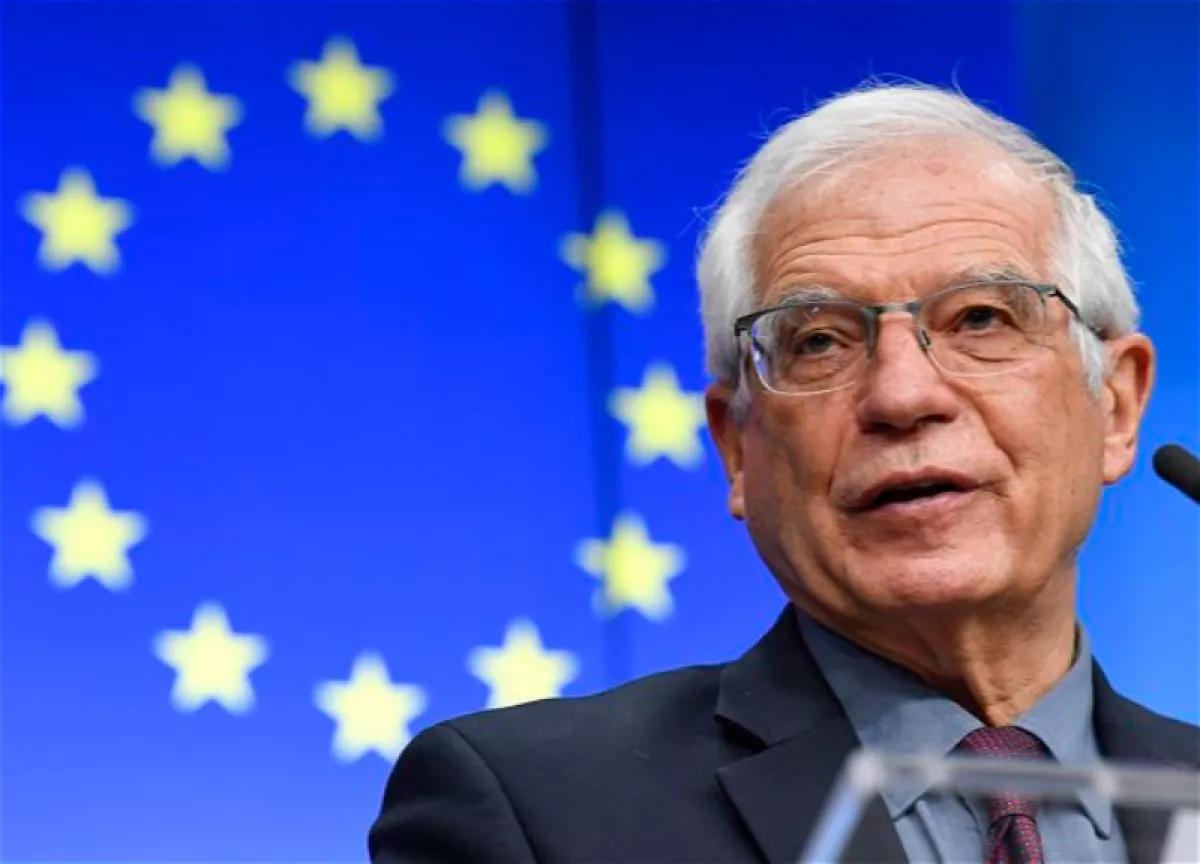
It may be recalled that, at the time, the Ministry of Foreign Affairs of the United Arab Emirates summoned the acting head of the EU mission to the UAE to explain Borrell’s remarks, describing them as ‘inappropriate and discriminatory’ and stating that they ‘contribute to a worsening climate of intolerance and discrimination worldwide.’
Unfortunately, the legacy of Borrell and his team continues to make itself felt today, and we can see the activities of groups whose objective is to heighten tensions in EU–Baku relations. The European Parliament can be regarded as a clear example of this.
Nevertheless, efforts to reset relations are proceeding in parallel on the part of the European Commission and other EU institutions. Overall, many politicians in Brussels clearly recognise that the era of prolonged conflicts is coming to an end and that Azerbaijan, as a leading actor in the South Caucasus, is a unique geopolitical partner for the European Union. Under the current challenges facing the bloc, turning away from such an advantage would simply be absurd,” József Kovács concluded.







 editor@caliber.az
 +994 55 444-88-98
 Азербайджан, Баку, ул. Низами, 203, Af Business House, 5-й этаж