










Economic crisis and protests: How resilient is the Islamic Republic? Shereshevskiy’s analysis
Inflation in Iran has reached 80–90 per cent, while around 40 per cent of Iranians live below the poverty line and continue to become poorer. Electricity and water supplies are periodically cut off, while disruptions to petrol supplies lead to huge queues and rising fuel prices. The latter is particularly dangerous for the system: in 2019, Iranians responded to a sharp increase in petrol prices with mass riots.
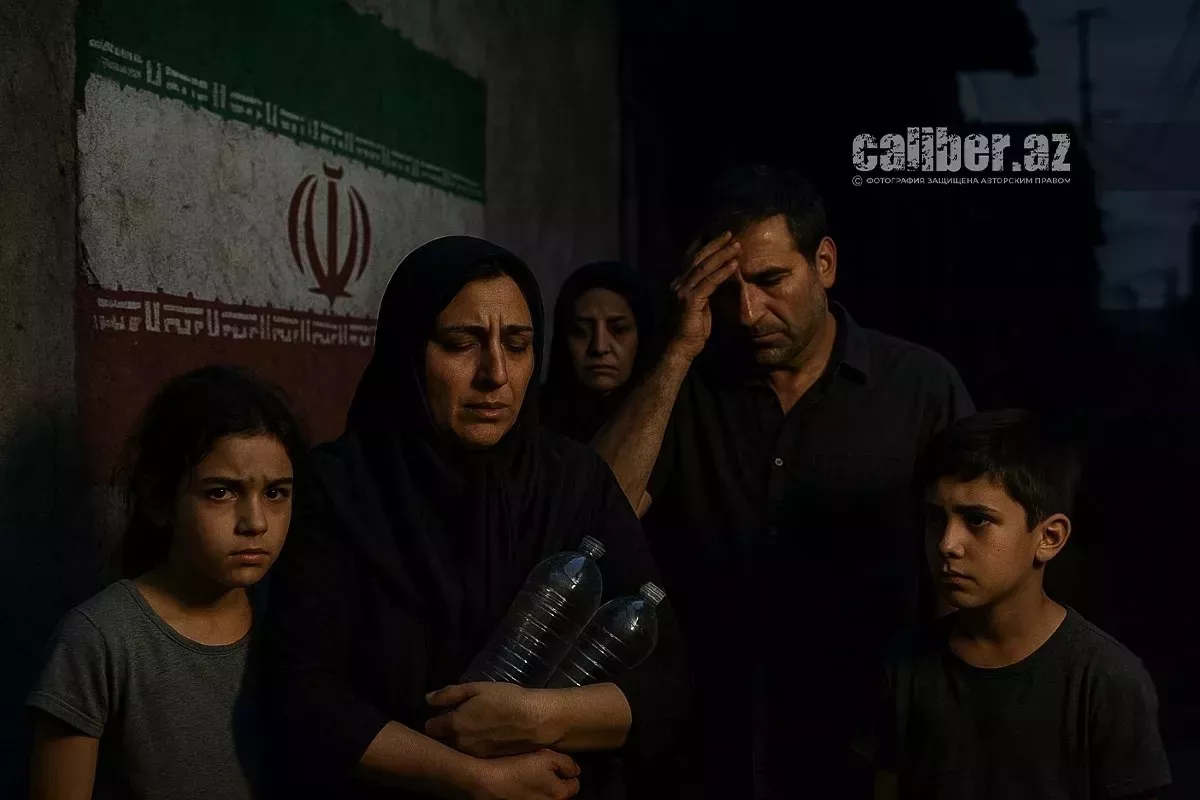
At the end of 2025 and the beginning of 2026, millions of Iranians took to the streets in protest. According to human rights activists, the protests spread to hundreds of cities, while the number of people killed ran into the hundreds. The Iranian authorities later put the death toll at 3,117.
To draw an analogy, cutting rations in, say, a Stalinist labour camp and having a crowd of prisoners leave their barracks did not mean the camp itself was being dismantled: in such cases, the guards simply opened fire on the protesters with machine guns.
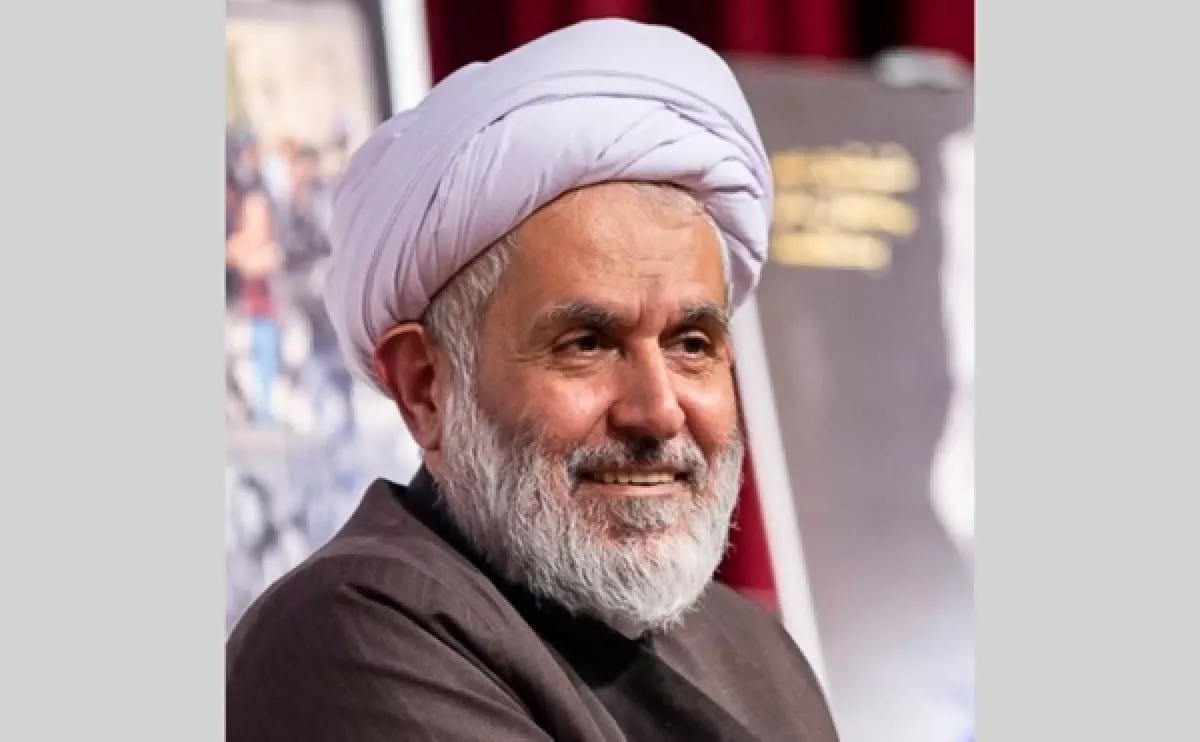
The Basij — the armed militia loyal to the ruling authorities — is currently headed by Hossein Taeb, who also led the organisation in 2009 and oversaw the suppression of protests during the so-called “Green Movement”, when between 1.5 million and 4 million people took part in protest marches in Tehran alone.
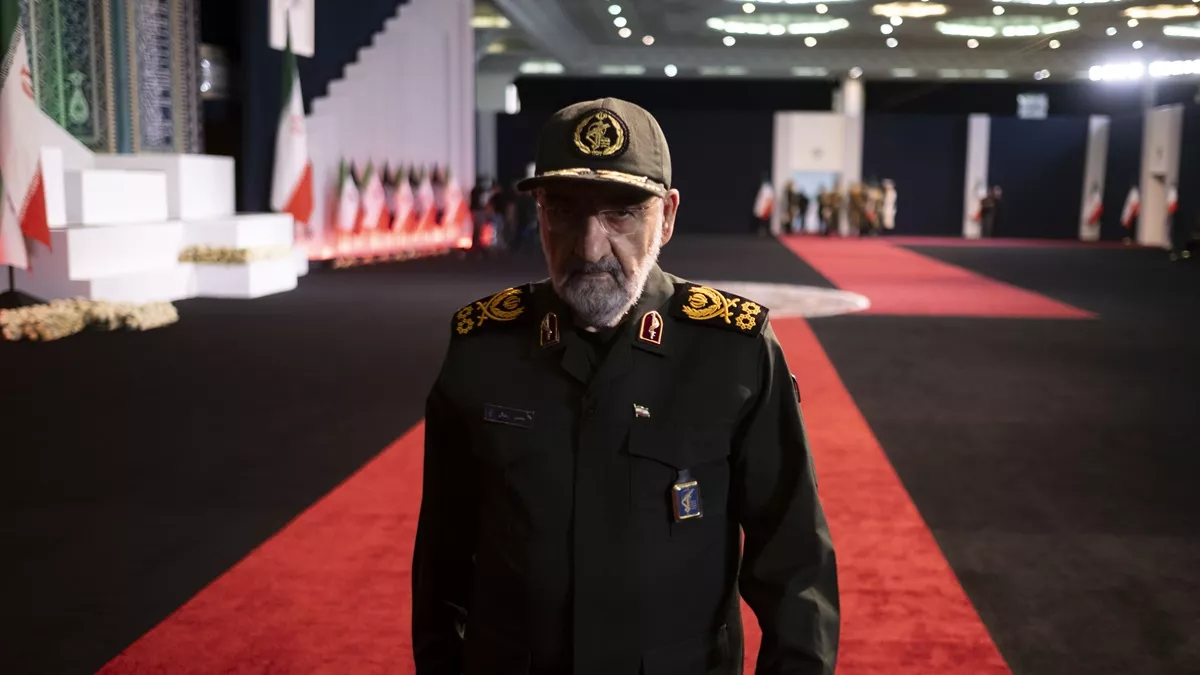
The Supreme National Security Council (SNSC), a body bringing together representatives of all of Iran’s security forces and other branches of government, is headed by Mohsen Rezaei. During the war with Iraq, he served as commander of the IRGC (Islamic Revolutionary Guard Corps — the country’s second army, where the most religious officers and conscripts are selected) and is effectively one of the founders of the Islamic Republic of Iran.
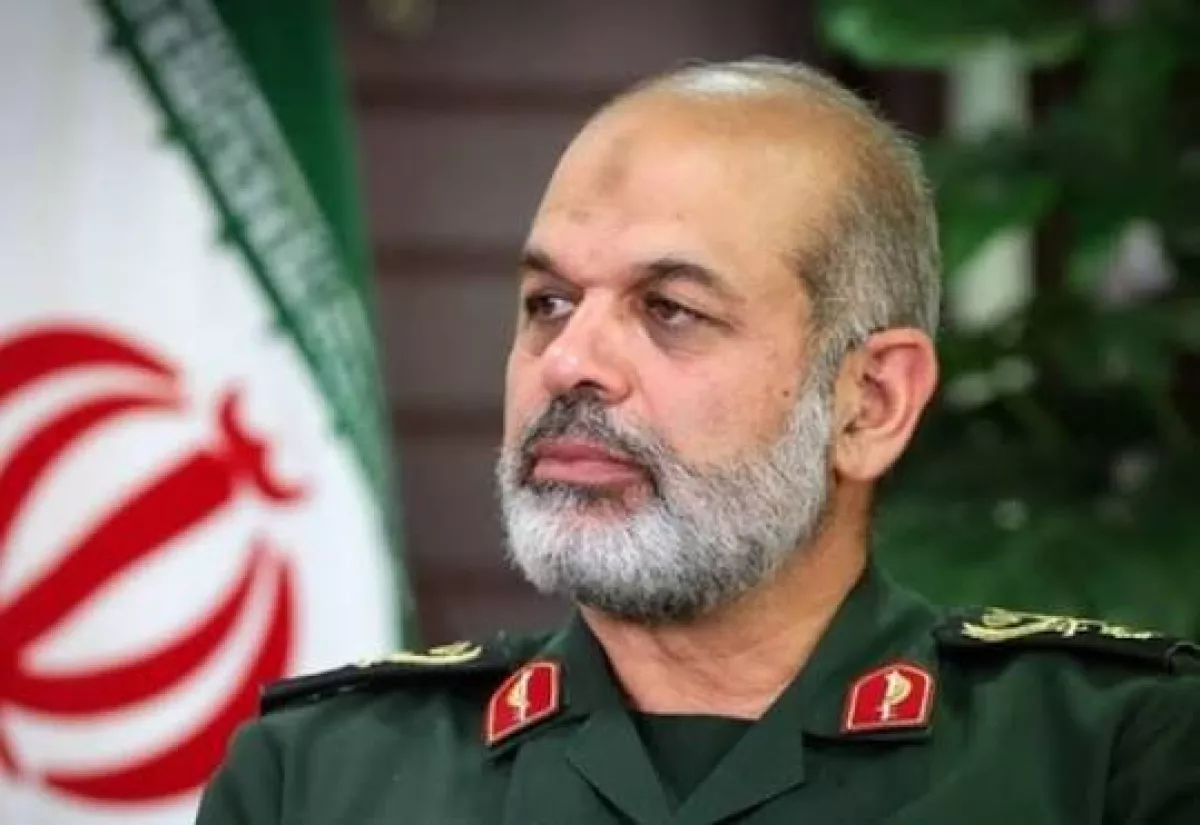
Finally, the country’s main military-political and economic force — the IRGC, which has brought under its control state and private companies accounting for around half of GDP — is headed by General Ahmad Vahidi, who belongs to the most radical wing of Iran’s political spectrum. He is a former commander of Iran’s Quds Force, responsible for overseas operations. In Argentina, General Vahidi was accused of involvement in the 1994 bombing of a Jewish community centre, in which hundreds of civilians were killed or injured. He denies the allegations.
In any case, the leaders of the IRGC and the Basij will not back down. They were among those who laid the foundations of the Islamic Republic and have ensured its survival for decades.
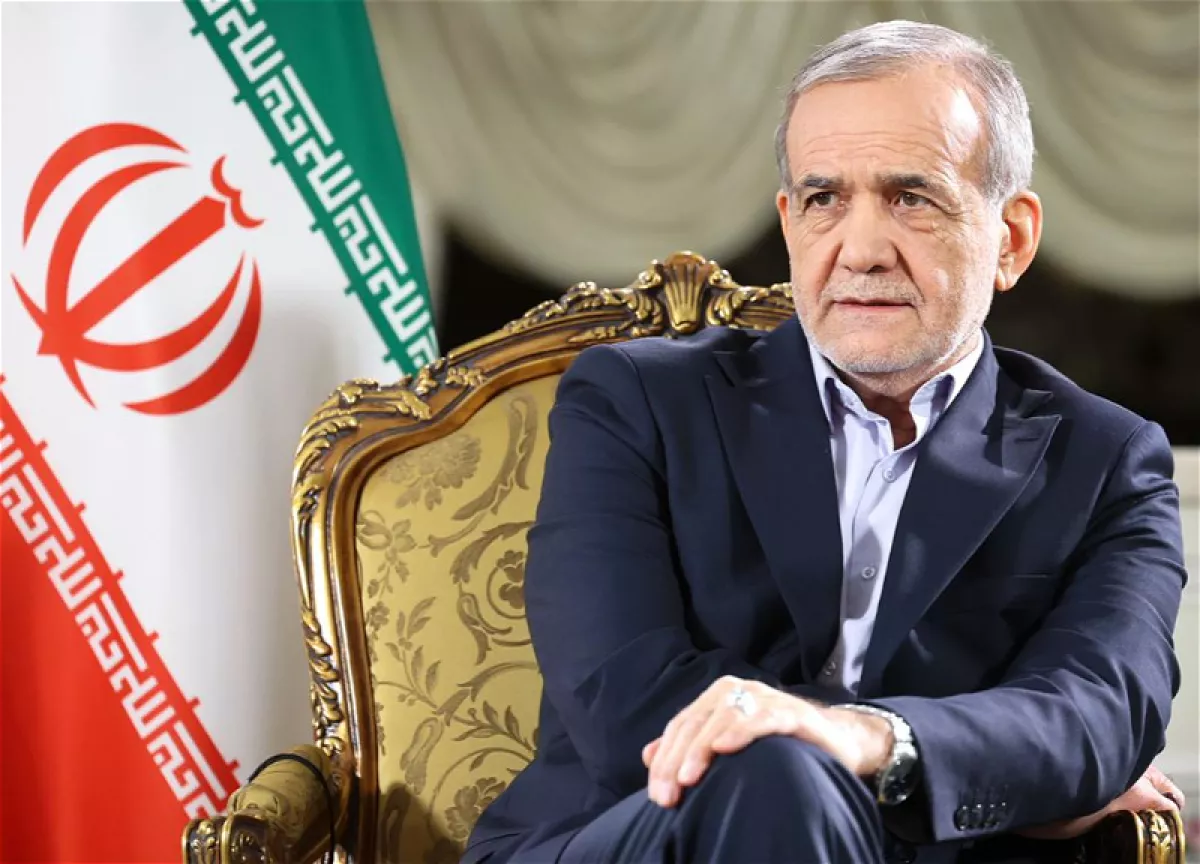
Against this backdrop, President Masoud Pezeshkian stands out as someone inclined towards compromise and peaceful solutions. The president has considerable powers in domestic and economic policy, but does not control the armed forces, including the IRGC, which report to the Supreme Leader.
However, this does not mean that the authorities are stable — simply that street protests are largely ineffective. So what, then, could threaten the Islamic Republic?
First, strikes. Israeli analyst Oded Ailam, a former senior Mossad official, notes that, unlike street protests, strikes cannot be shot at. Workers and specialists can simply stay at home, paralysing their enterprises and, along with them, the authorities in power. The shutdown of transport and the cessation of operations in the petrochemical industry would make it impossible, or at least extremely difficult, to move troops. In 1978, powerful strikes, particularly in the oil industry, seriously undermined the Shah’s regime economically. Workers formed strike committees and other forms of self-organisation, while the shutdown of the oil industry sharply reduced government revenues.
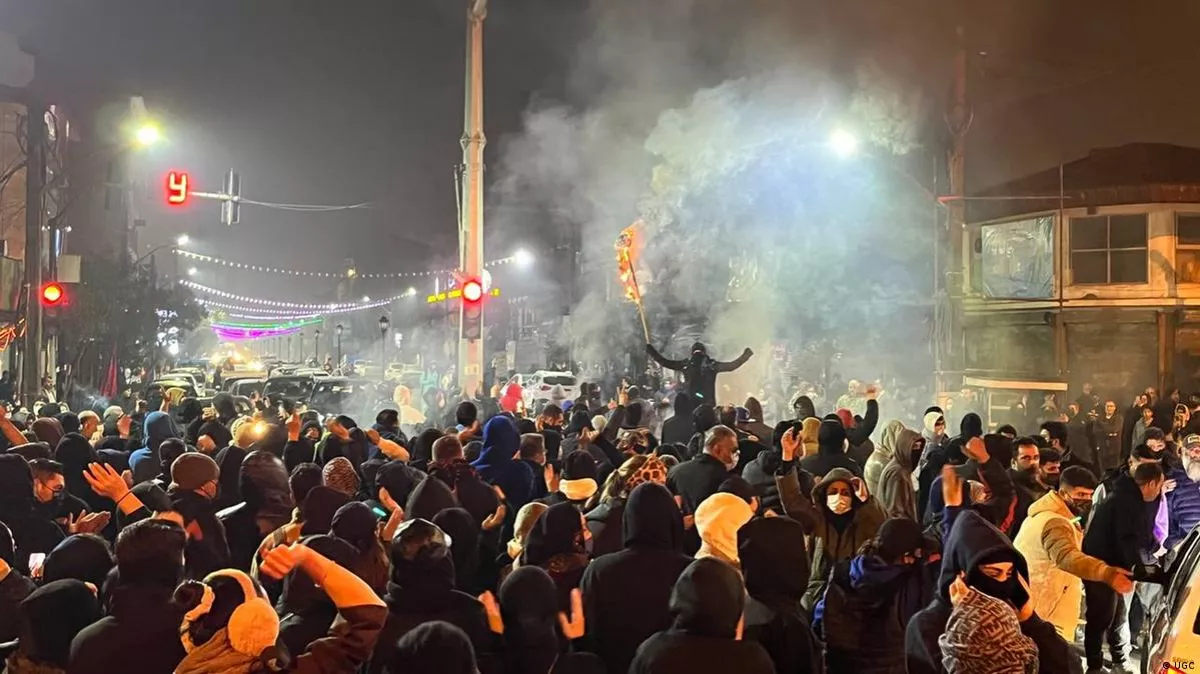
However, Iranian workers today frequently go on strike, and many strikes are controlled by trade unions rather than councils. Like most trade unions throughout history, they are not inclined towards radical action, having spent long periods negotiating and reaching compromises with factory owners. This distinguishes them from the revolutionary model of councils that emerges during so-called non-union “wildcat strikes”.
Before the 1978 revolution in Iran, the number of wildcat strikes increased by 20–30 each year. Although they were primarily aimed at securing higher wages and did not raise political slogans, they ultimately led to the accumulation of radical experience that was put into practice during the events of 1978. We are not seeing anything similar today. Class solidarity among workers is not sufficiently strong and is not as radical as it was in 1978–1979, during the revolution.
The second factor is less clear and requires further study. Saeed Ghasseminejad, one of the leaders of Iran’s monarchist opposition, points out that, unlike the major metropolitan areas, Iran’s smaller cities could change the course of events if they join the protests or begin taking part in them on a much larger scale.
Here, many or some residents possess firearms of their own. In addition, tribal and family ties remain strong, as do various ethnic and religious communities. Unlike in major metropolitan areas, where social ties are highly fragmented, local multi-class communities, comprising both poor and wealthy residents, remain bound together by these alliances. A situation could arise in which a quarter of a city belongs to a particular tribe or community and responds to the death or injury of its members with an uprising.
The third factor is partly related to the previous point. Between 10 million and 15 million Kurds live in Iran, and there are areas with concentrated Kurdish populations. There, as well as in neighbouring Iraq, Kurdish armed groups linked to the separatist movement operate. Six of them have formed an alliance with the goal of overthrowing the Iranian authorities.
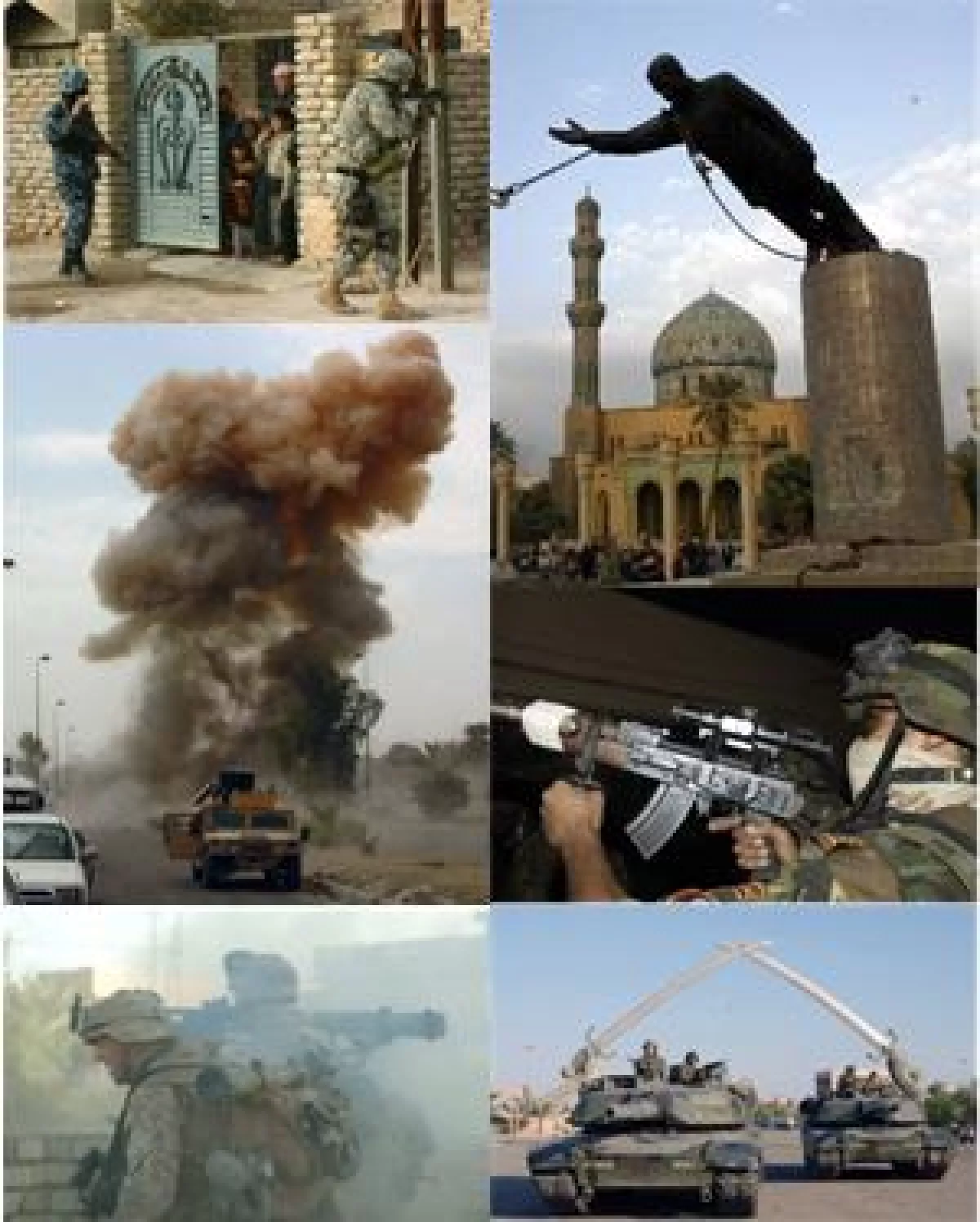
The United States has repeatedly cooperated with Kurdish groups in the past, first in the fight against Saddam Hussein’s regime in Iraq and later in Syria, where the Americans armed Kurdish forces to fight ISIS and the regime of Bashar al-Assad.
The United States could, in the event of further escalation, attempt to apply a strategy previously used in Syria and Afghanistan: supporting the domestic opposition and providing it with air cover by striking enemy forces. Iranian armed opposition groups, including Kurdish groups, could also be used as allies, although the scale and nature of any such support remain unclear.
After the US midterm elections, Washington could theoretically expand its strikes against Iranian infrastructure, including oil refineries, power plants and bridges. For now, however, the administration is refraining from launching a large-scale campaign of this kind, fearing its economic and political consequences.
Large-scale US strikes on Iranian infrastructure could trigger a fuel, energy and economic crisis, undermine the country’s territorial integrity and lead to fighting between government supporters and opponents in individual regions. In such a scenario, Iran could become a failed state — a collapsed state incapable of threatening US interests or blocking strategically important straits.
Growing economic difficulties amid the US blockade and sanctions are weakening, but have not yet dismantled, the Islamic Republic. However, further escalation could change the situation: the United States and Iran’s domestic opposition could use the scenarios outlined above either separately or in combination.







 editor@caliber.az
 +994 55 444-88-98
 Азербайджан, Баку, ул. Низами, 203, Af Business House, 5-й этаж