










Golf, politics and the big bargain: Why Donald Trump flew to Dublin Analysis by Matanat Nasibova
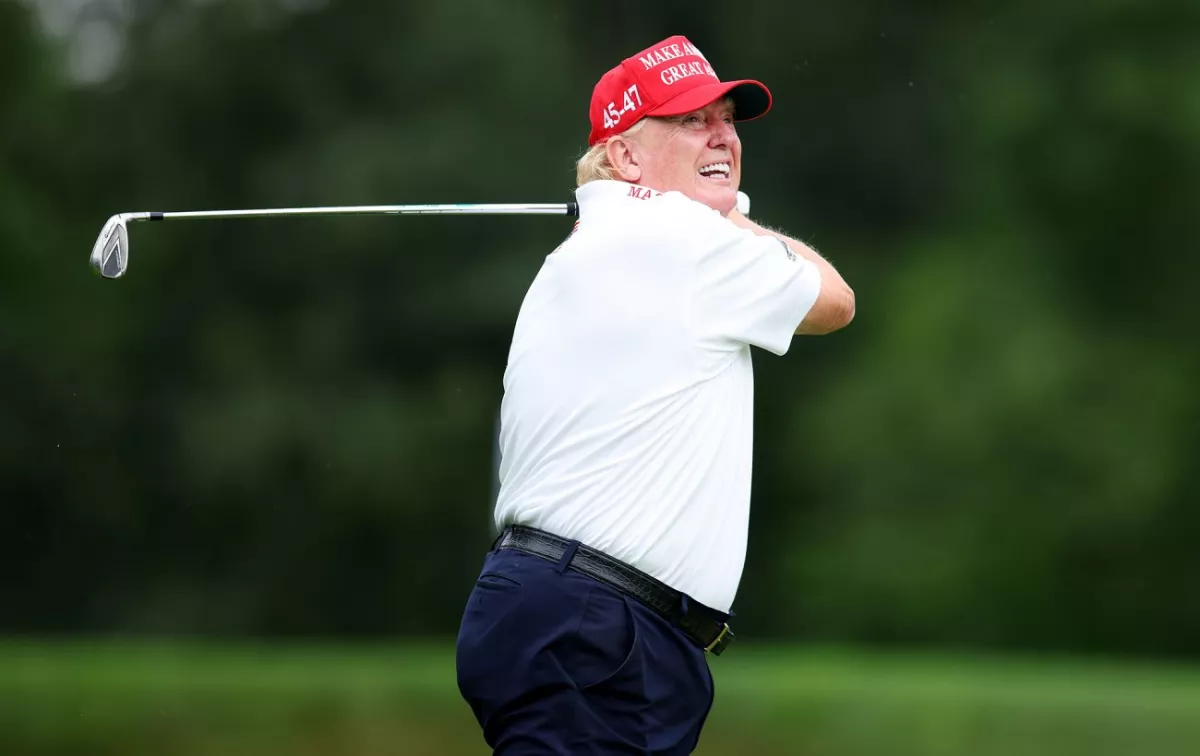
Donald Trump’s visit to Ireland on September 12–13 may have been unofficial, but it carried considerable political weight. His meetings in Dublin with President Catherine Connolly and Prime Minister Micheál Martin, followed by a trip to County Clare to attend the Irish Open at his Doonbeg golf resort, offered a vivid illustration of the US president’s trademark approach: blending high-level diplomacy with the promotion of his personal brand.
But behind the golf course and deliberately informal setting lies a much tougher geopolitical agenda. Dublin is emerging as a convenient venue for direct dialogue between Washington and the European Union — one that allows Trump to engage European leaders outside the cumbersome machinery of Brussels and potentially reshape the tone of transatlantic relations.
Ireland has historically remained one of the most reliable and closely connected European states to the United States, while also being a full member of the eurozone. American technology and pharmaceutical giants play an enormous role in the Irish economy, accounting for around 10% of all jobs in the country. This gives Dublin a powerful economic incentive to maintain the most constructive possible relationship with Washington.
Nevertheless, the current visit is taking place against the backdrop of deep disagreements over a number of key issues, including international trade, global security and Middle East policy.
The differences are particularly pronounced on Middle East issues. The Irish government openly opposes the US strategy in the region: Dublin has formally recognised the State of Palestine, consistently supported the establishment of an independent Palestinian state within the 1967 borders, and imposed a strict ban on imports of goods from illegal Israeli settlements in the West Bank. The same logic is reflected in its response to the White House’s peace initiatives: while Trump has promoted his own plan through a Board of Peace, which envisaged the disarmament of Hamas and the deployment of international forces, Ireland has reacted to these ideas with extreme caution, strongly criticising any attempts to act outside the authority of the United Nations.
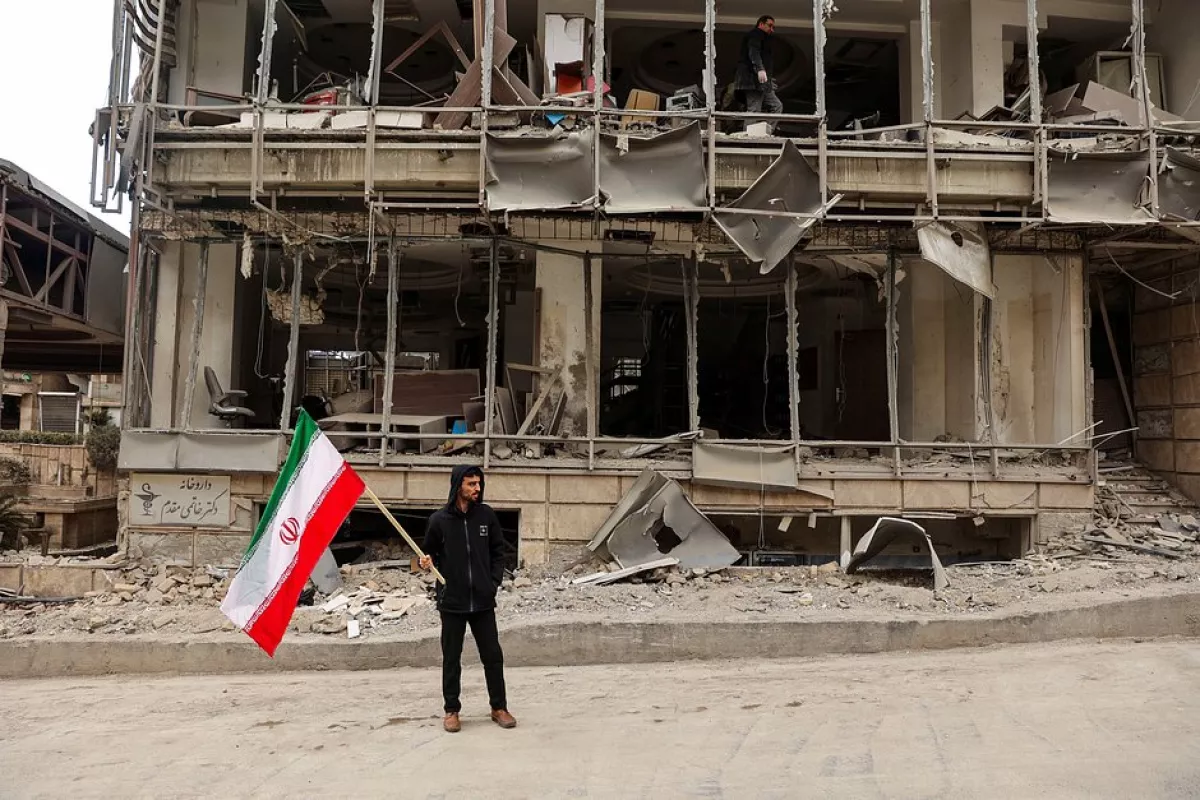
Similar differences in outlook are evident over Iran. Adhering to its longstanding policy of military neutrality and remaining outside NATO, Ireland opposes military escalation and US or Israeli strikes, and has repeatedly called for respect for international law.
The wider conflict has also driven up energy prices, creating a serious political headache for the Trump administration ahead of the midterm elections. Against this backdrop, analysts suggest that Washington may see Dublin as a convenient and relatively low-key channel for gauging European positions. The United States also has an interest in making European governments more aware of the economic costs of maintaining close ties with Washington.
This points to a new model of engagement between Washington and its European partners, in which the White House prefers direct dealings with individual capitals rather than relying exclusively on Brussels. Trump himself appeared to confirm this approach shortly before leaving Washington, saying: “We're having a lot of meetings with European leaders and others, so it'll be a very interesting time — we have a lot of trade.”
It is therefore unsurprising that trade and European security featured prominently in the talks. Against the backdrop of Polish Prime Minister Donald Tusk’s warnings about the risk of provocations along Europe’s borders, the debate over whether Europe can defend itself independently has intensified, particularly if US involvement is scaled back. Washington’s message is straightforward: if Europe wants greater security, it must be prepared to shoulder a larger share of the financial burden.
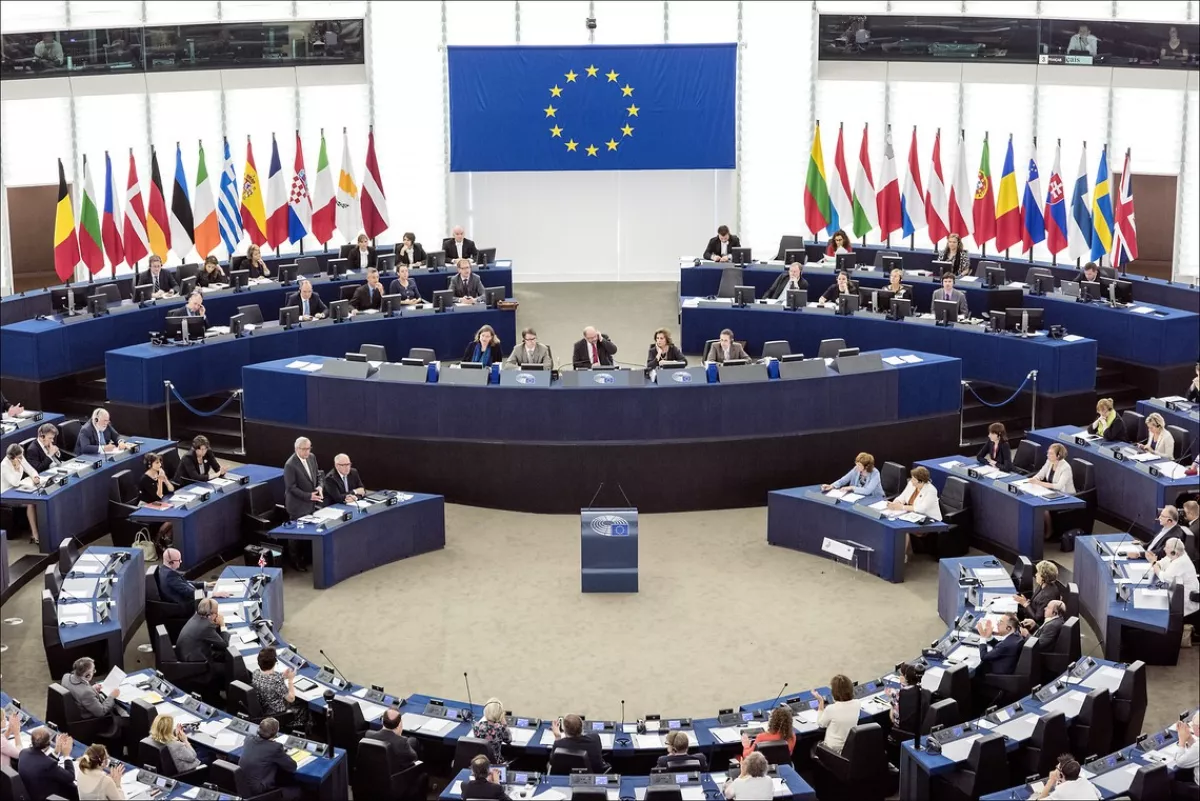
Ireland’s international standing is further enhanced by its presidency of the Council of the EU, making the country a particularly prominent platform. Against this backdrop, Trump’s visit to Ireland has become a serious test of the European Union’s resilience amid internal disputes over how united and independent European foreign policy can be without the US security umbrella.
Undoubtedly, meeting with the Irish leadership allows Trump to simultaneously test the waters for pressure on trade and defence while maintaining personalised ties with European leaders. Ultimately, a new architecture of transatlantic relations is taking shape, in which the United States demands greater strategic autonomy from Europe while firmly reserving the right to shape the global agenda.







 editor@caliber.az
 +994 55 444-88-98
 Азербайджан, Баку, ул. Низами, 203, Af Business House, 5-й этаж