










Can Germany create its own nuclear shield? Foreign experts on Caliber.Az
Against the backdrop of its large-scale rearmament, Germany could theoretically move toward developing its own nuclear weapons, raising concerns about the potential rise of militaristic and nationalist sentiments.
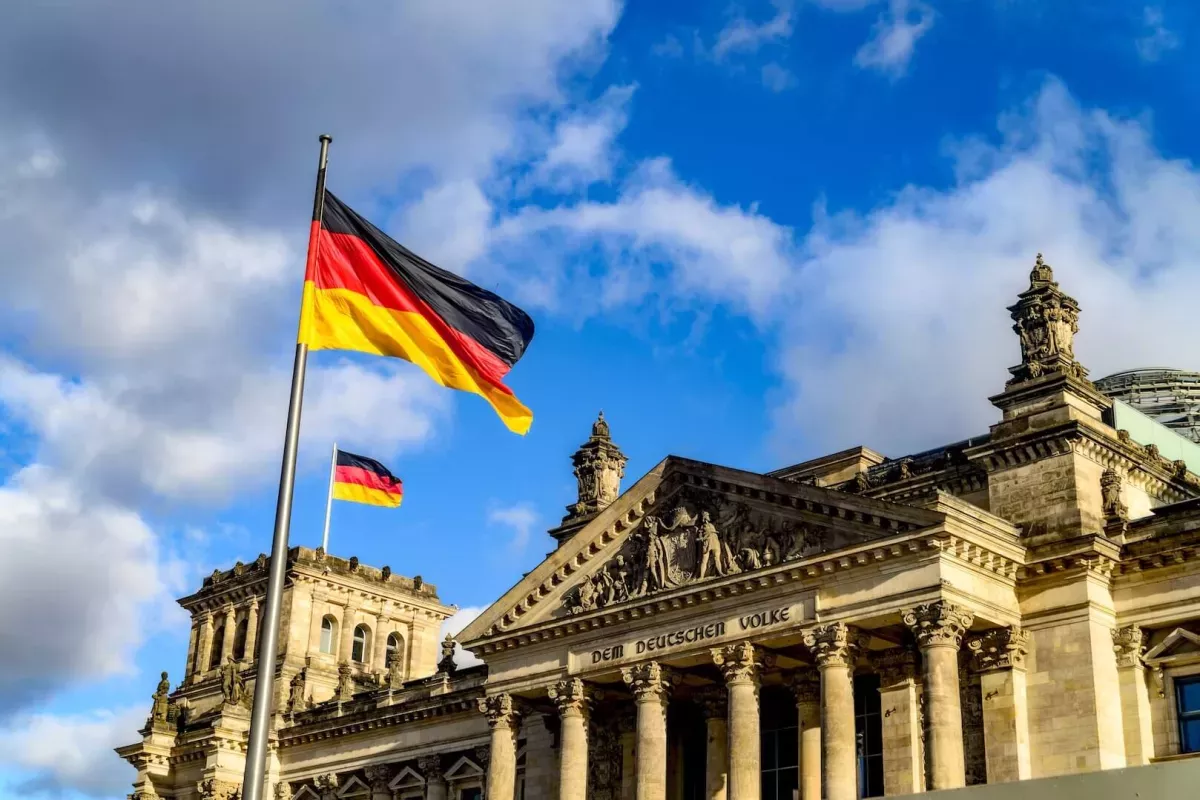
According to the Swiss publication Neue Zürcher Zeitung, Berlin plans to allocate more than €700 billion to defence by 2030, increase the size of the Bundeswehr from 186,000 to 260,000 personnel, and establish a reserve force of around 200,000.
At the same time, several scenarios for Germany’s future are being considered, including a stronger position for the Alternative for Germany (AfD) and a more independent German military policy in Europe. Under one such scenario, Germany could begin developing its own nuclear weapons. According to chemist Rainer Moormann, Germany has the necessary capabilities from a technical standpoint; he estimates that developing a nuclear warhead could take around three to five years.
How justified is Germany’s drive to rearm, and can it genuinely strengthen security without creating new threats to international stability? Foreign analysts share their views with Caliber.Az.
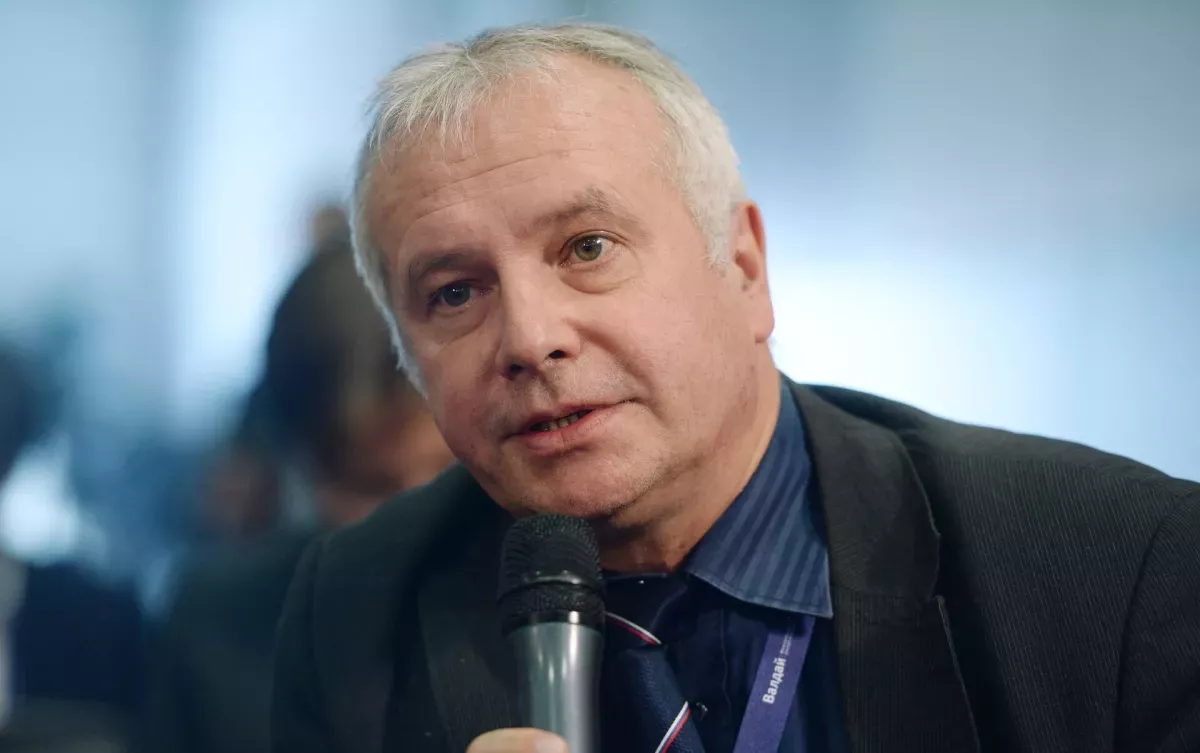
Thus, German political scientist Alexander Rahr, a professor at the WeltTrends Institute for International Politics in Potsdam, believes that Germany is indeed embarking on a dangerous militaristic path.
“Berlin intends to replace the United States as Europe’s military and economic leader, as the Americans reduce their presence in the region. And, notably, no one in Europe is opposing Germany’s rearmament. In other words, the history of Hitler’s Germany seems to have been somewhat forgotten by other European nations, and the countries of the Old Continent trust Berlin and are giving it a free hand in all areas, even when it comes to developing its own nuclear weapons, which experts believe Germany could develop in as little as a year.
At the same time, Europe is preparing for a military conflict with Russia, while pacifist movements both in Germany and across Europe have long been suppressed.
Britain is probably quietly behind the militarisation of Germany and Europe. It is in Britain’s interest to see the Old Continent become a giant of the future world, independent of the United States and capable of standing its ground militarily and economically thanks to Germany’s strength—in competition with the US and BRICS,” Rahr said.
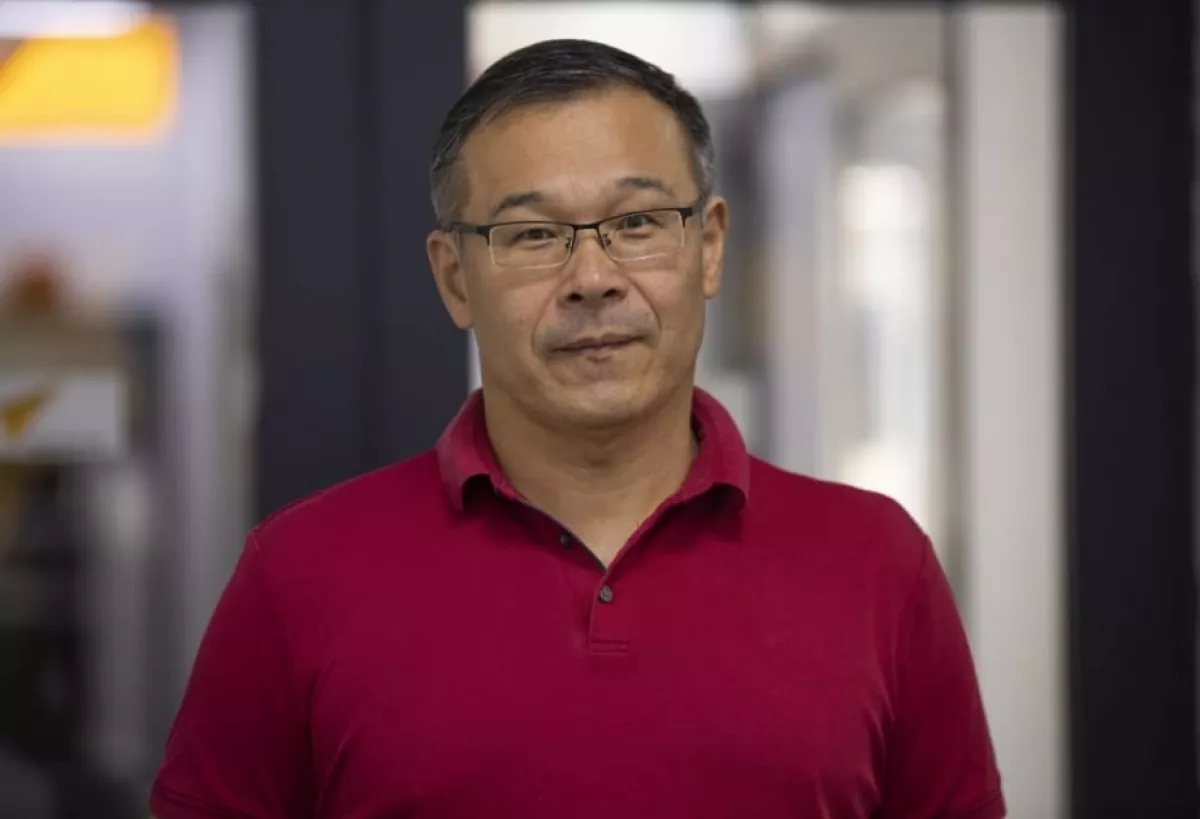
In turn, Sheradil Baktygulov, Director of the Global Policy Institute of Kyrgyzstan, noted that Germany’s drive toward militarisation, known as the Zeitenwende (“turning point”), is being presented as a forced response to changes in Europe’s security architecture.
“Two factors are cited to justify it: the Russian-Ukrainian conflict and the reform of NATO by the United States, one element of which is President Trump’s policy of ‘transactionalism.’ Berlin has decided that Europe must assume greater responsibility for its own defence, while Germany, as Europe’s largest economy, should play a leading role.
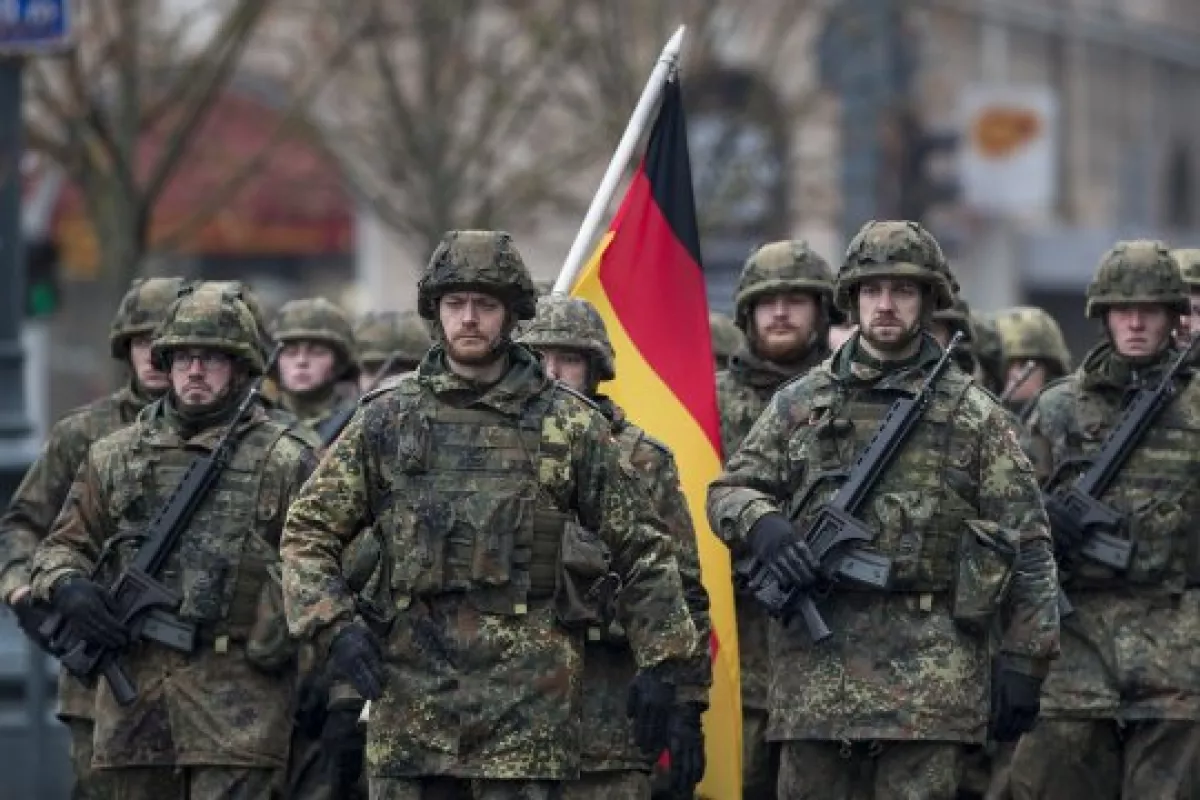
The first steps are already impressive. Germany has established a €100 billion special fund for the Bundeswehr, carried out a constitutional reform allowing for increased defence spending, and Chancellor Friedrich Merz has set the goal of turning the armed forces into the ‘strongest army in Europe.’ By 2029, the defence budget could reach €150 billion annually, while more than €700 billion could be allocated to defence by 2030. Germany is also planning to return to a system of compulsory military registration, effectively signalling a revival of conscription.
However, there is a gap between ambitions and capabilities: Germany is still unable to effectively translate the funds allocated into combat-ready units. The arms procurement system, as well as shortages of equipment and ammunition, have come under criticism. According to experts, the Bundeswehr will not be able to become Europe’s strongest army before 2039.
At the same time, questions arise about the consequences for other countries. Even without any ambition for German dominance, its neighbours may begin to perceive its growing military power as a threat. Particularly serious concerns centre on who will control this army in five, 10 or 20 years. Europe remembers Germany’s historical experience, while a possible rise to power of the far-right Alternative for Germany could amplify these risks. Therefore, the question of ‘What happens next?’ remains open.
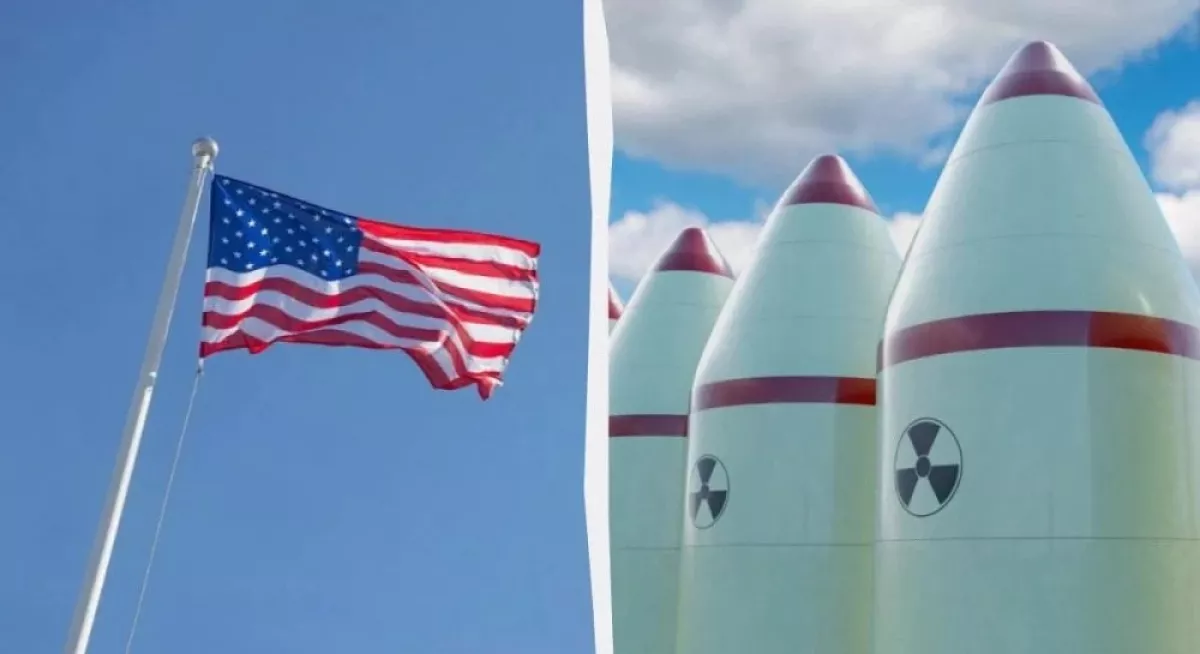
Another weak point in Germany’s logic is that the United States is not withdrawing its ‘nuclear umbrella’ over Europe, meaning that Washington remains the main guarantor of European security. The security architecture is changing, but the United States has no intention of handing NATO leadership over to Germany.
There are also questions surrounding Germany’s development of its own nuclear weapons. Technically, this is possible, but Berlin would have to address the issues of uranium enrichment and nuclear testing. Germany has no nuclear test site of its own, so the process from development to a deployable weapon could take more than four to five years.
It also remains debatable whether militarisation would actually enhance Germany’s and Europe’s security. Supporters argue that building up military capabilities is necessary to deter Russia amid the changing role of the United States in Europe. However, such an approach could exacerbate the ‘security dilemma’ and trigger a further arms race.
Another issue is the procurement of American Tomahawk missiles. Planning their combat use and providing targeting information depend on US intelligence capabilities, which calls Germany’s strategic autonomy into question. The decision has also drawn criticism in France as being contrary to the idea of European defence autonomy.
Finally, massive military spending could exacerbate domestic tensions, including as a result of cuts to funding for education and healthcare. At the same time, Germany’s defence industry may not be ready to rapidly increase its production of military equipment.
Success in ensuring security depends not only on the size of the army and the quantity of weapons. Much more important is how Germany balances deterrence and dialogue, as well as how it manages relations with its European allies, above all France. So far, Berlin has not been able to get this balance right,” Baktygulov concluded.







 editor@caliber.az
 +994 55 444-88-98
 Азербайджан, Баку, ул. Низами, 203, Af Business House, 5-й этаж