










Baku and Tashkent are piecing together the Turkic puzzle Expert opinions on Caliber.Az
Azerbaijan and Uzbekistan are steadily strengthening their allied relations. Over the past five years, the leaders of the two countries have made 15 reciprocal visits, while the Supreme Interstate Council has become a key mechanism for political coordination. Azerbaijani President Ilham Aliyev’s upcoming state visit to Uzbekistan could give a fresh impetus to bilateral cooperation.
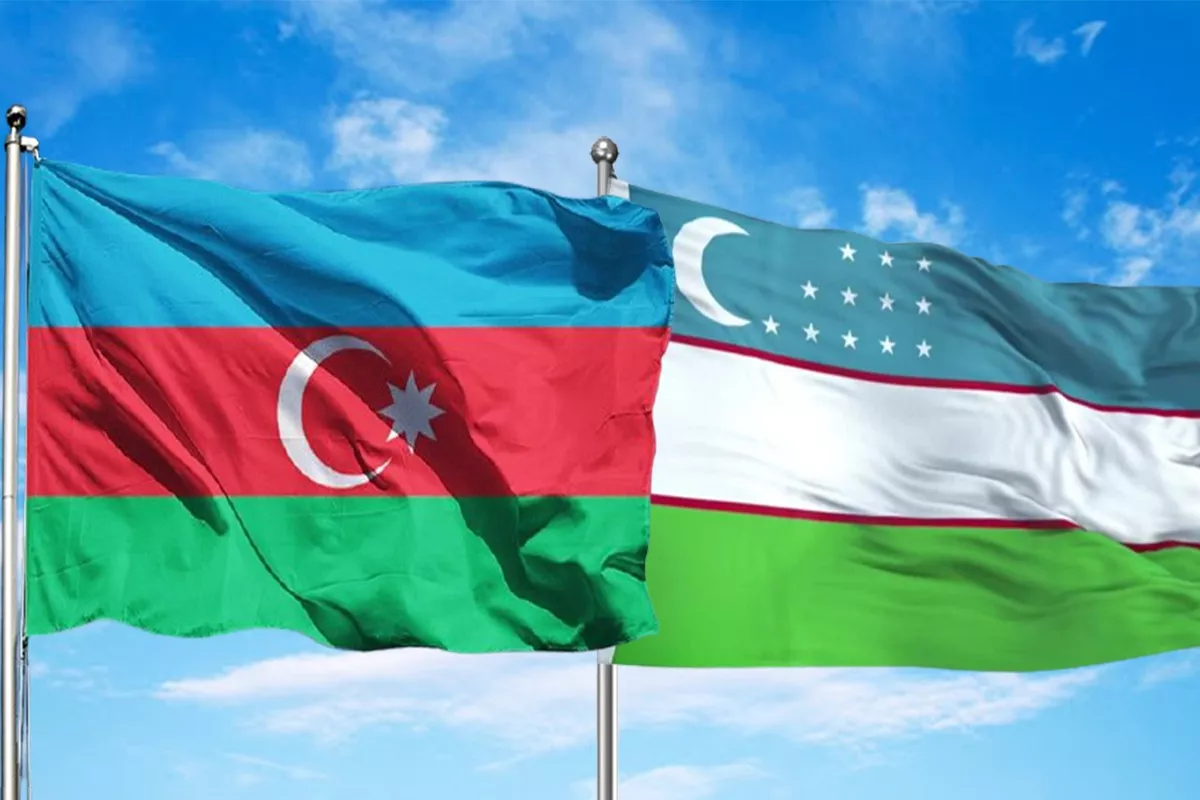
Cooperation between the two countries is developing dynamically across all areas. Trade and economic ties, in particular, are expanding significantly: in 2025, bilateral trade more than tripled to $795 million, while in January–May 2026, it increased by a further 33%. Green energy is also emerging as an important area of cooperation, with Azerbaijan, Kazakhstan, and Uzbekistan implementing a “green corridor” project to transmit renewable energy from Central Asia to Europe.
How are the level and prospects of Azerbaijani-Uzbek relations assessed today? Which areas of cooperation between the two countries hold the greatest potential, and what role do the Organisation of Turkic States (OTS) and the C6 format play in bringing the two countries closer together? Renowned experts shared their views on these issues with Caliber.Az.
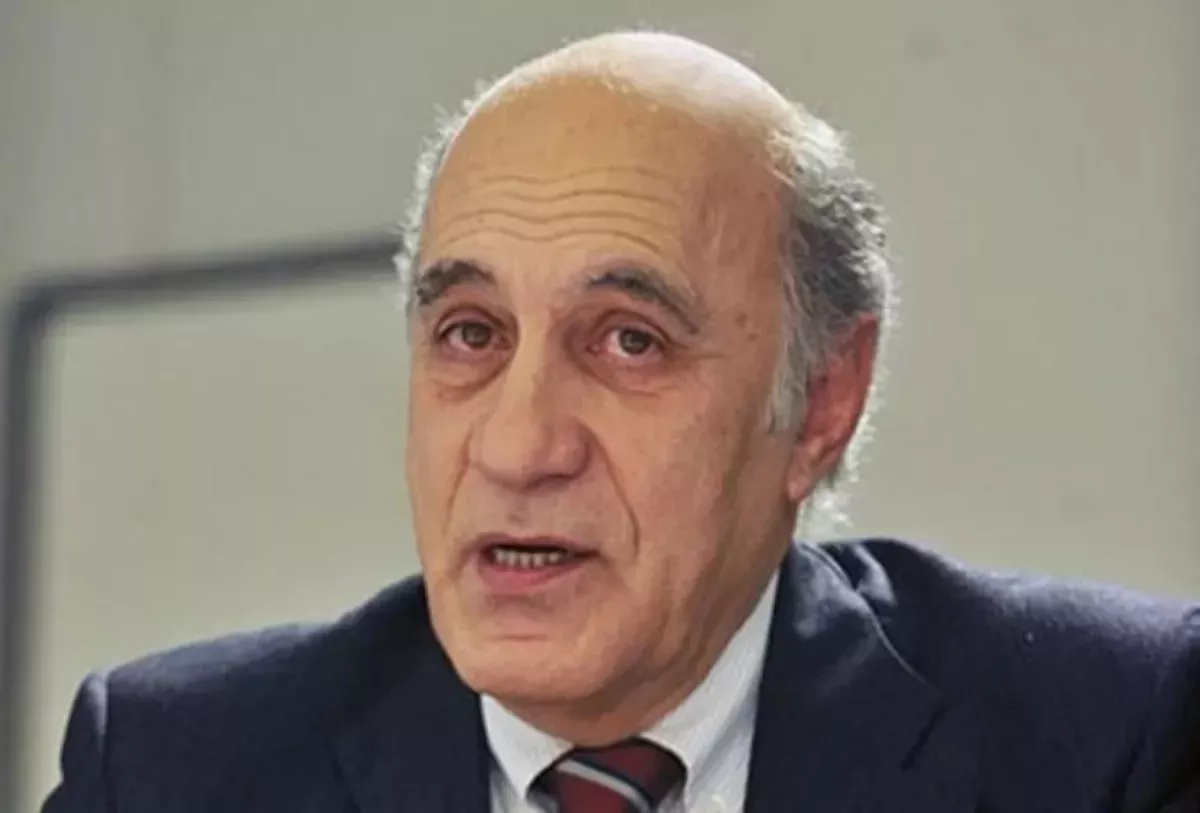
Political analyst and professor at Western Caspian University Fikret Sadikhov noted that the two countries are brought together by a vast number of factors.
“History, language, religion, and a shared outlook and common positions on international platforms all unite us. Essentially, the foundation of bilateral relations, which have already evolved from partnership to alliance, is formed by the agreements that have established a solid legal framework for their further development. In this regard, I believe the visit of our President to Uzbekistan will give additional impetus to the development of bilateral ties.
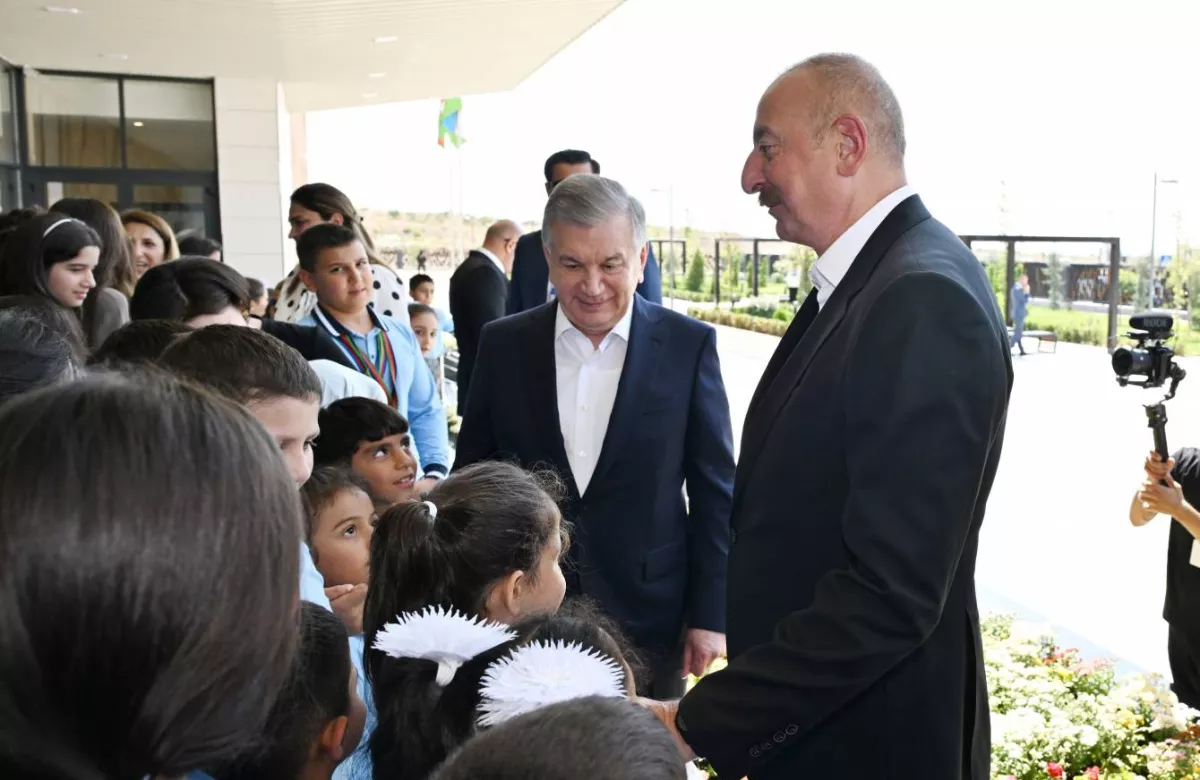
It is important that relations are developing in trade and economic cooperation, energy, and the humanitarian sphere. We are grateful to Uzbekistan for building a school in Fuzuli. Overall, we have very good ties in education: Azerbaijani students study in Tashkent, while Uzbek students study in Azerbaijan, and their numbers are growing. The dynamics here are very positive.
We also share common positions within the framework of the Organisation of Turkic States, while Azerbaijan’s inclusion in the C6 format is evidence of the trust placed in our country, recognition of its important role in the region, and its ability to address many regional and interregional issues. Therefore, I have no doubt that the state visit of the President of Azerbaijan to Uzbekistan will be marked by new agreements and arrangements that will serve the interests of both Azerbaijan and Uzbekistan,” Sadikhov said.
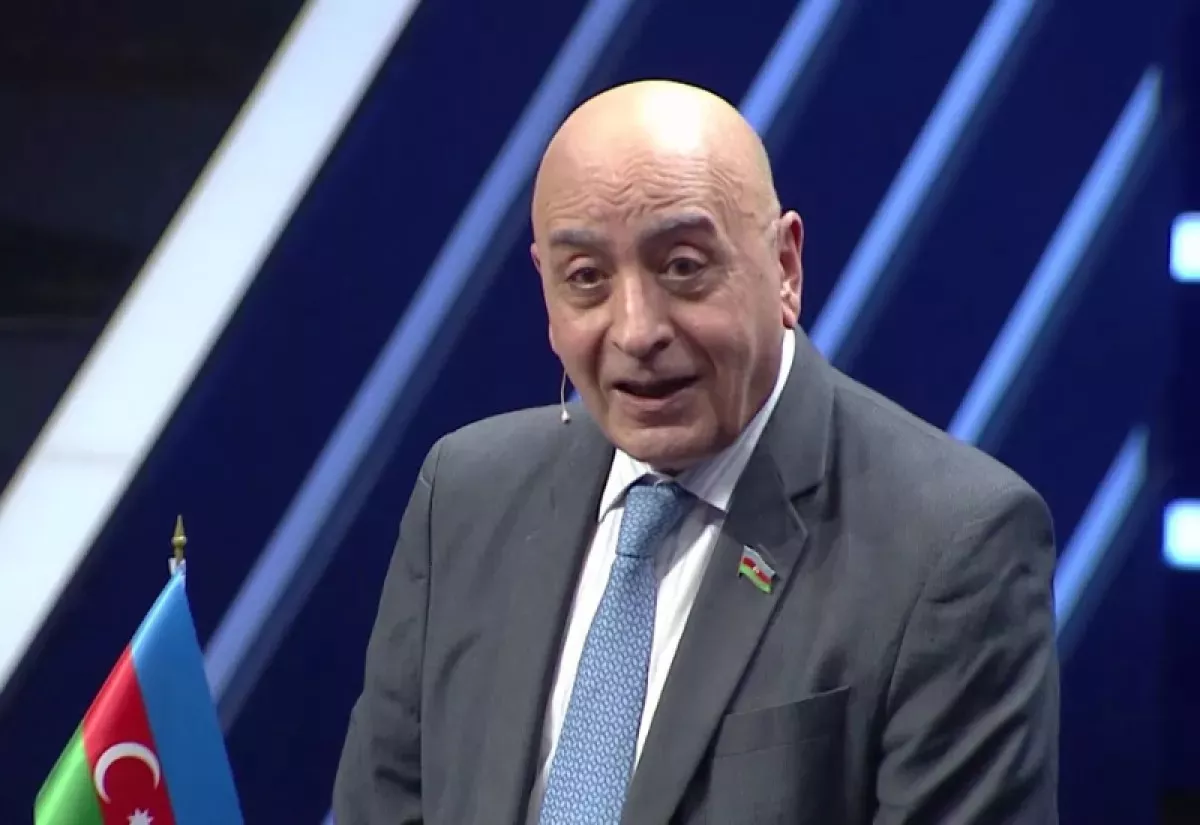
In turn, Azerbaijani MP and political analyst Rasim Musabayov noted that close cooperation between Baku and Tashkent is by no means a recent development.
“Even during the Soviet era, Azerbaijan and Uzbekistan supported each other, and strong cultural ties existed between the two republics. After gaining independence, Uzbekistan was the only newly sovereign state that refused to establish diplomatic relations with Armenia until Armenian forces withdrew from the Azerbaijani territories they had occupied at the time. This was a principled demonstration of support for Azerbaijan.
Since Shavkat Mirziyoyev took office as president, these relations have advanced significantly and evolved into an alliance. Economic ties are being actively expanded, mutual investments are growing, transport and logistics links are being developed, and, very importantly, military cooperation is being strengthened: the two countries conduct joint exercises and engage in mutual procurement of military equipment, while also considering joint projects to produce weapons systems. Logistics also plays a major role. Uzbekistan has announced plans to establish its own fleet on the Caspian Sea in order to launch regular shipping services across the Caspian. This would give the country access to the Mediterranean and Europe via the Azerbaijan–Georgia–Türkiye transport corridor. Azerbaijan, with its highly developed shipbuilding industry, is capable of providing Tashkent with the necessary support in establishing such a fleet,” he said.
The political analyst emphasized that another strategic area of cooperation between the two countries is the exploration and production of oil and gas in Uzbekistan. Azerbaijan has advanced technologies, qualified specialists, and financial resources that can help meet the country’s growing demand for energy resources.
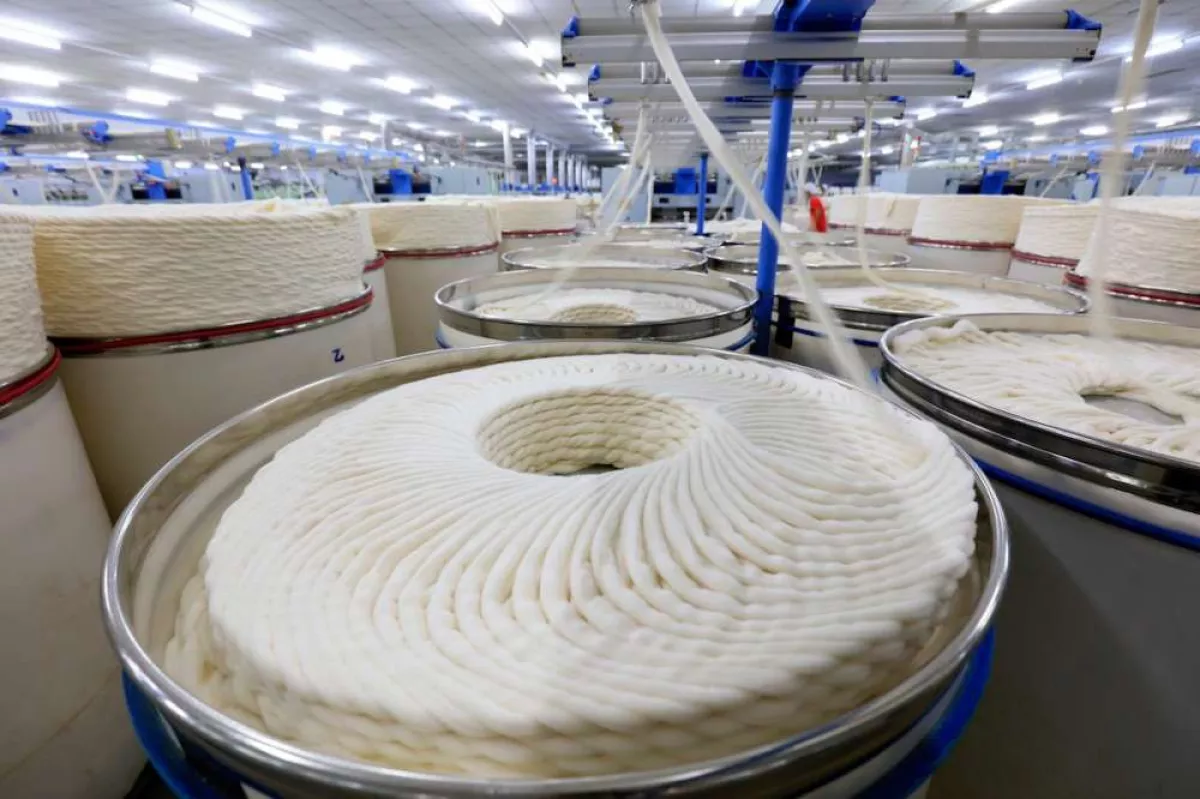
“Uzbekistan, for its part, has a well-developed cotton production and textile industry and is actively promoting its business solutions and expertise in this field in Azerbaijan. Humanitarian and tourism ties have also gained significant momentum, with new air routes being launched and reciprocal investment projects being implemented.
It is very important that, like Azerbaijan, Uzbekistan is not a member of any of Russia’s integration groupings — neither the Eurasian Economic Union (EAEU) nor the Collective Security Treaty Organization (CSTO) — which gives it a certain degree of freedom of action.
Baku plays a leading role in the Non-Aligned Movement, and our country’s chairmanship of the organization went down in its history as one of its most active periods. Uzbekistan will be the next chair of the organization, which is the second-largest international grouping after the United Nations in terms of membership, and Azerbaijan intends to provide Tashkent with comprehensive support so that our countries can speak from positions that are as strong and coordinated as possible while advancing their common interests.
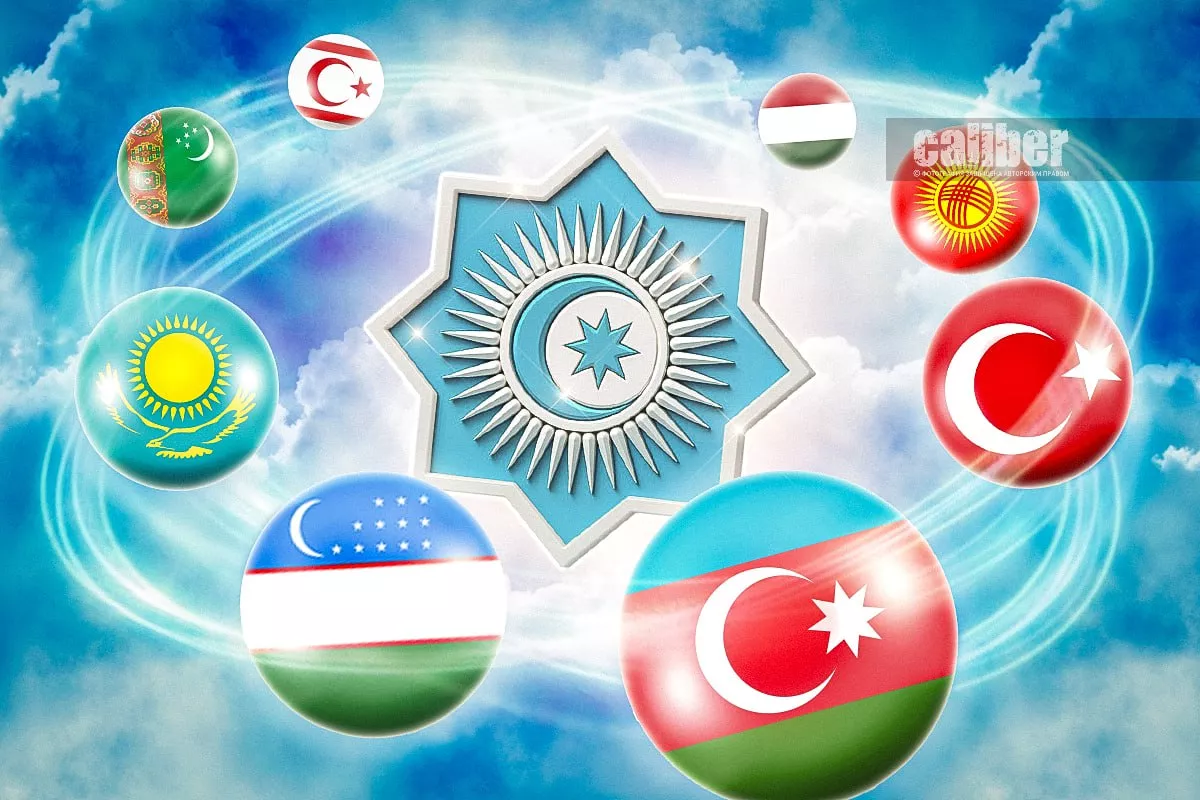
Meanwhile, Uzbekistan’s non-aligned status enables it to actively develop cooperation within the Organisation of Turkic States. If Türkiye, with its strong economy, military, and considerable diplomatic clout, plays the key role in the western part of the Turkic world, Uzbekistan plays that role in the east. Azerbaijan occupies a central position in this system, and Turkic integration is impossible without our country. At the same time, Baku maintains close bilateral ties with the Central Asian states and participates in regional formats, allowing it to play an active role in integration processes.
Thus, an informal yet already tangible geopolitical axis — Tashkent–Baku–Ankara — is effectively taking shape and could become one of the key elements of Turkic integration,” Musabayov concluded.







 editor@caliber.az
 +994 55 444-88-98
 Азербайджан, Баку, ул. Низами, 203, Af Business House, 5-й этаж