










What happens to NATO if France walks away? Expert opinions on Caliber.Az
NATO is seriously concerned that the new French president, who will be elected next year, could withdraw the country from the alliance or from its integrated military structure, Politico reports, citing NATO sources and polling data.
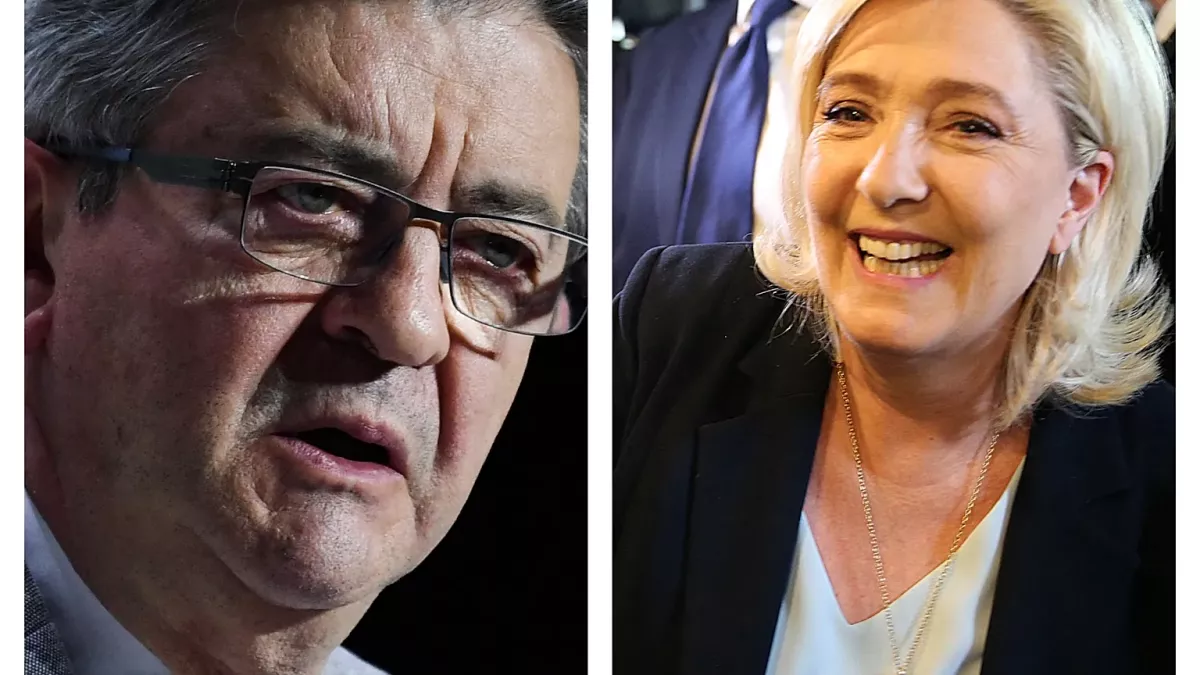
Amid uncertainty over the US commitment to Europe’s defence and as the alliance prepares for a potential conflict with Russia, nearly half of French voters support candidates who oppose NATO membership. These include Marine Le Pen, leader of the National Rally, who advocates France’s withdrawal from NATO’s integrated military structure, and far-left leader Jean-Luc Mélenchon, who calls for France to leave NATO altogether.
France’s withdrawal, which would remove the EU’s only nuclear-armed power from the alliance, would be a major blow to NATO. Its military presence in Romania and Estonia could be called into question, while Germany would have to assume a leading role in the European part of NATO if the US role were reduced.
“We hope that France understands the long-term benefits of a strong NATO … and that [requires] also France to be integrated quite fully in NATO structures,” Finnish Defence Minister Antti Häkkänen said.
An anonymous NATO diplomat admitted: “I fear those elections. Losing France would be dreadful.”
How realistic is the threat of France leaving NATO? How would the alliance change without one of its key members, and could France’s departure set an example for other countries?
Well-known foreign analysts shared their views with Caliber.Az.

British political analyst Neil Watson noted that discussions on this issue often conflate two different scenarios: France leaving NATO’s integrated military structure and France withdrawing from the alliance itself.
“Marine Le Pen was referring specifically to the first option in May 2026: France would remain a NATO member but withdraw its armed forces from the alliance’s integrated command structure. France already operated under such a model from 1966 to 2009. Jean-Luc Mélenchon takes a significantly more radical position, advocating France’s complete withdrawal from NATO.
Thus, talk of France leaving NATO describes only one possible scenario and does not mean that such a withdrawal is inevitable if any candidate critical of the alliance wins.
The threat to NATO is serious, but it does not mean the alliance would immediately collapse. NATO has existed for more than 80 years and would survive even without France. However, Europe’s security architecture would change significantly. France is one of Europe’s largest military powers, a permanent member of the UN Security Council, has its own defence industry and maintains an independent nuclear deterrent.
Following Brexit, France remains the EU’s only nuclear-armed power. At the same time, its nuclear forces remain under exclusively French control, and Paris does not participate in NATO’s Nuclear Planning Group.
If Washington simultaneously reduces its role in European defence while Paris distances itself from NATO, Europe will face a new question over the future of strategic deterrence. Britain’s nuclear forces will remain part of NATO, but the United Kingdom is no longer a member of the EU, while France would find itself positioned between the two systems.
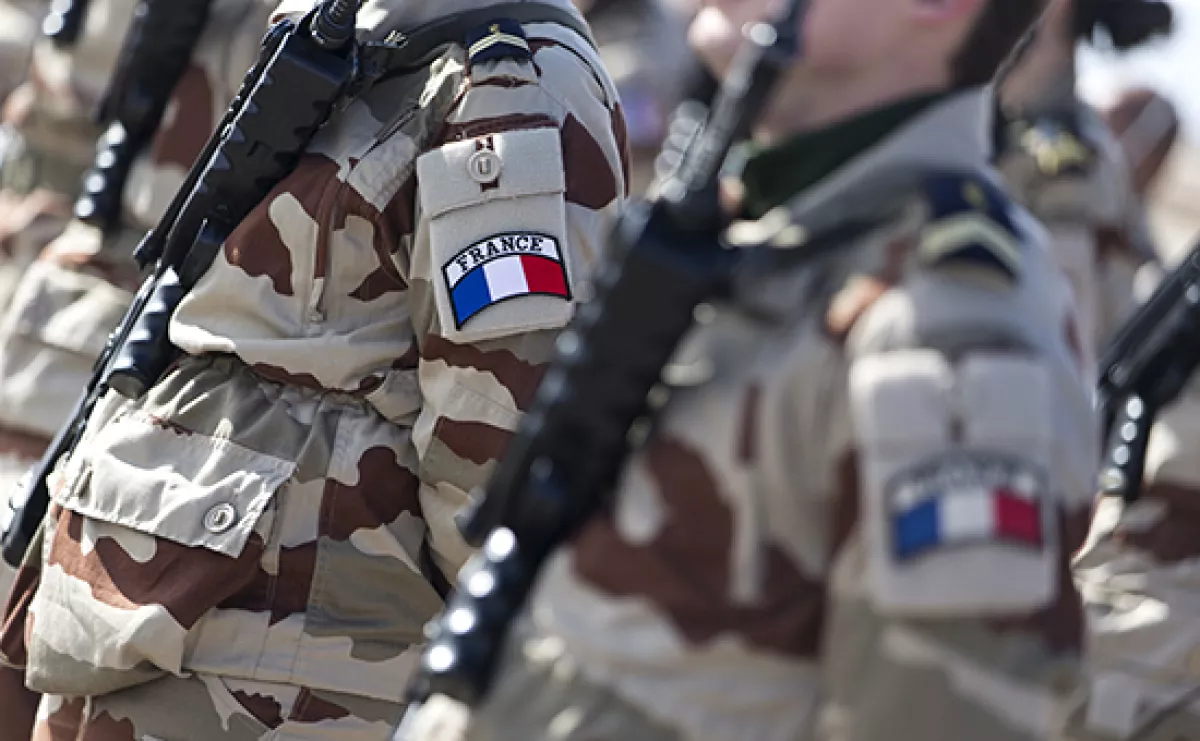
France’s withdrawal from NATO’s integrated command structure would not be a catastrophe, but it would require a review of the alliance’s command and coordination system. French forces could theoretically remain in Eastern Europe under bilateral agreements. Today, they play an important role on NATO’s eastern flank, particularly in Romania, where more than 1,000 French troops and heavy armoured equipment are deployed.
A full withdrawal from NATO would be far more serious. Under Article 13 of the North Atlantic Treaty, withdrawal is possible one year after formal notification to the United States. In such a case, France would lose the protection of Article 5, while the alliance would lose one of Europe’s largest military forces.
However, an automatic domino effect may not necessarily follow. For Poland, the Baltic states, Finland, and Romania, NATO represents a direct security guarantee, whereas France’s tradition of strategic autonomy is historically quite different.
Nevertheless, France’s withdrawal could set a precedent for other countries and strengthen movements advocating neutrality and strategic autonomy. However, the opposite effect is also possible, with other NATO members seeking to preserve the alliance.
France’s full withdrawal would be one of the most serious political blows to NATO, but it would not lead to the alliance’s collapse. The main danger lies in the combination of France distancing itself from NATO and a reduction in the US presence, which could lead to the fragmentation of Europe’s security architecture among NATO, the EU, and bilateral alliances. It is precisely this new configuration of power that could shape Europe’s future,” Watson believes.
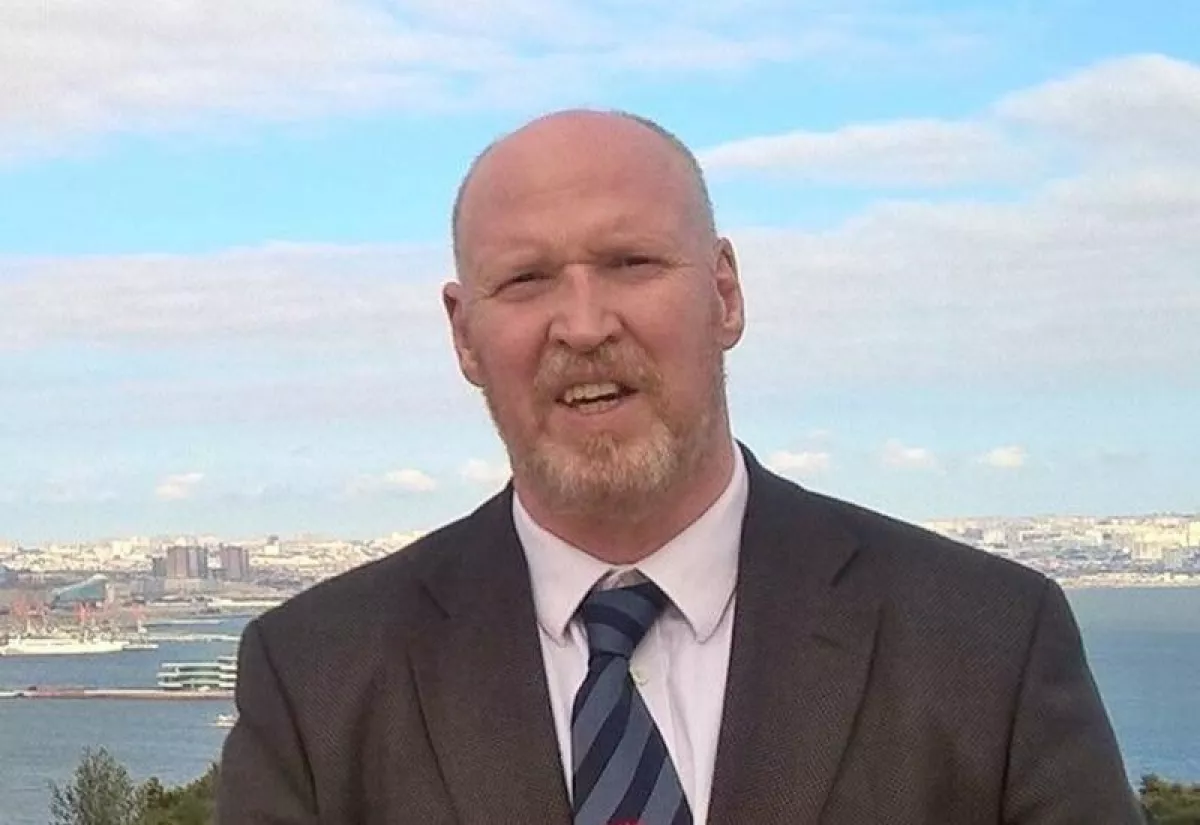
Irish political scientist and historian Patrick Walsh believes that the United States has already set a bad example, and that its actions could have wider repercussions because of Washington’s leadership in the Western world.
“Europe is witnessing a struggle between those who want to adopt Trump’s approach and those who hope to wait out his presidency and return to the previous policy. France is at the very centre of this confrontation.
Washington’s policies have already weakened NATO, while European countries are taking on an increasing share of the costs of supporting Ukraine. If France stops or reduces this support, it would create an even more serious gap in Europe’s defence.
Any Russian actions against Europe would most likely not take the form of a ground invasion, but rather retaliatory strikes in response to support for Ukraine — for example, missile and drone attacks on European logistics and supply hubs.
France withdrawing its support for Ukraine would be a clear victory for Russia and would place an even greater burden on the United Kingdom and Germany. Under these circumstances, a Polish-German axis could become Europe’s main bulwark against Russia, which in turn could strengthen the position of the Alternative for Germany (AfD) and accelerate Europe’s political fragmentation.
Therefore, European leaders will hope for Trump’s political departure to prevent further weakening of European security,” Walsh said.







 editor@caliber.az
 +994 55 444-88-98
 Азербайджан, Баку, ул. Низами, 203, Af Business House, 5-й этаж