










Red Sea shield: what role will Türkiye play in Riyadh’s maritime alliance? Expert opinions on Caliber.Az
The current situation in the strategically important waterways of the Middle East has highlighted the need to establish a new mechanism to protect international trade routes. In this regard, Saudi Arabia has proposed the creation of a multinational maritime defence alliance to counter security threats in the Red Sea, and more than a dozen countries, including Türkiye, have expressed support for the initiative.

Türkiye, however, has not yet officially joined the structure. Nevertheless, negotiations between Ankara and Riyadh are ongoing regarding the alliance’s legal framework, scope of responsibilities, and operational mechanisms. In this context, the Turkish side, alongside representatives of other countries and the European Union, took part in a meeting organised by Saudi Arabia’s Ministry of Defence in Riyadh on July 30, where new security mechanisms aimed at protecting international maritime routes, preventing attacks on commercial vessels, and ensuring global trade were discussed. Following the meeting, a statement was adopted in which the participating countries, including Türkiye, voiced support for the planned alliance.
How is the prospect of Türkiye joining the initiative viewed within the country itself? And will this new structure be able to ease tensions in the Middle East, particularly around strategically important maritime chokepoints? Caliber.Az asked experts from Türkiye and Kazakhstan for their views.

International relations expert at the Ankara Center for Crisis and Policy Studies (ANKASAM) Göktuğ Çalışkan noted that Ankara was indeed among the 14 countries that supported the maritime defence alliance proposed by Saudi Arabia in a joint statement issued on July 30.
“Turkish President Recep Tayyip Erdoğan welcomed the alliance and condemned Houthi attacks on vessels in the Red Sea. However, providing political support, legally joining the charter, and deploying naval vessels for a specific operation are three different stages. The structure, as expected, will not impose direct defence commitments similar to NATO, and each country will independently decide the extent of its participation in any given operation.
Türkiye may contribute through individual missions by providing staff officers, intelligence data, training, unmanned aerial vehicles, or naval vessels. It should also be noted that this region is not new territory for the Turkish side. The Turkish Navy has been operating in the Gulf of Aden and off the coast of Somalia since 2009. In addition, Türkiye has assumed command of Combined Task Force 151, which combats maritime piracy, on seven occasions, while the Grand National Assembly of Türkiye has extended the deployment of Turkish naval forces in the region until February 2027,” he said.

According to the political analyst, the first practical step for Türkiye could be the deployment of liaison officers and intelligence personnel to the alliance’s operational centre, which is expected to be based in Riyadh.
“Information on commercial shipping routes, satellite imagery, coast guard data, and radar intelligence could be accumulated at a unified centre, while Turkish frigates, maritime patrol aircraft, and unmanned systems could be used for reconnaissance, surveillance, escort, and search-and-rescue operations. At the same time, it should be taken into account that the threat here is more complex than the traditional form of piracy: the Houthis are capable of using anti-ship missiles, attack drones, and explosive unmanned underwater vehicles. Therefore, joint operations and potential exercises should focus on missile and drone defence, electronic warfare, firefighting, and the evacuation of wounded personnel. Developing radar capabilities, strengthening port security, and enhancing the coast guard capacities of coastal states such as Djibouti and Somalia are also crucial for long-term security.
I believe Türkiye’s main focus will be on ensuring clarity regarding the definition of its mission, because intercepting a missile targeting a commercial vessel and striking a launch site in Yemen carry different political and legal consequences. Ankara needs to clearly distinguish between escort and defensive missions and ground operations. The region is also home to the EU’s Aspides and Atalanta operations, as well as various international task forces. It is essential that the new alliance operates in coordination with these existing mechanisms,” the expert said.
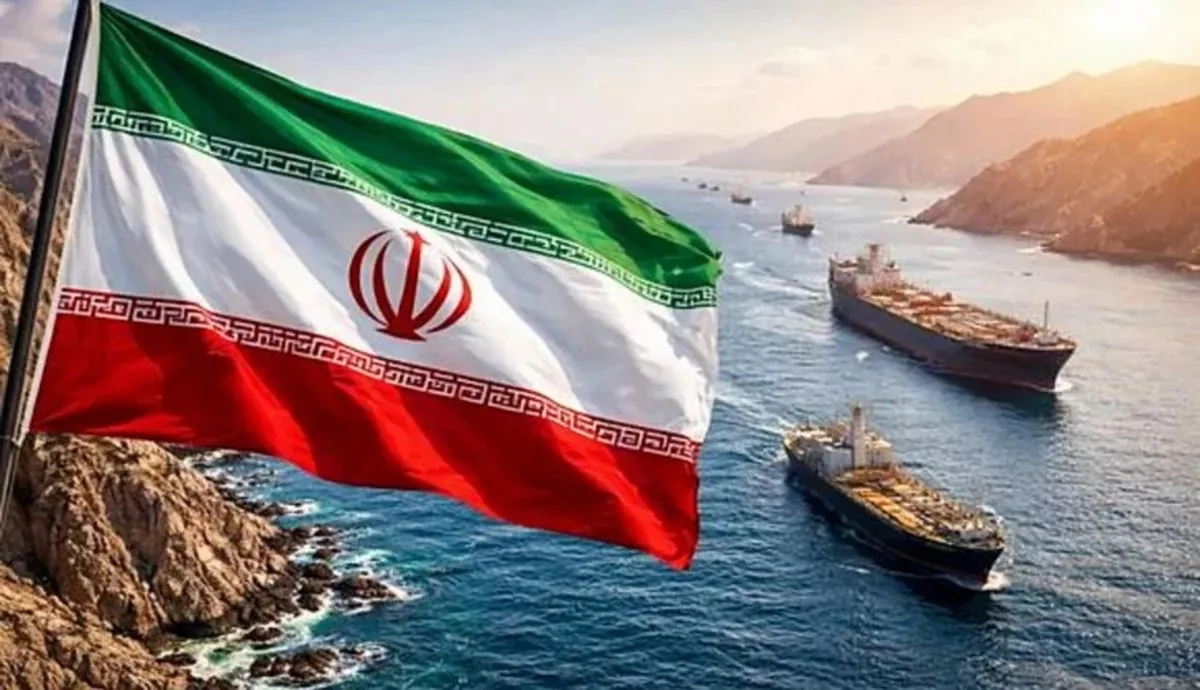
He also noted that the Strait of Hormuz lies outside the alliance’s stated area of operation, although its economic and strategic links to the region are significant.
“Due to disruptions in the Strait of Hormuz, a significant portion of Saudi oil is transported via pipelines to the Red Sea coast, from where it reaches global markets through the Bab el-Mandeb Strait. Therefore, ensuring the security of this route would help maintain the uninterrupted operation of an energy corridor bypassing the Strait of Hormuz and partially mitigate the impact of any crisis on global oil prices.
However, if the alliance takes the form of a bloc aimed at containing Iran, Tehran could respond by increasing pressure on the Strait of Hormuz. For this reason, the most rational approach for Türkiye would be gradual participation, clear rules of engagement, and a defence-oriented understanding of the mission,” Çalışkan said.

Meanwhile, Kazakh military expert Amangeldy Kurmetuly views the creation of a maritime defence alliance in the Middle East as a positive initiative from an ideological standpoint. However, in practical terms, he believes it currently resembles more of a coalition against Iran and its proxies, which could lead to increased resistance from Tehran.
“At this stage, it remains unclear what mechanism the alliance will establish to protect shipping in the Gulf of Aden, the Bab el-Mandeb Strait, and the Red Sea. Therefore, for now, I view this initiative only as a declaration. I believe that diplomacy and international law should be at the forefront of efforts to de-escalate the conflict in the Middle East, and double standards are unacceptable in this regard. At the same time, it should be taken into account that even if a maritime alliance is established in the region, Iran and its proxies will continue to develop countermeasures. Another important issue is whether there will be full unity among the countries that may join this structure.
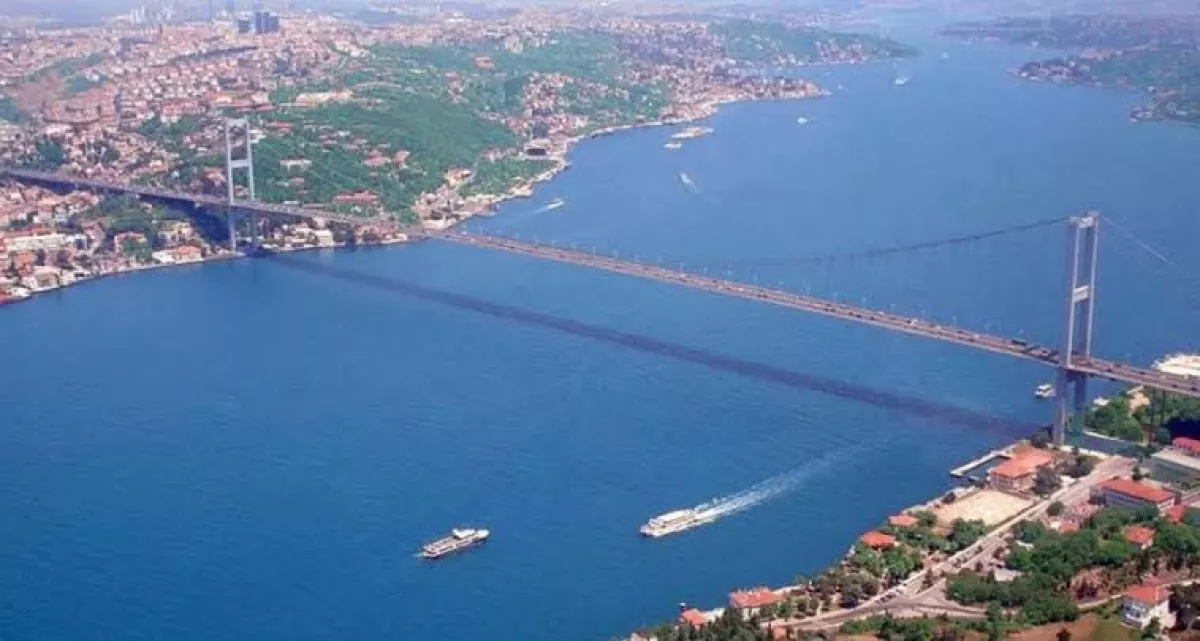
Furthermore, it is currently unclear how exactly the alliance’s mechanism will function, what member states will do in the event of an attack on ships, and other practical issues. In other words, there are still many unanswered questions, making it difficult to make predictions at this stage. Nevertheless, the value of the idea itself should be recognised. I believe that the Mediterranean and Black Seas, as well as the Suez Canal and the Bosphorus Strait, could also become part of this security framework for protecting maritime traffic, as they are important routes connected to the Middle East’s maritime arteries,” Kurmetuly concluded.







 editor@caliber.az
 +994 55 444-88-98
 Азербайджан, Баку, ул. Низами, 203, Af Business House, 5-й этаж