










TRIPP route: Have the main obstacles been removed? Azerbaijani and Armenian experts on Caliber.Az
Issues related to the development of transport connectivity have recently gained exceptional importance due to the turbulent processes unfolding around the world. In this context, growing attention is being drawn to the implementation of the TRIPP project — the “Trump Route for International Peace and Prosperity” — as well as to the positions of various international actors regarding this future transport artery.
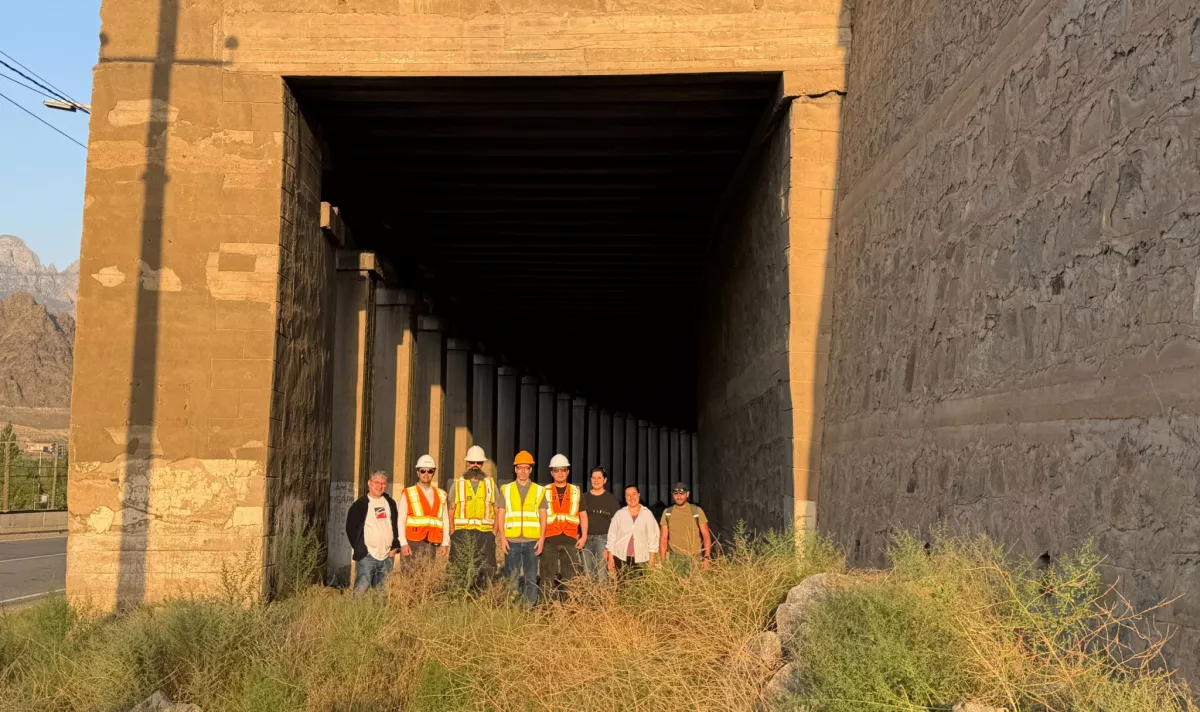
Against this backdrop, the arrival of US engineers in Armenia to study the territory where the “Trump Route” will be built, as reported by Armenian media, is of particular interest. As for the positions of regional countries on TRIPP, here too one can cautiously speak of a positive trend. In particular, Iranian Ambassador to Armenia Khalil Shirgholami recently stated that TRIPP does not pose a threat to the security of the Islamic Republic.
However, despite this positive momentum, the following question cannot be overlooked: Could the turbulent developments unfolding along the United States–Iran track, where the situation is constantly hovering on the brink of peace and war, affect the implementation of the project?
Caliber.Az asked Azerbaijani and Armenian experts to share their views on this issue.
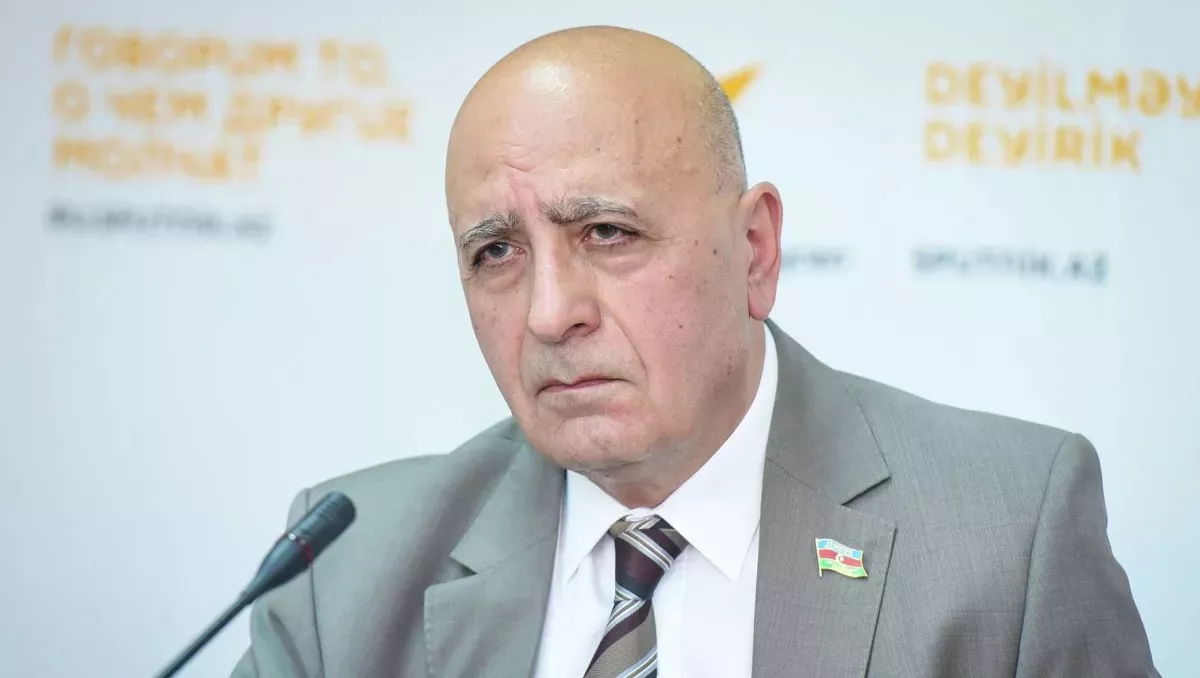
In particular, Azerbaijani MP and political analyst Rasim Musabayov believes that despite the challenging backdrop, the implementation of the TRIPP project has already entered the practical phase.
“Today, we can speak of accelerated momentum in the construction of the ‘Trump Route’ from both sides of the border. However, a certain degree of political uncertainty surrounding the project still remains, as the Iranian side continues to issue differing statements. For example, the Iranian ambassador to Yerevan makes one set of remarks, as he is obliged to take into account the position of the host country, while Ali Akbar Velayati, an adviser to Iran’s Supreme Leader, expresses a completely different view, stating that Tehran considers the project categorically unacceptable.
Nevertheless, despite this background, work on the project is moving ahead at full pace, especially since US Secretary of State Marco Rubio signed an agreement on behalf of the United States concerning the implementation of TRIPP during his visit to Armenia in early June, while Prime Minister Pashinyan stated that one of the first decisions of the new parliament would be the ratification of this document. In addition, the issue of financing has already passed through the relevant US institutions. Therefore, it can be considered that the main obstacles to launching the project on the ground have been overcome. Of course, certain issues related to TRIPP’s operating regime and security will still need to be discussed, including in light of Iran’s concerns,” the political analyst said.

He also drew attention to Russia’s intention to become involved in the project: “On the Russian side, statements are periodically made that Armenia’s railways are managed by Russian Railways (RZD), that certain railway sections should be built exclusively by the Russian side, as well as reminders that Russian border guards remain deployed along certain sections of the Armenian border. In other words, Moscow is seeking to ensure that its participation in the project is officially recognised. I believe that certain Russian concerns and proposals regarding TRIPP may be taken into account, but I do not think that the United States or Armenia are ready to concede any share in the project itself to Russia.”
According to the MP, the key task at present is to move from political agreements to large-scale infrastructure construction.
“It is fundamentally important for us that the restoration of the railway and the construction of a modern highway begin, as this process will take a year and a half. At the same time, by the end of this year Azerbaijan will have fully reached the border with Armenia and is actively preparing its own infrastructure for future growth in transport flows by increasing its capacity. At the same time, China is rapidly improving transport infrastructure in Central Asia. All of this will inevitably lead to a sharp increase in cargo volumes from both Central Asian countries and China along the Middle Corridor as a whole. Under these circumstances, the existing transport infrastructure through Azerbaijan and Georgia will not be sufficient; therefore, the implementation of TRIPP needs to be accelerated,” Musabayov said.

In turn, Samvel Meliksetyan, an expert at the Armenian Council research centre and a participant in the “Peace Bridge” civil initiative, where he oversees issues related to logistics and communications, once again noted that specialists from the US company AECOM visited the southern part of Armenia at the end of June and beginning of July. He said that the company’s experts had visited the area three times over the past year to assess the terrain, evaluate the condition of the infrastructure, and prepare a feasibility study for the project.
“Sections of the Soviet-era railway infrastructure, including tunnels and other facilities, have been preserved in these areas, and an assessment of their condition could significantly affect the scope of construction work required for the restoration of the railway on this section. In addition, unlike the Soviet-era route, the new railway must be electrified, which also requires the creation of additional infrastructure and an assessment of challenging sections of the terrain. In other words, we have now reached the point where the discussion has moved into the practical phase — what exactly will be built, how it will be built, and how much it will cost,” he noted.
Regarding Iran’s reaction, the expert believes that it will depend on how long the conflict with the United States continues and how Yerevan and Tehran manage to maintain dialogue throughout this period. However, overall, he said, his outlook remains optimistic.
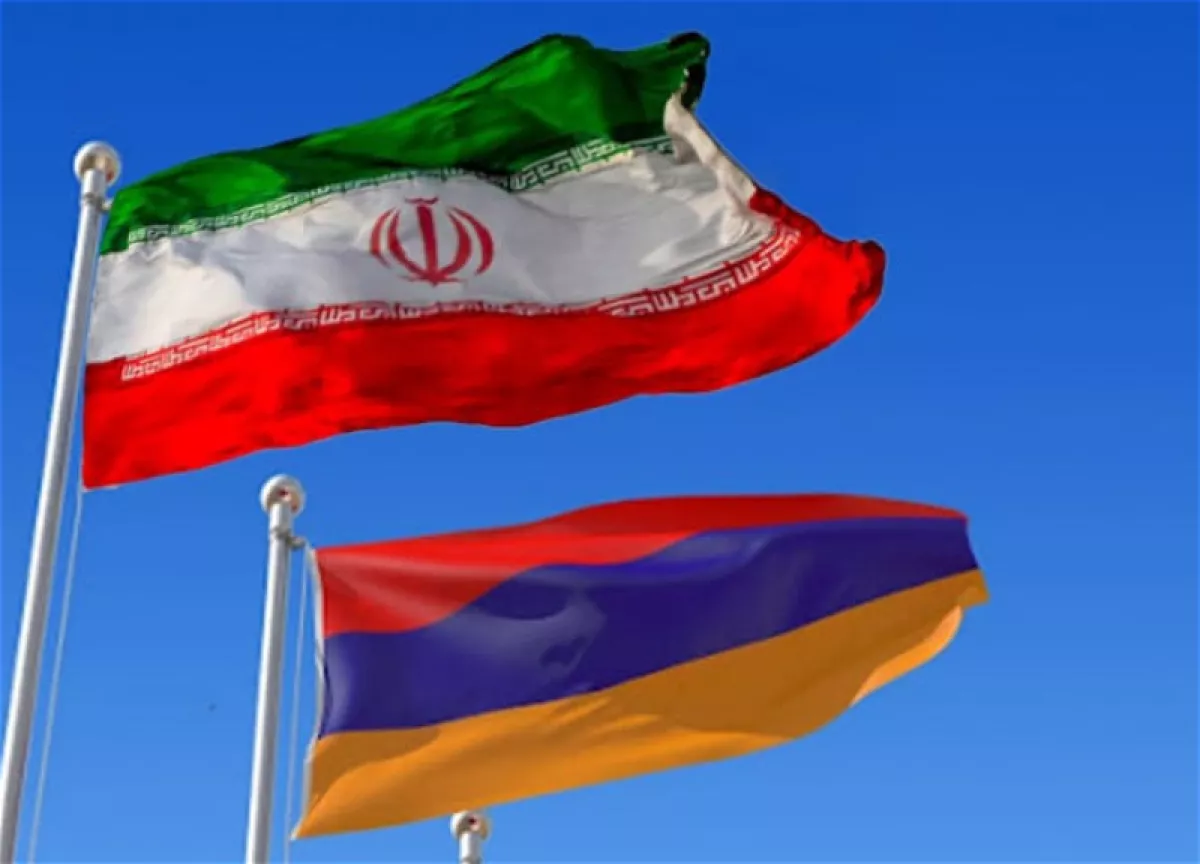
“Based on the experience of previous cooperation, Armenia and Iran have generally always taken into account the specifics of each side’s relations with other states, and Iran’s position on the ‘Trump Route’ also fits into this pattern, reflecting the strategic importance of Yerevan and Tehran for each other. If Iran–US relations do not escalate into a full-scale war involving ground operations, which could make the regional situation difficult to predict, then even amid a prolonged low-intensity conflict between Iran and the United States, Iran’s position on TRIPP could remain predictable. If relations between the two countries are normalised, one could even expect some indirect involvement by the Islamic Republic in the project, given that due to the challenging geography of southern Armenia, one of the convenient routes for delivering construction materials also passes through Iran.
It should be noted here that using Azerbaijan’s territory to deliver cargo to the southern part of Syunik through Nakhchivan and Zangilan could prove extremely beneficial. This demonstrates that Armenia and Azerbaijan need to cooperate on various issues in order to ensure the efficiency and accelerate the pace of construction work,” the expert said.
At this stage, he believes, the development of the process is linked to objective procedures stemming from the special format of TRIPP as an Armenian-American initiative. The parties are consistently working to establish the legal framework for the agreements reached in August 2025, as well as to prepare a technical and economic feasibility study. Depending on which project option is selected, the process is expected to involve the acquisition of property along the route, the establishment of specialised subsidiary companies, and the attraction of investment.
“The end of this year or the beginning of next year is the timeframe when construction work can be expected to begin. The pace will depend on the assessment of the condition of the section and the selection of a specific project design. The more it differs from the Soviet-era route alignment, the longer and more expensive the construction will be; however, the end result will be a more efficient and modern transport link. Overall, when it comes to launching the route into operation, 2029 appears to be the most realistic and optimal target date,” Meliksetyan concluded.







 editor@caliber.az
 +994 55 444-88-98
 Азербайджан, Баку, ул. Низами, 203, Af Business House, 5-й этаж