










Window of opportunity after Ankara: who will make the first move — Kyiv or Moscow? Expert opinions for Caliber.Az
During a meeting with Volodymyr Zelenskyy in Ankara, Donald Trump pledged to help Ukraine establish domestic production of missiles for the Patriot air defense system, while U.S. Secretary of State Marco Rubio voiced support for Ukrainian strikes deep inside Russian territory. Trump also described Ukrainian attacks on Russian oil refineries as "an escalation that could help bring the war to an end."
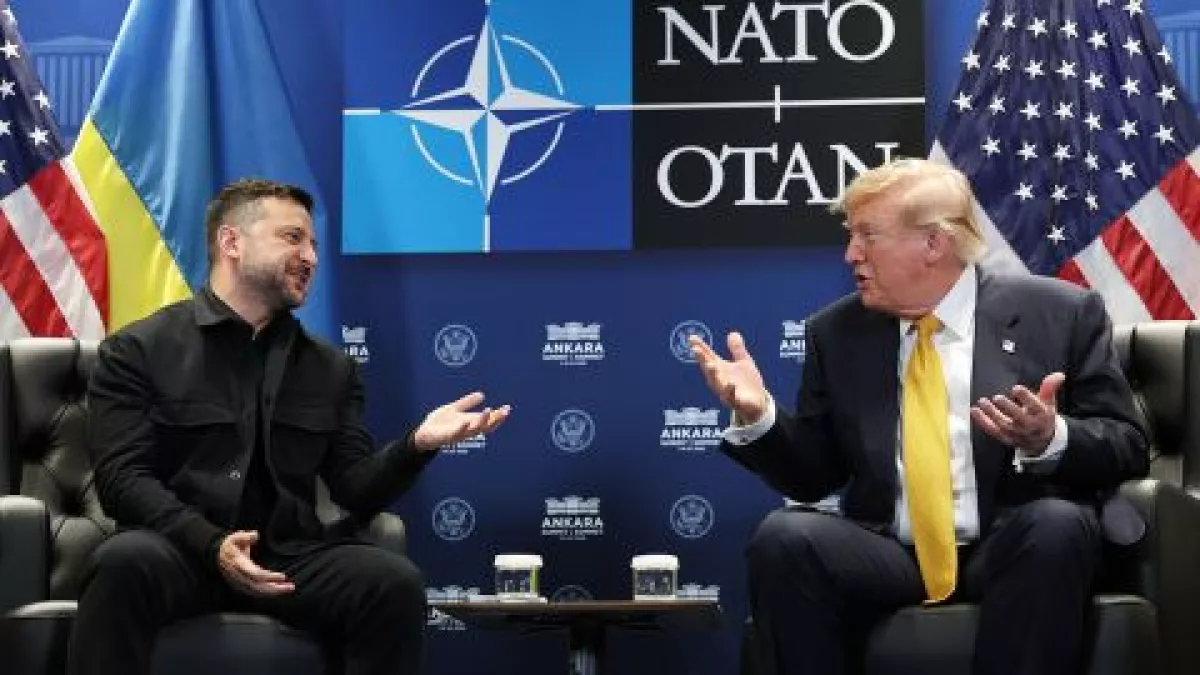
"A little birdie told me this, about the fact that we'll give them the right to make Patriots ... We’re going to give a license to you to make Patriots. This way, you can’t complain that we are not giving you enough; you will do them yourselves," Trump told Zelenskyy.
Ukraine is prepared to continue fighting Russia if peace negotiations fail to produce results, according to Kyrylo Budanov, head of Ukraine's Main Directorate of Intelligence, in an interview with RBC-Ukraine.
Asked how long Ukraine and Russia would be able to sustain the war, Budanov stressed that much depends on the conditions and resources available to both sides.
"We can do it, believe me. For years," he said.
According to Budanov, the key factor for Ukraine is maintaining the support of its international partners.
"If Ukraine were alone and Russia were alone, one-on-one, the situation would be different. Our main priority is not to lose our friends, partners, and allies," he noted.
Budanov had previously suggested that the active phase of the war could end by the close of the year. However, following the collapse of U.S.-mediated peace talks, Kyiv began preparing for a prolonged conflict, with Zelenskyy instructing officials to plan for another two to three years of fighting. Ukraine had agreed to a mutual withdrawal of forces from the Donbas, but the Kremlin insisted on a unilateral withdrawal of Ukrainian troops and rejected security guarantees. Moscow ultimately refused to endorse any of the proposed settlement options, and on May 22 the United States withdrew from the negotiation process.
How might events unfold from here? If Kyiv succeeds in launching domestic production of Patriot missiles, Ukraine's air defenses would receive a significant boost, increasing the likelihood that the war could evolve into a prolonged war of attrition. At the same time, Ukraine is expanding its production of drones and missiles, intensifying pressure on Russia's energy infrastructure. Could this push the Kremlin toward a temporary ceasefire, or does such a scenario remain out of the question?
Prominent Ukrainian experts shared their assessments with Caliber.Az.
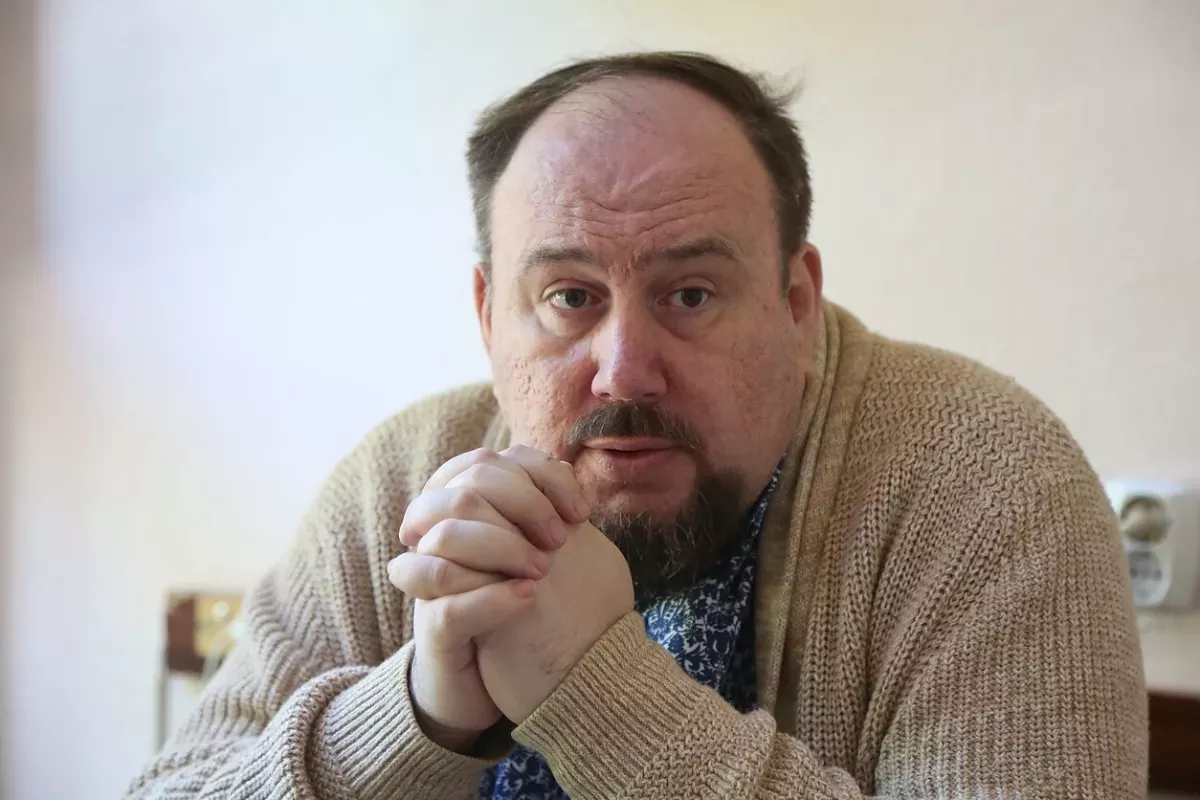
Military expert and historian Mykhailo Zhirokhov said he would not be overly optimistic about the prospects of producing Patriot missiles in Ukraine, noting that, for now, the discussion is based solely on statements made by Donald Trump.
"It is also unclear at what stage the rollout of serial missile production in Ukraine actually stands. At this point, these are primarily signals from the U.S. president indicating that he currently holds a pro-Ukrainian position. As for what his stance will be tomorrow, no one can say.
It is also important to understand that manufacturing such sophisticated weapons takes considerable time. The production cycle for a single missile is 24 months—not a day less. So even if all the necessary decisions are made as quickly as possible, the first Ukrainian-made missiles are unlikely to roll off the production line before two years have passed.
Until then, Russia retains one major trump card—large-scale mobilization. If the Kremlin decides to play it, it could alter the situation on the battlefield and, at the very least, enable Russian forces to reach the administrative borders of the Donetsk region. In my view, however, this card is unlikely to be played before the autumn.
For that reason, much of the current speculation is premature. Putin will wait for the elections and only then make his decision," Zhirokhov said.
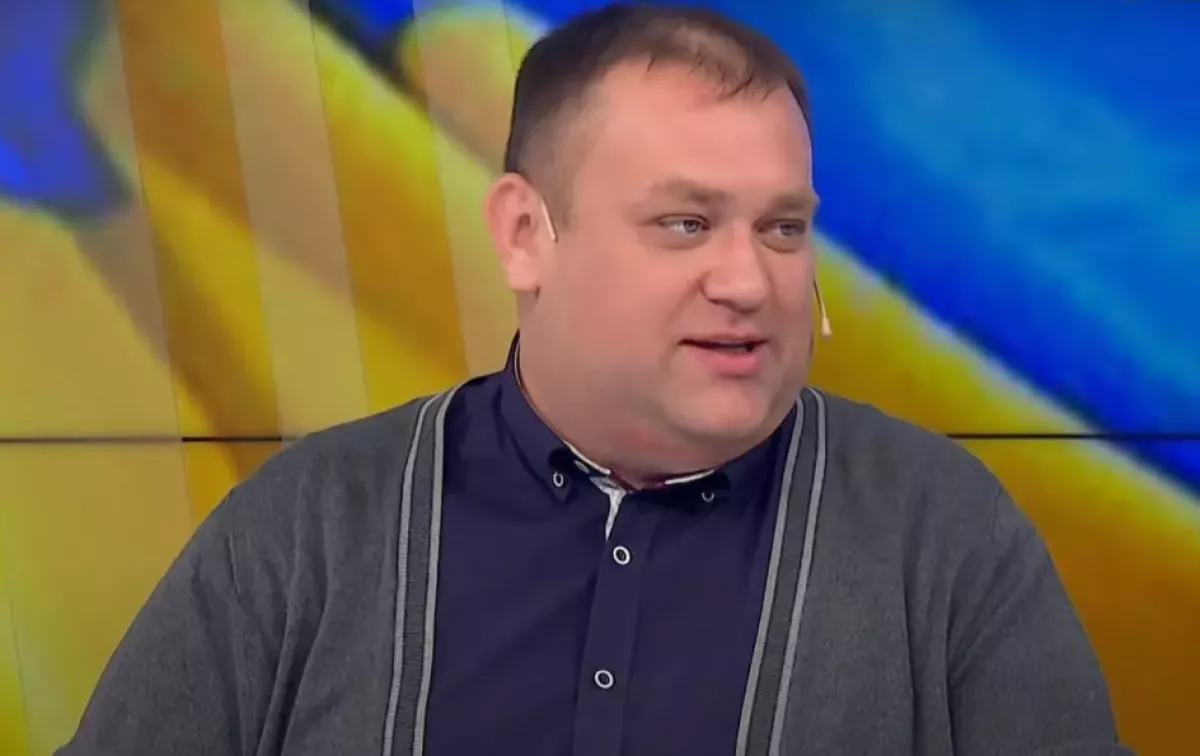
Political analyst, PhD in Political Science, and President of the International Security Studies Institute Oleksii Buriachenko said that the outcome of the NATO summit in Ankara had been closely watched in both Europe and Russia.
"The results proved positive for Türkiye as the host nation, for the European members of NATO, the United States, and Ukraine, while for Russia they were an unmistakable disappointment.
By congratulating Donald Trump on U.S. Independence Day on July 4, Vladimir Putin was, in effect, hoping to persuade him to scale back the U.S. role in European security and sow divisions ahead of the summit. Moscow was prepared to interpret such a scenario as a green light for further escalation against the EU and NATO.
That, however, did not happen. Despite promises of cooperation in the Middle East and access to resources, the Arctic, as well as oil and gas, Trump appears to have concluded that the Russian leader makes many promises but delivers very little. As a result, his administration opted to pursue its own strategy.
That strategy is based on intelligence assessments indicating that Russia has reached a strategic deadlock. Ukraine is not only holding its ground and launching counterattacks, but is also developing a joint defense-industrial base with European and Middle Eastern partners, testing its own ballistic missile, and improving both its missile defense capabilities and precision-guided aerial bombs.
Meanwhile, the Russian military has been facing a personnel shortage for several months, while the country's economy is increasingly feeling the impact of Ukrainian strikes on its oil refining infrastructure.
Modern warfare has also fundamentally changed the nature of combat. 'Kill zones' extending 15–20 kilometers force Russian units to advance in small groups, while armored vehicles are destroyed long before they reach Ukrainian positions. In my view, these are precisely the factors Trump took into account when shaping his position.
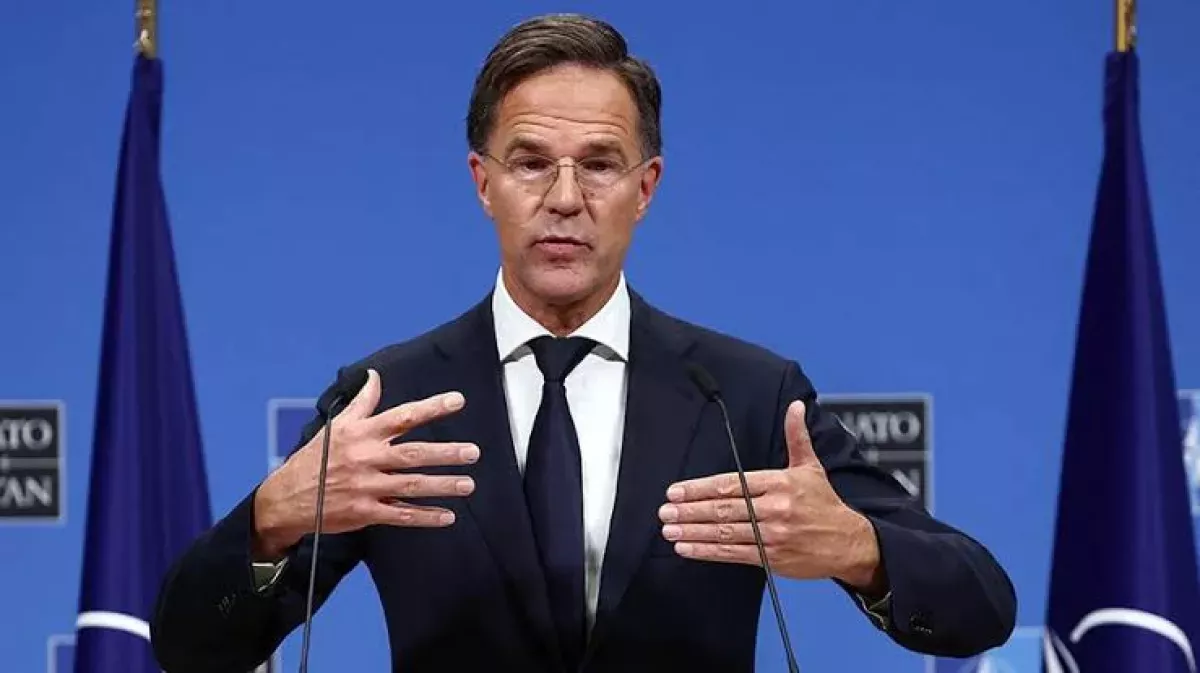
NATO Secretary General Mark Rutte, for his part, did everything possible to preserve the United States' role in European security without triggering abrupt changes. Neither Washington nor its European allies had any interest in a contentious summit, as that could have brought discussions over invoking Article 5 of the North Atlantic Treaty closer to the forefront. As a result, Europe is assuming greater responsibility for its own defense, while the United States is likely to gradually reduce its military presence on the continent.
All parties involved are looking to the coming year with cautious optimism. European countries will continue to benefit from the capabilities of the U.S. defense industry, while Ukraine has already secured long-term funding commitments totaling at least $140 billion for 2026–2027.
Trump's statement expressing readiness to provide Ukraine with the technology and a production license for Patriot (PAC-3) systems generated particular attention. If implemented, the project would significantly limit Russia's ability to carry out aerial attacks.
At the same time, Moscow is likely to compensate for the lack of major battlefield gains by expanding the scope of military operations—primarily in the Zaporizhzhia, Kherson, and Chernihiv directions. In response, Ukraine has already begun forming three new brigades for deployment along its northern front.
The overarching objective of Ukraine and its Western allies is to achieve peace through strength by compelling Russia to engage in genuine negotiations. Kyiv remains prepared to discuss a comprehensive ceasefire provided that credible security guarantees are in place, after which the sides could move on to a full-fledged peace process.
The key political milestones ahead are the elections in Russia and the U.S. midterm elections. A large-scale mobilization in Russia is unlikely before the Russian vote, but such a scenario cannot be ruled out afterward. For Trump, meanwhile, it is crucial to get a negotiation process underway before the U.S. elections.
In my view, the current moment presents the most favorable window of opportunity to increase pressure on Russia, which has already acknowledged that it is facing serious economic difficulties. The current strategy of peace through strength has a better chance of succeeding than previous efforts. Following the Ankara summit, Ukraine's role in Europe's security architecture continues to grow, while the United States is gradually shifting from being the sole leader to one of several key stakeholders.
Russia has reached a strategic deadlock. The Kremlin understands this as well. It is telling that after meeting with Volodymyr Zelenskyy, Trump—contrary to Moscow's expectations—did not call Putin. That became another signal that Washington is stepping up pressure on the Kremlin, including through the possible transfer of Patriot production technology to Ukraine.
The most likely scenario is that the parties will first go through another phase of mutual escalation, which could eventually pave the way for a ceasefire and the start of peace negotiations. The key question is whether pressure on Russia can be intensified to the point where the Kremlin concludes that negotiations carry fewer risks than continuing the war," Buriachenko concluded.







 editor@caliber.az
 +994 55 444-88-98
 Азербайджан, Баку, ул. Низами, 203, Af Business House, 5-й этаж